
6 Essential Items for Your Bulk Baking Essentials Checklist
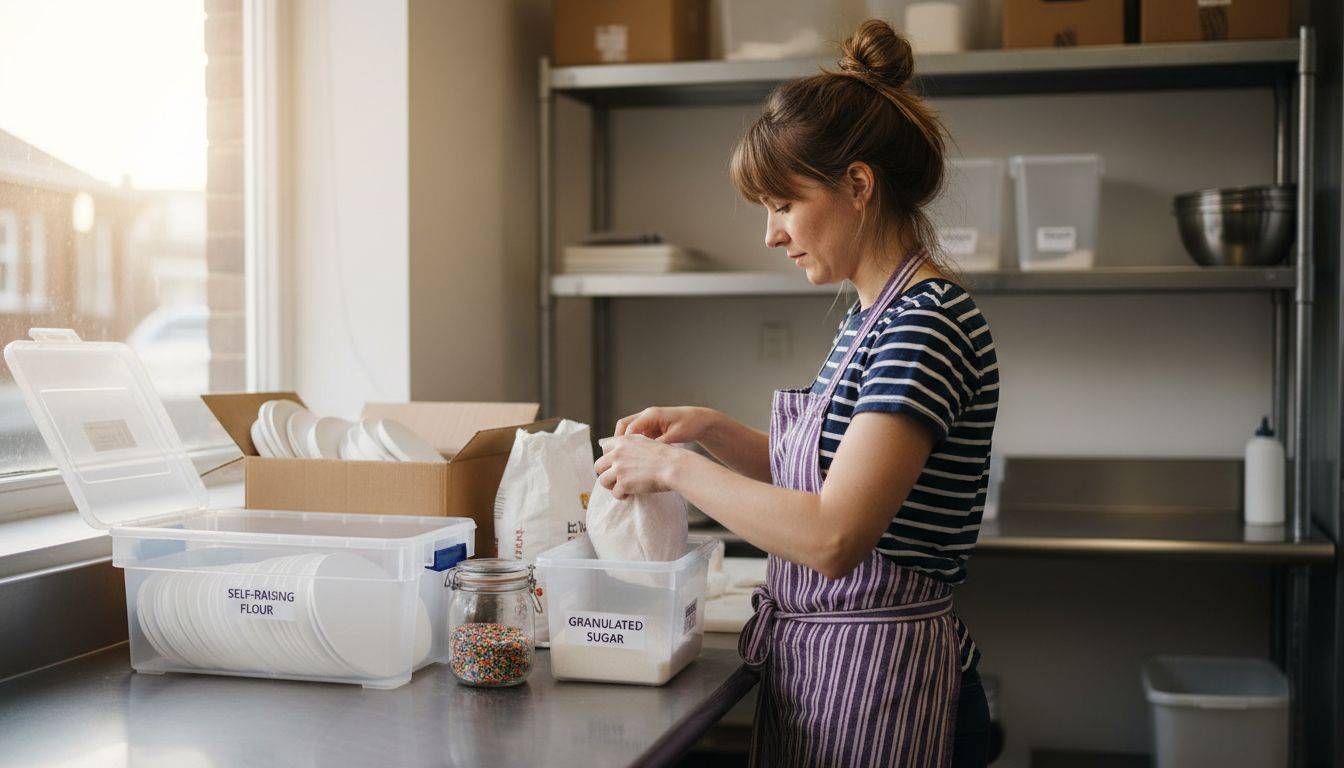
Ordering bulk baking supplies can feel overwhelming when you need to balance quality, storage, and cost. With so many options available for flours, sugars, packaging, and decorations, making the wrong choice can affect your results and eat into your profits. Knowing which products meet safety standards and how to keep them fresh is crucial for any baker handling large orders in South Wales or beyond.
This list will show you exactly how to pick, stock, and store the right ingredients and supplies for bulk baking. You will discover reliable strategies based on current UK and international standards, from flour regulations to packaging solutions. Get ready for actionable steps that help you save money, maintain consistent quality, and delight your customers with every order.
Table of Contents
- 1. Choosing The Right Flour For Bulk Baking
- 2. Stocking Bulk Sugar And Sweeteners Wisely
- 3. Essential Cake Boards And Boxes For Large Orders
- 4. Buying Fondant And Food Colours In Bulk
- 5. Maximising Business Savings With Decorations And Sprinkles
- 6. Storing Your Bulk Baking Supplies Safely
Quick Summary
| Takeaway | Explanation |
|---|---|
| 1. Choose the right flour for baking. | Select flour types based on baking needs, considering protein content and moisture levels for optimal results. |
| 2. Buy sugar in appropriate quantities. | Understand which sweeteners are popular with customers to avoid excess waste and ensure consistent supply. |
| 3. Invest in quality cake boards and boxes. | Stock various sizes and types of cake packaging to protect creations and meet customer expectations efficiently. |
| 4. Store bulk supplies safely. | Use airtight containers in a cool, dry location to maintain quality and freshness of baking ingredients. |
| 5. Track decorations to optimise spending. | Monitor usage of edible decorations closely to inform bulk buying decisions and minimise waste. |
1. Choosing the Right Flour for Bulk Baking
Selecting the right flour is the foundation of successful bulk baking, whether you’re making dozens of cupcakes for a South Wales wedding or stocking your commercial kitchen. The type of flour you choose directly affects texture, rise, crumb structure, and ultimately, your business profitability.
Flour comes in several varieties, each with distinct characteristics that suit different baking projects. Plain flour works for most cakes and biscuits, whilst self-raising flour already contains raising agents for convenience. Strong bread flour has higher protein content for chewier textures in loaves and rolls. Cake flour is softer and lower in protein, creating delicate, tender crumbs. Wholemeal flour adds nutrition and earthier flavour but requires technique adjustments.
When buying in bulk, understanding flour specifications matters more than ever. The UK Bread and Flour Regulations mandate that white and brown flour contain added vitamins and minerals for nutritional standards, whilst wholemeal flour is naturally exempt from fortification. This means your bulk flour meets safety and quality benchmarks set by law.
Here’s what to consider for your bulk purchases:
- Protein content: Higher protein (13-14%) suits bread; lower protein (8-10%) suits cakes
- Moisture levels: Look for consistent moisture content to ensure reliable baking results
- Storage capacity: Bulk flour needs cool, dry conditions in airtight containers
- Freshness: Even in bulk, flour degrades over time, so rotate stock regularly
- Supplier reliability: Choose suppliers who maintain consistent quality standards
Buying flour in bulk saves money, but only if you use it regularly before it loses potency.
For small-scale bakers in South Wales, bulk buying makes sense when you’re using 5-10kg weekly. Smaller quantities mean fresher flour and better results than storing large amounts. Calculate your actual usage before committing to massive sacks.
Consider blending flours too. Many professional bakers mix plain and strong flour to achieve custom protein levels suited to their specific recipes. This flexibility comes from understanding what each flour type brings to your finished product.
Pro tip: Store bulk flour in food-grade containers with tight-fitting lids, label each with the type and purchase date, and keep them in a cool pantry away from sunlight to maintain quality for up to six months.
2. Stocking Bulk Sugar and Sweeteners Wisely
Sugar is the backbone of most baked goods, but buying in bulk requires understanding your options and storage needs. Whether you’re mixing traditional caster sugar into sponge cakes or experimenting with alternative sweeteners, making smart choices upfront saves money and prevents waste.
Standard white sugar comes in several forms, each serving different purposes in your baking. Caster sugar dissolves quickly in batters, muscovado sugar adds moisture and rich flavour, demerara sugar creates texture and crunch, and icing sugar finishes and decorates. Beyond traditional options, many bakers explore alternative sweeteners for health-conscious customers or specific recipe needs.
When stocking sweeteners in bulk, you’re working within regulatory frameworks designed to protect consumers. The UK’s Sweeteners in Food Regulations govern which sweeteners you can use, in what quantities, and how you must label them. These regulations ensure your bulk purchases meet legal requirements and support responsible baking practices.
Understand the main sweetener categories you’ll encounter:
- Granulated sugars offer versatility across cakes, biscuits, and fillings
- Liquid sweeteners like honey and golden syrup add moisture and distinct flavours
- Artificial sweeteners provide low-calorie alternatives with regulated safety levels
- Sugar alcohols like erythritol offer reduced-calorie options with minimal aftertaste
- Natural alternatives such as coconut sugar appeal to health-conscious customers
Bulk sugar purchases make sense only when you understand which types your customers actually request and use regularly.
For small-scale South Wales bakers, buying 10kg bags of caster sugar monthly is often more practical than annual bulk purchases. Sugar absorbs moisture easily, so storage conditions matter enormously. Keep sealed containers in a cool, dry location away from humidity and strong odours.
If you work with alternative sweeteners, research their baking properties first. Some behave differently from sugar—they may affect moisture levels, browning, or rise. Test recipes with new sweeteners before committing to bulk orders for client cakes.
Calculate your actual monthly usage before buying. A single wedding cake might use 500g caster sugar, whilst 50 cupcakes require around 750g. Understanding these proportions prevents overbuying and stock deterioration.
Pro tip: Buy smaller bulk quantities of specialty sweeteners that you use less frequently, and reserve your largest bulk purchases for the sugars you use weekly in standard recipes.
3. Essential Cake Boards and Boxes for Large Orders
Cake boards and boxes are not optional extras—they’re critical business tools that protect your work, impress clients, and build your brand. When handling large orders, the right packaging transforms how your cakes arrive and how customers perceive their investment.
Cake boards serve multiple purposes in your workflow. They provide a stable base for decorating, make transport safer, and create a professional presentation moment when clients receive their cakes. Boards come in various sizes, thicknesses, and materials, each suited to different cake weights and decorating styles.
Boxes protect your creations during delivery and storage. Standard packaging uses corrugated cardboard with a fluted middle layer providing strength and cushioning throughout transport. Different flute profiles offer varying degrees of protection, so matching your box strength to cake weight prevents damage and customer disappointment.
Here’s what to stock for large orders:
- Cake boards in multiple sizes (6-inch, 8-inch, 10-inch, 12-inch, 14-inch) for different cake heights
- Single-walled boxes for smaller cakes and cupcakes
- Double-walled boxes for tiered cakes and longer journeys
- Cake drum boards (thicker, more rigid) for heavy or multi-tiered designs
- Corrugated boxes in square and round options matching your board inventory
Running out of the right size boxes mid-order rush is the kind of mistake that tanks your profit margins and damages client relationships.
When bulk buying packaging, consider your typical order patterns. If you regularly make 8-inch cakes, stock accordingly. Oversizing on rare requests wastes storage space; undersizing creates bottlenecks when you land a big wedding with five tiers.
Understanding different cake board options helps you match materials to projects. Foil-covered boards look professional for display cakes, whilst plain boards work for everyday orders. Thicker boards prevent flexing when you’re piping intricate designs or transporting delicate work.
Stack boards and boxes efficiently in your workspace. Store boxes flat to save room, and keep boards organised by size with clear labelling. A disorganised packaging station wastes precious time during busy periods.
Calculate storage realistically before bulk buying. A case of 50 boxes takes up shelf space—ensure you have dedicated storage that keeps them dry and protected from damage.
Pro tip: Buy packaging in quantities matching your monthly order volume, then rotate stock regularly; old boxes deteriorate, and cardboard absorbs moisture that compromises structural integrity during transport.
4. Buying Fondant and Food Colours in Bulk
Fondant transforms cakes into polished showstoppers, and food colours bring your designs to life. Buying these decorating essentials in bulk keeps your inventory stocked and your costs predictable, especially when client demand picks up during wedding season.
Fondant is the smooth, pliable icing that creates flawless finishes on celebration cakes. It stores remarkably well when kept in proper conditions, making bulk purchases sensible for regular decorators. Ready-to-roll fondant saves time compared to mixing from scratch, whilst icing sugar and gum paste offer alternatives for specific techniques.
Food colours come in liquid, gel, and powder forms, each with distinct advantages. Liquid colours work for colouring batters and buttercream, whilst gel and powder colours provide concentrated pigment for fondant without affecting moisture levels. Having variety on hand means you’re ready for any client request without emergency supply runs.
When stocking fondant in bulk, understand storage properly. Fondant can be kept for years in a dry, vermin-free environment, making large purchases practical for established bakers. Keep it sealed, away from humidity and temperature fluctuations that cause sweating or hardening.
Here’s what to consider for your bulk order:
- Fondant colours you use regularly versus occasional shades
- White fondant in larger quantities as a base for custom colouring
- Gel food colours for concentrated, consistent pigment
- Powder colours for metallic and specialist effects
- Liquid colours for buttercream and batter applications
- Storage containers with airtight seals and clear labelling
Buying a massive tub of neon pink fondant feels economical until you realise only one client per year requests it.
Start with bulk quantities of neutrals and classics—white, black, red, and blues. These colours work across multiple projects and rarely go unused. Reserve smaller quantities for trendy shades that come and go.
Keep colour swatches for reference. When clients browse samples, they see exactly what your colours produce on fondant. This prevents costly mix-ups where a client imagines a different shade than what you can deliver.
Consider your workspace temperature and humidity. South Wales weather can be unpredictable, so store fondant away from damp areas that could compromise its texture over months of bulk storage.
Pro tip: Buy fondant in white and invest in gel colour sets rather than pre-coloured fondant; you’ll save money, reduce waste on unused shades, and have greater flexibility matching client colour preferences exactly.
5. Maximising Business Savings with Decorations and Sprinkles
Decorations and sprinkles are where profit margins live or die in small-scale baking. A single tier cake might use 50p worth of sprinkles, but buying them individually costs far more than bulk purchasing. Strategic decisions here directly impact whether your business thrives or merely survives.
Sprinkles come in dozens of varieties, from jimmies and nonpareils to pearl sugar and metallic dragées. Each serves different aesthetic purposes, and clients increasingly expect variety. Stocking multiple types in bulk means you’re ready for any creative vision without rushing to suppliers mid-project.
Inventory management is where most small bakers lose money on decorations. Buying too much means waste and storage problems; buying too little means emergency shopping at premium prices. Modern businesses use data-driven inventory strategies to align bulk purchases with actual demand patterns.
Here’s how to optimise your decoration spending:
- Track usage by recording which decorations you actually use weekly
- Buy seasonal ranges in bulk before peak demand (spring flowers before Easter, Christmas colours in October)
- Establish supplier relationships for better bulk pricing and payment terms
- Rotate stock to prevent colours fading and ingredients degrading
- Bundle purchases with complementary items to reach bulk discounts
- Calculate unit costs to identify which bulk sizes offer genuine savings
Buying five types of sprinkles in bulk means nothing if three of them sit unused whilst you still need to reorder the two you actually use.
For South Wales bakers, building relationships with reliable suppliers creates ongoing savings opportunities. Ask about volume discounts, loyalty programmes, and bulk pricing on items you use consistently. Many suppliers offer better rates for monthly or quarterly bulk orders than sporadic purchases.
Store decorations properly to protect your investment. Keep sprinkles in airtight containers away from humidity and sunlight, which fade colours and compromise texture. Food-safe storage containers with clear labelling prevent confusion and allow quick visual stock checks.
Consider edible decorations’ shelf life carefully. Fondant flowers, sugar pearls, and crystallised elements deteriorate over time, so calculate your usage rates before committing to massive quantities of perishable items.
Effective supplier relationships optimising costs directly increase business profitability, just as they do across UK manufacturing sectors. Your decoration budget isn’t just overhead—it’s an investment in client satisfaction and repeat business.
Pro tip: Create a simple spreadsheet tracking monthly decoration usage by type, then use that data to order exact quantities needed in bulk, reducing waste whilst ensuring you never run short of popular items.
6. Storing Your Bulk Baking Supplies Safely
Buying bulk baking supplies means nothing if they deteriorate before you use them. Proper storage protects your investment, maintains ingredient quality, and keeps your customers safe. This final step transforms your bulk purchases from a cost-saving measure into a sustainable business practice.
Temperature and humidity are your greatest enemies when storing bulk supplies. Flour absorbs moisture and develops rancid flavours in warm, damp conditions. Sugar hardens and clumps when exposed to humidity. Fondant sweats and becomes sticky. Sprinkles fade and lose their appeal. Climate control directly impacts how long your ingredients remain usable.
Food safety is non-negotiable in bulk baking. Storing raw ingredients like flour and sugar in dry, cool, ventilated conditions separate from ready-to-eat foods prevents cross-contamination and reduces foodborne risks. This separation protects both your customers and your reputation.
Your storage setup should include these elements:
- Dedicated shelving away from direct sunlight and heat sources
- Airtight containers with tight-fitting lids for flour, sugar, and decorations
- Temperature monitoring to track conditions regularly
- Clear labelling with product names and purchase dates
- Separate zones for raw ingredients versus finished goods
- Pest prevention including sealed containers and regular inspection
- Ventilation to prevent moisture accumulation in enclosed spaces
A single batch of flour spoiled by humidity costs you more than the savings from buying in bulk in the first place.
Organise your storage by frequency of use. Items you access weekly should be easily reachable; seasonal supplies can go higher up or deeper into storage. This approach saves time during busy periods and prevents you searching frantically through stock.
Invest in quality storage containers. Food-grade plastic bins with locking lids protect against moisture and pests far better than open bags. Label everything clearly with purchase dates so you rotate stock properly and maximise freshness.
Check your storage conditions monthly. South Wales humidity can fluctuate significantly with seasons, so monitor temperature and moisture levels regularly. A simple hygrometer costs just a few pounds and tells you immediately if conditions are drifting.
Consider your workspace layout carefully. If your kitchen doubles as storage, ensure separation between raw ingredients and finished cakes. This prevents accidental contamination and demonstrates professional food safety practices to clients.
Pro tip: Use a first-in, first-out rotation system by dating all containers when items arrive, then always grab older stock first; this prevents expensive waste and ensures consistently fresh ingredients in every cake you bake.
Below is a comprehensive table summarising the key strategies and considerations discussed in the article regarding bulk baking supplies, including flour selection, sugar storage, cake packaging, and decorations management.
| Aspect | Description | Key Considerations |
|---|---|---|
| Flour Selection | Different types of flour suit specific baking needs, e.g., plain, self-raising, strong bread, and wholemeal. | Consider protein content, moisture levels, storage conditions, rotating stock, and supplier reliability. |
| Sugar and Sweeteners | Options include granulated, caster, muscovado, demerara, and icing sugar, as well as alternative sweeteners. | Ensure compliance with regulations, check stability, and store in cool, dry conditions to avoid spoilage. |
| Cake Boards and Boxes | Packaging ensures safe transport and presents cakes professionally. | Stock various sizes and materials, match board types to cake designs, and implement organised storage for efficient access. |
| Fondant and Colours | Fondant and food colours allow decorative customisation. | Buy colours in concentrated forms for flexibility, store fondant under optimal conditions, and prefer neutral bases for blending. |
| Decorations and Sprinkles | Aesthetics enhance visual appeal, with varieties like sprinkles, sugar pearls, and fondant elements. | Track usage, stock seasonal items, build supplier relations, and ensure proper storage to avoid deterioration. |
| Storage Practices | Proper storage ensures the longevity and quality of supplies. | Use sealed containers, segregate raw and finished goods, monitor humidity, and implement a rotation system for freshness. |
Master Your Bulk Baking Supplies with Confidence
Scaling up your baking requires more than just buying in bulk. From choosing the perfect flour and sugar to selecting the right cake boards, boxes, fondant, and sprinkles, every item must meet your quality and storage demands. The challenges of managing freshness, storage conditions, and ingredient variety can feel overwhelming—but you do not have to face this alone. At The Vanilla Valley, we understand the pain points small-scale and professional bakers face when stocking up. Our carefully curated range of bulk baking essentials helps you save money without compromising on quality or consistency.
Explore our wide selection of cake decorating supplies, including reliable cake boards and boxes, premium fondant and food colours, and decorations that bring your creations to life. Benefit from our long-standing reputation since 2009 as a trusted UK supplier committed to supporting your baking business every step of the way. Act now to take advantage of special offers and next day delivery so you never run short during critical order periods. Visit The Vanilla Valley and turn your bulk baking checklist into a seamless supply success story today.
Frequently Asked Questions
What are the essential items for my bulk baking checklist?
The essential items for a bulk baking checklist include the right types of flour, sugar, cake boards, boxes, fondant, and food colours. Focus on these categories to ensure you have a well-rounded inventory for various baking projects.
How do I store bulk baking supplies properly?
Store bulk baking supplies in airtight containers and keep them in a cool, dry place away from sunlight. Organise your space so items you use frequently are easily accessible, while seasonal supplies can be stored further back to maximise your efficiency.
How can I determine my actual usage for bulk items?
Track your baking habits by recording how much of each ingredient you use over a month. This method helps optimise your buying process and avoid over-purchasing items you rarely need.
What should I consider when selecting flour for bulk baking?
When selecting flour, consider its protein content, moisture levels, and intended use. For example, choose strong bread flour for yeast-based items and cake flour for delicate baked goods to achieve the best textures and results.
How can buying in bulk save me money on decorations?
Buying decorations in bulk typically reduces the unit cost per item, which can lead to significant savings over time. Review your usage patterns regularly and adjust your bulk orders to align with those patterns to maximise savings.
What steps can I take to maintain the freshness of my bulk ingredients?
To maintain freshness, store ingredients in cool, dry, airtight containers, and label them with purchase dates. Implement a first-in, first-out rotation system to ensure older items are used first, helping to prevent waste.