Complete Guide to Cake Boards for Bakers
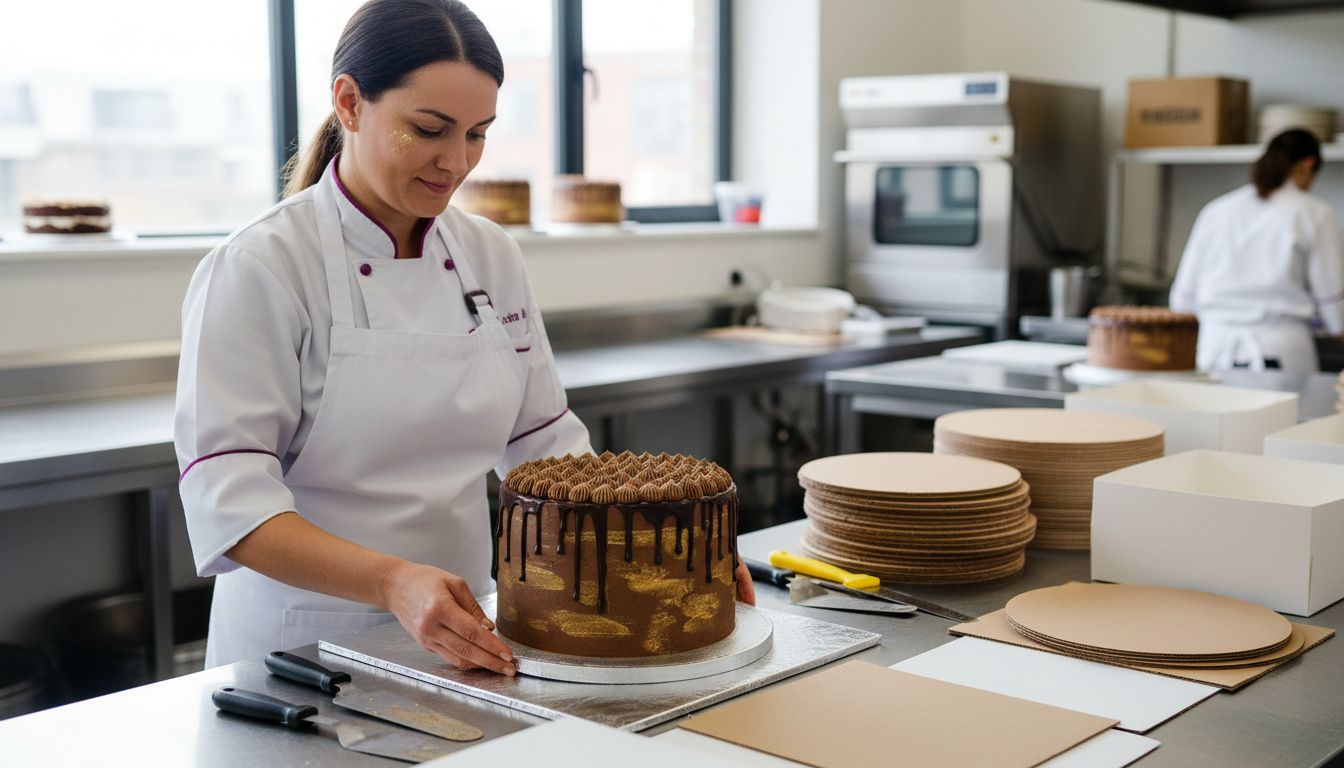
More than 80 percent of british cake makers rely on the right cake board to achieve flawless presentations. Choosing a suitable base for your cake is not just a matter of style, it is the secret to both structural strength and a polished finish. With so many shapes, sizes, and materials available, understanding cake boards helps both beginners and professionals ensure their creations look beautiful and stay intact from oven to table.
Table of Contents
- Defining Cake Boards And Their Purpose
- Cake Board Types, Thicknesses, And Materials
- Key Shapes And Sizes For Every Occasion
- When To Use Drums Versus Cards
- Seasonal And Decorative Cake Board Options
- Essential Board Care And Common Mistakes
Key Takeaways
| Point | Details |
|---|---|
| Selection Matters | Choosing the right cake board is crucial for structural integrity and professional presentation. Consider material, thickness, and shape carefully based on cake design. |
| Types and Uses | Understand the differences between cake cards and drums: cards are for lighter cakes, while drums are essential for heavy, multi-tiered creations. |
| Shape and Size | Select board shapes and sizes that ensure optimal support for your cake, aligning with dimensions and intended use for a polished finish. |
| Proper Care | Maintain cake boards by storing them correctly and avoiding moisture. Regular cleaning and careful handling can prolong their lifespan and presentation quality. |
Defining Cake Boards and Their Purpose
Cake boards are fundamental tools in cake decorating and construction, serving as essential foundations that support and showcase your culinary creations. According to the Scottish Qualifications Authority, selecting an appropriate board involves carefully considering specifications such as shape, size, and material to match different cake designs.
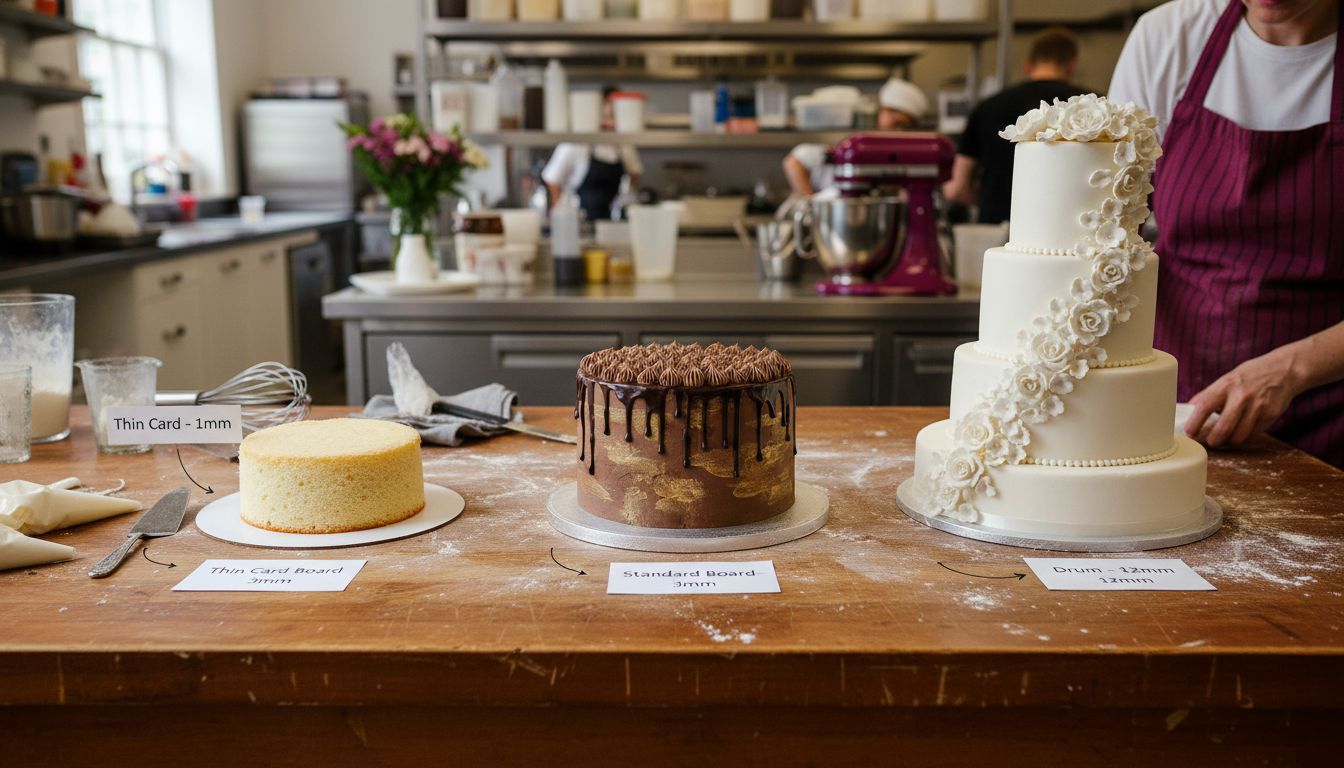
In their most basic form, cake boards are flat platforms designed to support and display cakes during preparation, transportation, and presentation. They come in various materials including hardboard, acrylic, silver foil cardboard, and thin white cardboard, each offering unique advantages for different baking scenarios. The thickness can range dramatically from lightweight 1mm cards perfect for simple decorative cakes to robust 12mm drums capable of supporting multi-tiered wedding masterpieces.
The primary purposes of cake boards extend far beyond mere support. They provide a professional finishing touch, create a clean presentation surface, and offer practical benefits like easier handling and transportation. Cake Boards Explained: Types, Uses, and Buying Tips highlights that different board types serve specific functions:
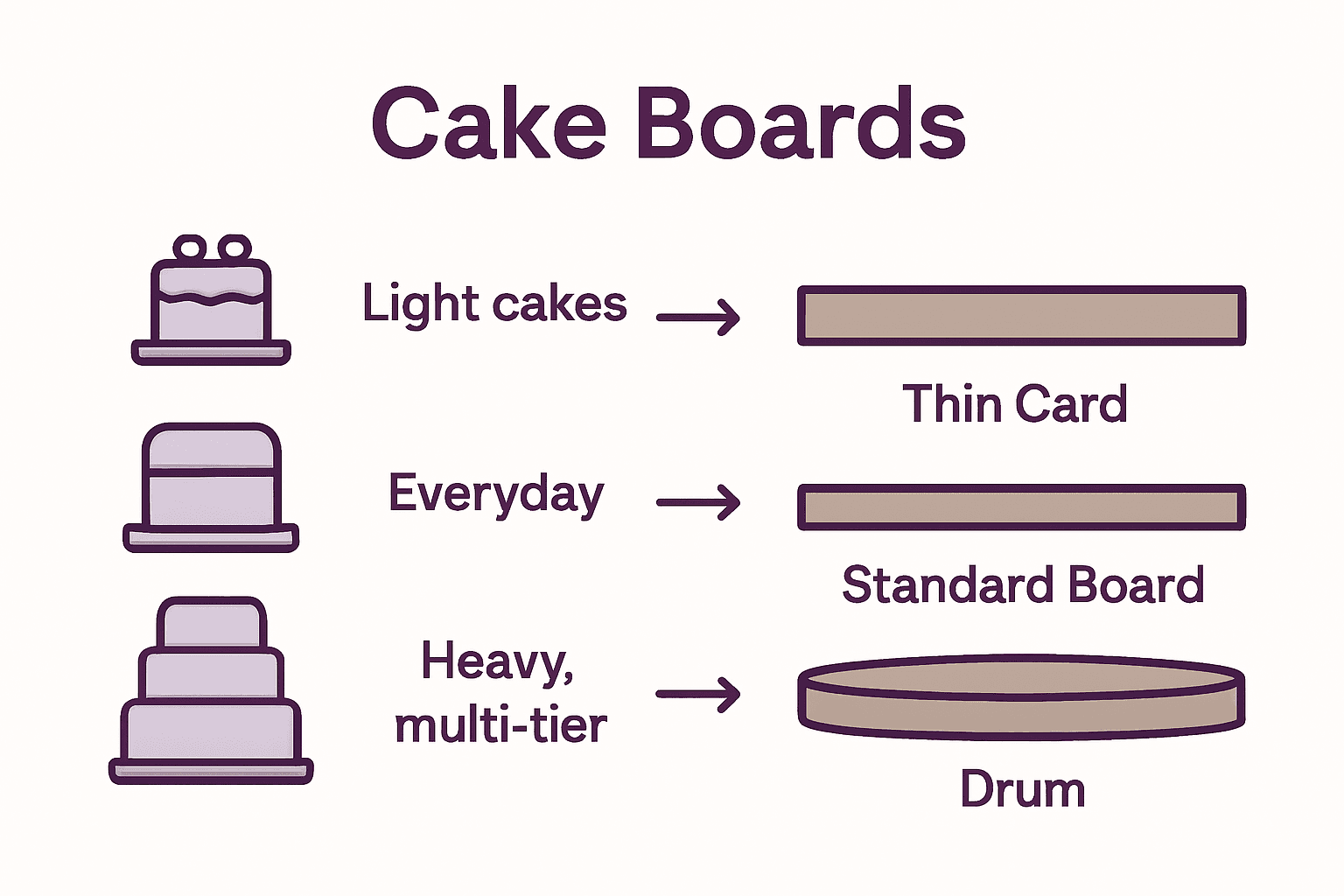
- Thin Cake Cards (1-3mm): Ideal for lightweight sponge cakes and simple decorations
- Cake Drums (12mm): Perfect for heavy, elaborate cakes requiring maximum structural integrity
- Foil-Covered Boards: Provide an elegant, reflective surface for special occasion cakes
Choosing the right cake board isn’t just about aesthetics; it’s about ensuring your cake’s structural integrity and professional presentation. Professional bakers understand that the foundation of a spectacular cake begins with selecting the perfect board for the job.
Cake Board Types, Thicknesses, and Materials
Cake board selection is a nuanced art that requires careful consideration of multiple factors. Scottish Qualifications Authority research emphasises the critical importance of matching board specifications precisely to cake design requirements, highlighting that material, thickness, and shape are not merely aesthetic choices but fundamental structural decisions.
Cake board materials range from lightweight cardboard to robust professional-grade options. The primary materials include:
- Silver Foil Cardboard: Elegant and reflective, perfect for special occasion cakes
- Hardboard: Extremely sturdy, ideal for heavy multi-tiered wedding cakes
- Thin White Cardboard: Economical and suitable for simple decorative projects
- Acrylic: Modern, durable, and offering a sleek transparent presentation
Board thickness represents another crucial design parameter. Professional bakers typically work with three primary thickness ranges: thin cake cards (1-3mm), standard boards (6mm), and heavyweight drums (12mm). Each thickness serves a specific purpose. Thin cards work brilliantly for lightweight sponge cakes, while 12mm drums provide unparalleled structural support for elaborate multi-tiered creations.
Specialised board shapes further expand design possibilities. Round boards remain the most traditional, but contemporary bakers increasingly embrace square, heart-shaped, and oblong designs to match specific cake concepts. Do you need to use cake boards between tiers? explores how selecting the right board shape and thickness can dramatically influence cake stability and presentation. Whether you’re crafting a delicate birthday cake or an intricate wedding showstopper, understanding these material nuances ensures your culinary masterpiece stands perfectly poised and professionally presented.
Key Shapes and Sizes for Every Occasion
According to the Scottish Qualifications Authority, selecting the right cake board shape and size is a critical aspect of cake preparation that goes far beyond mere aesthetic considerations. The precise specification of cake board dimensions ensures structural integrity, professional presentation, and optimal support for different cake designs.
Cake boards come in a delightful array of standard and speciality shapes to suit every imaginable occasion:
- Round Boards: The classic choice, ranging from petite 4-inch diameters perfect for individual celebration cakes to expansive 20-inch platforms for grand multi-tiered wedding creations
- Square Boards: Ideal for contemporary geometric cake designs, providing clean lines and modern sophistication
- Heart-Shaped Boards: Romantic options for wedding cakes, engagement celebrations, and Valentine’s Day specials
- Oblong/Rectangle Boards: Versatile shapes supporting sheet cakes, corporate events, and elongated design concepts
Size selection involves careful consideration of both the cake’s dimensions and its intended purpose. Professional bakers typically follow these guidelines:
- Small Cakes (4-6 inches): Boards 2 inches larger than the cake diameter
- Medium Cakes (8-10 inches): Boards 3-4 inches larger than cake size
- Large Celebration Cakes (12-16 inches): Boards 4-6 inches larger than cake diameter
Cake Boxes: Everything You Need to Know provides additional insights into complementing your cake board selection with appropriate packaging. Ultimately, choosing the right board shape and size transforms a simple dessert into a professionally presented culinary masterpiece, ensuring your creation looks as spectacular as it tastes.
When to Use Drums Versus Cards
The Scottish Qualifications Authority underscores the critical importance of selecting the appropriate board type, highlighting that the choice between cake drums and cake cards is far more than a simple aesthetic decision. This selection fundamentally impacts a cake’s structural integrity, presentation, and overall professional finish.
Cake drums and cards serve distinctly different purposes across the baking spectrum:
Cake Cards (1-3mm Thickness)
- Ideal for lightweight sponge cakes
- Perfect for simple decorative designs
- Economical and lightweight
- Best for cakes under 2kg
- Easily concealed beneath icing
Cake Drums (12mm Thickness)
- Essential for heavy, multi-tiered cakes
- Provides maximum structural support
- Recommended for wedding and celebration cakes
- Supports cakes weighing 3-5kg
- Creates a robust foundation for complex designs
Professional bakers make their selection based on several key factors: cake weight, design complexity, transportation requirements, and aesthetic presentation. Thin cards work brilliantly for delicate home-baked treats, while robust drums become indispensable when crafting elaborate multi-tiered masterpieces. Do you need to use cake boards between tiers? offers additional insights into strategic board selection for complex cake constructions. Ultimately, understanding the nuanced differences between drums and cards empowers bakers to elevate their craft, ensuring each creation stands as a testament to professional precision and creative vision.
Seasonal and Decorative Cake Board Options
According to the Scottish Qualifications Authority, selecting cake boards goes beyond mere structural requirements, extending into the realm of creative expression and seasonal celebration. Decorative cake boards transform ordinary desserts into extraordinary culinary artworks, allowing bakers to match their foundation to specific themes, events, and festive occasions.
Seasonal Cake Board Styles:
- Christmas Designs
- Silver foil boards with snowflake patterns
- Deep red and green metallic finishes
- Glittery white boards mimicking fresh snow
- Autumn/Harvest Themes
- Warm copper and bronze textured surfaces
- Boards featuring subtle leaf and pumpkin motifs
- Rustic wooden-effect cardboard designs
- Wedding Collections
- Elegant pearl and ivory boards
- Soft metallic rose gold options
- Delicate lace-printed surfaces
Professional bakers understand that a decorative board does more than support a cake - it sets the entire visual narrative. Subtle design elements can elevate a simple cake into a themed masterpiece, whether it’s a winter wonderland Christmas creation or an autumnal harvest celebration. Festive Edible Decorations Guide for Christmas Cakes offers complementary insights into matching board designs with seasonal cake decorations. The key is selecting a board that harmonises with your cake’s aesthetic, creating a cohesive and memorable presentation that delights both the eyes and the palate.
Essential Board Care and Common Mistakes
The Scottish Qualifications Authority emphasises that professional cake board management goes far beyond simple selection, highlighting the critical importance of proper handling, storage, and maintenance to ensure optimal performance and longevity.
Common Cake Board Mistakes to Avoid:
- Moisture Damage
- Never store boards in humid environments
- Avoid direct contact with wet surfaces
- Use protective wrapping for storage
- Improper Handling
- Do not bend or crease boards
- Handle with clean, dry hands
- Store flat to maintain structural integrity
- Size Miscalculation
- Always measure cake diameter precisely
- Allow 2-4 inches extra board space
- Match board thickness to cake weight
Maintenance and Care Best Practices:
- Clean boards with soft, dry cloth after each use
- Store in cool, dry place away from direct sunlight
- Use protective sleeves for delicate or decorated boards
- Replace boards showing signs of wear or damage
Pro Tip: Professional bakers understand that a cake board’s condition directly impacts the final presentation. Even minor imperfections can compromise your cake’s aesthetic appeal. Do you need to use cake boards between tiers? provides additional insights into maintaining board quality across complex cake designs. Treat your cake boards like the precision tools they are - with respect, care, and attention to detail.
Find the Perfect Cake Boards and Accessories to Elevate Your Baking
The Complete Guide to Cake Boards for Bakers highlights the vital role that choosing the right cake board plays in ensuring structural integrity, professional presentation, and ease of handling for your creations. Whether you struggle with selecting the ideal thickness for multi-tiered masterpieces or want to create stunning seasonal displays with decorative boards, you deserve reliable supplies that match your ambition and care for detail. Key challenges include picking the right material and size, avoiding common mistakes like moisture damage, and confidently supporting your cakes without worry.
At The Vanilla Valley, we understand these concerns and offer a wide selection of quality cake boards, drums, and decorative options designed to meet all your baking needs. Our range supports every project, from delicate sponge cakes to heavy-duty wedding tiers, with expert guidance available through our educational articles. Start elevating your cake presentations today and enjoy benefits such as free delivery and trusted products from brands pros depend on.
Explore our collection and discover how to transform your cakes into impressive works of edible art with confidence. Visit The Vanilla Valley now to shop cake boards and baking accessories, and take the first step towards flawless, professional finishes.
Frequently Asked Questions
What are cake boards used for in baking?
Cake boards serve as essential foundations that support and showcase cakes during preparation, transportation, and presentation. They also provide a professional finishing touch and ensure easy handling.
What are the different types of cake boards?
There are several types of cake boards, including thin cake cards (1-3mm), standard boards (6mm), and cake drums (12mm). Each type is designed for specific cake weights and complexities.
How do I choose the right size cake board for my cake?
To select the right size, choose a board that is 2 inches larger than the cake diameter for small cakes (4-6 inches), 3-4 inches larger for medium cakes (8-10 inches), and 4-6 inches larger for large cakes (12-16 inches).
When should I use a cake drum instead of a cake card?
Use a cake drum (12mm thickness) for heavy, multi-tiered cakes that require maximum structural support, while cake cards (1-3mm thickness) are suitable for lightweight sponge cakes and simple designs.