
7 Common Christmas Baking Mistakes and How to Avoid Them
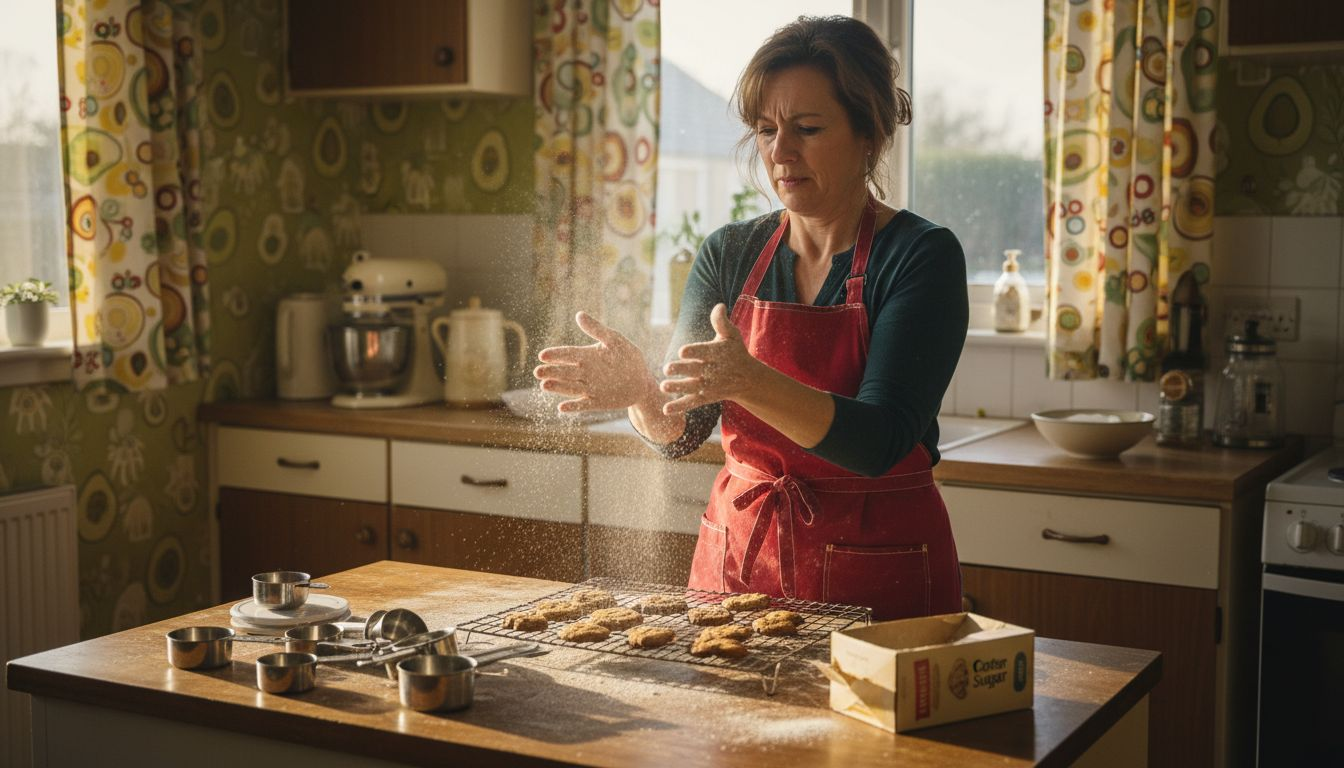
Over half of British home bakers admit to making simple mistakes that ruin their Christmas cakes and biscuits. When you are busy in the kitchen, even small errors can stop your festive treats from turning out perfectly. Discover how a few changes in technique can help you avoid the most common pitfalls and create delicious results that everyone will love.
Table of Contents
- 1. Not Measuring Ingredients Correctly
- 2. Using Cold Ingredients Instead of Room Temperature
- 3. Overmixing or Undermixing Batter
- 4. Baking at the Wrong Temperature
- 5. Ignoring the Importance of Prepping Bakeware
- 6. Forgetting to Cool Cakes and Biscuits Properly
- 7. Skipping Decoration Planning and Timing
Quick Summary
| Takeaway | Explanation |
|---|---|
| 1. Measure Ingredients Accurately | Use dedicated measuring tools to ensure precise ingredient quantities for consistent baking results. |
| 2. Use Room Temperature Ingredients | Allow butter, eggs, and cream cheese to reach room temperature for better mixing and texture in baked goods. |
| 3. Avoid Overmixing Batter | Mix just until combined to prevent toughness; typically, 10-15 gentle strokes are sufficient. |
| 4. Preheat Oven Correctly | Always preheat your oven for at least 15 minutes to ensure even baking temperatures and avoid undercooked treats. |
| 5. Cool Bakes Properly | Allow cakes and biscuits to cool completely before icing to achieve the best presentation and texture. |
1. Not Measuring Ingredients Correctly
Precision is the secret ingredient that separates mediocre baking from spectacular Christmas treats. When it comes to baking festive goodies, accurate measurements can make the difference between a triumph and a culinary disaster.
Measuring ingredients correctly is more than just following a recipe it is a fundamental skill that impacts the entire chemistry of your baking. Flour, sugar, and other dry ingredients are particularly tricky because they can easily become compacted or loosely packed, leading to significant variations in weight and volume. Experts recommend using specific measuring techniques to ensure consistent results every single time.
For dry ingredients like flour, always use dedicated dry measuring cups and level them off with a straight edge like a knife. Avoid tapping or shaking the cup, which can cause ingredients to settle and increase density. When measuring liquids, place your measuring jug on a flat surface and bend down to check the level at eye height for maximum accuracy.
Important measuring tips include using the correct type of measuring tools for each ingredient type and following recipe instructions precisely. Digital kitchen scales can provide even more accuracy compared to traditional cup measurements, especially for ingredients like flour where volume can vary significantly.
Pro tip: Invest in a good set of measuring cups and spoons with clear markings, and always measure ingredients at room temperature for the most reliable baking results.
2. Using Cold Ingredients Instead of Room Temperature
Temperature plays a pivotal role in creating perfect Christmas bakes, and cold ingredients can sabotage your festive culinary dreams. Room temperature ingredients are not just a baking suggestion they are a fundamental requirement for achieving consistently delicious results.
When ingredients like butter, eggs, and cream cheese are cold, they do not blend smoothly, leading to uneven mixtures and potential textural problems. Butter that is too cold will not cream properly with sugar, resulting in dense cakes and uneven rising. Eggs at room temperature incorporate more effectively into batters, creating a smoother, more uniform mixture.
Ingredient preparation techniques are crucial for successful baking. To bring ingredients to room temperature, remove butter and eggs from the refrigerator approximately 30 to 45 minutes before you plan to start baking. For butter, cut it into smaller chunks to help it warm up more quickly and evenly. Eggs can be placed in a bowl of warm water for about 5 minutes to take the chill off.
If you are short on time, you can microwave butter for 10 seconds on low power, but be extremely careful not to melt it completely. For eggs, place them in a bowl of warm water for a few minutes. These quick techniques ensure your ingredients are at the optimal temperature for creating light, fluffy, and perfectly textured Christmas bakes.
Pro tip: Always check ingredient temperatures before mixing and allow sufficient time for ingredients to reach room temperature to guarantee the best possible baking results.
3. Overmixing or Undermixing Batter
The delicate art of mixing cake batter can make or break your Christmas baking masterpiece. Mixing technique is a critical skill that determines whether your festive treats emerge light and fluffy or dense and disappointing.
Overmixing occurs when you beat ingredients beyond the point of proper incorporation, causing gluten development that results in tough, chewy baked goods. Conversely, undermixing leaves pockets of dry ingredients that create uneven textures and inconsistent flavour distribution. Mixing procedures require precision and understanding of ingredient interactions.
For most cake batters, mix only until ingredients are just combined. When adding flour, use a gentle folding motion and stop as soon as no streaks of dry ingredients remain. This technique prevents excessive gluten formation while ensuring a uniform mixture. A good rule of thumb is to mix until ingredients are just incorporated, which typically takes about 10 to 15 gentle strokes with a spatula.
Different recipes require slightly different approaches. Sponge cakes need a lighter touch, while denser fruit cakes can tolerate more mixing. Pay attention to specific recipe instructions and watch your batter carefully. The goal is a smooth, homogeneous mixture without overstirring.
Pro tip: Use a rubber spatula and count your mixing strokes to develop a consistent technique that prevents both overmixing and undermixing.
4. Baking at the Wrong Temperature
Temperature is the silent conductor of Christmas baking success, and getting it wrong can transform a promising recipe into a culinary disaster. Oven temperature is more than a mere number it is the precise science that determines whether your festive treats emerge perfectly golden or disappointingly burnt.
Every recipe specifies a specific temperature for a reason, and professional bakers understand that precise temperature control can make or break a bake. Different recipes require different temperatures based on their ingredients and desired outcomes. A Victoria sponge needs a different heat setting compared to a dense fruit cake or delicate meringue.
Most home ovens can have temperature variations of up to 20 degrees Celsius, which means your actual baking temperature might differ significantly from what the recipe suggests. Investing in an oven thermometer can help you understand and calibrate your oven’s true temperature. When baking Christmas treats, always preheat your oven for at least 15 minutes to ensure an even, consistent heat distribution.
For most Christmas cakes and biscuits, a standard temperature range of 160 to 180 degrees Celsius works well. However, always follow your specific recipe instructions. Darker or enriched recipes with fruits and nuts might require lower temperatures to prevent burning, while lighter sponges might need slightly higher heat to achieve a perfect rise.
Pro tip: Place your cake in the centre of the oven and rotate it halfway through baking to ensure even cooking and prevent unexpected hot spots that could ruin your festive baking.
5. Ignoring the Importance of Prepping Bakeware
A perfectly mixed batter can quickly become a baking nightmare if your bakeware is not prepared correctly. Baking preparation is a critical step that can mean the difference between a stunning Christmas cake and a crumbling disaster.
Preparation procedures are more than just a perfunctory step they are a fundamental technique that ensures your baked goods release smoothly and maintain their beautiful shape. Different types of bakeware require specific preparation methods. Non stick pans might need a light oil spray, while traditional metal tins often require greasing and flouring to prevent sticking.
For most Christmas cakes and festive bakes, the classic method involves lightly greasing the tin with butter or oil, then dusting with a thin layer of flour. This creates a protective barrier that helps your cake release cleanly. Alternatively, use parchment paper to line the base and sides of the tin, which provides an additional non stick surface and makes removal even easier.
Special consideration is needed for intricate cake tins with detailed designs. These require extra attention to ensure every nook and cranny is properly prepared. Use a pastry brush to apply oil or butter meticulously, ensuring complete coverage. For silicone moulds, a light oil spray works wonderfully, while traditional metal tins might need a more thorough greasing technique.
Pro tip: Keep a dedicated pastry brush in your baking kit specifically for greasing tins, and always prepare your bakeware before mixing your ingredients to streamline your baking process.
6. Forgetting to Cool Cakes and Biscuits Properly
Patience is not just a virtue in baking it is an absolute necessity, especially when it comes to cooling your Christmas treats. Cooling technique is the unsung hero that transforms a good bake into a great one.
Cooling procedures are far more critical than most home bakers realise. Removing cakes and biscuits from the oven is just the first step removing them from the baking tin and cooling them correctly is equally important. Different baked goods require different cooling approaches.
For most Christmas cakes, allow them to rest in the tin for approximately 10 to 15 minutes after removing from the oven. This initial resting period allows the cake to set and makes removal easier. After this, transfer the cake to a wire cooling rack, which allows air to circulate underneath and prevents the bottom from becoming soggy. Biscuits, on the other hand, need immediate removal from their baking tray to stop further cooking and prevent burning.
Temperature matters significantly during the cooling process. A cake or biscuit that is iced or decorated too soon will result in melted frosting or uneven surfaces. Wait until your baked goods are completely cool to room temperature before adding any decorative elements. For delicate items like meringues or chocolate decorations, cooling in a controlled environment away from humidity can make a substantial difference.
Pro tip: Always place your wire cooling rack on a flat surface away from direct sunlight or drafts to ensure even and consistent cooling of your festive bakes.
7. Skipping Decoration Planning and Timing
Christmas baking is as much about visual artistry as it is about delicious flavours. Decoration strategy separates professional looking treats from amateur attempts, transforming simple bakes into festive masterpieces.
Decoration techniques require careful planning and precise timing. The most stunning Christmas treats are those where decorators consider every detail before the first dollop of icing touches the cake. Understanding when and how to decorate is crucial for achieving picture perfect results.
Timing is everything when it comes to cake and biscuit decoration. Royal icing requires completely cooled surfaces, while buttercream works best on slightly warm cakes. Chocolate decorations need specific temperature conditions to set correctly. Some decorative elements like delicate sugar work or intricate piping demand a steady hand and a calm environment.
Prepare your decorating tools and ingredients in advance. Lay out piping bags, food colourings, edible glitters, and any specialised equipment before you begin. Practice your techniques on a separate surface if you are attempting something new. Consider creating a simple decoration timeline that outlines when each element will be added to your Christmas bakes.
Pro tip: Always do a practice run of your decoration design on a piece of parchment paper before applying it to your actual bake, which helps build confidence and prevents potential mistakes.
Below is a comprehensive table summarising the key points and techniques discussed throughout the article on achieving successful Christmas baking.
| Topic | Description | Key Techniques |
|---|---|---|
| Measuring Ingredients | Precision is paramount in baking, affecting consistency and results. | Use dry measuring cups for dry ingredients and level off with a straight edge; use an eye-level view for liquid measurements. |
| Ingredient Temperature | Room temperature ingredients ensure even mixing and better texture. | Remove cold items like butter and eggs from the fridge 30-45 minutes prior or use warm water for quick warming. |
| Mixing Technique | Proper mixing prevents dense or uneven bakes. | Mix just until ingredients are combined, using a folding motion for flour. Count mixing strokes to avoid overmixing. |
| Baking Temperature | Oven temperature consistency impacts baking results. | Preheat oven for 15 minutes; use an oven thermometer to ensure accurate temperature. Rotate bakes during cooking. |
| Bakeware Preparation | Proper preparation ensures easy release and shape maintenance. | Grease and flour tins or use parchment paper; silicon moulds benefit from light oil spray. |
| Cooling Process | Proper cooling ensures the best final texture and appearance. | Allow initial cooling in the tin, then transfer to a wire rack; ensure complete cooling before decorating. |
| Decoration Planning | Strategic decoration enhances visual appeal. | Time decorations based on bake’s cooling stage; practice on parchment paper before applying to the actual bake. |
Master Your Christmas Baking with the Right Tools and Supplies
Avoiding common baking mistakes like incorrect ingredient measurements, mixing errors, and poor bakeware preparation takes more than skill it demands access to quality supplies and expert resources. Whether you struggle with precise measuring or seek to perfect your decoration timing, having the right cake decorating accessories and baking essentials can make all the difference in turning your festive creations into stunning delights.

Explore a wide range of professional tools, including measuring cups, cake boards, and decorating sprinkles at The Vanilla Valley. Benefit from over a decade of trusted service and join a loyal community of bakers who excel by equipping themselves with reliable products and helpful guides. Visit us today to unlock special offers and enjoy fast delivery so you can focus on creating flawless Christmas bakes confidently.
Discover how to blend skill with the perfect supplies now at The Vanilla Valley online store and elevate your festive baking experience.
Frequently Asked Questions
What are the common mistakes in Christmas baking?
Common mistakes in Christmas baking include not measuring ingredients correctly, using cold ingredients instead of room temperature, overmixing or undermixing batter, baking at the wrong temperature, neglecting bakeware preparation, forgetting to cool cakes properly, and skipping decoration planning. Understanding these pitfalls can help ensure your festive treats turn out perfectly.
How can I avoid measuring ingredients incorrectly when baking?
Avoid measuring ingredients incorrectly by using dedicated dry measuring cups for dry ingredients and level them off with a straight edge. For liquids, always check the measurement at eye level on a flat surface to ensure precision.
Why is it important to use room temperature ingredients in baking?
It is crucial to use room temperature ingredients because cold items do not blend smoothly, which can lead to poor texture in your baked goods. Remove butter and eggs from the refrigerator 30 to 45 minutes before starting to bake to ensure they are at the right temperature for optimal results.
What is the best way to mix batter without overmixing or undermixing?
The best way to mix batter is to gently fold the ingredients until just combined, aiming for about 10 to 15 strokes with a spatula. This method ensures you achieve a uniform mixture without developing gluten, leading to lighter baked goods.
How can I ensure that my oven temperature is correct for baking?
To ensure that your oven temperature is correct, invest in an oven thermometer to accurately measure the actual temperature. Always preheat your oven for at least 15 minutes before baking to create an even heat distribution, which is essential for successful results.
What should I do to prepare my bakeware properly before baking?
Prepare your bakeware by lightly greasing it with butter or oil and dusting it with flour to prevent sticking. For more intricate cake tins, use a pastry brush to ensure every surface is covered, and consider lining the base and sides with parchment paper for added ease in removal.
Recommended
- 7 Inspiring Things to Bake at Christmas for Festive Joy - The Vanilla Valley
- 7 Best Bakers Stocking Fillers Under £10 for Every Baker - The Vanilla Valley
- How to Avoid Making a Fail Cake: Essential Steps - The Vanilla Valley
- Turn Your Christmas Leftovers into Delicious Treats - The Vanilla Valley
- Master Food Safety at Bake Sales: Step-by-Step Guide - Probe IT