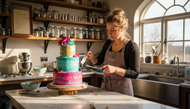
Colour Palettes for Cake Decorating in 2026 – Boost Your Bakes
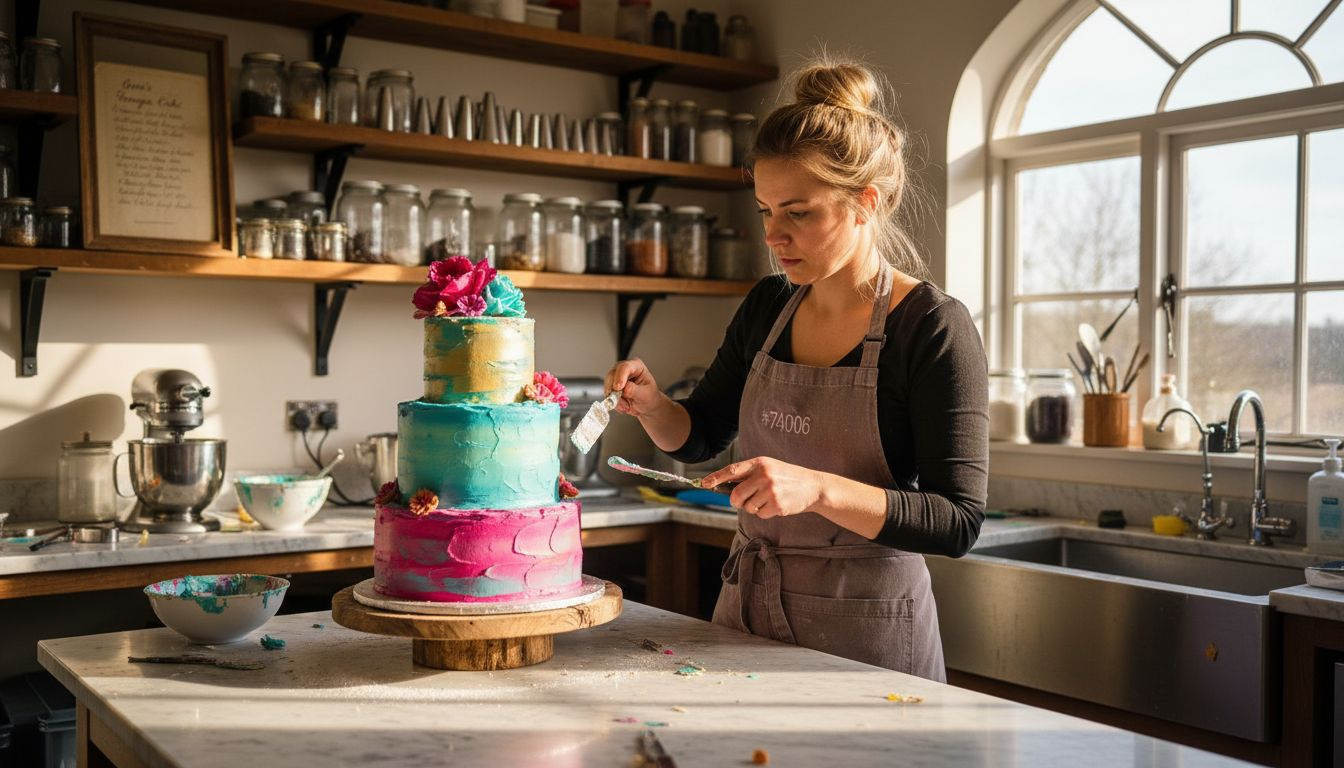
Most british cake decorators are surprised to learn that over 80 percent of customers are drawn to cakes featuring on-trend color palettes in their region. In South Wales, where creativity meets tradition, staying current with 2026’s color trends can set your designs apart and spark local interest. Discover how the right color choices can transform your cakes into modern showstoppers that reflect both british flair and the evolving tastes of your community.
Table of Contents
- Defining Cake Colour Palettes For 2026
- Key Colour Trends In UK Baking
- Popular Palettes: Seasonal And Event Styles
- Choosing Colours That Appeal Locally
- Mistakes To Avoid When Selecting Palettes
Key Takeaways
| Point | Details |
|---|---|
| Embrace Bold Palettes | In 2026, cake decorators are moving towards vibrant and complex colour schemes that go beyond pastels, reflecting individual creativity and sophistication. |
| Seasonally Inspired Designs | Cake colour trends are becoming narratives, with seasonal palettes evoking emotions and celebrating contemporary aesthetics. |
| Cultural Sensitivity in Colour Choices | Understanding local cultural preferences is essential for creating resonant cake designs that reflect regional identities. |
| Avoid Common Mistakes | Careful consideration of colour relationships and psychological impacts is crucial to avoid disjointed and inappropriate designs. |
Defining Cake Colour Palettes for 2026
The world of cake decorating is experiencing a vibrant transformation in 2026, moving far beyond traditional pastel colour schemes. Emerging colour trends are redefining creative expression through bold, saturated tones that challenge conventional design expectations. Cake decorators in South Wales and across the United Kingdom are now embracing more dynamic and complex colour palettes that communicate emotion and artistic sophistication.
This year’s colour landscape introduces rich, multi-dimensional schemes that blend unexpected combinations. Deep emerald greens might interplay with burnished copper tones, while soft lavender could unexpectedly complement electric blue accents. These palettes are not merely about visual appeal but about telling a story through colour - each cake becoming a canvas that speaks to individual creativity and contemporary design sensibilities.
The shift towards more experimental colour choices reflects broader artistic trends in visual design. Cake decorators are now treating their creations as art pieces, using professional colour dust techniques to create nuanced, textured finishes that go beyond simple food colouring applications. The emphasis is on creating depth, layering different shades, and using colour to create visual intrigue that captures attention and sparks conversation.
Pro tip: Experiment with unexpected colour pairings by first creating a digital mood board to visualise how different tones might interact before committing to your cake design.
Key Colour Trends in UK Baking
The United Kingdom’s baking scene in 2026 is experiencing a remarkable colour revolution, with professional and home bakers alike embracing innovative palette strategies. Emerging baking trends are transforming traditional design expectations, pushing beyond conventional colour limitations and introducing more adventurous visual narratives on baked canvases.
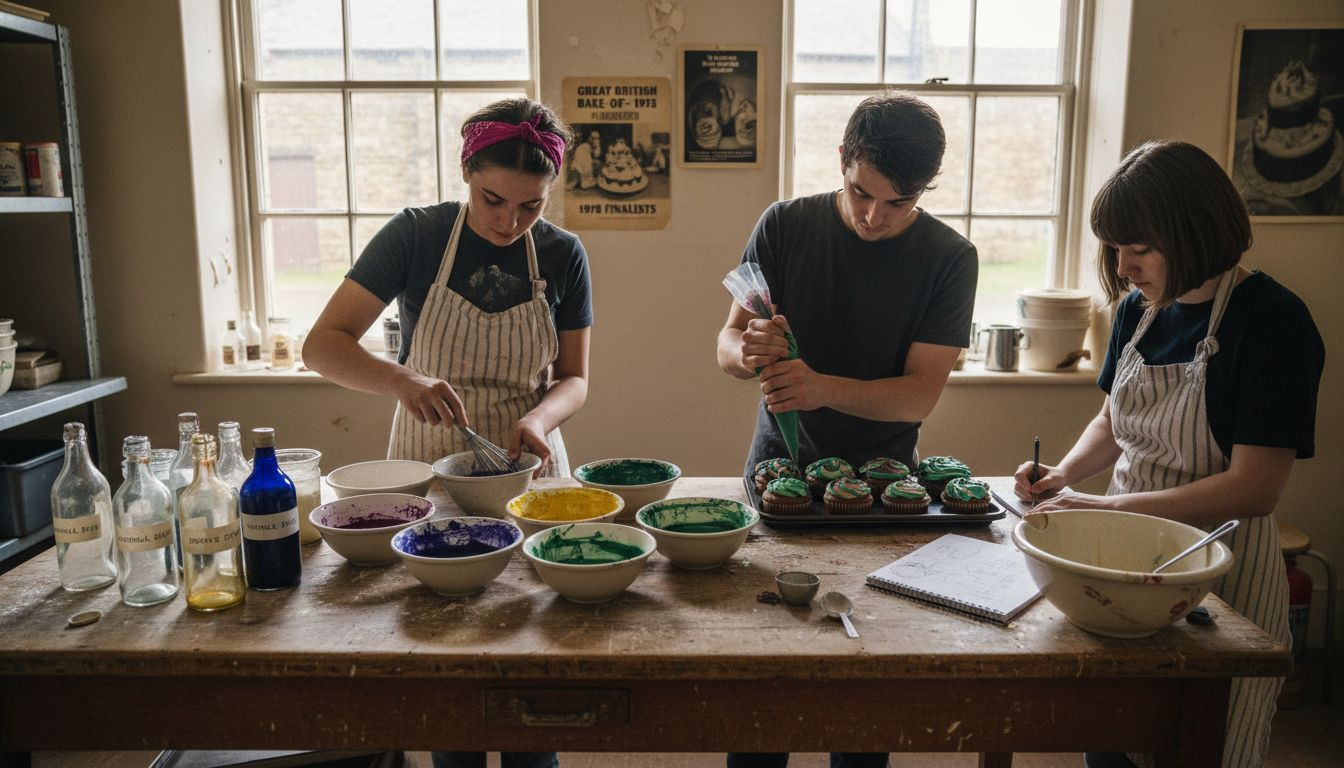
In contemporary UK baking, colour trends are increasingly influenced by global design movements, artistic expression, and cultural storytelling. Bakers are no longer constrained by predictable colour combinations but are exploring nuanced palettes that reflect complex emotional landscapes. Muted sage greens might be paired with terracotta oranges, while soft blush pinks could dramatically contrast with deep midnight blues, creating visual compositions that are as much about artistic statement as culinary craft.
These evolving colour trends also reflect broader societal shifts, with food colouring techniques becoming more sophisticated and intentional. Professional cake decorators are treating their creations as three-dimensional art pieces, carefully selecting colour ranges that communicate mood, occasion, and personal narrative. The emphasis has shifted from mere aesthetic pleasure to creating immersive sensory experiences that engage viewers before they even taste the cake.
Pro tip: Invest in a professional colour wheel and practice creating unexpected colour harmonies that challenge traditional baking palette expectations.
Popular Palettes: Seasonal and Event Styles
In 2026, cake colour palettes have evolved into sophisticated storytelling mechanisms that capture the essence of seasonal transitions and celebratory moments. Seasonal colour trends are intricately mapping emotional landscapes through carefully curated hues, transforming cake design from mere decoration to narrative expression.
Spring and summer collections embrace an optimistic palette featuring Solar Bloom, Ocean Mist, and Meadow Green - colours that radiate natural vibrancy and renewal. Wedding cakes, in particular, are moving beyond traditional white, incorporating soft blush tones, sage greens, and delicate lavender shades that reflect contemporary romantic aesthetics. These palettes capture the nuanced emotional textures of modern celebrations, allowing couples to express their unique love stories through colour.
Autumn and winter palettes take a dramatically different approach, drawing inspiration from rich cultural and meteorological influences. Deep crimsons, galactic blues, and solar clay tones dominate festive cake designs, creating visual narratives that speak to resilience, sophistication, and the profound depth of seasonal transitions. Event-specific colour stories emerge, with holiday cakes featuring complex, layered colour schemes that evoke warmth, nostalgia, and contemporary design sensibilities.
Here is a summary of seasonal and event-inspired cake colour palettes for 2026:
| Season/Event | Primary Colour Tones | Typical Mood Evoked |
|---|---|---|
| Spring & Summer | Solar Bloom, Ocean Mist, Meadow Green | Uplifting and fresh |
| Weddings | Soft blush, Sage green, Lavender | Romantic and modern |
| Autumn & Winter | Deep crimson, Galactic blue, Solar clay | Warm, nostalgic, rich |
| Holidays/Events | Layered and complex blends | Sophisticated and festive |
Pro tip: Create a seasonal colour mood board to experiment with unexpected colour combinations that tell a compelling visual story through your cake designs.
Choosing Colours That Appeal Locally
Cake decorators in South Wales and across the United Kingdom must understand that colour selection is far more than aesthetic choice - it’s a nuanced conversation with local cultural preferences and regional sensibilities. Professional food colouring techniques play a critical role in translating these regional colour narratives into compelling cake designs that resonate with local audiences.
In regions like South Wales, where industrial heritage meets contemporary creativity, colour palettes often reflect a unique blend of traditional and modern influences. Soft slate greys reminiscent of local stone quarries might be paired with vibrant emerald greens representing the lush Welsh landscapes. Coastal communities might gravitate towards oceanic blues and sandy neutrals, while urban centres could prefer more experimental, bold colour combinations that speak to a progressive, dynamic cultural identity.
Understanding local aesthetic preferences requires deep cultural observation and sensitivity. Wedding cakes in rural Welsh communities might favour earthy, organic colour schemes that connect to agricultural traditions, whereas urban celebrations might demand more cosmopolitan, sophisticated colour stories. Seasonal variations also play a significant role - autumn wedding cakes in the Welsh valleys might incorporate rich burgundies and copper tones that echo the changing landscape, creating a colour narrative that feels intimately connected to place and moment.
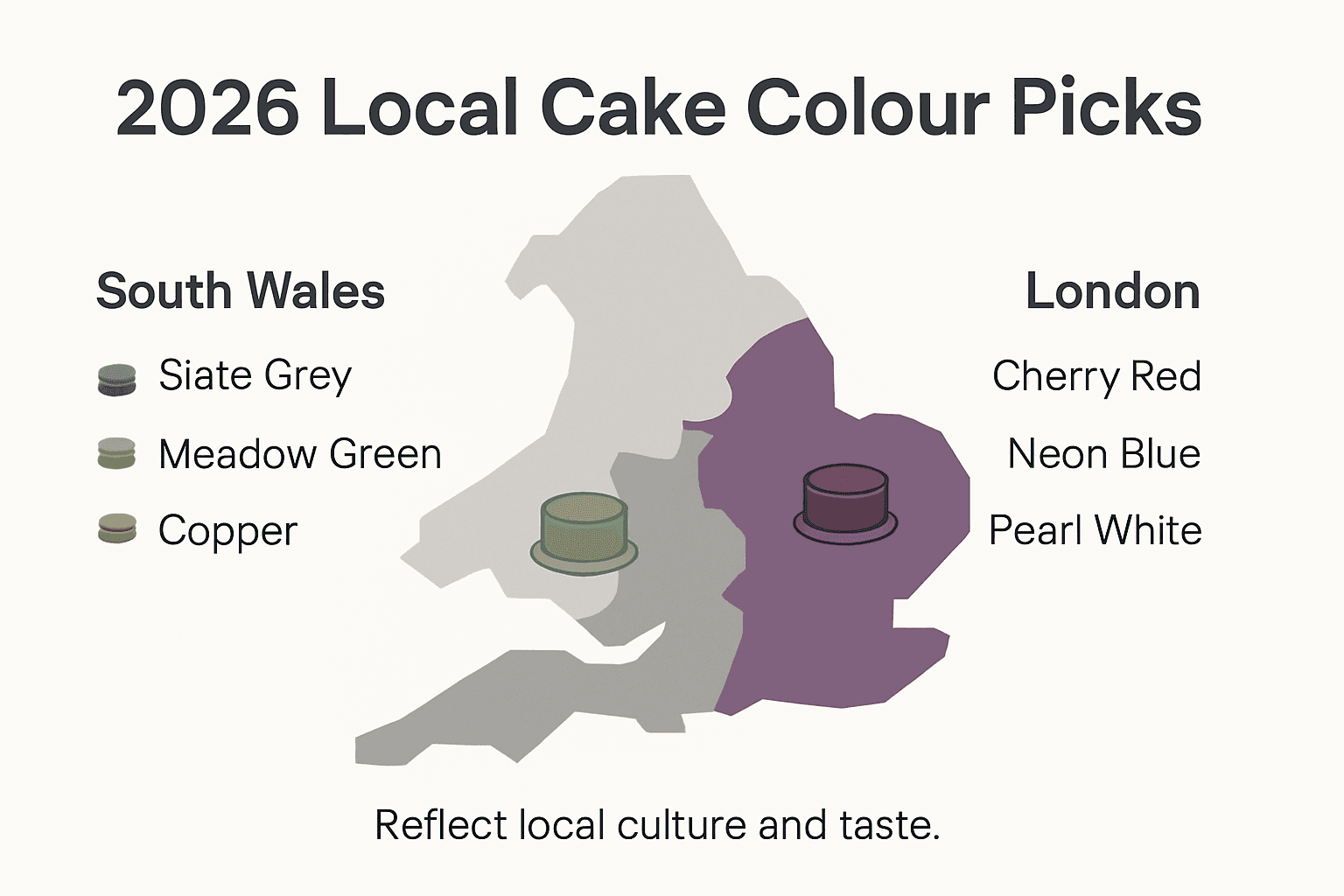
The following table compares regional cake colour preferences across the United Kingdom:
| Region | Preferred Tones | Influential Factors |
|---|---|---|
| South Wales | Slate grey, Emerald green | Industrial heritage, local nature |
| Coastal Areas | Oceanic blue, Sandy neutral | Maritime culture, seascapes |
| Urban Centres | Bold, experimental combinations | Contemporary trends, diversity |
| Rural Communities | Earthy, organic shades | Agricultural tradition, landscape |
Pro tip: Conduct local market research by attending regional events and studying community design preferences to develop colour palettes that authentically reflect your local cultural context.
Mistakes to Avoid When Selecting Palettes
Navigating colour selection for cake decorating requires nuanced understanding and strategic approach, with certain critical mistakes potentially undermining the entire visual narrative. Professional food colouring techniques demand careful consideration to avoid common pitfalls that can diminish a cake’s aesthetic impact.
One fundamental error is colour clashing, where decorators randomly combine hues without understanding their underlying relationships. Amateur bakers often select colours based on personal preference rather than considering complementary colour theory, resulting in visually jarring designs that feel disjointed and unprofessional. Understanding colour wheel principles becomes crucial - warm and cool tones must be deliberately balanced, with careful attention to saturation, undertones, and contextual appropriateness for specific events and venues.
Another significant mistake involves neglecting the psychological impact of colour choices. Different hues evoke distinct emotional responses, and cake decorators must be attuned to these subtle nuances. Overly intense or inappropriate colour selections can create unintended emotional dissonance - a wedding cake featuring aggressive, industrial tones might feel uncomfortable, while a children’s birthday cake with muted, subdued colours could appear disappointingly bland. Successful colour palettes require sophisticated understanding of cultural context, event mood, and audience expectations.
Pro tip: Create digital mockups of your colour palette before committing to final cake design, allowing you to experiment and refine combinations without wasting expensive ingredients.
Elevate Your 2026 Cake Colour Creations with The Vanilla Valley
Transforming your cake decorating colour palettes for 2026 requires more than inspiration – it demands the right supplies to bring bold, sophisticated shades to life. Whether you are experimenting with deep emerald greens, burnished copper, or layered complex blends, mastering professional food colouring techniques and achieving perfect finishes can be a challenge. At The Vanilla Valley, we understand the importance of selecting premium colour dusts, food colours, and decorating tools to avoid common pitfalls like colour clashing and to create cakes that truly captivate.
Don’t let your artistic vision be limited by your materials. Explore our extensive range of cake decorating supplies including quality food colours, edible decorations, and essential baking accessories designed to help you craft the perfect seasonal or event-themed palette. Join thousands of bakers across the United Kingdom who trust The Vanilla Valley for expert advice, competitive prices, and fast delivery. Step up your cake decorating game today by visiting our website and discovering how our products can inspire your next masterpiece.
Frequently Asked Questions
What are the current colour trends for cake decorating in 2026?
The colour trends for cake decorating in 2026 feature bold, saturated tones that blend unexpected combinations like deep emerald greens with burnished copper and soft lavender with electric blue. These palettes reflect artistic sophistication and emotional storytelling.
How can I create a unique colour palette for my cakes?
To create a unique colour palette, consider using a digital mood board to visualise how different tones interact. Experiment with unexpected pairings and refer to a professional colour wheel to ensure harmony and balance in your palette.
What are the common mistakes to avoid when selecting cake colours?
Common mistakes include colour clashing and neglecting the psychological impact of colour choices. It’s essential to understand complementary colour theory and how colours may evoke different emotions based on the context of the event.
How do seasonal events influence cake colour choices?
Seasonal events influence cake colours by incorporating palettes that evoke specific moods. For example, spring and summer may use uplifting colours like Solar Bloom and Ocean Mist, while autumn and winter might feature rich tones such as deep crimson and galactic blue, reflecting the emotional landscapes of the seasons.