
How to Store Sugarpaste for Freshness and Easy Use
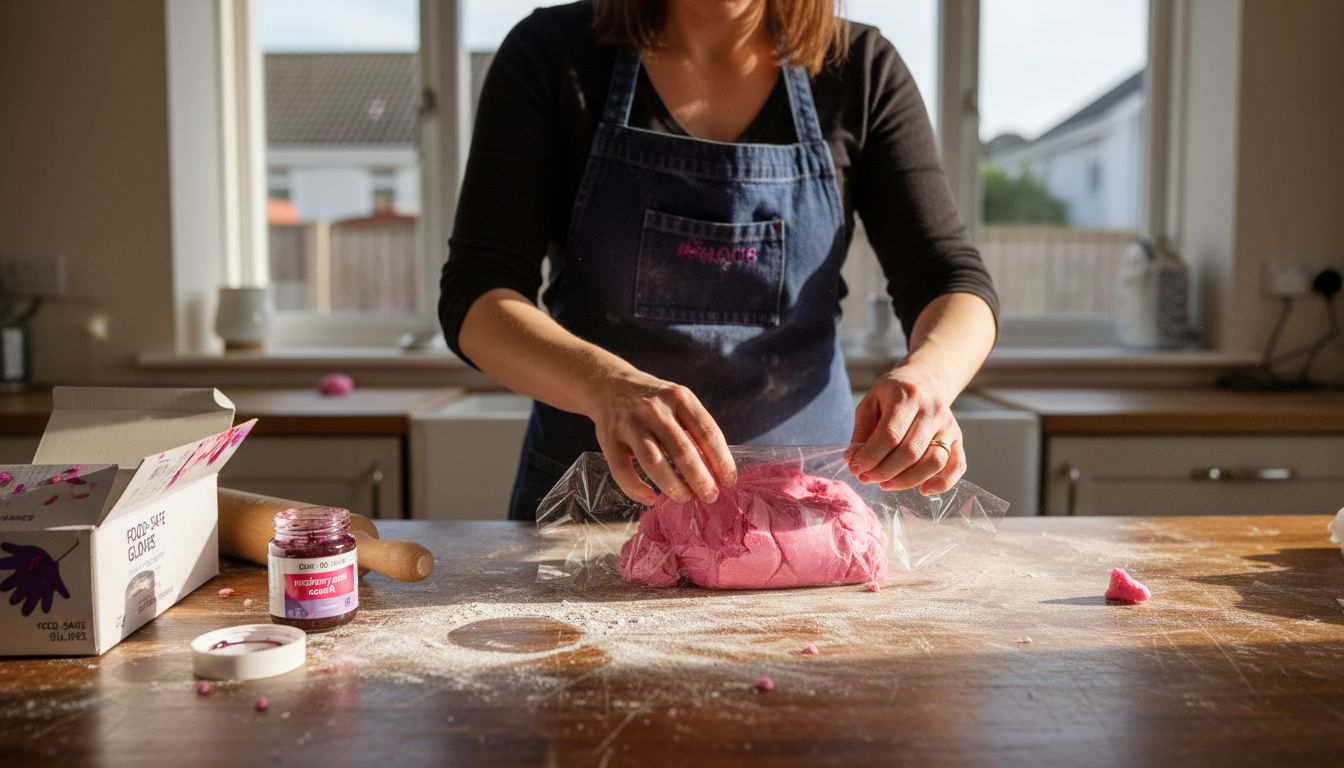
Nearly half of british home bakers say they struggle to keep sugarpaste fresh and workable between projects. For those in South Wales balancing seasonal weather and busy kitchens, proper sugarpaste storage is essential for smooth decorating and less waste. This guide gives practical steps to help you preserve sugarpaste longer, so every cake is vibrant and every batch stays flexible for your next creative challenge.
Table of Contents
- Step 1: Prepare Sugarpaste For Optimal Storage
- Step 2: Seal Sugarpaste To Lock In Moisture
- Step 3: Choose The Best Environment For Storage
- Step 4: Test Sugarpaste Before Reusing
Quick Summary
| Essential Insight | Explanation |
|---|---|
| 1. Knead sugarpaste for consistency | Thoroughly knead to create a smooth, uniform texture, ensuring it’s pliable and ready to use. |
| 2. Seal properly to retain moisture | Wrap tightly in cling film, then place in an airtight container to prevent drying and maintain texture. |
| 3. Store in a cool, dry location | Keep sugarpaste away from sunlight and heat sources to extend its shelf life and preserve quality. |
| 4. Test before reuse | Assess texture and flexibility before use, kneading and adding glycerin if needed to restore quality. |
| 5. Label storage and track freshness | Use labels for different batches, noting dates and colours to ensure optimal use and organisation. |
Step 1: Prepare sugarpaste for optimal storage
Preparing your sugarpaste correctly ensures it remains fresh, pliable, and ready for your next cake decorating adventure. When stored properly, sugarpaste can maintain its quality and be easily used for weeks or even months.
Begin by thoroughly kneading your sugarpaste to achieve a smooth, consistent texture. Carefully mixing ingredients like glycerin helps maintain the paste’s moisture and workability. The goal is to create a dough that is pliable and slightly sticky without being dry. This means spending a few extra minutes working the sugarpaste with clean hands, ensuring no air pockets remain and the consistency is uniform.
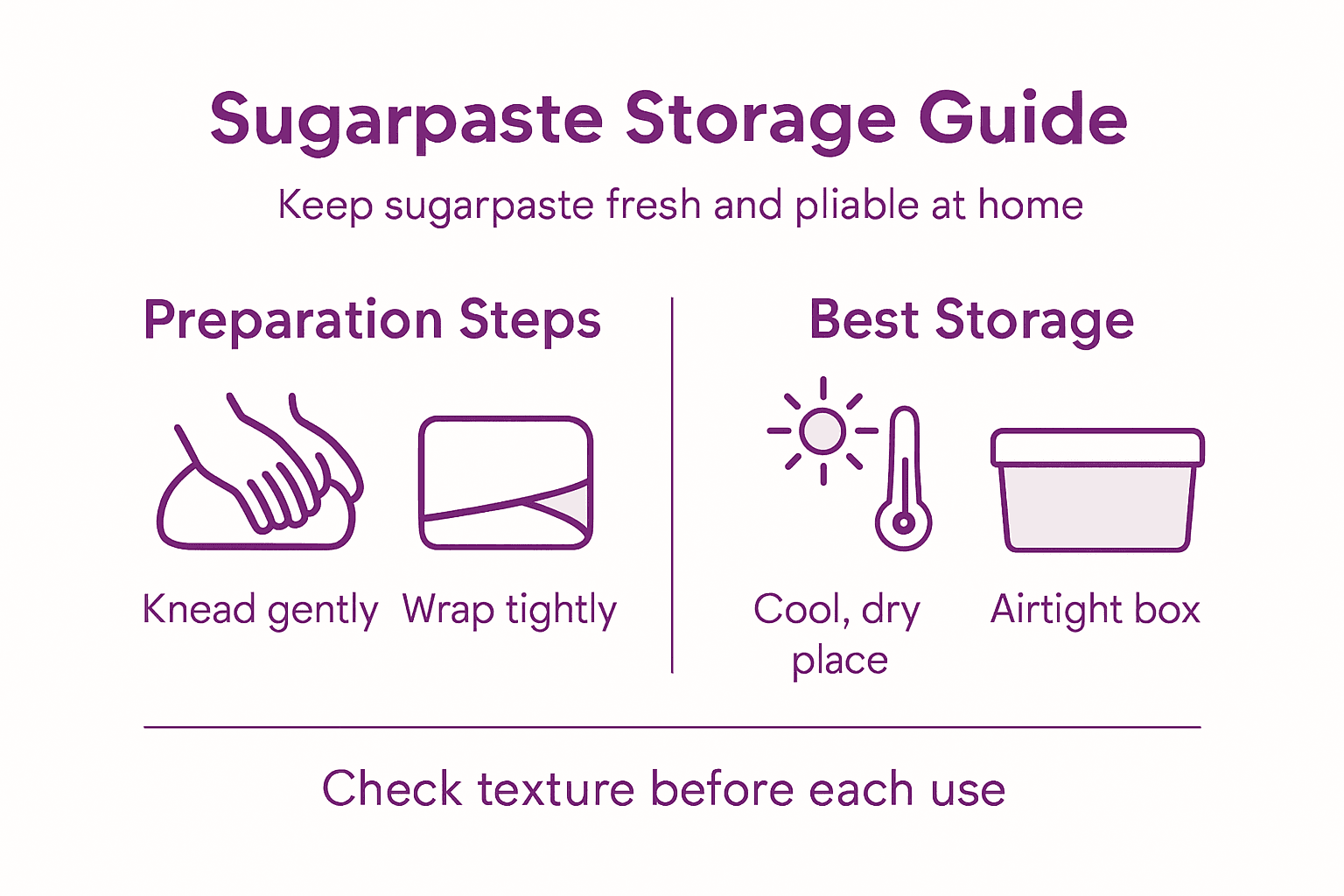
Once kneaded, wrap the sugarpaste tightly in professional food-grade cling film, removing as much air as possible to prevent drying. Place the wrapped sugarpaste in an airtight container or sealable plastic bag, which will help protect it from moisture and temperature fluctuations. Store the container in a cool, dry place away from direct sunlight and heat sources.
Expert Tip: When kneading coloured sugarpaste, wear disposable gloves to prevent staining your hands and ensure even colour distribution.
Step 2: Seal sugarpaste to lock in moisture
Sealing your sugarpaste correctly is crucial for maintaining its texture, flexibility, and overall quality during storage. Proper moisture retention techniques ensure your sugarpaste remains workable and ready for your next cake decorating project.
To seal sugarpaste effectively, start by removing any excess air that might cause drying. Lay out a sheet of professional food-grade cling film and place your prepared sugarpaste in the centre. Fold the cling film tightly around the paste, ensuring no gaps or air pockets remain. Press gently but firmly to create a complete seal that will protect the sugarpaste from moisture loss. For additional protection, place the wrapped sugarpaste into an airtight container or resealable plastic bag, which provides an extra barrier against environmental changes.
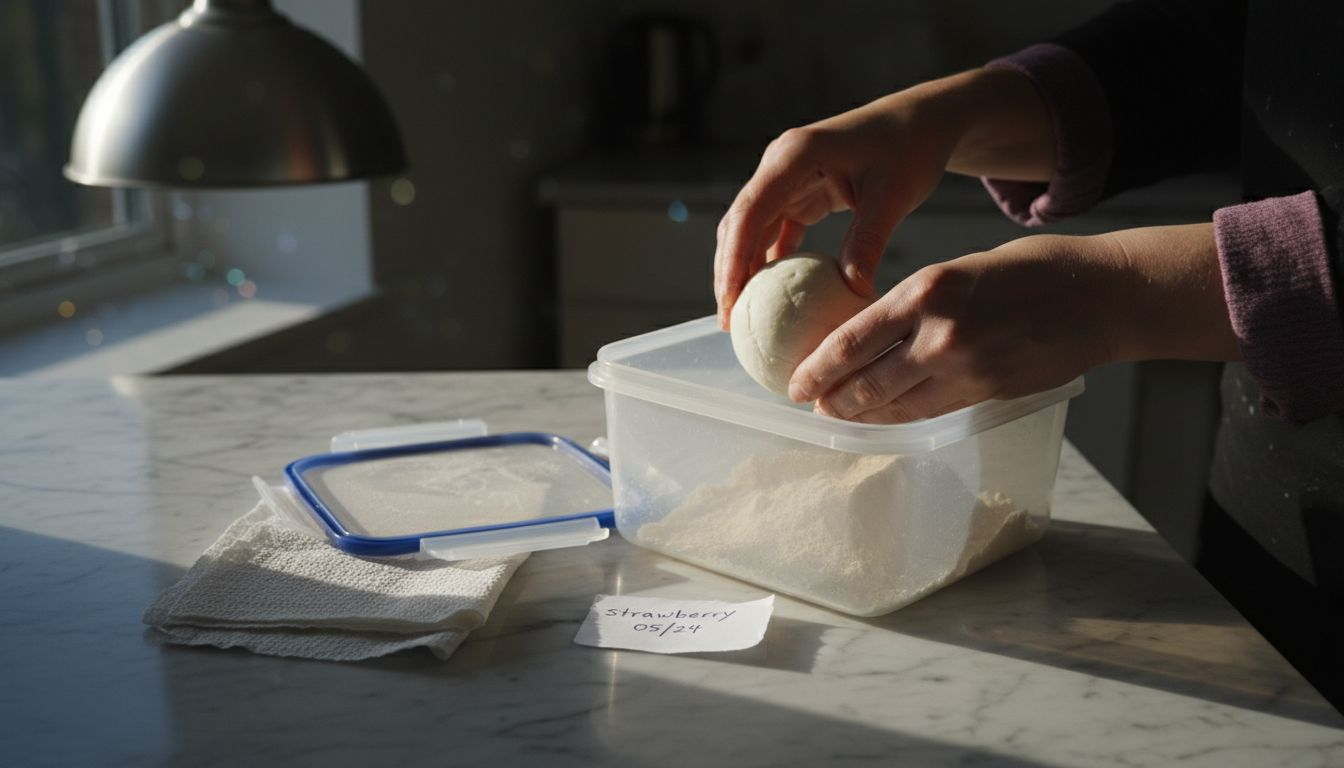
Different colours and types of sugarpaste might require slight variations in sealing technique. White or plain sugarpaste tends to dry out more quickly, so pay extra attention to creating a comprehensive seal. If you are working with multiple batches or colours, consider labelling each wrapped package with the date of preparation and colour to help you track freshness and organisation.
Expert Tip: Store your sealed sugarpaste in the coolest part of your kitchen away from direct sunlight or heat sources to maximise its shelf life and maintain optimal texture.
Step 3: Choose the best environment for storage
Selecting the right storage environment is crucial for maintaining your sugarpaste’s quality and extending its usable life. Storage conditions significantly impact sugarpaste preservation, making it essential to understand the ideal environment for keeping your decorating materials in top shape.
The perfect storage location is a cool, stable area away from direct sunlight and heat sources. Your kitchen cupboard or pantry typically offers an ideal spot, providing consistent room temperature and protection from environmental fluctuations. Avoid storing sugarpaste near ovens, radiators, or windows where temperature changes can quickly degrade its texture. Humidity is another critical factor to consider. A dry environment prevents your sugarpaste from becoming sticky or developing unwanted moisture, which can compromise its quality and make it challenging to work with.
While it might be tempting to refrigerate your sugarpaste, this is not recommended. Refrigeration introduces moisture and temperature variations that can damage the paste’s delicate composition. Instead, focus on finding a consistent, cool space where temperatures remain relatively stable. If you live in a particularly warm region, consider using a dedicated storage container with a tight seal in the coolest part of your kitchen, ensuring your sugarpaste remains in prime condition for your next cake decorating project.
This table summarises recommended storage conditions for sugarpaste:
| Storage Factor | Suggested Practice | Reason for Recommendation |
|---|---|---|
| Temperature | 18-22°C, stable environment | Prevents texture and colour loss |
| Humidity | Low, dry location | Avoids stickiness and condensation |
| Light Exposure | Store away from sunlight | Prevents fading and hardening |
| Container Type | Airtight, food-grade material | Protects from drying and odours |
Expert Tip: Invest in an inexpensive kitchen thermometer to monitor the storage area and ensure a consistent temperature between 18 to 22 degrees Celsius.
Step 4: Test sugarpaste before reusing
Before diving into your cake decorating project, it is crucial to carefully assess your stored sugarpaste to ensure it remains in perfect working condition. Testing sugarpaste texture ensures successful decorating, preventing potential disasters during your creative process.
Begin by removing a small portion of the sugarpaste and thoroughly kneading it with clean hands. Pay close attention to its flexibility and overall feel. A good sugarpaste should feel smooth and pliable, with no signs of cracking or excessive dryness. If the paste feels slightly firm, gently work it by kneading and stretching. Should you encounter resistance or notice the paste crumbling, you can often rescue it by incorporating a tiny amount of vegetable shortening or glycerin to restore its moisture and elasticity.
Color and consistency are additional indicators of sugarpaste quality. Check for any discolouration, unusual spots, or changes in the original shade that might suggest the paste has degraded. When kneading, the sugarpaste should maintain a uniform colour and texture without any lumps or uneven areas. If the paste appears significantly different from its original state or has an unusual smell, it is safer to discard it and use fresh sugarpaste to guarantee the best results for your cake decorating project.
Here’s a quick reference to common sugarpaste problems and effective solutions:
| Issue Detected | Likely Cause | How to Fix |
|---|---|---|
| Sugarpaste is dry | Exposure to air | Add a touch of glycerin |
| Texture is too firm | Insufficient kneading | Knead longer with clean hands |
| Sugarpaste is sticky | Excess moisture or humidity | Lightly dust with icing sugar |
| Colour is uneven | Poor mixing of colour | Knead until colour blends fully |
| Paste crumbles | Storage temperature too low | Warm slightly, add shortening |
Expert Tip: Always test a small amount of sugarpaste before committing to your entire decorating project to avoid potential disappointment.
Keep Your Sugarpaste Fresh with Trusted Tools and Supplies
Storing sugarpaste properly can be challenging when you want to maintain its perfect texture and vibrant colour for your cake decorating projects. This article highlights the importance of kneading, sealing, and creating the ideal environment to prevent dryness and stickiness. If you aim to keep your sugarpaste smooth and pliable while avoiding cracking or crumbling, having the right supplies makes all the difference.

Discover a wide range of quality cake decorating essentials at The Vanilla Valley where you can find everything from professional cling film and airtight containers to glycerin and vegetable shortening. Benefit from special offers, free next day delivery, and trusted brands that help you preserve your sugarpaste’s freshness effortlessly. Start your order today and enjoy flawless decorations tomorrow by visiting our online store. Make sure your sugarpaste stays as perfect as your cakes with us supporting your every bake.
Frequently Asked Questions
How can I prepare sugarpaste for optimal storage?
To prepare sugarpaste for optimal storage, knead it thoroughly until it’s smooth and consistent. Wrap it tightly in professional food-grade cling film, ensuring all air is removed, and place it in an airtight container or resealable plastic bag.
What is the best way to seal sugarpaste to lock in moisture?
To seal sugarpaste effectively, lay it on a sheet of cling film, fold it tightly without air pockets, and ensure a complete seal. For added protection, place the wrapped sugarpaste into an airtight container or resealable bag.
Where should I store sugarpaste to maintain its freshness?
Store sugarpaste in a cool, dry place away from direct sunlight and heat sources to maintain its freshness. Ideal storage locations include kitchen cupboards or pantries where temperatures are stable and humidity is low.
How can I test stored sugarpaste before reusing it?
To test stored sugarpaste, remove a small portion and knead it to assess its flexibility and texture. If it feels firm or dry, knead it further or add a tiny amount of vegetable shortening or glycerin to restore its moisture and elasticity.
How do I prevent sugarpaste from becoming sticky during storage?
Prevent sugarpaste from becoming sticky by storing it in a low-humidity environment and sealing it properly in an airtight container. Lightly dust it with icing sugar before sealing if you notice it’s becoming tacky, which can help absorb excess moisture.