
How to Transport Cake Safely: Step-by-Step Guide for Bakers
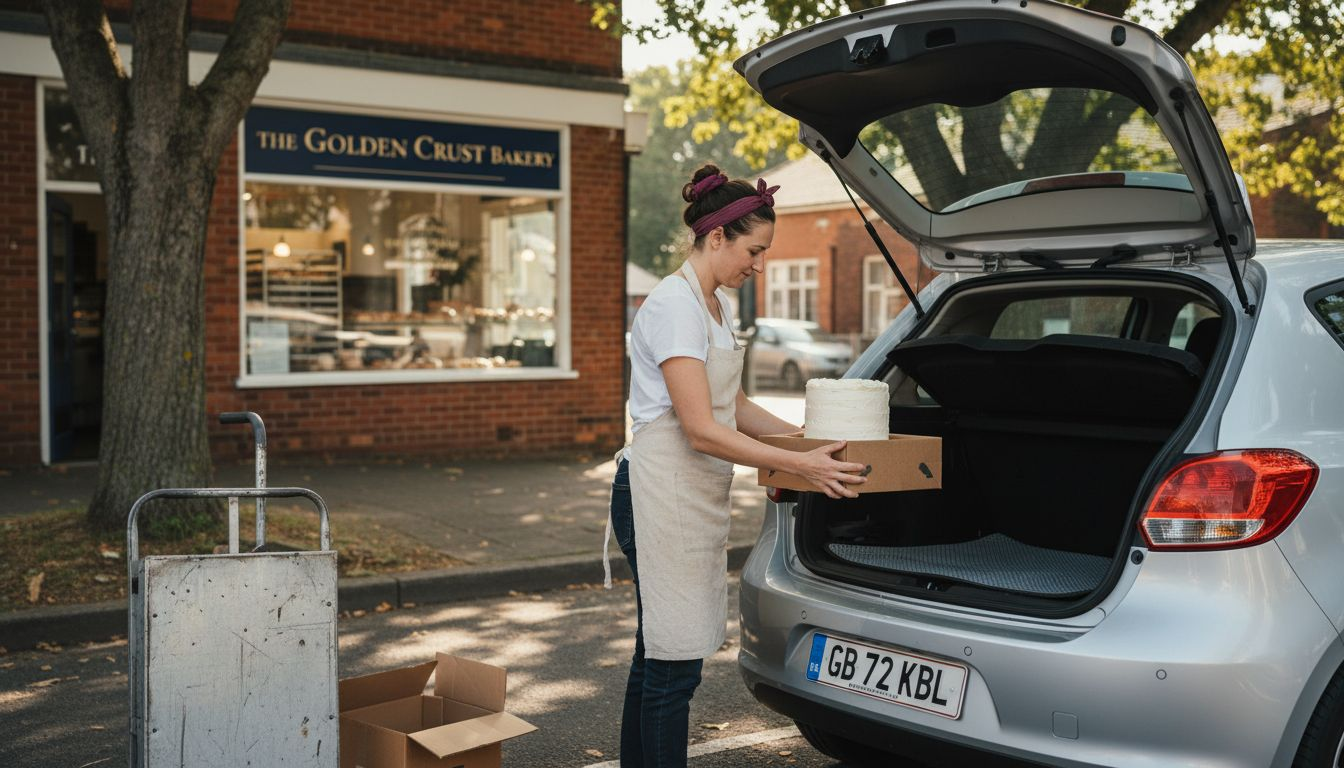
Transporting a beautifully decorated cake across British roads brings its own set of unique challenges. Even a minor bump can lead to disaster if your dessert is not properly secured, and more than 60 percent of home bakers have experienced cake mishaps during transport. This guide breaks down practical, step by step techniques for building a sturdy cake structure, packaging it securely, and choosing the safest spot in your vehicle so your masterpiece arrives looking just as stunning as when you finished decorating.
Table of Contents
- Step 1: Prepare and Secure Your Cake Structure
- Step 2: Select and Pack with Sturdy Cake Boxes
- Step 3: Arrange Cakes Flat in the Car Boot
- Step 4: Cool the Vehicle and Avoid Footwells or Laps
- Step 5: Drive Slowly and Check the Cake on Arrival
Quick Summary
| Important Insight | Explanation |
|---|---|
| 1. Build a strong cake structure | Use dowel rods for support, ensuring layers are perfectly aligned for stability during transport. |
| 2. Choose sturdy cake packaging | Select a box that fits snugly around the cake to provide maximum protection without allowing movement. |
| 3. Secure cakes properly in the vehicle | Place the cake on a flat surface in the boot using non-slip mats to prevent sliding during transit. |
| 4. Maintain a cool environment | Use air conditioning or cool boxes to keep cakes at the right temperature and prevent spoilage. |
| 5. Drive carefully and check after arrival | Smooth driving prevents cake shifting; inspect the cake upon arrival for any damage or contamination. |
Step 1: Prepare and Secure Your Cake Structure
Preparing your cake for safe transportation begins with building a strong, well-structured foundation. A stable cake requires careful construction and strategic support to prevent potential disasters during transit. Proper cake structure means using dowelling techniques to enhance stability and ensuring each layer is perfectly aligned and reinforced.
The key to successful cake transportation lies in creating a robust internal framework. Start by using food-safe dowel rods through each cake tier, cutting them precisely to support the weight above. Wooden or plastic dowels work best when inserted vertically and trimmed level with the cake’s surface. Insert dowels approximately 2 inches from the cake’s outer edge in a circular pattern, providing even weight distribution. This technique prevents layers from shifting or collapsing during movement.
Ensure your cake is completely cooled before attempting any structural reinforcement. Warm cakes are fragile and more likely to crumble or deform when manipulated. If possible, allow your cake to rest at room temperature for several hours after baking. Completely cooled cakes can be more effectively stored and transported, reducing the risk of structural compromise.
Professional Tip: Always test your cake’s structural integrity by gently pressing the sides and observing how the layers respond. A well-dowelled cake should feel firm and maintain its shape without wobbling or shifting.
Here is a comparison of common cake dowelling methods:
| Dowelling Method | Materials Used | Best For | Potential Drawback |
|---|---|---|---|
| Wooden Dowels | Food-grade wooden rods | Heavy, multi-tiered cakes | May absorb cake moisture |
| Plastic Dowels | Durable plastic supports | Lightweight decorated cakes | Can flex under high weight |
| Bubble Tea Straws | Thick plastic straws | Smaller, single-tier cakes | Less strong than dowels |
Step 2: Select and Pack with Sturdy Cake Boxes
Transporting a cake requires selecting the right protective packaging to ensure its safe arrival. Your goal is to choose a box that provides maximum protection while keeping the cake’s design and structural integrity intact. Selecting sturdy and protective packaging is crucial for preventing damage during transportation.
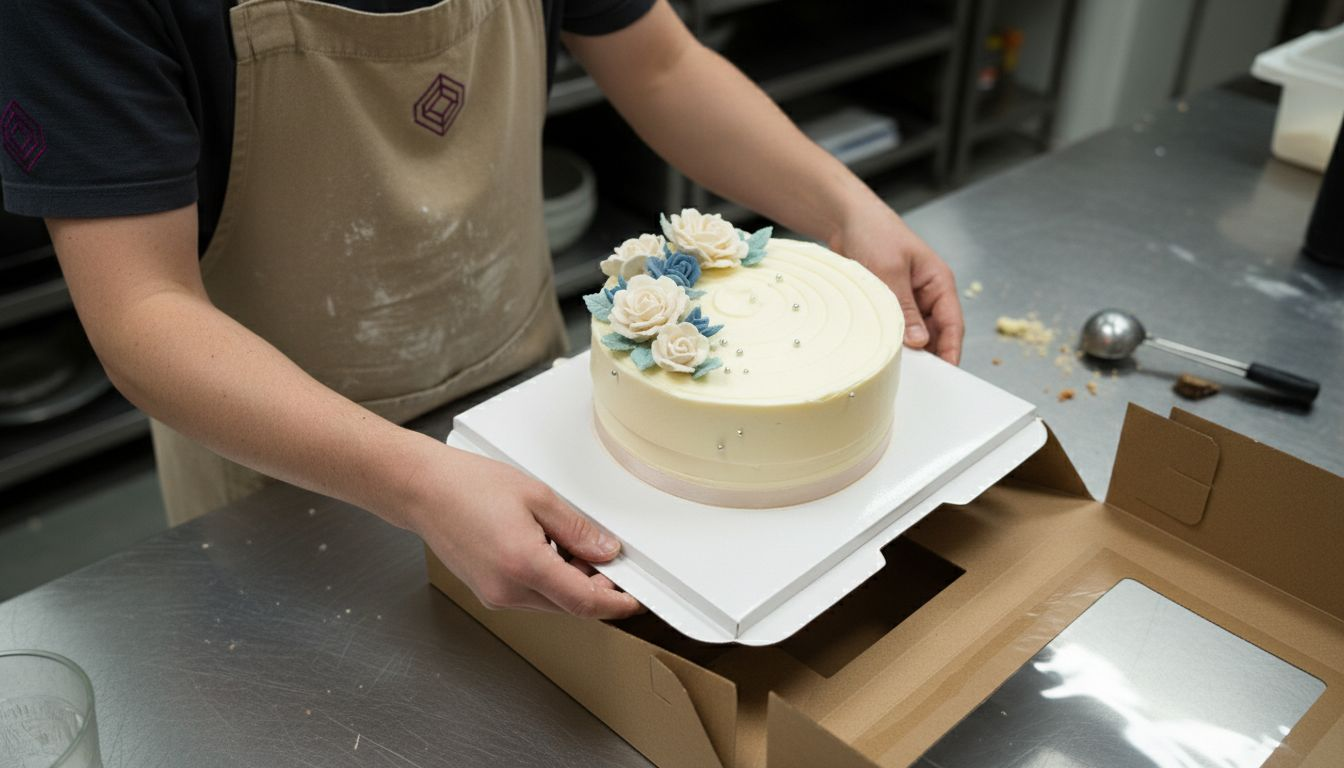
When choosing a cake box, consider the size and shape of your cake carefully. The box should provide just enough space to accommodate the cake without allowing excessive movement. Invest in a cake carrier with strong handles and secure closure to maintain stability during transit. Look for boxes with non slip bases and potentially adjustable internal supports that can help keep your cake level and prevent sliding.
Before placing your cake in the box, consider using a non stick cake board as a base for additional support. Measure your cake precisely and select a box that provides approximately half an inch of extra space around the edges. This small buffer prevents the cake from touching the box sides while still maintaining a snug fit. For tiered cakes, consider specialised boxes with separate compartments or removable dividers that can keep each layer protected and prevent potential structural damage.
Professional Tip: Always do a practice run by placing your cake in the box before actual transportation to confirm a perfect fit and identify any potential movement issues.
Step 3: Arrange Cakes Flat in the Car Boot
Preparing to transport your carefully crafted cake requires strategic placement within your vehicle to prevent potential damage. The boot of your car offers the most stable environment for cake transportation, provided you follow specific guidelines for secure placement. Protecting your cake from contamination and movement should be your primary concern during transit.
Position the cake box on a completely flat surface in the boot, ensuring it sits level and cannot slide around during your journey. Use non slip mats or grippy surfaces underneath the cake box to prevent unwanted movement. If you are transporting multiple cakes, create individual stable zones using sturdy boxes or containers that can act as barriers. Avoid placing the cake near any items that might shift during driving such as shopping bags, sports equipment, or luggage.
Temperature control is crucial when transporting cakes. Ensure your car boot is cool and well ventilated before loading the cake. Transport cakes in covered containers to prevent potential contamination from external elements like dust or pet hair. If possible, turn on the air conditioning slightly before placing the cake to create a consistent cool environment that will help maintain the cake’s structural integrity.
Professional Tip: Always drive smoothly and anticipate potential bumps or turns that might cause the cake to shift, maintaining a gentle and steady driving style to protect your precious cargo.
Step 4: Cool the Vehicle and Avoid Footwells or Laps
Transporting a delicate cake requires careful temperature management and strategic placement within your vehicle. Your primary goal is to maintain a consistent cool environment that protects the cake’s structural integrity and prevents potential spoilage. Monitoring cake temperatures during transit is crucial for preventing bacterial growth, especially for cakes containing high-risk ingredients like fresh cream.
Never place your cake in the vehicle’s footwell or on someone’s lap. These locations expose the cake to unpredictable movement, temperature fluctuations, and potential damage. Instead, focus on creating a stable, cool environment in the vehicle. Cool the car interior before loading the cake by running the air conditioning for a few minutes. If you are transporting cream-based or temperature sensitive cakes, consider using a portable cool box with ice packs to maintain temperatures at or below 8°C during transport.
Pay close attention to your driving style when transporting cakes. Accelerate and brake smoothly, avoid sudden turns, and anticipate road conditions that might cause the cake to shift. If possible, have a passenger hold the cake box steady or ensure it is firmly secured in the boot. Choose the most level and stable surface available to minimise potential movement during your journey.
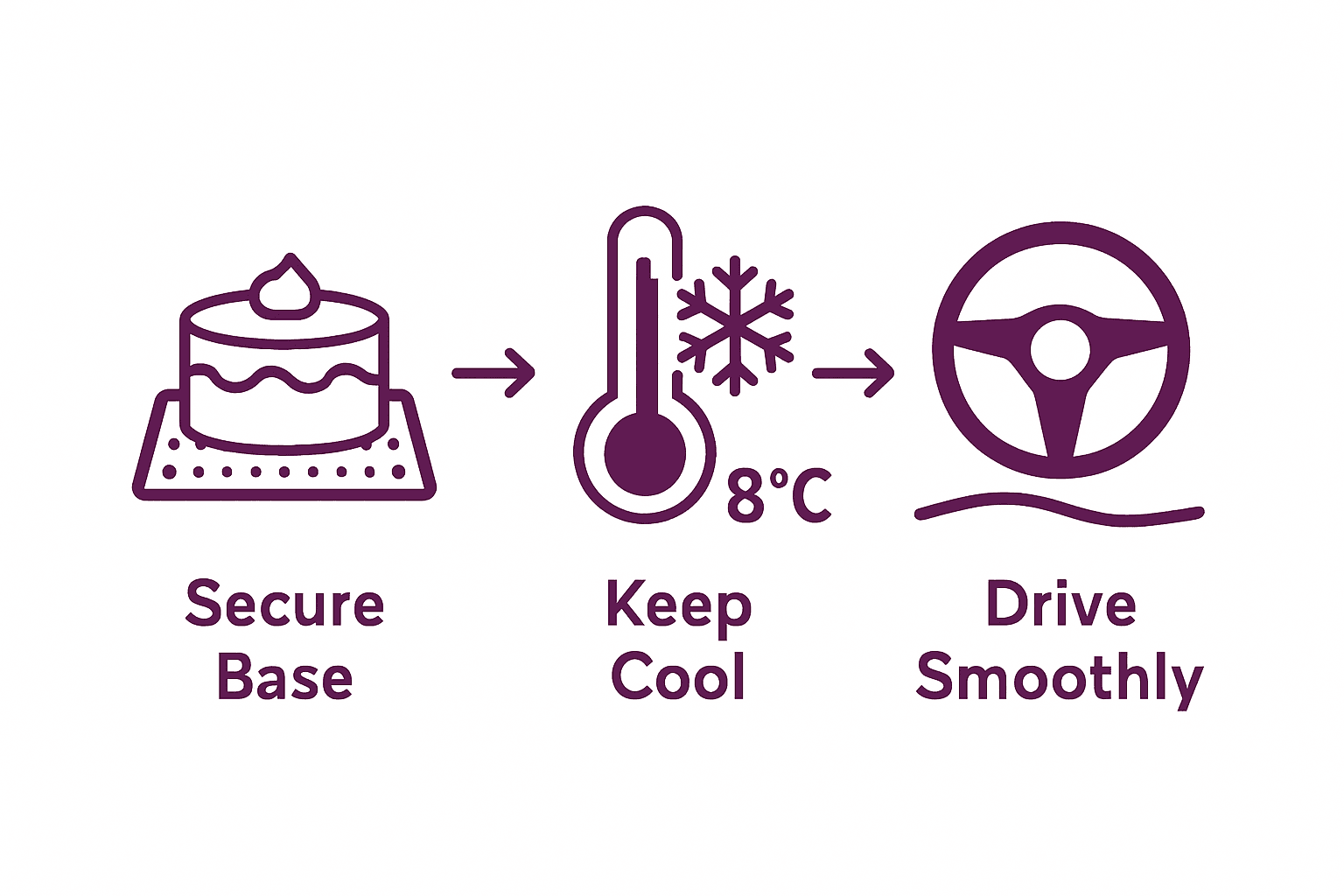
Professional Tip: Invest in a non slip mat or specialised cake carrier to provide an additional layer of stability and temperature control during cake transportation.
Below is a summary of temperature-control options for cake transportation:
| Solution | Temperature Control Level | Ideal Usage Scenario | Extra Benefit |
|---|---|---|---|
| Air-conditioned Boot | Good | Short to medium journeys | Easy to implement |
| Portable Cool Box & Ice | Excellent | Long journeys or hot weather | Maintains low, steady temp |
| Insulated Cake Carrier | Moderate | Outdoor events, mild weather | Extra physical protection |
Step 5: Drive Slowly and Check the Cake on Arrival
The final stage of cake transportation requires patience, precision, and a gentle approach to ensure your carefully prepared dessert arrives in perfect condition. Proper handling during transport helps maintain the quality and safety of cakes, making your driving technique critically important to the cake’s final presentation.
Drive with exceptional care and smoothness. Accelerate gradually, take corners slowly, and avoid sudden braking that could cause the cake to shift or become damaged. Imagine you are carrying a delicate piece of fragile glassware with every movement of the vehicle. Keep your speed consistent and anticipate road conditions that might cause unexpected jolts or movements. When you arrive at your destination, park carefully and approach the cake with the same level of caution you maintained during the journey.
Carefully remove the cake from its transportation container, checking for any potential contamination or damage during transit. Inspect the cake from multiple angles under good lighting. Look for any signs of movement such as shifted decorations, compressed areas, or slight structural changes. If the cake appears compromised, you may need to do some quick repair work using spare frosting or decorative elements you have brought along.
Professional Tip: Always keep a small emergency cake repair kit with extra frosting, a palette knife, and spare decorative elements to quickly address any minor transportation mishaps.
Ensure Your Cake Travels Safely With The Right Supplies
Transporting a cake safely demands attention to structure, packaging, and temperature control—all essential steps to avoid stress and disappointment. If you have ever worried about fragile layers shifting or decorations being damaged during transit, The Vanilla Valley has everything you need to protect your creation. From sturdy cake boards that provide a solid base to professional-grade cake boxes designed for snug, secure fits, we help you build confidence in delivering cakes that look flawless on arrival.
Take control of your cake transportation challenges today by exploring our extensive range of baking accessories and decorating supplies at The Vanilla Valley. Benefit from trusted quality products, expert advice, and special offers designed for both hobbyist and professional bakers. Get started now and experience peace of mind with every journey your cakes make by visiting our online store. Discover solutions that support every step from creation to celebration.
Frequently Asked Questions
How can I ensure my cake is stable during transport?
To ensure your cake is stable during transport, use dowelling techniques to reinforce each tier. Insert food-safe dowel rods approximately 2 inches from the outer edge, ensuring a stable internal structure.
What type of cake box should I use for transportation?
Choose a sturdy cake box that fits your cake snugly, providing about half an inch of extra space on all sides. Look for boxes with non-slip bases and secure closures to prevent any movement during transit.
How should I position my cake in the vehicle?
Position your cake box on a flat surface in the boot of your vehicle for the most stable environment. Use non-slip mats to further secure the box and avoid placing it near shifting items like bags or sports equipment.
What temperature should I maintain while transporting cakes?
Aim to keep your cake at temperatures below 8°C, especially for cream-based cakes. Use a portable cool box with ice packs if necessary to control the temperature during transport and maintain freshness.
How gently should I drive when transporting a cake?
Drive slowly and with care to avoid jolting the cake, treating the journey as if you are transporting fragile glassware. Gradually accelerate, turn slowly, and anticipate bumps to minimise any shifts in the cake’s structure.
What should I do if my cake is damaged during transport?
If your cake shows signs of damage upon arrival, inspect it closely for any shifts or compression. Use your emergency cake repair kit with extra frosting and decorative elements to quickly make any necessary adjustments.