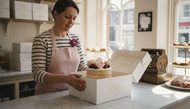
Cake Boxes: Ensuring Safe and Stylish Bakes
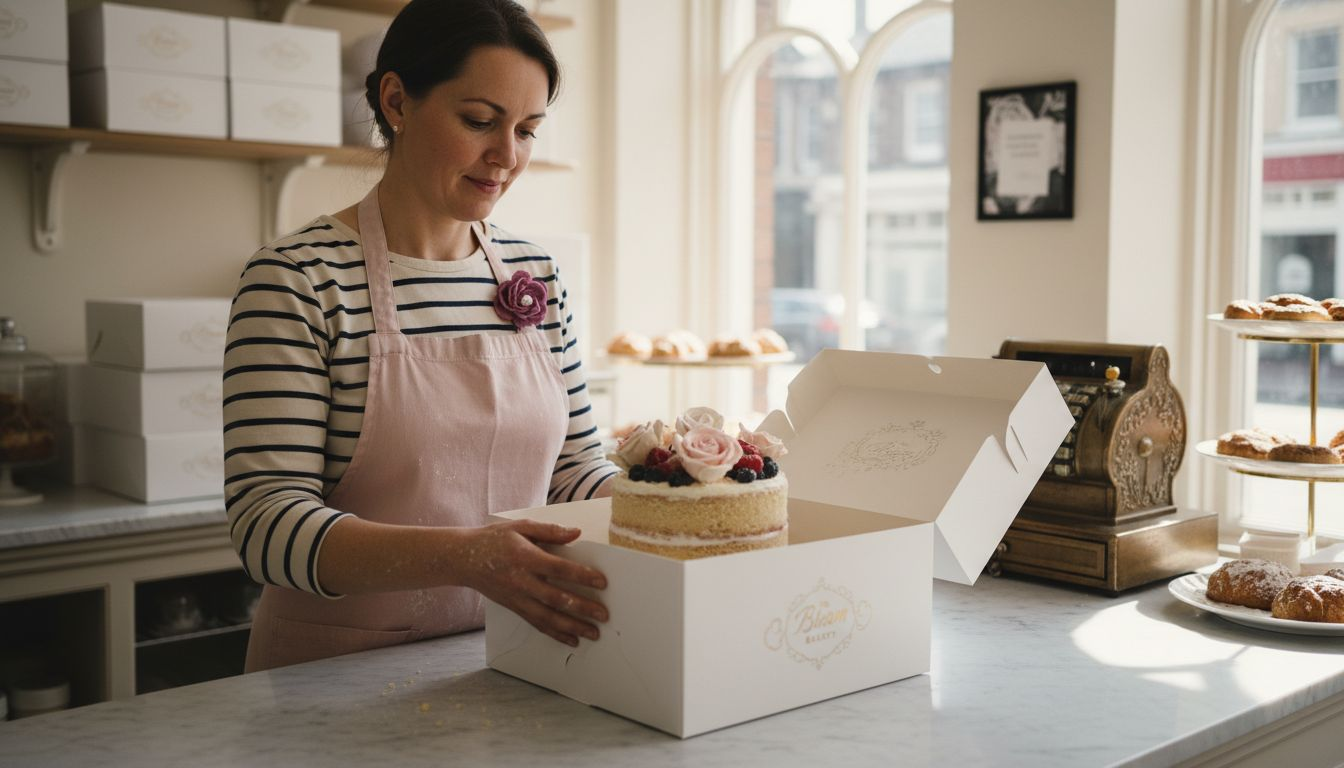
Finding the right packaging for your cakes can be a challenge when you want every bake to arrive fresh and flawless. Cake boxes do much more than just hold your creations, with UK food safety regulations requiring them to guard against contamination and protect quality. For amateur bakers and decorators across South Wales, choosing specialised cake boxes means balancing durability, hygiene, and presentation, all while meeting local standards for professional results.
Table of Contents
- What Are Cake Boxes and Their Purpose
- Types of Cake Boxes and Key Differences
- Materials and Hygienic Features Explained
- Presentation, Branding, and Professionalism
- Common Mistakes When Using Cake Boxes
Key Takeaways
| Point | Details |
|---|---|
| Importance of Cake Boxes | Cake boxes are essential for protecting, transporting, and presenting baked goods, ensuring quality and safety throughout the process. |
| Material Selection | Choose from cardboard, plastic, or biodegradable materials based on durability, visibility, and eco-friendliness for optimal cake protection. |
| Hygienic Features | Ensure cake boxes meet food safety standards to prevent contamination and preserve the integrity of the products during storage and delivery. |
| Branding Opportunities | Utilising design elements like logos and compliance labels transforms cake boxes into effective tools for brand recognition and consumer trust. |
What Are Cake Boxes and Their Purpose
Cake boxes are specialised packaging solutions designed to protect, transport, and present baked goods safely and professionally. These containers play a crucial role in maintaining the integrity of cakes during handling, storage, and delivery, especially for amateur bakers and small-scale cake decorators across South Wales.
The primary purposes of cake boxes extend far beyond simple containment. Food packaging regulations mandate that these containers must prevent contamination, protect product quality, and ensure consumer safety. Modern cake boxes serve multiple essential functions:
- Protecting delicate cake structures from physical damage
- Maintaining hygiene standards during transportation
- Preserving cake freshness and moisture levels
- Facilitating attractive presentation for gifting or sale
- Supporting environmental sustainability through recyclable materials
Materials used in contemporary cake box manufacturing have evolved significantly. Sustainable packaging innovations now prioritise not just protection, but also environmental responsibility. Most cake boxes are crafted from food-grade cardboard, plastic, or compostable materials that balance durability with ecological considerations.
Here’s a concise overview comparing common cake box materials and their key attributes:
| Material Type | Durability Level | Eco-Friendliness | Visibility for Cakes |
|---|---|---|---|
| Cardboard | Moderate, easily stackable | High, widely recycled | Opaque, no cake view |
| Plastic (windowed) | High, strong moisture seal | Low, challenging to recycle | Clear window shows decoration |
| Biodegradable | Varies, single-use only | Superior, compostable | Often opaque, some with windows |
Key Packaging Considerations:
- Size and dimension matching cake specifications
- Structural integrity for safe transportation
- Material food safety compliance
- Aesthetic design supporting brand presentation
Cake boxes are more than containers - they’re essential guardians of your culinary creations, ensuring your bakes arrive looking as beautiful as when they left your kitchen.
Pro tip: Always measure your cake precisely before selecting a box to guarantee a perfect, secure fit that prevents movement during transit.
Types of Cake Boxes and Key Differences
Navigating the world of cake boxes reveals a diverse landscape of packaging solutions designed to meet varying baking and presentation needs. Food packaging regulations highlight the complexity of selecting the right container for different cake types and purposes.
The primary categories of cake boxes can be broadly classified based on their material composition and intended use:
-
Cardboard Boxes:
- Cost-effective and lightweight
- Easily recyclable
- Suitable for standard cakes and pastries
- Available in various strengths and thicknesses
-
Plastic Windowed Boxes:
- Provide visibility of the cake
- Offer superior moisture protection
- More durable than cardboard
- Ideal for showcasing decorative cakes
-
Sustainable Material Boxes:
- Made from biodegradable materials
- Environmentally conscious option
- Reducing plastic waste
- Appealing to eco-friendly consumers
Modern packaging innovations have introduced exciting alternatives that balance protection, aesthetics, and environmental responsibility. Businesses and home bakers now have multiple options to choose from, considering factors like cake type, transportation distance, and presentation requirements.
Key Selection Criteria:
- Cake size and shape
- Transportation distance
- Moisture resistance needed
- Environmental impact
- Aesthetic presentation requirements
The right cake box is not just a container - it’s a statement about your baking professionalism and commitment to quality.
Pro tip: Consider purchasing a variety of box sizes to accommodate different cake dimensions and ensure you always have the perfect packaging solution on hand.
Materials and Hygienic Features Explained
The selection of materials for cake boxes goes far beyond aesthetic considerations, involving critical food safety regulations that protect both the baker and the consumer. Understanding the intricate requirements for hygienic packaging is essential for ensuring the quality and safety of baked goods during storage and transportation.
Food-grade materials for cake boxes must meet stringent hygiene standards, with each material offering unique protective characteristics:
-
Cardboard and Paperboard:
- Food-safe coatings prevent grease absorption
- Moisture-resistant treatments available
- Lightweight and cost-effective
- Easily recyclable
-
Food-Safe Plastics:
- Transparent for cake visibility
- Superior moisture barrier
- Resistant to bacterial growth
- Can be sanitised easily
-
Biodegradable Materials:
- Made from plant-based substances
- Compostable after single use
- Reduced environmental impact
- Meeting modern sustainability requirements
Critical hygienic design principles emphasise preventing cross-contamination through carefully engineered packaging solutions. These design considerations include smooth internal surfaces, minimal crevices, and materials that do not react with food contents or support microbial growth.
Key Hygienic Design Priorities:
- Prevent direct food contamination
- Maintain consistent temperature
- Block external moisture
- Ensure easy cleaning or disposal
- Preserve cake structural integrity
Proper packaging is not just about protection - it’s a fundamental aspect of food safety and quality assurance.
Pro tip: Always inspect cake boxes for smooth internal surfaces and potential damage before use, as imperfections can compromise food hygiene standards.
Presentation, Branding, and Professionalism
Cake boxes are far more than mere containers; they are powerful communication tools that speak volumes about a baker’s commitment to quality and professionalism. Food packaging regulations mandate specific labelling requirements that transform these boxes into strategic branding opportunities for small-scale cake decorators and bakeries.
Effective cake box presentation encompasses several critical design elements:
-
Visual Branding:
- Consistent colour schemes
- Company logo placement
- Distinctive design elements
- Reflecting business personality
-
Legal Compliance:
- Clear ingredient listings
- Allergen information
- Nutritional details
- Traceability information
-
Professional Touches:
- Clean, crisp printing
- High-quality materials
- Neat, precise packaging
- Attention to design details
The strategic approach to heritage branding can elevate a simple cake box into a powerful storytelling medium. By incorporating local identity, traditional design elements, or unique regional characteristics, bakers can create packaging that resonates emotionally with customers and distinguishes their brand in a competitive marketplace.
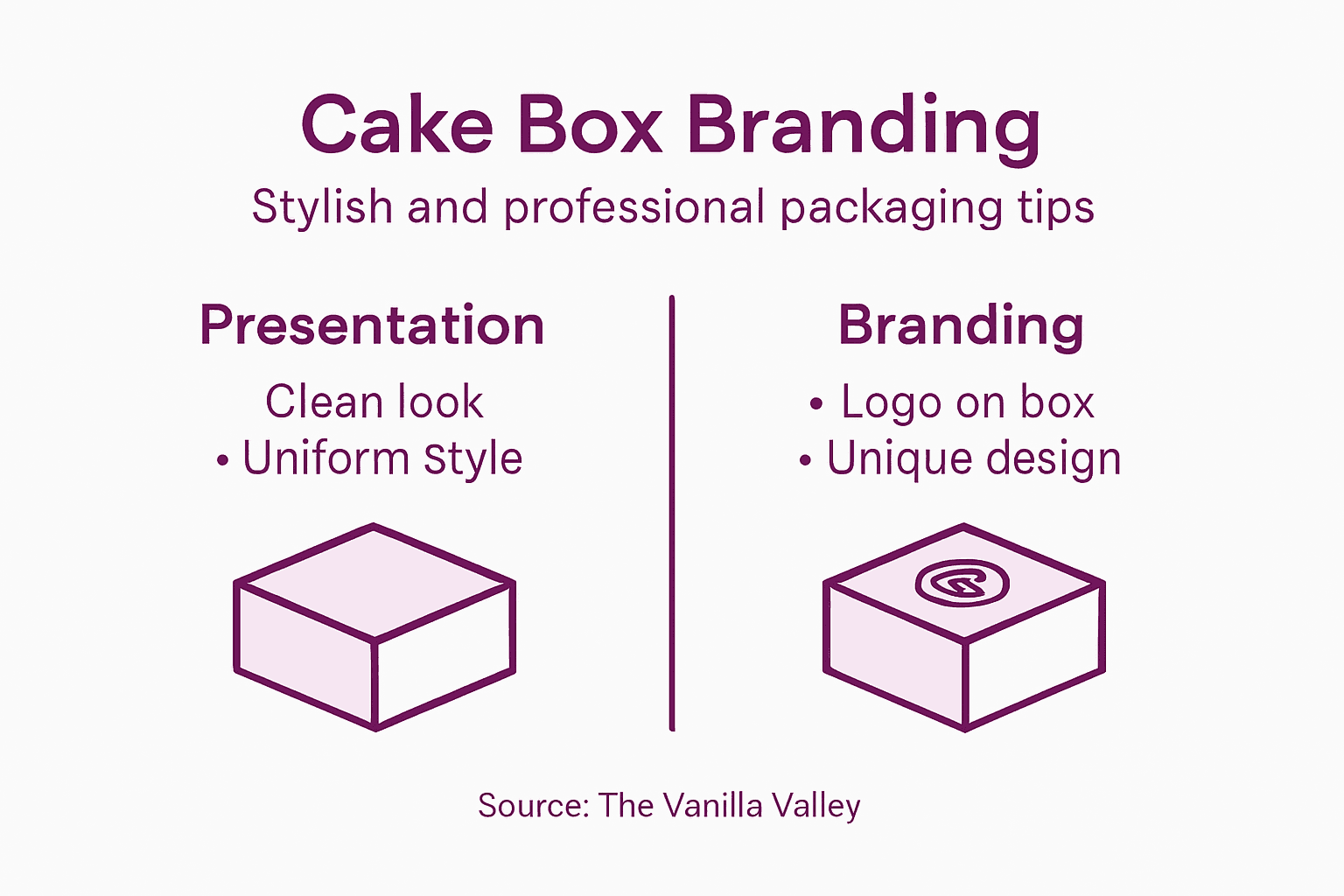
For quick reference, here’s a summary of cake box branding elements and their impact:
| Branding Element | Customer Perception Impact | Business Benefit |
|---|---|---|
| Logo and colours | Professional, memorable visual | Enhances recognition |
| Legal labels | Trustworthiness, transparency | Meets regulatory standards |
| Heritage motifs | Emotional, regional connection | Differentiates brand locally |
Branding Impact Hierarchy:
- Visual first impression
- Compliance and information clarity
- Emotional connection
- Brand storytelling
- Customer trust building
A well-designed cake box is your silent ambassador, communicating professionalism before the first bite is even taken.
Pro tip: Invest in professionally designed packaging that reflects your unique brand identity, treating your cake box as an extension of your culinary craftsmanship.
Common Mistakes When Using Cake Boxes
Navigating cake box usage requires careful attention to detail, as seemingly minor oversights can compromise both product quality and legal compliance. Hygiene control guidelines highlight critical errors that amateur bakers and small-scale decorators must avoid to maintain professional standards.
The most prevalent mistakes in cake box selection and usage include:
-
Sizing Errors:
- Choosing boxes too large or small
- Allowing excessive cake movement
- Risking structural damage during transport
- Compromising presentation quality
-
Hygiene and Safety Mistakes:
- Using non-food-grade packaging
- Neglecting cross-contamination risks
- Ignoring temperature control requirements
- Failing to check packaging condition
-
Labelling and Compliance Issues:
- Incomplete allergen information
- Missing nutritional details
- Incorrect traceability records
- Non-compliant packaging materials
Food safety management systems recommend comprehensive approaches to mitigate these risks. Bakers must treat packaging as an extension of their food preparation process, implementing rigorous quality control and documentation protocols.
Mistake Prevention Hierarchy:
- Understand regulatory requirements
- Select appropriate packaging
- Implement consistent quality checks
- Document packaging processes
- Train staff on best practices
A single packaging mistake can undermine years of culinary expertise and damage your professional reputation.
Pro tip: Create a standardised packaging checklist that covers sizing, hygiene, labelling, and compliance to systematically prevent common cake box mistakes.
Protect Your Creations with Professional Cake Boxes from The Vanilla Valley
Ensuring your baked goods arrive safe and stunning is one of the biggest challenges for both amateur and professional bakers. As highlighted in the article, choosing the right cake box that fits precisely, meets food safety standards, and enhances your brand’s presentation is essential to maintaining cake freshness, preventing damage, and building customer trust. From size accuracy to hygienic materials, every detail matters when you want to make a lasting impression.
Discover a wide selection of cake boxes and essential packaging supplies at The Vanilla Valley. Whether you need sturdy cardboard boxes for delicate cakes or windowed designs to showcase your decorating skills, we supply trusted products that uphold high hygiene standards and elevate your professional image. Visit The Vanilla Valley online store today and equip yourself to deliver your sweet creations with confidence and style.
Frequently Asked Questions
What are the primary purposes of cake boxes?
Cake boxes are designed to protect, transport, and present cakes safely and professionally. They prevent contamination, maintain hygiene, preserve freshness, and enhance presentation, which is crucial for both amateur bakers and professionals.
What materials are commonly used for cake boxes and their benefits?
Common materials include cardboard, plastic, and biodegradable options. Cardboard is lightweight and recyclable; plastic provides visibility and moisture protection; biodegradable materials are eco-friendly and compostable, catering to sustainability preferences.
How do I ensure the right size of the cake box for my baked goods?
To guarantee a proper fit, measure your cake accurately before selecting a box. The box should match the cake’s size and prevent movement during transit, ensuring that your cake arrives intact and presentable.
What hygiene features should I look for in cake boxes?
Look for food-grade materials that prevent grease absorption and bacterial growth. Smooth internal surfaces, moisture resistance, and compliance with food safety regulations are crucial to maintain the quality and safety of your baked goods.
Recommended
- Cake Boxes: Everything You Need to Know - The Vanilla Valley
- How to Package Cakes for Gifting Success - The Vanilla Valley
- Bento Boxes: Elevating Cake Presentation and Gifting - The Vanilla Valley
- Bento Cakes - The Vanilla Valley
- 7 tipos de comida india vegana esenciales para probar hoy - Desi Galli