
Make Edible Decorations Last Longer for Stunning Cakes
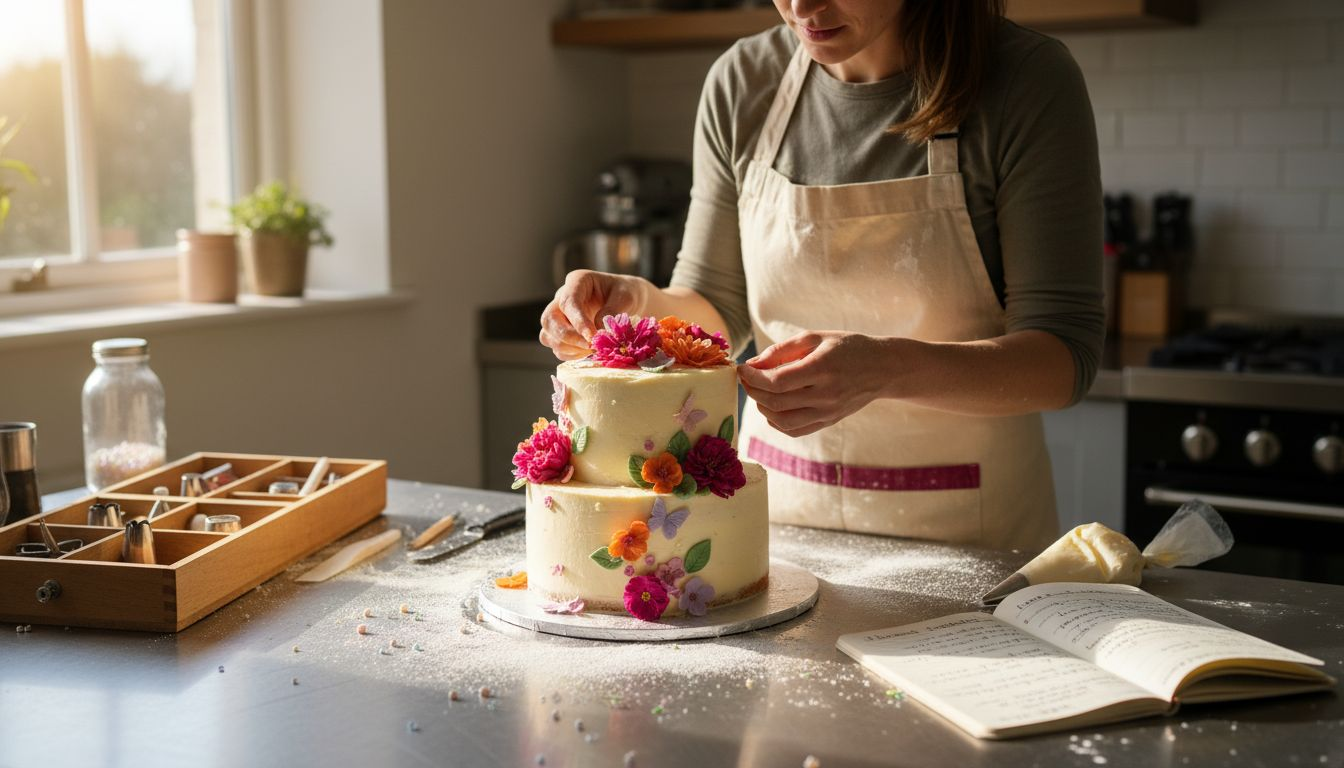
Every baker in South Wales knows the disappointment of beautiful cake decorations losing their sparkle before reaching the table. When so much care goes into crafting each edible detail, it is frustrating to watch colours fade or decorations wilt too soon. Choosing materials wisely and preparing your decorations with precision makes all the difference for lasting results. This guide reveals practical steps and highlights the importance of choosing the right ingredients and preparation techniques so your creative efforts stand out from the first slice to the last.
Table of Contents
- Step 1: Select The Right Ingredients And Materials
- Step 2: Prepare Decorations For Optimal Durability
- Step 3: Apply Protective Finishes For Longevity
- Step 4: Store Decorations In Ideal Conditions
- Step 5: Check And Refresh Decorations Before Use
Quick Summary
| Key Point | Explanation |
|---|---|
| 1. Choose suitable materials for decorations | Understand humidity and temperature effects on materials like fondant and sugar paste to ensure longevity and appearance. |
| 2. Prepare decorations for optimal drying | Ensure all decorations are completely dry before storage to prevent moisture absorption that can damage them. |
| 3. Apply protective finishes to enhance durability | Use coatings like sugar syrup or edible varnish to create barriers against humidity and extend the lifespan of decorations. |
| 4. Store in ideal conditions to maintain integrity | Keep decorations in cool, dry spaces, avoiding kitchens or direct sunlight to preserve quality. |
| 5. Inspect and refresh before cake assembly | Check for deterioration and refresh decorations to ensure they look their best before final presentation. |
Step 1: Select the Right Ingredients and Materials
Choosing the right ingredients and materials forms the foundation of edible decorations that stay beautiful throughout your cake’s display and serving time. Your selection directly impacts how long decorations maintain their colour, texture, and structural integrity from the moment you apply them until your guests enjoy the cake. This step determines whether your carefully crafted designs will impress for hours or days.
Start by understanding what your chosen decorations require. Fondant, sugar paste, modelling chocolate, and isomalt all have different needs depending on the environment where your cake will sit. If you’re creating decorations for a summer celebration in South Wales, humidity and temperature become critical factors. Gum paste dries quickly and holds fine detail beautifully but can absorb moisture from humid air, becoming sticky or even drooping if not stored properly. Sugar flowers require low humidity to prevent deterioration, while modelling chocolate remains more forgiving across temperature fluctuations. When selecting materials, check ingredient labelling carefully to understand what additives or gelling agents your chosen products contain, as these affect how decorations respond to heat and moisture over time.
Consider the specific qualities you need for durability. If you’re making decorations weeks in advance, you’ll want materials with excellent keeping properties. Royal icing hardens completely and stores for weeks when kept dry and airtight. Fondant similarly lasts longer than fresh modelling pastes, particularly if you colour it yourself with gel colours rather than liquid varieties, which introduce extra moisture. The choice between different food colouring types also matters significantly. Gel colours integrate smoothly into fondant without thinning it, whilst liquid colours can compromise your decoration’s texture and cause bleeding over time. Selecting colour sources that complement your base materials means your decorations maintain their vibrancy and structural quality throughout display and cutting.
Another practical consideration involves matching materials to your decorating skill level and timeline. If you’re working with tight timescales, choose materials that cure or set quickly without extensive drying time. If you have more time available, you can work with materials requiring longer development, which often reward patience with superior durability. Higher quality ingredients from trusted suppliers tend to behave more predictably and hold up better under real world conditions than budget alternatives, particularly when decorations face temperature changes or light exposure over several days.
Here’s a concise comparison of popular edible decoration materials for cakes:
| Material | Best For | Key Limitation | Durability Level |
|---|---|---|---|
| Fondant | Covering and modelling | Sensitive to humidity | Moderate to high |
| Sugar paste | Intricate modelling | Prone to softening | Moderate |
| Royal icing | Piping decorations | Brittle when dry | High (if kept dry) |
| Modelling chocolate | Sculpted figures | Softens in heat | Moderate |
| Gum paste | Fine details, flowers | Absorbs moisture easily | Very high if kept dry |
| Isomalt | Transparent elements | Attracts moisture | High in dry climates |
Pro tip: Store all your decoration materials in airtight containers with silica gel packets in a cool, dry space away from direct sunlight, and prepare decorations at least three days before your event so you can identify any issues with adhesion or colour stability before assembly.
Step 2: Prepare Decorations for Optimal Durability
Preparing your decorations properly is where theory meets practice. This step transforms your chosen materials into decorations that genuinely last, maintaining their beauty and integrity from application through to serving. How you prepare and handle your pieces in the days before assembly makes a measurable difference to their longevity.
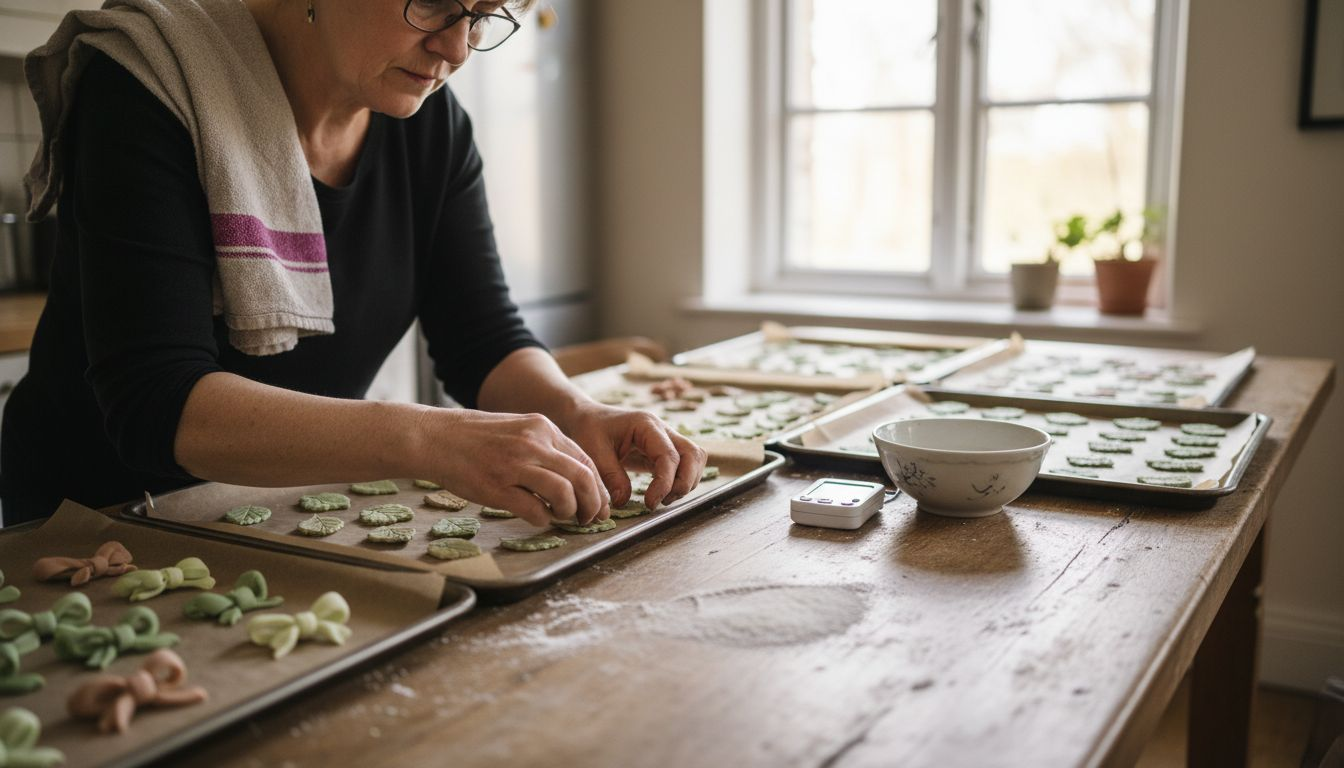
Start with timing and environmental control. If you are working with edible flowers, you need to understand that proper flower preparation and drying directly impacts how long they remain vibrant and structurally sound. Harvest or purchase flowers at their peak, wash them gently under cool water, and dry them completely on absorbent kitchen paper away from direct sunlight. This same principle applies to all decorations you are preparing. Moisture is the enemy of longevity. Whether you are creating sugar flowers, fondant toppers, or delicate modelled details, ensure they are completely dry before storing them. If you work in a humid environment like parts of South Wales during summer months, consider using a dehydrator on its lowest setting or placing your finished decorations in a warm, dry cupboard for 24 to 48 hours after completion. This pre-drying phase prevents decorations from absorbing moisture later when they sit exposed to air, which would cause softening, sticking, or colour bleeding.
Handle storage with deliberate care once your decorations are dry. Use airtight containers with silica gel sachets, storing them in a cool space away from direct sunlight and heat sources. You can layer decorations with parchment paper to prevent them touching one another, which minimises damage and colour transfer. Fondant and sugar paste decorations benefit from individual wrapping in cling film once they are completely dry, which protects them whilst allowing them to remain crisp. Royal icing decorations need similar protection but respond particularly well to storage in rigid containers where they cannot shift or break during handling. Before you attach any decoration to your cake, check for any signs of moisture absorption or structural weakness. A quick visual inspection takes seconds but prevents embarrassing failures during presentation.
Pro tip: Prepare your most delicate decorations first and store them earliest so they have maximum drying time, then work backwards to create simpler elements closer to your assembly deadline, allowing you to handle and adjust pieces with more freedom when there is less risk of damaging previously completed work.
Step 3: Apply Protective Finishes for Longevity
Applying the right protective finish is your final defence against environmental factors that degrade decorations. A protective coating creates a barrier between your delicate work and humidity, air exposure, and light damage. This step can extend the display life of your decorations from days to weeks, transforming them from temporary embellishments into genuinely lasting design elements.
Understand the range of options available to you. Traditional sugar syrups offer an elegant solution, particularly for edible flowers and delicate paste work. A light application of clear sugar syrup creates a glossy seal that protects flowers and adds visual appeal whilst remaining food safe and completely edible. You can make a simple syrup by dissolving equal parts caster sugar and water over gentle heat, then cooling it completely before brushing it carefully onto your decorations with a soft pastry brush. The syrup hardens as it cools, forming a protective shell that locks in moisture and prevents the decoration from absorbing external humidity. For fondant and sugar paste work, consider using edible varnish or glaze products specifically formulated for cake decorations. These create a subtle sheen that protects whilst maintaining the appearance of your original design. If you prefer a matte finish, edible dusting powders mixed with a tiny amount of clear alcohol create a durable coating that adds colour depth without shine. Apply these finishes in thin, even layers using a clean brush, allowing each coat to dry completely before applying additional protection. Multiple thin layers provide better durability than one thick application, which can look uneven and might pool in crevices.
Timing matters considerably when applying finishes. Apply protective coatings at least 24 hours before you assemble the cake onto its base, allowing the finish to cure fully. This prevents the coating from remaining tacky or sticky when you handle the decorations during final placement. Store your finished, coated decorations in airtight containers as before, but now they benefit from an additional protective layer against moisture absorption. The finish acts like a waterproofing agent, meaning your decorations maintain their structure and colour integrity far longer than uncoated pieces would.
Pro tip: Test any protective finish on a spare piece of decoration material first to confirm the result matches your vision, as some finishes can alter colour perception or create unexpected texture changes that you will want to anticipate before applying them to your finished work.
The following table summarises protective finishes and their ideal uses:
| Finish Type | Ideal For | Appearance Effect | Main Benefit |
|---|---|---|---|
| Sugar syrup | Edible flowers, pastes | Glossy, clear | Locks moisture, edible |
| Edible varnish | Fondant, sugar figures | Subtle sheen | Shields from humidity |
| Dusting powder | Sugar/fondant décor | Matte, adds depth | Enhances colour, durable |
| Cocoa butter | Chocolate elements | Satiny, slight sheen | Protects, adds shine |
Step 4: Store Decorations in Ideal Conditions
Storage conditions make or break your efforts to create long-lasting decorations. Even the most carefully prepared pieces will deteriorate rapidly if stored incorrectly. This step establishes the environment where your decorations remain pristine, maintaining their colour, structure, and visual impact until the moment they grace your cake.
Temperature and humidity control are your primary concerns. Cool, dry spaces represent the ideal environment for nearly all edible decorations. A temperature between 15 and 18 degrees Celsius in a dark cupboard away from direct sunlight provides optimal conditions for fondant, sugar paste, and royal icing work. Avoid storing decorations in kitchens where steam from cooking introduces moisture into the air, or near windows where UV light fades colours gradually. If you are working with edible flowers, proper refrigeration in sealed containers helps retain freshness for several days before assembly, though this approach works best for flowers you plan to use within a week. For longer storage periods, dried flowers or those preserved in sugar syrup hold up far better than refrigerated fresh blooms. Silica gel sachets become your secret weapon in any storage container. These absorb excess moisture from the air inside your container, preventing the humidity that causes fondant to soften and colours to run. Replace or recharge silica gel sachets regularly if they appear damp to maintain their effectiveness.
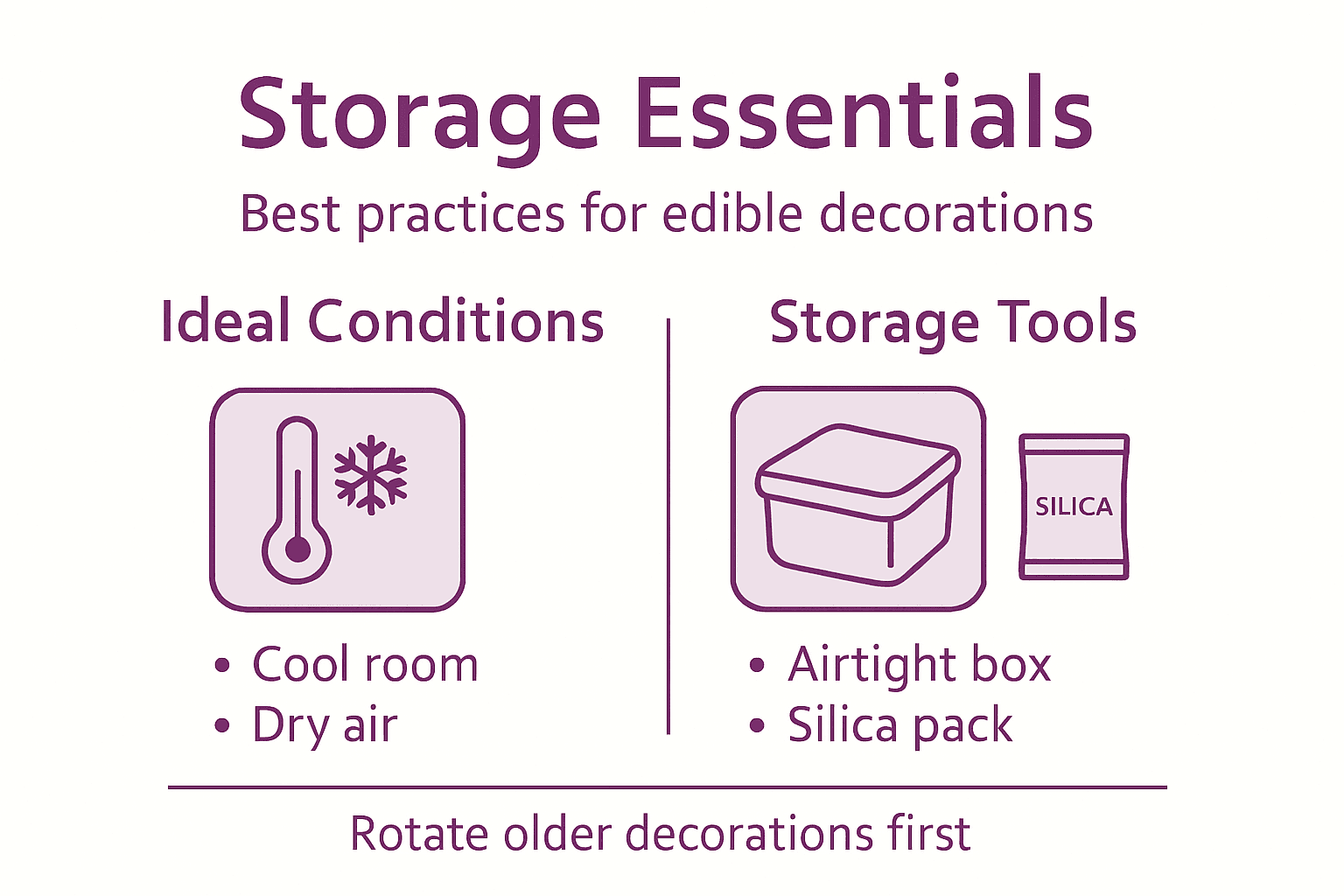
Organise your storage system thoughtfully. Use rigid plastic containers rather than soft bags that allow crushing and shifting of delicate pieces. Label each container with its contents and the date of preparation, helping you use decorations within their optimal window. Stack containers carefully with heavier items on bottom, ensuring nothing presses down on fragile flowers or detailed fondant work. Consider creating a dedicated decoration storage area separate from general pantry items. This prevents accidental damage from reach-in traffic and keeps your precious creations isolated from kitchen humidity and temperature fluctuations. Before retrieving decorations for assembly, allow them to reach room temperature inside their sealed container for 15 to 20 minutes. This prevents condensation forming on their surfaces when they emerge from cool storage, which would compromise adhesion and appearance. Decorations stored properly can last weeks or even months, transforming your timeline and workflow significantly.
Pro tip: Photograph each completed decoration before storage so you have a reference image to guide final positioning and troubleshooting if any pieces shift or show unexpected changes during storage.
Step 5: Check and Refresh Decorations Before Use
Before your decorations meet the cake, they deserve a final inspection and refresh. This step transforms stored pieces back to their full glory, ensuring they look as stunning as when you first completed them. A few minutes of attention here prevents disappointment when assembly time arrives.
Start your inspection by examining each decoration carefully for any signs of deterioration or damage. Look for colour fading, which indicates light exposure during storage or age related changes. Check for any soft spots or tackiness on fondant or sugar paste pieces, which suggests moisture absorption despite your best efforts. Edible flowers should retain their vibrant colour and papery texture. If they appear dull or brittle, they may have dried excessively or absorbed too much moisture. Any decorations showing visible mould, crystallisation, or off odours should be discarded immediately, as these indicate spoilage. Understanding best before dates helps ensure decorations remain safe and appealing for use on your cake. If you prepared decorations more than two weeks ago without specific preservation techniques like freezing or sugar syrup preservation, use extra caution and trust your senses to guide your decision about whether they are suitable for display.
Refreshing techniques can restore decorations that have lost some visual appeal during storage. Dried edible flowers respond beautifully to gentle rehydration. Lightly brush them with simple sugar syrup using a soft pastry brush, allowing them to absorb moisture gradually. This restores plumpness and colour vibrancy whilst maintaining their delicate texture. Fondant pieces that have lost their sheen can be gently polished with a soft, slightly damp cloth, restoring their glossy finish without damaging the surface. If you notice any dust accumulation on decorations, use a soft dry brush to remove it gently. Royal icing pieces rarely need refreshing but benefit from a visual check for any hairline cracks that might worsen during handling. For items stored with protective finishes, a light inspection under good lighting helps confirm the finish remains intact and uniform.
Allow refreshed decorations to settle for 30 minutes before attaching them to your cake. This gives any moisture or adjustments time to stabilise, ensuring your pieces remain exactly where you position them during assembly. Your decorations are now ready to transform your cake into the stunning centrepiece you envisioned.
Pro tip: Set aside your oldest stored decorations for use first, rotating your stock regularly to prevent pieces from sitting unused for excessively long periods and to maintain consistent quality across all your work.
Keep Your Edible Decorations Stunning for Longer with Trusted Supplies
Creating edible decorations that maintain their vibrant colour, sharp detail and perfect texture can be challenging, especially when facing humidity and delicate materials like fondant or gum paste. If your goal is to prevent fading, softenings or moisture damage so your cake remains a stunning centrepiece for days, choosing the right ingredients and protective finishes is essential. Our wide selection of high quality fondants, gel food colours and edible varnishes are designed to help you achieve exactly that resilience and longevity in your creations.
Explore The Vanilla Valley for trusted cake decorating essentials backed by over a decade of expertise. Whether you are tackling intricate sugar flowers or sculpted modelling chocolate, our products support your efforts from preparation through storage. Benefit now from special offers, speedy next day delivery and expert advice to transform your edible decorations from delicate to durable. Visit us online and take the first step towards flawless, long-lasting cake art today.
Frequently Asked Questions
How can I select the right materials for durable edible decorations?
Choosing the right materials is crucial for creating long-lasting edible decorations. Use sturdier options like royal icing or gum paste for pieces that need to maintain their structure, and check for moisture resistance before application.
What storage conditions are best for keeping edible decorations fresh?
Store your edible decorations in a cool, dry place, ideally between 15 and 18 degrees Celsius, away from sunlight and humidity. Use airtight containers with silica gel sachets to absorb excess moisture and keep your decorations in pristine condition for longer.
How do I prepare my edible decorations to enhance their durability?
Prepare your decorations by ensuring they are completely dry before storage, as moisture can lead to deterioration. Use a dehydrator if you are in a humid environment to pre-dry your pieces for at least 24 hours before storing them.
What protective finishes can I apply to extend the life of my cake decorations?
Apply sugar syrup, edible varnish, or dusting powders to create a protective layer on your decorations. Each finish can enhance durability and visual appeal, so experiment with thin layers, letting each dry before applying additional coats.
How can I refresh stored decorations before use?
Inspect stored decorations for any signs of damage or moisture absorption. Refresh by lightly brushing dried edible flowers with sugar syrup or polishing fondant pieces with a damp cloth, allowing them 30 minutes to settle before assembly.