Sugarpaste, Modelling Paste & Flowerpaste – Choosing Right for Cake Artistry
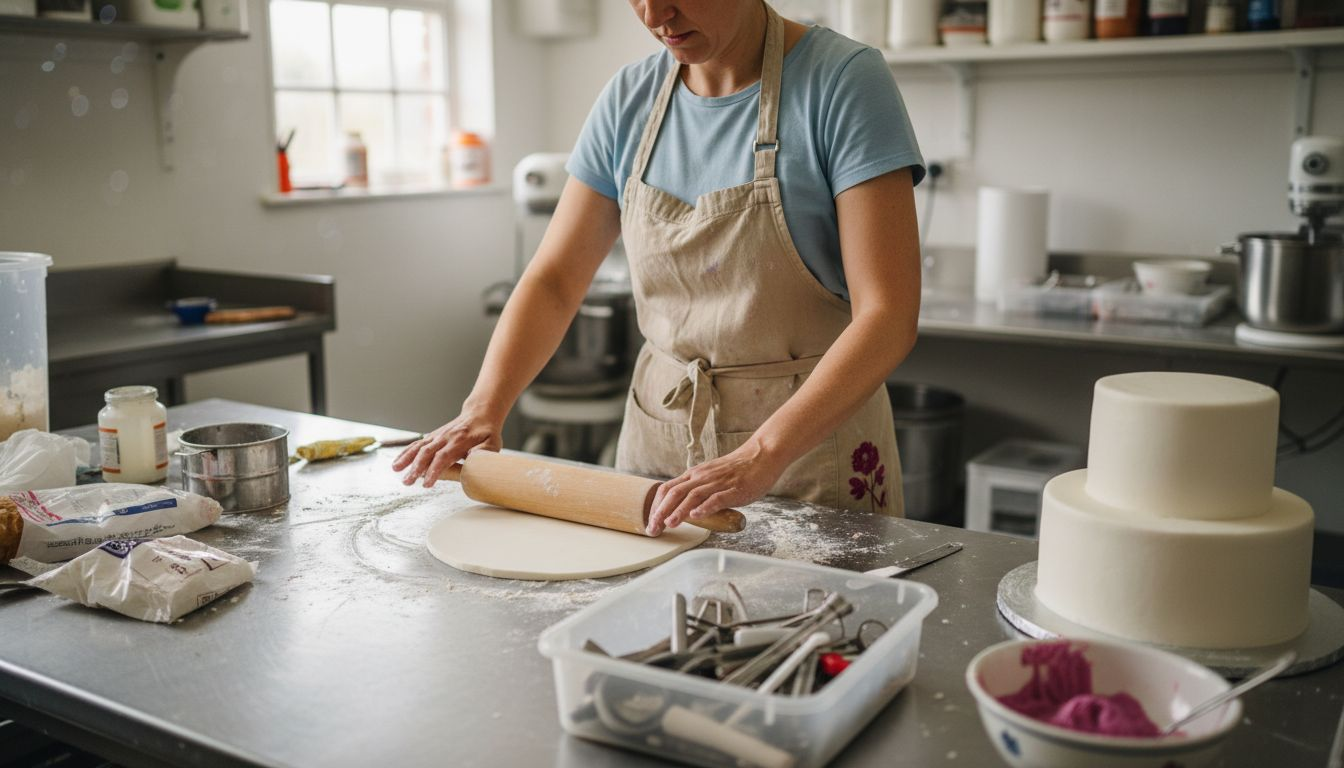
Most british cake decorators are surprised to learn that sugar sculpting techniques date all the way back to the European Renaissance. Today, cake artists in South Wales turn to sugarpaste, modelling paste, and flowerpaste for their unrivalled versatility. Mastering these essential mediums unlocks limitless creative options, from flawless tiered cakes to intricate edible flowers. Discover how each type works and why understanding their unique properties sets british cake designs apart from the ordinary.
Table of Contents
- Sugarpaste, Modelling Paste, And Flowerpaste Defined
- Key Features And Main Applications Compared
- How Each Paste Works In Practice
- Common Mistakes And What To Avoid
- Choosing The Right Paste For Your Project
Key Takeaways
| Point | Details |
|---|---|
| Sugarpaste is versatile | Ideal for covering cakes, it provides smooth finishes and flexible decorative elements. |
| Modelling paste offers structural integrity | Best suited for three-dimensional figures and complex shapes requiring rigidity. |
| Flowerpaste is designed for delicacy | Perfect for creating realistic sugar flowers and intricate details due to its fine texture. |
| Proper storage is crucial | Always keep pastes in airtight containers to maintain consistency and prevent drying out. |
Sugarpaste, Modelling Paste, and Flowerpaste Defined
In the enchanting world of cake artistry, three essential mediums play pivotal roles: sugarpaste, modelling paste, and flowerpaste. Each of these sugar-based materials brings unique characteristics to cake decoration, enabling artists to transform simple confections into extraordinary edible masterpieces. Sugar sculpting techniques have evolved dramatically since their Renaissance origins, offering cake decorators increasingly sophisticated tools for creative expression.
Sugarpaste, often considered the most versatile medium, is a pliable substance primarily used for covering cakes with smooth, flawless surfaces. Its malleability allows decorators to drape it elegantly over cake tiers, creating seamless and professional finishes. Modelling paste, by contrast, offers greater firmness and structural integrity, making it ideal for creating three-dimensional decorative elements that require precise shape retention. Flowerpaste distinguishes itself through an exceptionally fine texture, specifically engineered for crafting delicate, lifelike sugar flowers that appear almost indistinguishable from their natural counterparts.
While these pastes share a sugar-based foundation, their distinct properties make them suited to different cake decorating techniques. Historical records reveal that sugarpaste and similar edible art forms have deep roots in medieval European culinary traditions, where they served both aesthetic and gastronomic purposes. Modern cake artists leverage these materials to create intricate designs ranging from elegant wedding cakes to whimsical children’s birthday celebrations.
Pro Tip: Always store your sugarpaste, modelling paste, and flowerpaste in airtight containers at consistent room temperature to maintain their optimal working consistency and prevent premature drying.
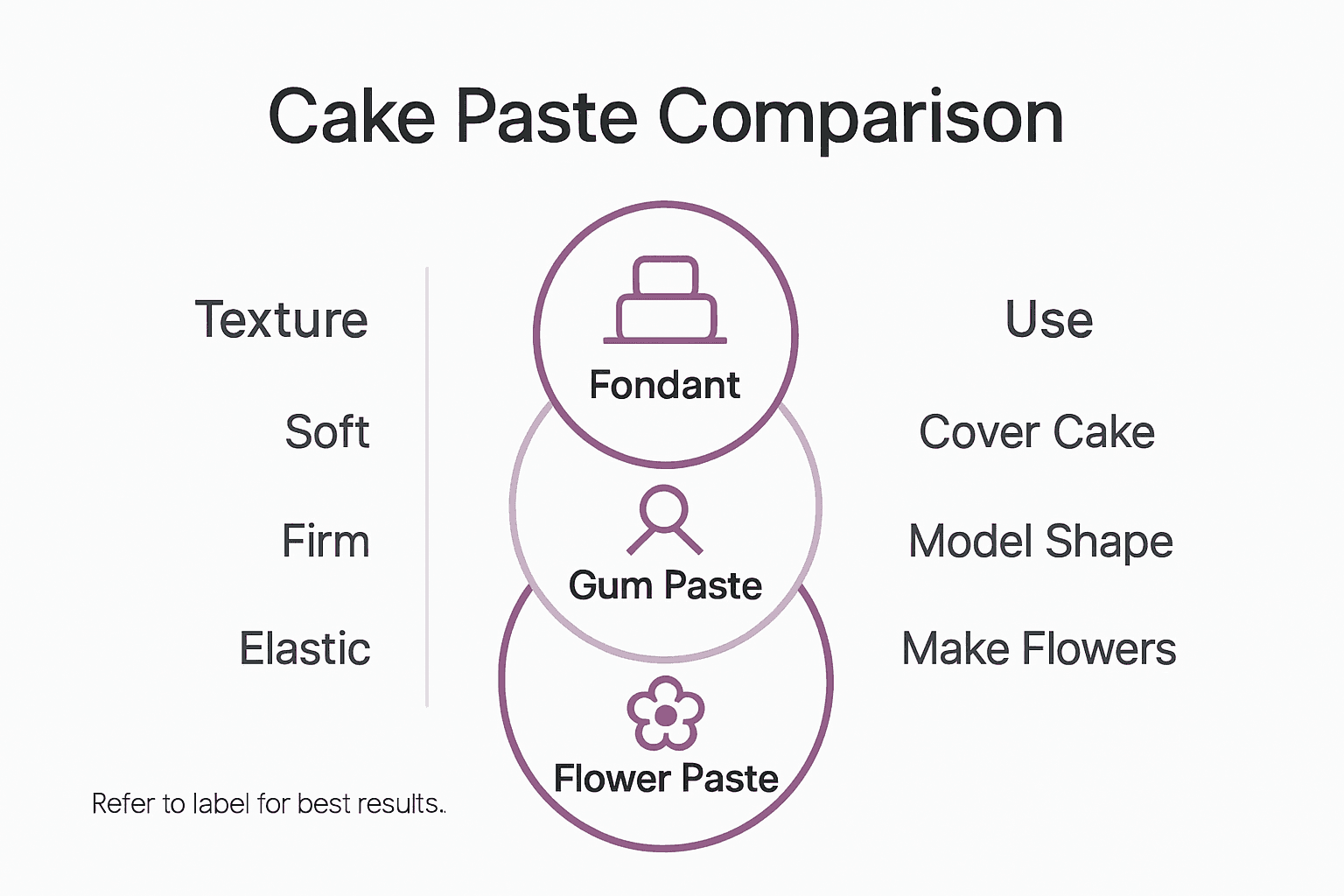
Here is a concise comparison of the key differences between sugarpaste, modelling paste, and flowerpaste:
| Paste Type | Texture & Flexibility | Most Suitable For | Drying Time |
|---|---|---|---|
| Sugarpaste | Soft and highly pliable | Covering cakes, smooth finishes | Moderate, stays soft |
| Modelling Paste | Firm, retains shape | Figures, structural decorations | Faster, dries harder |
| Flowerpaste | Extremely fine, rolls ultra-thin | Delicate flowers, fine details | Quick, dries brittle |
Key Features and Main Applications Compared
Understanding the nuanced differences between sugarpaste, modelling paste, and flowerpaste is crucial for achieving professional cake decorating results. Detailed analysis of cake decorating materials reveals distinct characteristics that make each paste uniquely suited to specific decorative techniques. Sugarpaste stands out for its soft, elastic nature, making it the go-to choice for achieving smooth cake coverings and creating flexible decorative elements.
Modelling paste emerges as the structural powerhouse of cake decoration. Sculptural techniques in cake artistry demonstrate its superior firmness, which allows decorators to construct intricate three-dimensional figures and architectural cake elements with remarkable precision. Its robust composition enables the creation of complex shapes that maintain their structural integrity, making it ideal for:
- Figurine creation
- Architectural cake structures
- Detailed sculptural elements
- Supporting heavier decorative components
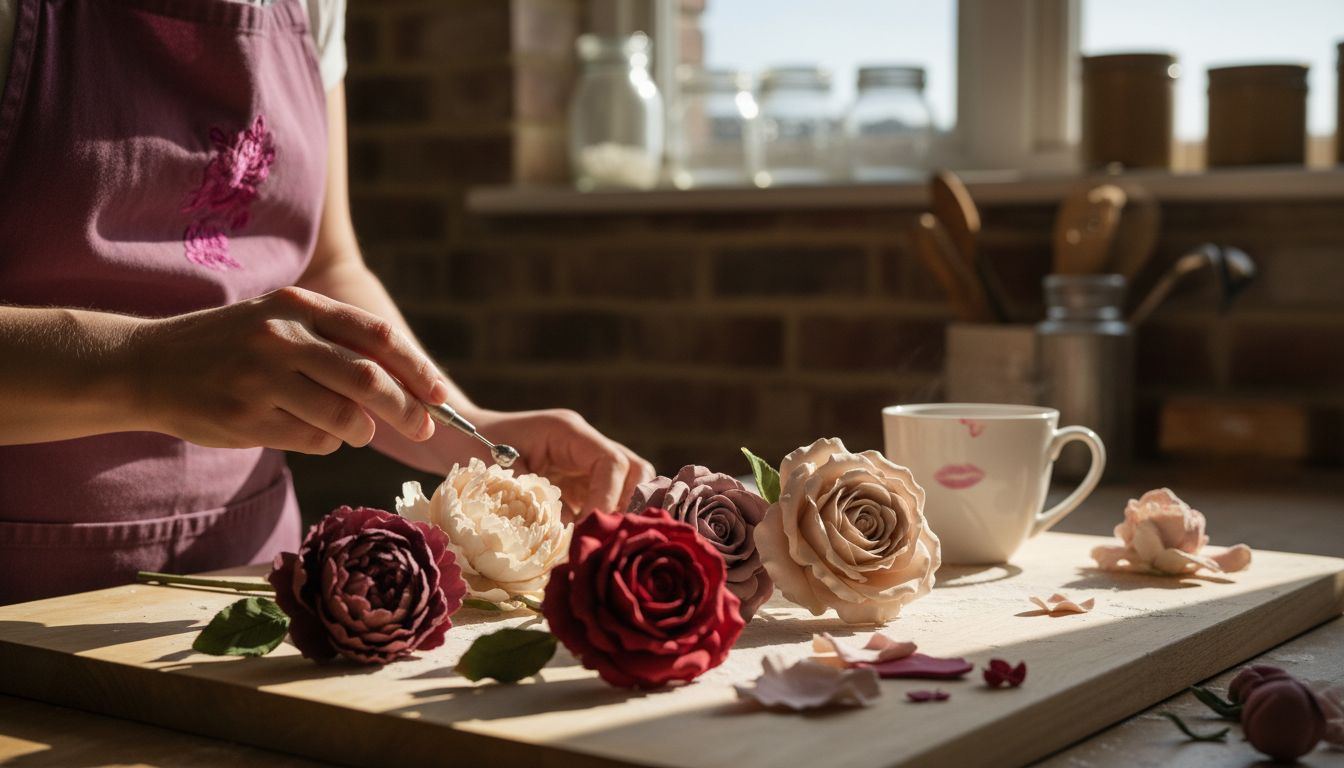
Flowerpaste represents the pinnacle of delicate cake decoration, engineered specifically for crafting ultra-fine sugar flowers and intricate botanical details. Its exceptional thinness and ability to dry while maintaining precise shapes make it the ultimate medium for replicating nature’s most delicate floral designs. Unlike other pastes, flowerpaste can be rolled to near-translucent thickness, allowing for incredibly realistic sugar flower petals that capture the ethereal quality of real botanical specimens.
Pro Tip: Mix a small amount of CMC powder into your pastes to enhance their structural strength and drying capabilities, particularly when working with more delicate decorative elements.
How Each Paste Works in Practice
Advanced sugarpaste techniques reveal the intricate processes behind transforming these sugar-based mediums into edible art. Sugarpaste emerges as the most versatile medium, primarily used for creating smooth cake coverings and foundational decorations. The preparation involves carefully rolling the paste to an even thickness, gently draping it over cakes, and meticulously smoothing out any imperfections to achieve a flawless finish.
Modelling paste demands a more sculptural approach, requiring decorators to develop precise shaping and assembly techniques. Sugar craft techniques demonstrate how this medium allows for the creation of intricate three-dimensional elements. Cake artists typically work with modelling paste by:
- Carefully shaping individual components
- Building complex structural elements
- Allowing pieces to dry completely for added strength
- Creating detailed figurines and architectural cake decorations
Flowerpaste represents the most delicate and specialised medium, requiring extraordinary skill and precision. Decorators use incredibly fine tools to craft near-translucent sugar flowers, employing techniques such as:
- Cutting with specialised flower cutters
- Dusting petals for realistic texture
- Shaping components over curved formers
- Drying pieces to maintain delicate structural integrity
Pro Tip: Invest in a dedicated set of specialised tools for each paste type, as the intricate techniques require precision instruments specific to sugarpaste, modelling paste, and flowerpaste.
Common Mistakes and What to Avoid
Chemical handling and moisture management are critical considerations when working with sugarpaste, modelling paste, and flowerpaste. Moisture control represents the most common challenge for cake decorators, with each paste type presenting unique sensitivities that can dramatically impact the final result. Sugarpaste, for instance, is particularly vulnerable to environmental conditions, with excessive thickness leading to unsightly drying cracks and uneven surfaces.
Modelling paste requires a delicate balance of technique and patience. Decorators frequently encounter issues related to overworking the medium, which can result in a brittle, inflexible texture that compromises intricate design elements. Key mistakes to avoid include:
- Rushing the drying process
- Applying excessive pressure during shaping
- Neglecting temperature and humidity controls
- Working with paste that is too cold or too warm
Flowerpaste demands the most precision and presents the most complex challenges for cake artists. Preparation techniques emphasise the critical nature of environmental control, with humidity and temperature playing pivotal roles in maintaining the paste’s delicate structure. Common pitfalls include:
- Exposing flowerpaste to direct sunlight
- Failing to dust tools before use
- Working in overly humid environments
- Leaving paste uncovered when not in active use
Pro Tip: Invest in a reliable hygrometer to monitor workspace humidity, ensuring optimal conditions for each paste type and preventing moisture-related decorating disasters.
The following table highlights typical pitfalls and expert preventive measures for each paste type:
| Paste Type | Common Mistake | How to Prevent Issue |
|---|---|---|
| Sugarpaste | Cracking from too much moisture | Keep thickness even, avoid damp conditions |
| Modelling Paste | Inflexibility from overworking | Knead gently, allow for proper drying time |
| Flowerpaste | Wilting in humidity | Work quickly, use dusted tools, cover paste |
Choosing the Right Paste for Your Project
Cake decoration techniques reveal that selecting the appropriate paste is a nuanced decision requiring careful consideration of project specifics. Each paste type brings distinct characteristics that can elevate or compromise your cake design, making informed selection critical to achieving professional results. Professional cake artists understand that the wrong paste can transform a potential masterpiece into a decorating disaster.
Sugarpaste remains the go-to medium for creating smooth, elegant cake surfaces and basic decorative elements. Its pliable nature makes it ideal for:
- Covering entire cake tiers
- Creating simple decorative shapes
- Generating uniform background textures
- Producing foundational design elements
Modelling paste steps into the spotlight when structural integrity and complex three-dimensional designs become paramount. This medium excels in scenarios demanding:
- Architectural cake structures
- Detailed figurine creation
- Support for heavier decorative components
- Precise sculptural elements that require rigidity
Flowerpaste represents the pinnacle of delicate cake artistry, designed specifically for crafting intricate botanical details. Professional cake design insights emphasise its unique capabilities in creating ultra-realistic sugar flowers and fine decorative elements that demand exceptional precision and ethereal qualities.
Pro Tip: Keep small samples of each paste type in your workspace, allowing you to test and compare their properties before committing to a full design.
Elevate Your Cake Artistry with the Perfect Paste and Supplies
Choosing between sugarpaste, modelling paste, and flowerpaste is a critical step to mastering your cake decoration projects. Whether you seek flawless smooth finishes, sturdy sculptural details, or delicate lifelike flowers, understanding these materials transforms your creative vision into reality. Avoid common pitfalls such as cracking, brittleness, or wilting by selecting the right paste and using expert tools designed for each specific type.
Bring your cake creations to life by exploring a comprehensive range of top-quality cake decorating products at The Vanilla Valley. From premium sugarpaste and flowerpaste to specialist modelling pastes and essential accessories, we provide everything needed to perfect your craft today. Don’t wait for the perfect moment – enhance your skills and impress your clients or loved ones now by visiting our website and taking advantage of free and next day delivery options. Discover dedicated support and trusted products that have satisfied bakers since 2009 by browsing our selection at the Vanilla Valley online store.
Unlock your full creative potential with expert advice and reliable supplies all in one place.
Frequently Asked Questions
What is the difference between sugarpaste, modelling paste, and flowerpaste?
Sugarpaste is soft and pliable, making it perfect for covering cakes and creating smooth finishes. Modelling paste is firmer and retains shape well, ideal for creating three-dimensional elements. Flowerpaste is extremely fine and can be rolled thin for delicate sugar flowers and intricate details.
How do I store sugarpaste, modelling paste, and flowerpaste?
Store all types of paste in airtight containers at room temperature to maintain their working consistency and prevent them from drying out prematurely.
What are common mistakes to avoid when using sugarpaste, modelling paste, and flowerpaste?
Common mistakes include neglecting moisture control, overworking modelling paste, and exposing flowerpaste to humidity. Ensuring even thickness and proper drying time can prevent issues like cracking and wilting.
When should I use flowerpaste instead of sugarpaste or modelling paste?
Use flowerpaste when creating delicate sugar flowers and intricate botanical details that require ultra-fine shaping. It is specifically designed for projects where precision and a lifelike appearance are essential.