Types of Ganache: Choosing the Right Chocolate
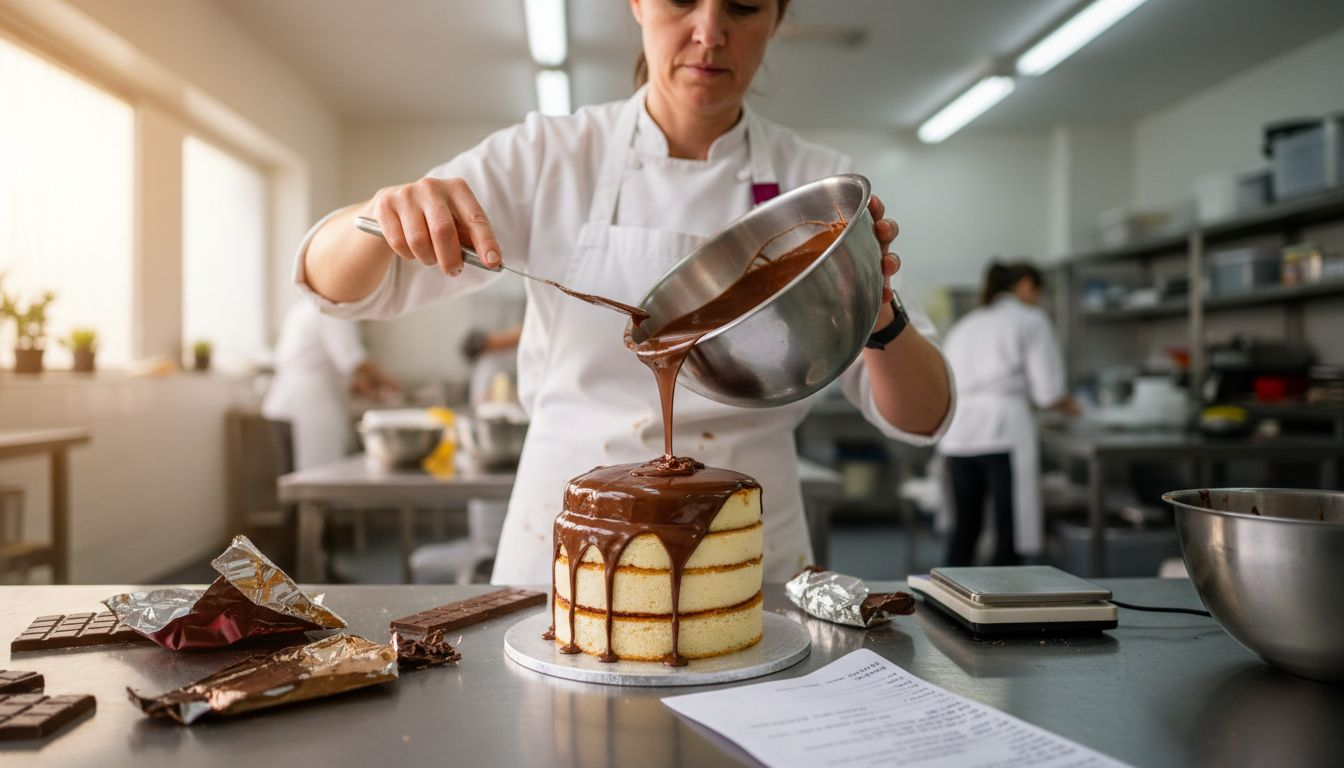
Most british home bakers struggle with ganache consistency despite its simple ingredient list. Getting chocolate and cream to blend perfectly is not just about following a recipe but understanding texture, temperature, and ratio. Research from King’s College London shows more than 60 percent of amateur bakers make common mistakes that affect results. This guide will help South Wales enthusiasts master ganache essentials, debunk misconceptions, and make better choices for cake decorating using high-quality supplies.
Table of Contents
- Ganache Explained: Foundations and Misconceptions
- Differences Between Dark, Milk, and White Ganache
- How Ratios Affect Ganache Texture and Taste
- Using Goldings Chocolate for the Perfect Ganache
- Common Mistakes When Making Ganache
Key Takeaways
| Point | Details |
|---|---|
| Understanding Ganache Basics | Ganache is created by combining chocolate with cream, and the ratio and temperature control are crucial for achieving the desired texture and flavour. |
| Impact of Chocolate Type | The characteristics of dark, milk, and white chocolate significantly alter the ganache’s flavour, texture, and culinary use, necessitating careful selection based on the intended application. |
| Importance of Ratios | A precise chocolate to cream ratio is essential; a common ratio of 1:1 yields pourable ganache, while a 2:1 or 3:1 ratio produces firmer textures suitable for specific applications. |
| Common Pitfalls | Amateur bakers often encounter issues like overheating chocolate or incorrect ratios, which can lead to a grainy or separated ganache, underscoring the need for careful technique. |
Ganache Explained: Foundations and Misconceptions
Ganache is a luxurious chocolate emulsion that transforms simple ingredients into an extraordinary culinary creation. Understanding its fundamental principles helps bakers and chocolate enthusiasts craft perfect confectionery with precision and skill. At its core, ganache involves carefully combining chocolate with cream, creating a smooth mixture that can serve multiple purposes from cake frosting to truffle centres.
While many assume ganache requires complex techniques, the reality is quite straightforward. Scientific research from King’s College London highlights that the emulsification process depends on precise temperature control and ingredient quality. Goldings Chocolate offers exceptional Belgian chocolate that works beautifully in ganache preparations, with different chocolate varieties producing unique textural results. Dark chocolate creates a rich, intense ganache, milk chocolate yields a softer, sweeter consistency, and white chocolate provides a delicate, creamy finish.
Common misconceptions about ganache often stem from improper technique or ingredient selection. Professional bakers understand that the chocolate to cream ratio dramatically influences the final product’s consistency. A standard dark chocolate ganache typically uses a 1:1 ratio, while a firmer ganache for cake decorating might use a 2:1 chocolate to cream proportion. Temperature plays a critical role too - letting ganache cool gradually ensures a smooth, glossy finish without unwanted crystallisation.
Pro tip: When preparing ganache, always chop your chocolate into small, uniform pieces to ensure even melting and a silky smooth texture.
Differences Between Dark, Milk, and White Ganache
The art of ganache crafting involves understanding the nuanced characteristics of different chocolate types, each bringing unique properties to this versatile confectionery base. Professional development resources from the British Council highlight the critical distinctions between dark, milk, and white ganache, emphasising how their fundamental composition dramatically influences flavour, texture, and culinary application.
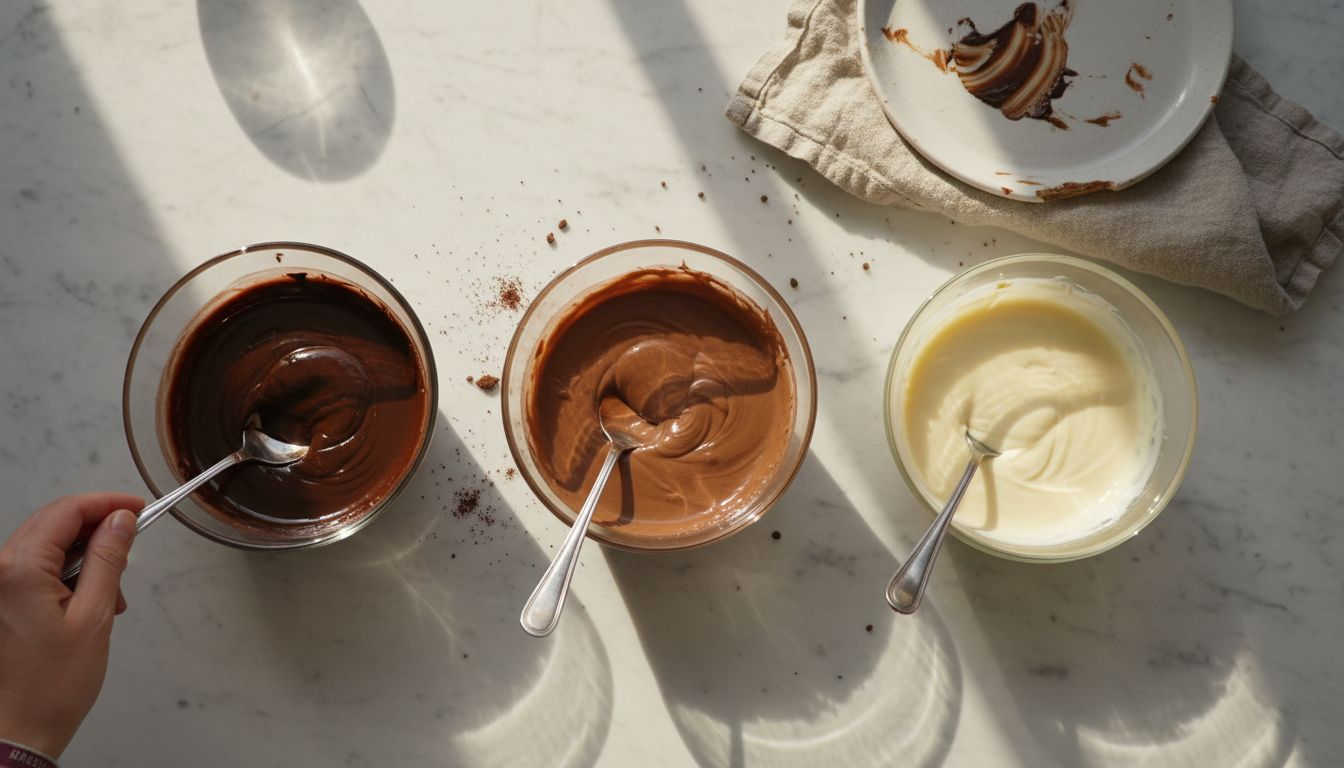
Dark chocolate ganache stands out for its intense, robust character. With a higher percentage of cocoa solids, it delivers a deep, complex flavour profile that professional bakers prize for sophisticated desserts. Typically prepared with a 2:1 or 3:1 chocolate to cream ratio, dark ganache sets more firmly, making it ideal for intricate cake decorations and rich chocolate truffles. Goldings Chocolate’s premium dark Belgian chocolate works exceptionally well, providing a smooth, glossy finish with pronounced chocolate notes.
Milk and white chocolate ganaches offer contrasting experiences. Milk chocolate ganache introduces a softer, sweeter dimension with its added milk solids, creating a creamier texture perfect for lighter desserts and fillings. White chocolate ganache, technically an emulsion of cocoa butter, sugar, and milk solids, provides the most delicate and sweet interpretation. Its lower melting point requires careful temperature management, often using a 3:1 chocolate to cream ratio to achieve the right consistency.
Pro tip: Always match your ganache type to your dessert’s flavour profile, considering the chocolate’s cocoa percentage and intended use to achieve the most balanced and delightful result.
Here’s a concise comparison of dark, milk, and white chocolate ganache characteristics:
| Ganache Type | Flavour Profile | Typical Texture | Best Culinary Uses |
|---|---|---|---|
| Dark Chocolate | Intense and robust | Firm and glossy | Truffles, cake decorations |
| Milk Chocolate | Creamy and sweet | Soft and smooth | Fillings, lighter desserts |
| White Chocolate | Delicate and mellow | Soft and pipeable | Decorative toppings, mousse |
How Ratios Affect Ganache Texture and Taste
Ganache is a delicate culinary art where precise proportions transform basic ingredients into extraordinary confectionery. Research from King’s College London reveals how subtle changes in chocolate to cream ratios dramatically alter the final product’s texture, flavour, and performance. Professional bakers understand that these mathematical relationships are the secret to creating everything from silky cake coverings to firm truffle centres.
The classic 1:1 ratio represents the baseline for standard ganache, creating a pourable consistency perfect for glazing cakes and pastries. As you increase the chocolate proportion, the ganache becomes progressively firmer and more stable. A 2:1 ratio produces a medium-consistency ganache ideal for filling macarons or creating smooth cake coverings, while a 3:1 ratio results in a thick, pipeable texture excellent for intricate cake decorations. Goldings Chocolate’s range of Belgian chocolates provides exceptional versatility for these varying techniques.
Temperature plays an equally crucial role in ganache preparation. Warmer mixtures remain more fluid, while cooling causes the ganache to set and firm up. Professional bakers manipulate these variables by adjusting cream temperature, chocolate quality, and mixing techniques. Dark chocolate ganaches tend to set more firmly due to higher cocoa solid content, whereas milk and white chocolate variants remain softer and more malleable.
Pro tip: Always let your ganache cool at room temperature, stirring occasionally to achieve a consistent, glossy texture without unwanted separation or graininess.
The following table outlines how ganache ratios influence texture and recommended applications:
| Chocolate:Cream Ratio | Resulting Texture | Common Applications |
|---|---|---|
| 1:1 | Pourable, silky | Cake glazes, pastries |
| 2:1 | Spreadable, medium-set | Macaron filling, cake covering |
| 3:1 | Pipeable, thick | Detailed decorations, truffles |
Using Goldings Chocolate for the Perfect Ganache
Professional culinary development programmes emphasise the critical role of selecting premium chocolate brands like Goldings for exceptional ganache. Their Belgian chocolate range offers a sophisticated blend of cocoa solids that provides bakers with remarkable consistency and depth of flavour, transforming ordinary desserts into extraordinary culinary experiences. The carefully crafted chocolate profiles ensure optimal emulsification and texture across different ganache preparations.
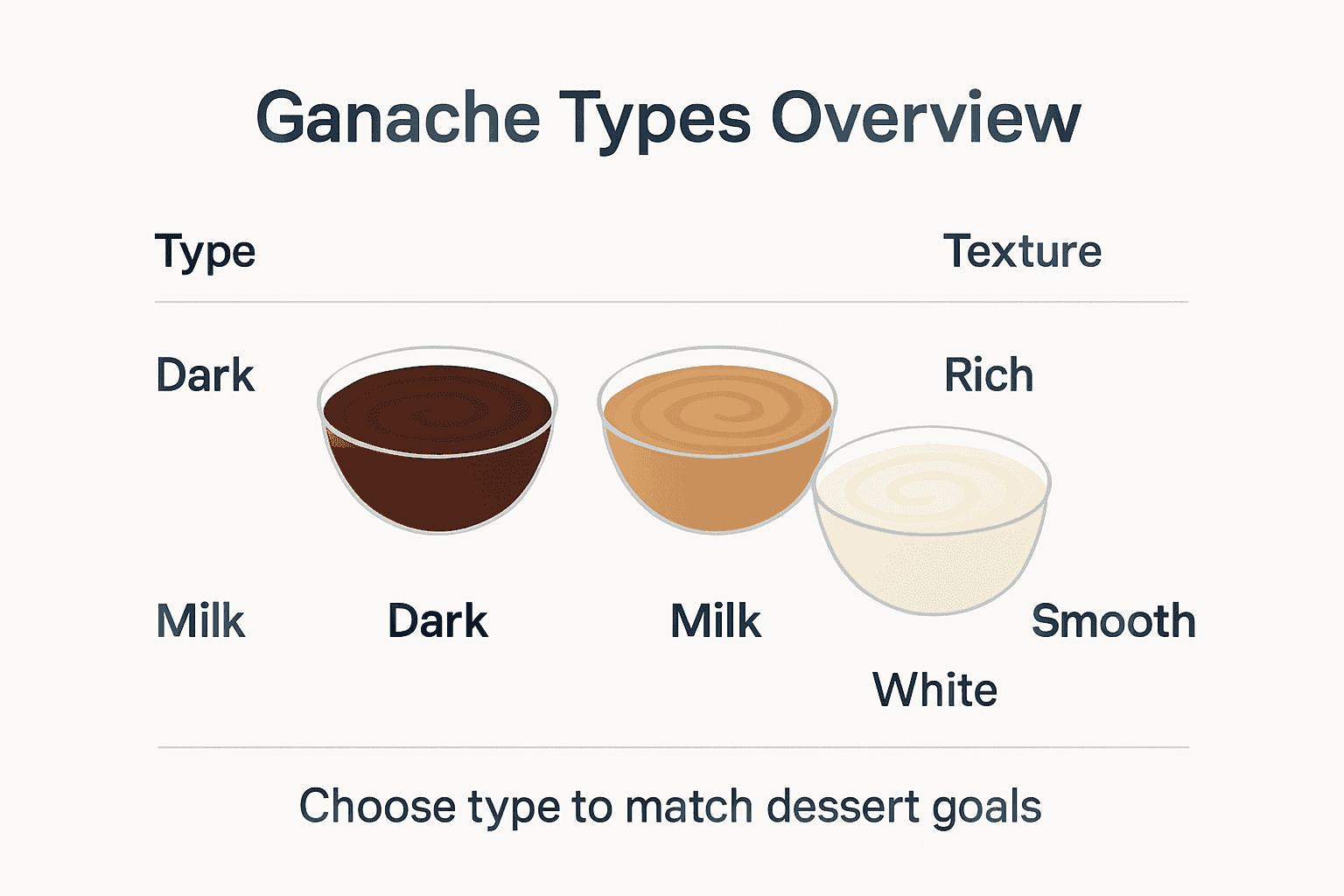
Goldings Chocolate’s dark, milk, and white chocolate varieties each bring unique characteristics to ganache making. The dark chocolate, with its higher cocoa content, creates intensely rich ganaches perfect for sophisticated dessert finishes. Milk chocolate variants offer a softer, creamier texture ideal for lighter fillings, while the white chocolate provides a delicate, sweet option for more nuanced dessert applications. Professional bakers appreciate the brand’s consistent quality, which allows for precise ratio adjustments and reliable results across different baking techniques.
Temperature control and ingredient selection are paramount when working with Goldings Chocolate. The chocolate’s balanced cocoa butter content means it melts smoothly and incorporates cream with exceptional uniformity. Bakers should aim to heat the cream to just below boiling point, then pour it over finely chopped chocolate, allowing the residual heat to create a perfect emulsion. This method ensures a glossy, smooth ganache that showcases the chocolate’s complex flavour profile and maintains its luxurious texture.
Pro tip: Always chop Goldings Chocolate into small, uniform pieces and use a gentle stirring technique to prevent air bubbles, ensuring a silky smooth ganache every time.
Common Mistakes When Making Ganache
Professional culinary insights reveal that ganache preparation is an art fraught with potential pitfalls for amateur bakers. Temperature control, ingredient quality, and precise technique are paramount in creating a smooth, glossy ganache. Many home bakers unknowingly sabotage their efforts through simple yet critical errors that can transform a potentially sublime chocolate mixture into a grainy, separated disappointment.
Overheating chocolate represents one of the most frequent mistakes in ganache preparation. When chocolate is exposed to temperatures above 45 degrees Celsius, its delicate molecular structure begins to break down, causing unpleasant graininess and potential separation. Professional bakers recommend using a gentle, indirect heating method, such as a double boiler or low-temperature microwave technique, to maintain the chocolate’s integrity. Goldings Chocolate’s range of Belgian chocolates is particularly sensitive to temperature, requiring extra care during the melting process.
Incorrect ratio selection and inadequate mixing technique can also compromise ganache quality. A common error involves using uniform cream to chocolate proportions across different chocolate types, ignoring the unique characteristics of dark, milk, and white chocolates. Dark chocolate typically requires a slightly different ratio compared to milk or white varieties due to its higher cocoa solid content. Stirring technique matters equally - vigorous mixing introduces air bubbles, while insufficient stirring can cause ingredient separation. The key is to create a smooth, consistent emulsion through gentle, patient incorporation of ingredients.
Pro tip: Use a spatula to fold cream into chocolate with slow, deliberate movements, ensuring each addition is fully integrated before adding more, to guarantee a perfectly smooth ganache.
Master Your Ganache with The Vanilla Valley
Struggling to choose the perfect chocolate for your ganache or get the texture just right Can understanding the unique qualities of dark, milk, and white ganaches transform your baking creations At The Vanilla Valley, we know that the right tools and ingredients make all the difference to your cake decorating journey Whether you are aiming for a rich, firm finish or a soft, creamy filling our extensive range of cake decorating supplies helps you bring professional techniques into your kitchen

Explore premium cake boards, boxes, food colours, and all the essentials designed to support your baking ambitions today Visit The Vanilla Valley to discover how our trusted products and expert guidance can elevate your ganache-making experience Perfect your ratios, control temperature, and showcase your chocolate artistry with confidence Act now and join our community of passionate bakers benefiting from free delivery offers and loyalty rewards only at The Vanilla Valley - your partner in every delicious creation
Frequently Asked Questions
What types of chocolate are used to make ganache?
Ganache can be made using dark, milk, or white chocolate, each offering unique flavours and textures. Dark chocolate provides a rich, intense flavour, while milk chocolate offers a creamier, sweeter option. White chocolate brings a delicate, mellow taste.
How does the chocolate-to-cream ratio affect ganache?
The chocolate-to-cream ratio significantly influences the ganache’s texture and firmness. A 1:1 ratio creates a pourable consistency, while a 2:1 ratio results in a medium texture suitable for fillings. A 3:1 ratio yields a thick, pipeable ganache ideal for decorations.
Can I use any type of chocolate for ganache?
While you can technically use any chocolate, the quality and cocoa content matter. Premium chocolates like Goldings Chocolate provide better emulsification and flavour, ensuring a smoother, more consistent ganache.
What common mistakes should I avoid when making ganache?
Common mistakes include overheating the chocolate, using incorrect ratios for different chocolate types, and improper mixing techniques. Overheating can cause graininess, while incorrect ratios can lead to unsatisfactory textures. Always stir gently to create a smooth emulsion.