Cake Boxes: Everything You Need to Know
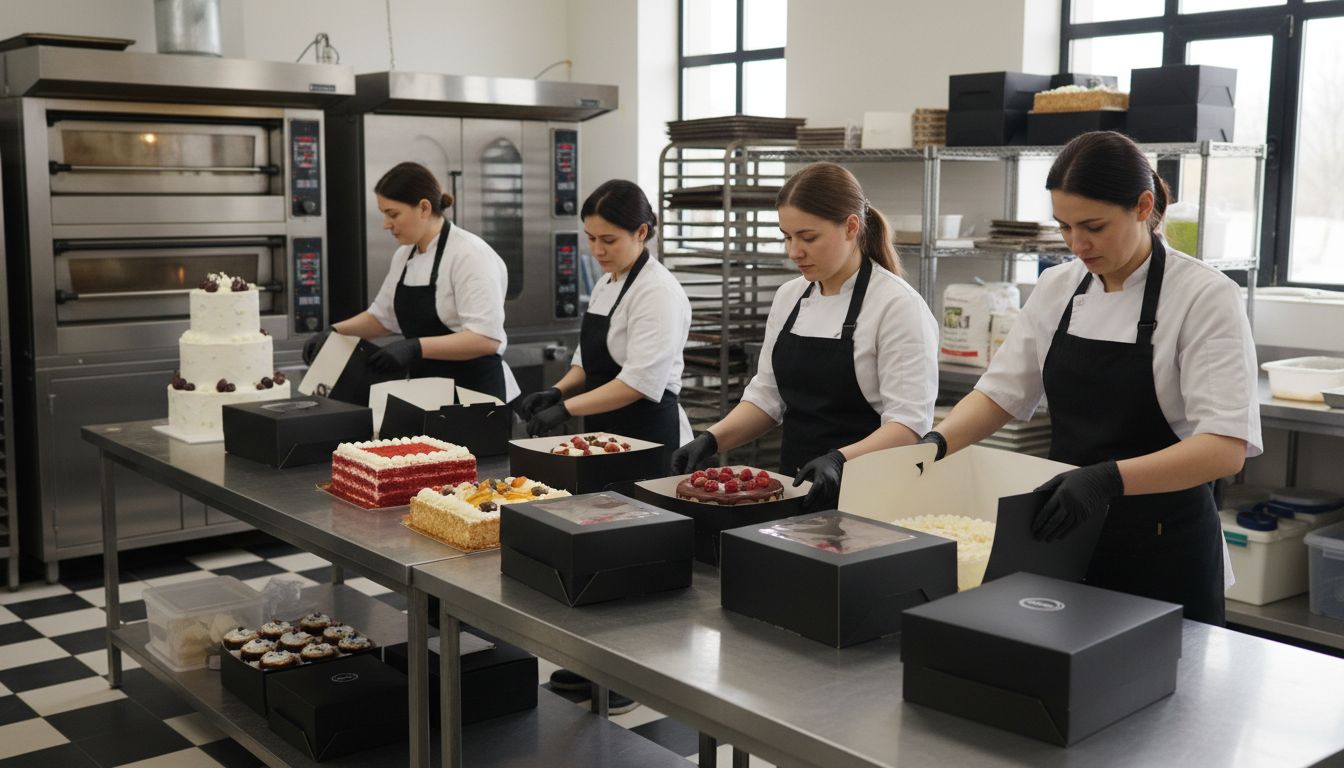
Transporting a cake without damage is a challenge for many bakers, with roughly 30 percent of cakes showing signs of mishandling after delivery. Cake boxes solve this problem by shielding delicate desserts and keeping them fresh, clean, and presentable. Whether you are preparing treats at home or supplying a bakery, knowing how cake boxes work helps you protect your creations, deliver with confidence, and create a professional impression with every dessert.
Table of Contents
- What Are Cake Boxes and Their Purpose
- Types of Cake Boxes for Every Occasion
- Key Features and Material Options
- Benefits for Storage, Transport, and Hygiene
- Food Safety Standards and Legal Compliance
- Common Pitfalls and Correct Usage
Key Takeaways
| Point | Details |
|---|---|
| Purpose of Cake Boxes | Cake boxes are essential for protecting cakes during transport, maintaining freshness, and providing a professional presentation. |
| Types of Cake Boxes | Various designs, including tiered, windowed, and slice boxes, cater to different cake styles and events. |
| Material Importance | The choice of food-grade materials ensures the safety, integrity, and cleanliness of the cakes while in packaging. |
| Common Pitfalls | Accurate sizing, proper sealing, and appropriate environmental conditions are crucial to prevent damage. |
What Are Cake Boxes and Their Purpose
Cake boxes are specialized packaging solutions designed to transform cake transportation and presentation from a challenging task into a seamless experience. According to londonspeak, these containers are crucial for protecting cakes and ensuring they remain intact and presentable during delivery or display.
These purpose-built containers serve multiple critical functions for bakers and cake enthusiasts. Cake boxes provide essential protection by creating a controlled environment that safeguards delicate baked creations from external elements. As reynopoly explains, they are crafted to preserve cake quality and offer a convenient transportation method.
The primary purposes of cake boxes include:
- Protecting cakes from physical damage during transit
- Maintaining cake freshness and preventing contamination
- Providing a professional presentation for bakery and catering businesses
- Facilitating safe and hygienic cake handling
- Creating an attractive packaging solution for customer deliveries
Whether you’re a home baker sending a birthday cake to a friend or a professional pastry chef delivering wedding cakes, understanding the right cake box is essential. Choosing the appropriate box can mean the difference between a perfectly preserved masterpiece and a damaged dessert. Check out our guide on cake box sizing to ensure you select the perfect container for your culinary creation.
Types of Cake Boxes for Every Occasion
Cake boxes are far more diverse than many bakers realize, with specialized designs tailored to different cake styles and occasions. According to packagingbee, there are multiple forms of cake boxes including tiered boxes, log cake boxes, and slice boxes that cater to diverse cake types and event requirements.
The most common cake box types range from simple single-tier containers to complex multi-layered packaging solutions. Professional bakers and home enthusiasts can choose from several key varieties:
- Single Cake Boxes: Perfect for individual cakes, cupcakes, and small desserts
- Tiered Cake Boxes: Designed for multi-level celebration cakes
- Log Cake Boxes: Specially shaped for elongated pastries and Swiss rolls
- Windowed Boxes: Featuring transparent sections to showcase cake decorations
- Slice Boxes: Ideal for selling individual cake portions
Selecting the right cake box depends on multiple factors including cake size, design complexity, and transportation needs. For those looking to elevate their cake presentation, our guide on creating the perfect treat box offers expert insights into matching your packaging with your culinary creation. Whether you’re a professional baker or a passionate home cook, understanding these packaging options can transform how you present and protect your delicious masterpieces.
Key Features and Material Options
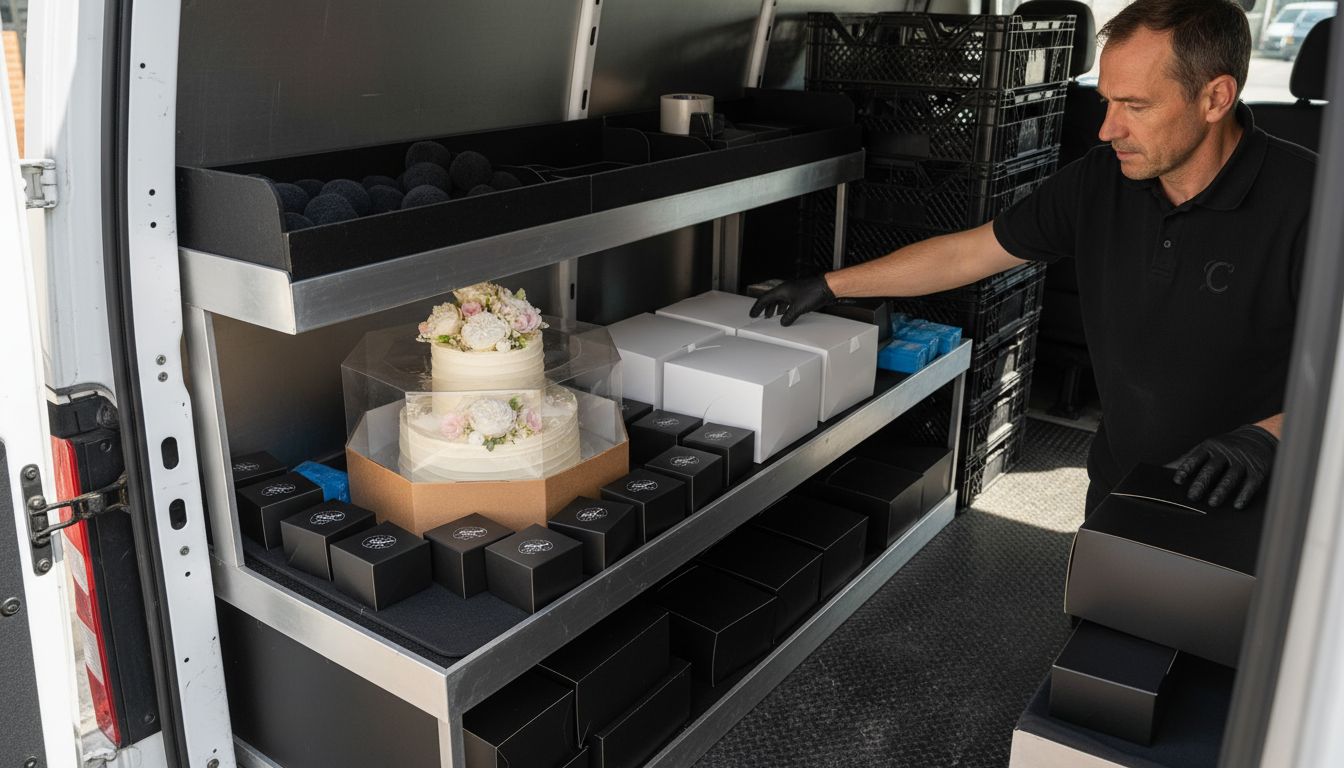
Cake box design goes far beyond simple packaging, with sophisticated features that protect and showcase culinary creations. According to packagingbee, key features include food-grade cardboard construction, transparent windows for product visibility, and secure closures that maintain freshness.
Material selection plays a crucial role in cake box quality and performance. As reynopoly explains, these containers are typically crafted from food-grade cardboard or paperboard, often featuring grease-resistant linings and optional windowed acetate panels for enhanced presentation. The most common material options include:
- Recycled Kraft Paper: Eco-friendly and sustainable
- Food-Grade Cardboard: Sturdy and reliable
- PET Plastic: Transparent and durable
- Paperboard with Grease-Resistant Lining: Prevents oil absorption
- Acetate Windowed Panels: Allows cake visibility
Choosing the right material involves balancing aesthetics, functionality, and environmental considerations. Professional bakers and home enthusiasts should consider factors like cake weight, transportation distance, and presentation style when selecting their ideal cake box. For more detailed insights into creating the perfect packaging solution, explore our tips for transporting cakes to ensure your delicious creations arrive in pristine condition.
Benefits for Storage, Transport, and Hygiene
Cake boxes are more than just simple containers; they are essential guardians of culinary craftsmanship. According to londonspeak, these specialized packaging solutions provide critical benefits including protecting cakes during transport, maintaining hygiene by preventing contamination, and preserving freshness by shielding against environmental factors.
Storage and preservation are paramount concerns for bakers and confectioners. As reynopoly explains, utilizing cake boxes ensures secure storage and transportation, safeguarding cakes from damage and maintaining product integrity. The key advantages encompass:
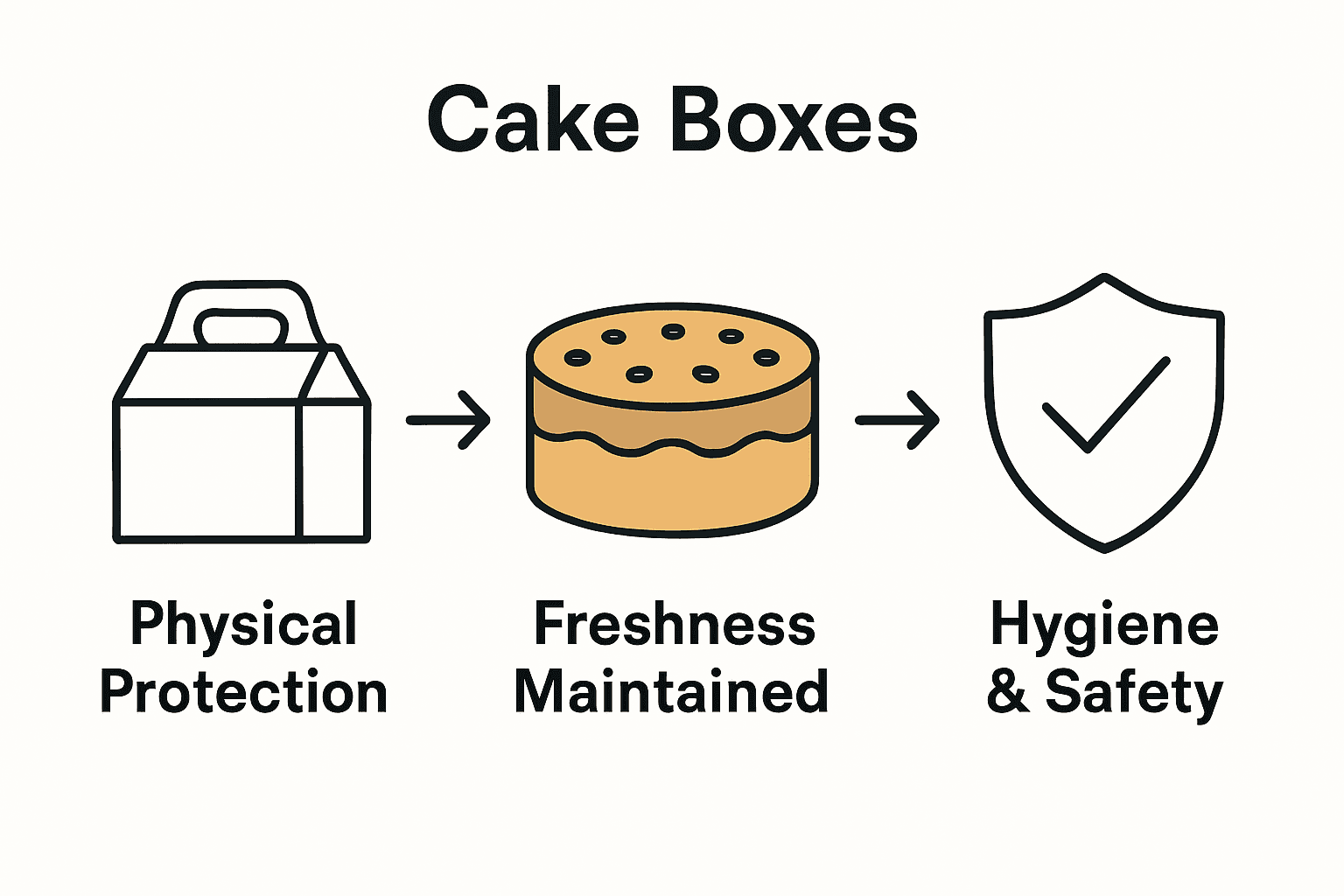
- Environmental Protection: Shields cakes from dust, moisture, and temperature fluctuations
- Contamination Prevention: Creates a sealed barrier against external bacteria and particles
- Structural Integrity: Prevents physical damage during handling and transportation
- Moisture Regulation: Maintains optimal humidity levels for cake freshness
- Temperature Control: Helps stabilize cake temperature during transit
Professional bakers and home enthusiasts alike benefit from understanding these protective qualities. Whether you’re delivering a wedding cake or transporting a delicate pastry, the right cake box can make all the difference. For comprehensive guidance on ensuring your cakes arrive in perfect condition, check out our tips for transporting cakes, which offer expert insights into maintaining your culinary masterpieces from kitchen to destination.
Food Safety Standards and Legal Compliance
Food safety is paramount when it comes to packaging edible products, and cake boxes are no exception. According to reynopoly, cake boxes are produced from certified food-grade materials, ensuring strict compliance with safety standards and suitability for direct contact with baked goods.
Legal requirements for food packaging are rigorous and multifaceted. As packagingbee highlights, individual cake boxes must be crafted from food-grade cardboard that adheres to stringent safety regulations, keeping cakes fresh and preventing contamination during storage and transport. The critical compliance factors include:
- Material Certification: Ensuring materials meet food safety regulations
- Direct Contact Approval: Verified safe for immediate food interaction
- Contamination Prevention: Designed to block external chemical migrations
- Temperature Resistance: Maintaining structural integrity under various conditions
- Traceability: Documented manufacturing and quality control processes
For bakers and food businesses, understanding these standards is not just about following rules—it’s about protecting customer health and maintaining professional integrity. Professional kitchens and home bakers alike must prioritize packaging that meets these rigorous standards. When in doubt about packaging requirements, our bento cakes guide offers additional insights into safe and compliant cake packaging solutions.
Common Pitfalls and Correct Usage
Navigating the world of cake packaging requires careful attention to detail and understanding potential challenges. According to londonspeak, one of the most critical common pitfalls involves selecting inappropriate box sizes, which can lead to cake movement and potential damage during transport.
Correct usage of cake boxes demands strategic planning and precise execution. As reynopoly emphasizes, it’s crucial to use boxes made from certified food-grade materials and assemble them properly to ensure stability during transportation. The most frequent mistakes bakers encounter include:
- Incorrect Sizing: Using boxes too large or small for the cake
- Improper Closure: Failing to secure box edges completely
- Temperature Mismanagement: Exposing cakes to inappropriate environmental conditions
- Insufficient Padding: Not using internal supports or cushioning
- Stacking Errors: Placing heavy items on top of delicate cake boxes
Professional bakers understand that packaging is an art form requiring precision and care. Whether you’re transporting a delicate wedding cake or delivering a simple pastry, understanding these potential pitfalls can make a significant difference in preserving your culinary creation. For more comprehensive guidance, explore our tips for transporting cakes, which offer expert insights into maintaining your cake’s integrity from kitchen to destination.
Protect Your Creations with the Perfect Cake Boxes from Vanilla Valley
Transporting cakes without damage or freshness loss can be a real challenge for both amateur and professional bakers. The article highlights essential pain points such as selecting the right box size, ensuring food-safe materials, and maintaining structural integrity during transit. You want your delicate creations to arrive looking as beautiful as when you made them. By understanding key features like grease-resistant linings and windowed panels, you can enhance presentation and hygiene simultaneously.
Discover a wide selection of cake boxes and all the necessary baking accessories at Vanilla Valley. With products tailored to your transport and packaging needs, you can safeguard your cakes with confidence. Explore expert advice in our cakespiration articles and benefit from free next day delivery when you shop today. Protect your masterpiece, impress your customers or loved ones, and elevate your baking game now.
Frequently Asked Questions
What are cake boxes used for?
Cake boxes are specialized packaging solutions designed to protect cakes during transport, maintain freshness, and provide a professional presentation. They prevent physical damage and contamination while ensuring cakes remain intact and visually appealing.
What types of cake boxes are available?
There are several types of cake boxes including single cake boxes for individual cakes, tiered cake boxes for multi-level cakes, log cake boxes for elongated pastries, windowed boxes for showcasing decorations, and slice boxes for selling individual portions.
What materials are cake boxes made from?
Cake boxes are primarily made from food-grade materials such as recycled kraft paper, food-grade cardboard, PET plastic, and paperboard with grease-resistant linings. Acetate panels may also be used for visibility and enhanced presentation.
How do I choose the right cake box for my cake?
Selecting the right cake box depends on the size and type of your cake, design complexity, and transportation needs. It’s important to ensure the box is the correct size to prevent movement and damage during transit.