7 Baking Trends We’re Predicting for This Year: Expert Guide
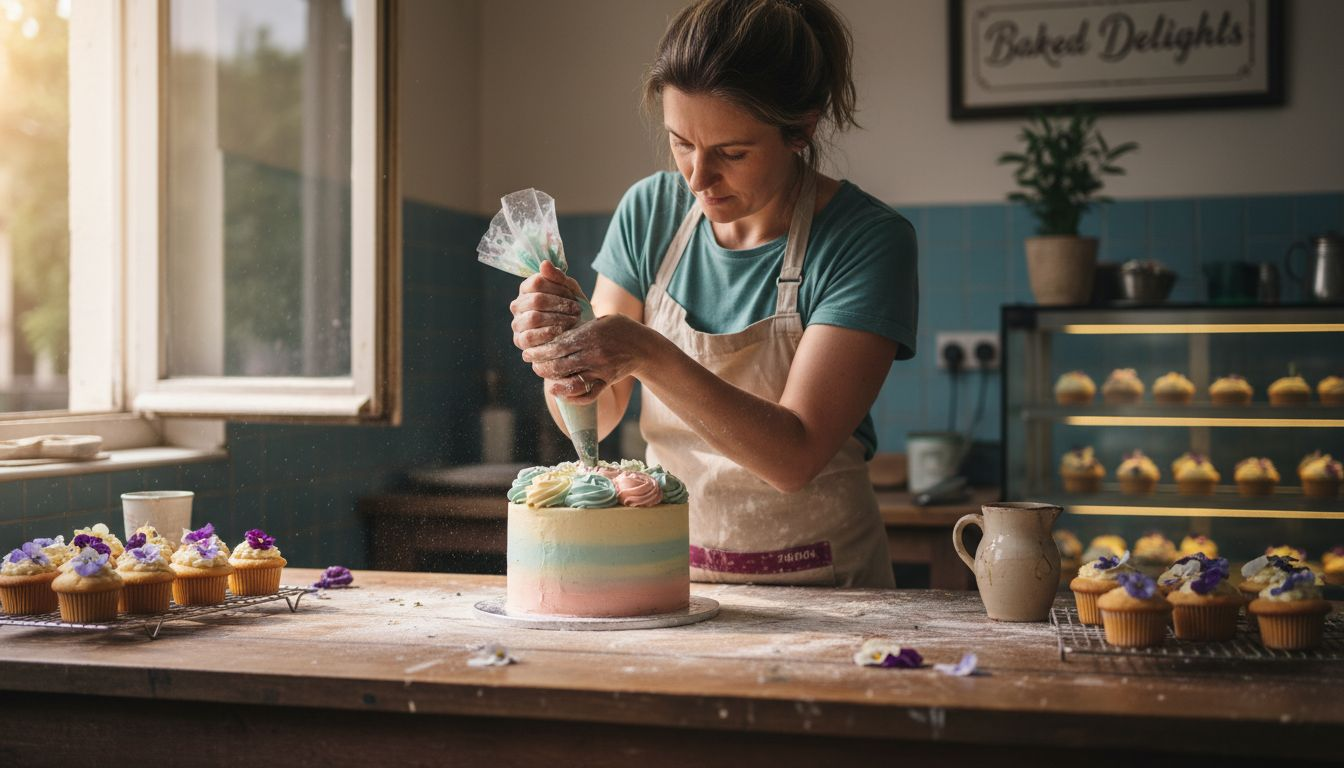
Over 60 percent of British home bakers say current trends shape how they decorate their cakes. Staying ahead of what’s popular matters for anyone in South Wales looking to grow their baking skills or attract more customers. This roundup serves up a fresh mix of the latest British decorating ideas, from bold colours to interactive cake designs, giving you practical inspiration to try right away.
Table of Contents
- 1. Embracing Vibrant Pastels And Earthy Green Shades
- 2. Elevating Designs With Metallic And Shimmer Finishes
- 3. Plant-Based And Allergen-Friendly Ingredients Rising
- 4. 3D Cake Sculpting And Statement Toppers
- 5. Minimalist Cakes: Clean Lines And Simple Elegance
- 6. Botanical Prints And Nature-Inspired Decorations
- 7. Interactive Edible Elements: Pull-Apart And Surprise Cakes
Quick Summary
| Takeaway | Explanation |
|---|---|
| 1. Embrace pastel and earthy tones | Use soft colours like mint green and blush to create calming and sophisticated cake designs that connect with nature. |
| 2. Incorporate metallic finishes | Add elegance to cakes using edible metallic powders and paints for stunning visual effects without overwhelming the design. |
| 3. Focus on inclusive ingredients | Use plant-based and allergen-friendly ingredients to cater to diverse dietary needs while ensuring delicious taste and texture. |
| 4. Explore 3D sculpting techniques | Create intricate and personalised cake designs using advanced sculpting methods that allow for artistic storytelling in cake decoration. |
| 5. Design interactive cake experiences | Create pull-apart and surprise cakes that engage guests, making dessert sharing a fun and social activity during celebrations. |
1. Embracing Vibrant Pastels and Earthy Green Shades
Bakers across the United Kingdom are experiencing a colourful revolution in cake design, with vibrant pastel and earthy green tones transforming traditional confectionery aesthetics. This emerging trend reflects a growing desire to create visually stunning bakes that connect with nature and evoke a sense of tranquillity.
The colour palette draws inspiration from both artistic traditions and contemporary design principles. Research from UK market trends indicates that these soft yet dynamic colours are increasingly used to communicate freshness, sustainability, and creativity in baking.
Pastel shades like soft mint green, blush pink, lavender, and sage are becoming incredibly popular among home bakers and professional cake decorators. These colours not only look aesthetically pleasing but also create a sense of calm and sophistication in cake design. By incorporating earthy green tones, bakers can add a natural, organic element that resonates with health conscious consumers.
To implement this trend, consider using food colouring gels or natural pigments that provide rich, nuanced colour without compromising taste. Techniques like watercolour painting on fondant, gradient icing, and delicate brush embroidery can help achieve these sophisticated colour effects.
Expert Tip: When working with pastel colours, use white or very light base icing to ensure the subtle hues appear crisp and vibrant.
2. Elevating Designs with Metallic and Shimmer Finishes
Cake decorators across the United Kingdom are embracing a glamorous trend that transforms ordinary bakes into extraordinary culinary art: metallic and shimmer finishes. These luxurious design elements add a touch of elegance and sophistication that elevates even the simplest cake designs.
Research from food technology experts reveals that metallic decorations are increasingly popular in artisanal cake design. These finishes range from subtle pearl lustres to bold gold and silver accents, offering bakers numerous creative possibilities.
To achieve these stunning effects, bakers can use specialised edible metallic powders, lustre dusts, and food safe paints. The key is understanding application techniques that create a smooth, even finish without overwhelming the cake’s original design. Techniques like brushing, airbrushing, and delicate hand painting can produce everything from soft shimmering effects to dramatic metallic statements.
Popular application methods include creating elegant metallic borders, painting intricate patterns, or adding strategic shimmer highlights to wedding and celebration cakes. Professional bakers often combine metallic finishes with minimalist design elements or botanical themes to create modern sophisticated presentations.
Expert Tip: Always test your metallic finish on a small fondant sample first to ensure the colour and shine meet your exact design vision.
3. Plant-Based and Allergen-Friendly Ingredients Rising
The British baking landscape is experiencing a transformative shift towards more inclusive and health conscious ingredient choices. Plant-based and allergen-friendly ingredients are no longer niche alternatives but mainstream culinary innovations that cater to diverse dietary requirements.
Research from the UK’s plant-based food market indicates a significant surge in demand for alternative ingredients that support various dietary needs. Bakers are now exploring exciting alternatives like oat flour, almond milk, and coconut derivatives to create delicious treats that accommodate allergies and lifestyle choices.
The movement goes beyond simple ingredient substitution. Modern bakers are crafting sophisticated recipes that deliver exceptional taste and texture while being completely free from common allergens such as dairy, eggs, gluten, and nuts. This approach requires creativity and deep understanding of ingredient interactions.
Popular alternatives include chickpea flour for protein rich baking, aquafaba as an egg replacement, and a range of plant based milks that can transform traditional recipes. These ingredients not only support dietary restrictions but also introduce unique flavour profiles and nutritional benefits.
Expert Tip: Always conduct a test bake when experimenting with new plant based ingredients to understand how they might alter your recipe’s texture and flavour.
4. 3D Cake Sculpting and Statement Toppers
Cake design has evolved far beyond traditional round layers into an intricate art form where sculptural techniques and statement toppers transform ordinary desserts into extraordinary visual experiences. Bakers are now creating edible masterpieces that tell stories and capture imaginations.
Professional training programmes are increasingly supporting this artistic evolution, teaching bakers advanced sculpting methods that push creative boundaries. Modern cake artists can now craft three dimensional designs ranging from realistic animal figures to abstract geometric structures that challenge traditional cake decorating conventions.
Statement toppers have become more than mere decorative elements they are now personalised narratives crafted to reflect individual stories. Wedding cakes might feature hand sculpted figurines representing the couple miniature replicas capturing their unique relationship. Birthday cakes can include intricate edible sculptures that represent hobbies interests or memorable moments.
Techniques for 3D sculpting include working with fondant modelling chocolate and sugar paste to create intricate designs. Professional bakers recommend building internal supports using materials like rice krispie treats or dense cake structures before applying detailed decorative layers.
Expert Tip: Practice sculpting with more affordable materials like play dough before attempting complex cake designs to develop your spatial awareness and technique.
5. Minimalist Cakes: Clean Lines and Simple Elegance
Minimalist cake design represents a sophisticated approach that celebrates simplicity and technical precision in baking. This emerging trend moves away from overly ornate decorations towards clean lines and understated elegance that speak volumes through restraint.
Culinary education programmes are increasingly highlighting the importance of mastering minimalist techniques that require exceptional skill and attention to detail. Unlike elaborate designs that hide imperfections minimalist cakes demand absolute technical perfection in every layer and surface.
The core principles of minimalist cake design include using neutral colour palettes soft whites neutral greys and muted tones. Texture becomes a critical element with smooth buttercream surfaces subtle geometric patterns and strategic negative space creating visual interest. Bakers focus on precision smooth edges and immaculate finishing techniques that transform simple cakes into architectural statements.
Practical approaches include using single tone frosting creating sharp geometric cake shapes and incorporating understated natural elements like fresh herbs or edible flowers as minimal decorative accents. The goal is to create a cake that looks effortless yet requires significant technical skill and thoughtful design.
Expert Tip: Invest in professional offset spatulas and a rotating cake stand to achieve those perfectly smooth minimalist finishes that define contemporary cake design.
6. Botanical Prints and Nature-Inspired Decorations
Cake decoration is experiencing a transformative moment where botanical artistry meets culinary creativity. Bakers are now using intricate nature inspired designs that transform simple cakes into living canvases celebrating the delicate beauty of the natural world.
Botanical art collections are providing extraordinary inspiration for contemporary cake designers. These references from historical botanical illustrations are guiding bakers to create incredibly detailed sugar flowers and foliage decorations that capture nature’s essence with remarkable precision.
Techniques for achieving botanical prints include hand painting delicate flower motifs directly onto fondant surfaces using edible food colours creating watercolour like effects. Alternatively bakers are crafting three dimensional sugar flowers that mimic specific botanical species with extraordinary accuracy. Techniques such as petal dusting gum paste modelling and airbrushing enable incredibly lifelike representations of roses orchids succulents and wildflowers.
Professional cake designers are combining botanical prints with modern design principles creating cakes that feel both timeless and contemporary. This might involve subtle green leaf patterns geometric botanical outlines or hyper realistic sugar flower arrangements that serve as stunning centrepieces.
Expert Tip: Invest in fine paintbrushes and practice botanical illustration techniques on parchment paper before applying designs directly to cake surfaces.
7. Interactive Edible Elements: Pull-Apart and Surprise Cakes
Interactive cake designs are revolutionising celebration experiences by transforming passive desserts into engaging culinary adventures. These innovative creations invite guests to participate in the cake experience rather than simply consuming a traditional slice.
Modern cake decorating practices are embracing interactive elements that transform ordinary cakes into playful experiences. Pull-apart cakes and surprise centerpieces have become sophisticated techniques that blend culinary art with interactive entertainment.
Pull-apart cakes typically feature individual cake portions designed to be easily separated creating a communal and playful eating experience. These designs might include individual cupcakes arranged to form a larger shape like an animal or number or clusters of sweet dough balls that can be pulled apart and shared. The technique allows for creative presentation and encourages social interaction during celebrations.
Surprise cakes take interactivity even further by incorporating hidden compartments edible fillings or unexpected design elements that reveal themselves when the cake is cut. These might include cascading sprinkles internal colour gradients or sculptural elements that emerge as the cake is deconstructed creating moments of delightful discovery.
Expert Tip: Practice your structural design and structural stability when creating pull-apart or surprise cakes to ensure each component remains intact and visually appealing during the reveal.
Below is a comprehensive table summarising the main trends, strategies, and insights discussed throughout the article.
| Trend | Description | Key Considerations |
|---|---|---|
| Vibrant Pastels and Green Shades | Bakers use pastel and earthy tones to create visually stunning, tranquil cake designs inspired by nature. | Utilise food colouring gels or natural pigments; apply to light bases for vibrant results. |
| Metallic and Shimmer Finishes | Luxurious metallic and shimmer elements elevate cake aesthetics to achieve sophisticated designs. | Use edible powders, lustre dust; apply them through brushing or airbrushing for refined, elegant effects. |
| Plant-Based Ingredients | The demand for allergen-friendly ingredients leads to innovative recipes that accommodate dietary restrictions. | Explore alternatives like oat flour, aquafaba, and plant-based milks, testing for texture and flavour compatibility. |
| 3D Sculpting and Toppers | Edible sculptures and personalised toppers transform cakes into artistic stories reflecting unique narratives. | Employ structured designs with fondant and modelling chocolate; consider internal supports for stability. |
| Minimalist Design | Emphasising simplicity, these cakes focus on clean lines, neutral colours, and flawless technical precision. | Invest in high-quality tools; practise techniques for smooth finishes and subtle decorative elements. |
| Botanical Decorations | Incorporating nature-inspired designs through botanical prints and realistic sugar flowers into cake creations. | Use fine paintbrushes and practise designs; employ intricate modelling and dusting techniques for lifelike details. |
| Interactive Elements | Cakes featuring pull-apart portions and surprise fillings enhance engagement during celebrations. | Plan for structural integrity; integrate space for hidden surprises while ensuring aesthetic appeal. |
Elevate Your Cake Decorating with The Latest Trends
Mastering the newest baking styles like vibrant pastels, metallic finishes, and botanical prints requires the right tools and supplies. Whether you are experimenting with plant-based ingredients or crafting intricate 3D sculpted designs, having quality cake boards, edible colours, and decorating accessories is essential to bring your creative vision to life. At The Vanilla Valley, we understand the challenges bakers face when trying to achieve those perfect minimalist finishes or create interactive pull-apart cakes that wow every occasion.
Explore our wide range of professional cake decorating essentials designed to support your skills and inspire your artistry. Don’t wait to transform your baking journeys and delight your customers or loved ones with stunning creations. Visit The Vanilla Valley today and discover trusted products, expert advice, and exclusive offers all tailored to help you succeed. Start shopping now and turn this year’s baking trends into your signature masterpieces.
Frequently Asked Questions
What are the key baking trends predicted for this year?
The key baking trends include vibrant pastels and earthy greens, metallic and shimmer finishes, plant-based and allergen-friendly ingredients, 3D cake sculpting, minimalist designs, botanical prints, and interactive edible elements. To stay updated, explore each of these trends and try to incorporate at least one into your next baking project.
How can I incorporate pastel colours into my cake designs?
To incorporate pastel colours, use food colouring gels or natural pigments on a white or very light base icing. Experiment with techniques like watercolour painting and gradient icing for impressive visual effects, aiming to create vibrant and crisp hues.
What are some techniques for creating metallic finishes on cakes?
Bakers can achieve metallic finishes by using edible metallic powders, lustre dusts, and food-safe paints. Start by practising with brushing, airbrushing, or hand painting to master the application and create elegant designs on your cakes.
What alternatives can I use for allergen-friendly baking?
Consider using oat flour, almond milk, and aquafaba as replacements for traditional ingredients while ensuring your baked goods remain delicious. Conduct test bakes to refine the texture and taste when experimenting with these alternative ingredients.
How do I create a 3D sculpted cake?
To create a 3D sculpted cake, choose materials like fondant or modelling chocolate and build internal supports for stability. Start by practising with simpler shapes and gradually progress to more complex designs as your skills improve.
What strategies can I use for minimalist cake designs?
Focus on using a neutral colour palette and precise techniques to achieve smooth edges and immaculate finishes. Invest in professional tools like offset spatulas and a rotating cake stand to ensure your minimalist cakes look effortlessly elegant.