Baking Mistakes We’ve All Made – Fixes Pros Trust
Baking can turn from joyful to frustrating when your cake sinks or pastry turns tough, even in a South Wales kitchen filled with experienced bakers. These mishaps usually come down to factors like overworking dough, inaccurate oven temperatures, and imprecise measurements. By exploring the most common baking mistakes and the simple changes you can make, you will discover reliable ways to improve your skills and create more consistent, high-quality results.
Table of Contents
- Baking Mistakes Everyone Encounters
- Types of Baking Errors and Their Causes
- Essential Tools and Accurate Measurements
- How Oven Use Impacts Results
- Preventing and Fixing Common Disasters
Key Takeaways
| Point | Details |
|---|---|
| Avoid Overworking Dough | Overworking dough can lead to tough textures, so handle it gently. |
| Accurate Ingredient Measurements | Use precise measurements to maintain the chemical balance crucial for baking success. |
| Understand Oven Dynamics | Master your oven’s unique characteristics to achieve consistent baking results. |
| Learn from Disasters | Each baking mistake is an opportunity to improve; document your experiences to enhance future performances. |
Baking Mistakes Everyone Encounters
Baking might seem straightforward, but even experienced home cooks encounter frustrating challenges that can turn a promising recipe into a culinary disaster. Common baking problems often stem from precise technical issues that require understanding and careful technique.
Most home bakers struggle with several predictable mistakes that can compromise their baked goods. These typically involve ingredient handling, temperature management, and technical execution. Here are the most prevalent baking mishaps:
- Overworking Dough: Handling pastry or bread dough too aggressively develops excess gluten, resulting in tough, dense textures
- Incorrect Oven Temperatures: Baking at the wrong heat can cause uneven cooking, burnt edges, or raw centres
- Ingredient Measurement Errors: Using imprecise measurements disrupts the delicate chemical balance required in baking
- Ignoring Ingredient Temperature: Using cold butter or eggs can dramatically affect mixture consistency
Understanding these common pitfalls helps bakers develop more reliable techniques. Professional bakers know that precision isn’t about perfection, but consistent, thoughtful preparation.
Successful baking requires patience, attention to detail, and a willingness to learn from every mistake.
Pro tip: Always read the entire recipe before starting and measure ingredients precisely to avoid unexpected baking failures.
Types of Baking Errors and Their Causes
Baking is a precise science where even small mistakes can dramatically impact the final result. Ingredient measurement errors represent a critical challenge for home bakers, often leading to unexpected and disappointing outcomes.
Understanding the root causes of baking errors helps prevent common pitfalls that frustrate both novice and experienced bakers. The most significant types of baking mistakes typically fall into several key categories:
- Measurement Inaccuracies: Using incorrect quantities of ingredients disrupts the delicate chemical balance required for successful baking
- Ingredient Substitution: Replacing ingredients without understanding their specific chemical properties can cause structural failures
- Temperature Mismanagement: Incorrect oven temperatures or ingredient temperatures can compromise texture and rise
- Mixing Technique Errors: Overmixing or undermixing batter can develop too much or too little gluten, affecting final texture
The complexity of baking requires a methodical approach. Professional bakers understand that each ingredient plays a crucial role in the chemical reaction that transforms raw ingredients into delectable baked goods.
Precision in baking is not about perfection, but about understanding the scientific principles behind successful recipe execution.
When working with complex recipes, it’s essential to approach baking as a careful, thoughtful process that demands attention to detail and a willingness to learn from previous attempts.
Pro tip: Invest in a digital kitchen scale to ensure precise ingredient measurements and dramatically improve your baking consistency.
Essential Tools and Accurate Measurements
Precise baking demands more than just enthusiasm - it requires specialised equipment and meticulous technique. Professional bakers rely on accurate measurement tools to transform simple ingredients into culinary masterpieces.
The foundation of successful baking lies in having the right tools and understanding how to use them correctly. Essential equipment for precise baking includes:
- Digital Kitchen Scale: Provides gram-level precision for ingredient quantities
- Calibrated Measuring Cups: Ensures consistent liquid and dry ingredient measurements
- Oven Thermometer: Verifies actual oven temperature versus dial settings
- Silicone Spatulas: Helps scrape bowls completely and mix ingredients thoroughly
- Precise Measuring Spoons: Allows accurate portioning of small ingredient quantities
Measurement accuracy is critical because even minor variations can dramatically alter a recipe’s chemical composition. A few grams too much flour or a slightly incorrect sugar quantity can transform a potential showstopper into a baking disappointment.
Baking is a science where precision matters more than creativity.
Professional bakers understand that consistent results come from repeatable processes, which begin with accurate, reliable measurement techniques and well-maintained equipment.
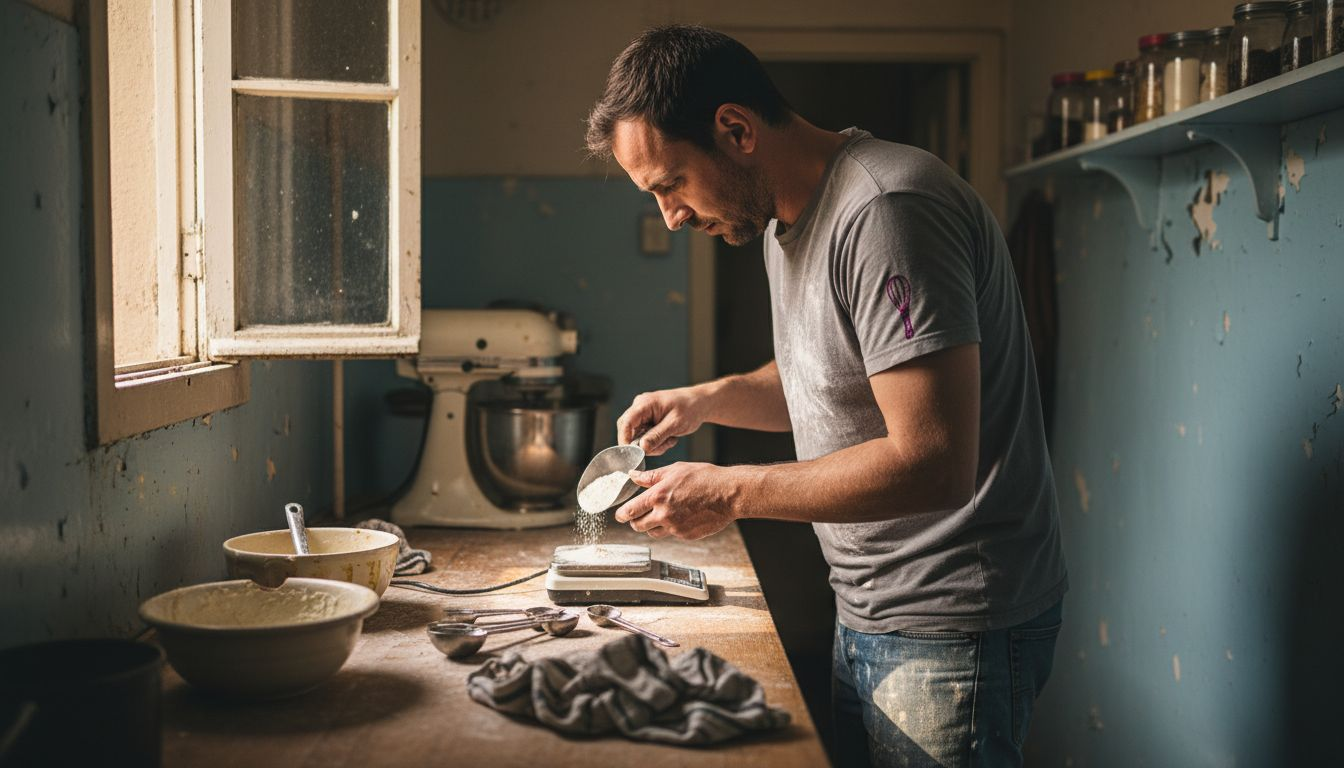
Compare essential baking tools and their main advantages:
| Tool | Benefit | Typical Use |
|---|---|---|
| Digital kitchen scale | Precise ingredient measurement | Weighing flour, sugar |
| Oven thermometer | Ensures correct baking temperature | Calibrating oven heat |
| Silicone spatula | Efficient mixing and scraping | Mixing batter, folding |
| Measuring spoons | Accurate small quantity dosing | Spices, baking powder |
Pro tip: Always level dry ingredients in measuring cups and spoons using a straight-edged knife to ensure absolutely precise quantities.
How Oven Use Impacts Results
Oven temperature management critically influences baking outcomes, requiring precision and understanding of how heat interacts with ingredients. Professional bakers know that seemingly minor temperature variations can transform a potential masterpiece into a kitchen disaster.
Understanding oven dynamics involves recognising several key factors that impact baking results:
- Temperature Accuracy: Different oven types produce varying heat distributions
- Preheating Requirements: Ensures consistent cooking temperature from start
- Rack Positioning: Impacts heat circulation and final product texture
- Door Opening Habits: Causes significant temperature fluctuations
- Fan Versus Conventional Settings: Requires specific recipe adjustments
Modern ovens present unique challenges that home bakers must navigate carefully. Fan-assisted ovens, for instance, circulate heat more aggressively, which means reducing recommended temperatures by approximately 10-20 degrees compared to conventional recipes.
Mastering your oven’s unique characteristics is as important as mastering the recipe itself.
Consistent baking performance demands understanding your specific oven’s quirks, which often requires patience, experimentation, and a willingness to make incremental adjustments.
Pro tip: Invest in an independent oven thermometer to verify and calibrate your appliance’s actual temperature settings.
Preventing and Fixing Common Disasters
Baking disasters can be systematically prevented and rescued with strategic techniques and a calm approach. Understanding potential pitfalls allows bakers to transform potential failures into successful culinary creations.
Most common baking disasters fall into predictable categories that can be anticipated and managed:
- Curdled Mixtures: Often caused by temperature differences between ingredients
- Tough Pastry: Results from overworking dough or incorrect fat temperatures
- Soggy Bottoms: Typically occurs due to insufficient preheating or incorrect rack placement
- Collapsed Cakes: Usually stems from underbaking or opening the oven too early
- Uneven Baking: Caused by inconsistent oven temperatures or poor ingredient distribution
Professional bakers understand that each baking mistake offers a learning opportunity. Careful observation and methodical troubleshooting can transform seemingly ruined bakes into salvageable - and sometimes exceptional - dishes.
Every baking disaster is just an unexpected recipe waiting to be discovered.
Mitigating baking risks requires patience, practice, and a willingness to understand the scientific principles underlying each recipe. Techniques like gentle mixing, precise temperature control, and careful ingredient preparation can dramatically reduce the likelihood of kitchen catastrophes.
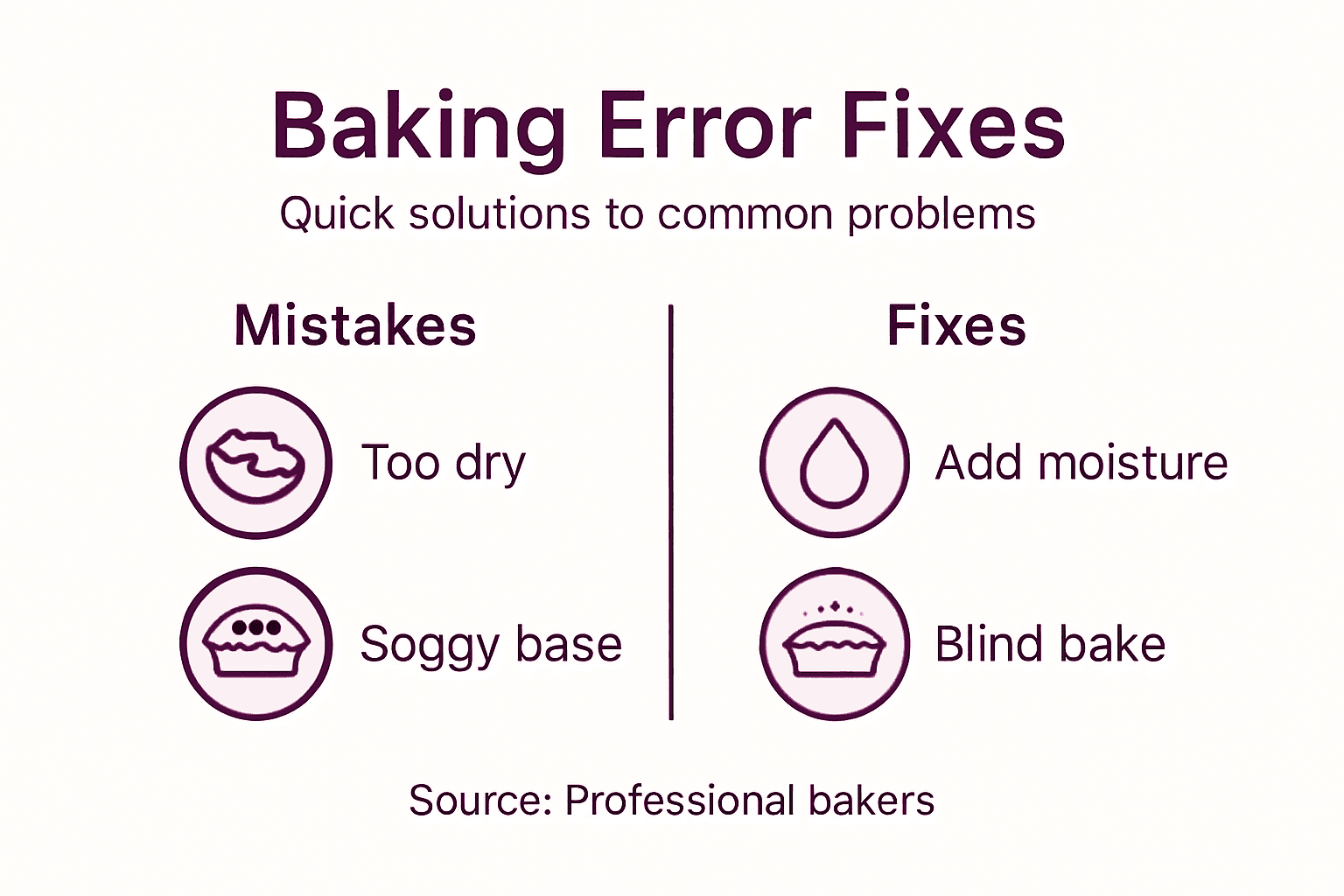
Here’s a quick reference guide to the causes of common baking problems and how to resolve them:
| Problem | Likely Cause | Simple Solution |
|---|---|---|
| Dense Bread | Overworked dough | Mix gently until just combined |
| Burnt Edges | Incorrect oven temperature | Use an oven thermometer |
| Sunken Cake | Oven door opened too soon | Keep oven closed until set |
| Curdled Mixture | Cold ingredients | Bring all items to room temperature |
| Soggy Base | Underheated oven or wrong rack | Preheat properly, adjust position |
Pro tip: Keep a notebook to document your baking experiments, noting exactly what went wrong and potential solutions for future attempts.
Master Precision Baking with The Vanilla Valley
Baking mistakes like overworked dough, incorrect oven temperatures, or imprecise measurements can easily turn your efforts into disappointment. If you want to move past common baking disasters and embrace the confidence that comes with consistent, professional-quality results, The Vanilla Valley is your perfect partner. We understand the critical role of precise tools and quality ingredients in every bake.

Explore our extensive range of cake decorating supplies and baking accessories crafted to help you avoid those common pitfalls. Whether you need a digital kitchen scale for exact measurements, an oven thermometer to calibrate your baking temperature, or premium fondants and food colours for flawless finishing touches, you will find everything at The Vanilla Valley. Don’t let frustration hold you back – start baking with confidence today by visiting our website and experiencing why we have been trusted by home bakers and professionals since 2009.
Shop now at The Vanilla Valley online store and join our growing community who turn baking challenges into delicious achievements.
Frequently Asked Questions
What are common baking mistakes that can ruin my recipe?
Common baking mistakes include overworking dough, incorrect oven temperatures, measurement inaccuracies, and using ingredients at the wrong temperature.
How can I ensure accurate ingredient measurements for baking?
To ensure accurate measurements, use a digital kitchen scale for weighing ingredients, and level dry ingredients with a straight-edged knife for precision.
What should I do if my cake collapses after baking?
A cake may collapse due to underbaking or opening the oven door too early. To fix this, avoid opening the oven prematurely and ensure the cake is fully cooked by checking with a skewer.
How can I prevent a soggy pastry base?
To prevent a soggy base, ensure your oven is properly preheated and consider adjusting the oven rack position to allow for better heat circulation.
Recommended
- Baking Basics People Always Get Wrong – Explained - The Vanilla Valley
- 7 Common Christmas Baking Mistakes and How to Avoid Them - The Vanilla Valley
- Bake like a professional - The Vanilla Valley
- How to Avoid Making a Fail Cake: Essential Steps - The Vanilla Valley
- Master Food Safety at Bake Sales: Step-by-Step Guide - Probe IT