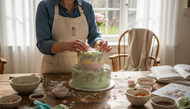
Creative Easter cake decorating ideas for 2026
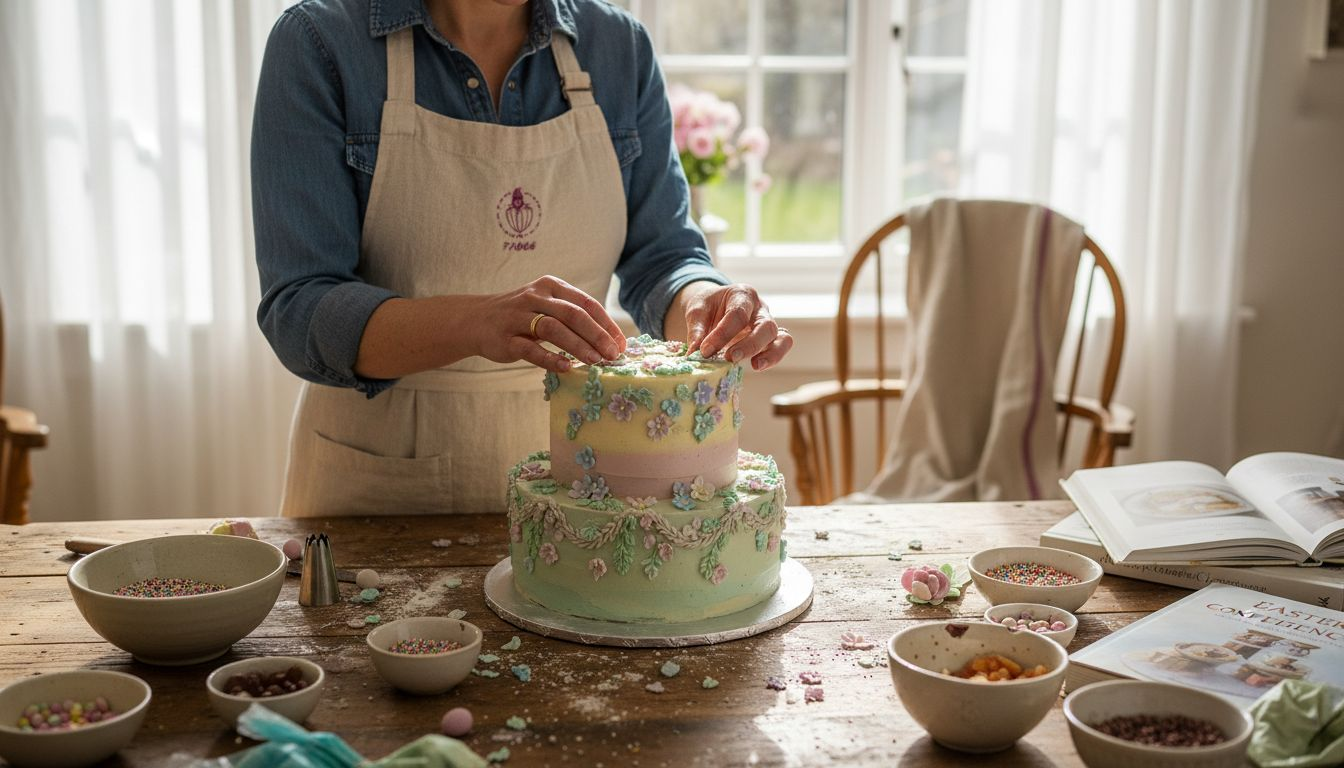
Selecting the perfect Easter cake design can feel overwhelming with endless options flooding social media each spring. Pastel colours and playful themes continue dominating Easter cake decoration in 2026, offering bakers fresh inspiration for both traditional and contemporary celebrations. This article highlights standout designs trending this year, practical decorating techniques for achieving professional finishes, and expert guidance on choosing cakes that match your skill level and occasion. You’ll discover how to craft Easter cakes that genuinely impress guests whilst building confidence in your decorating abilities.
Table of Contents
- How To Choose The Best Easter Cake Design For 2026
- Top Easter Cake Decorating Ideas To Try In 2026
- Techniques And Tips For Perfect Easter Cake Layers And Finishing Touches
- Comparing Easter Cake Decorating Options For 2026: Visual Styles And Skill Demands
- Discover Quality Cake Decorating Supplies At The Vanilla Valley
- FAQ
Key takeaways
| Point | Details |
|---|---|
| Pastel colours dominate 2026 | Soft pinks, blues, and yellows remain the most popular Easter cake palette this year |
| Three standout designs | Botanical garden, minimalist speckled egg, and deconstructed simnel cakes offer varied skill levels |
| Technique matters for layers | Precise batter division and gentle mixing create distinct, professional-looking cake layers |
| Edible flowers add elegance | Fresh botanicals and creative sprinkles elevate Easter cakes with natural beauty and texture |
| Match design to occasion | Consider your audience, available time, and decorating skills when selecting cake styles |
How to choose the best Easter cake design for 2026
Selecting an Easter cake design requires balancing aesthetic appeal with practical considerations. Pastel colours and playful themes will continue dominating Easter cake decoration in 2026, making trend alignment your first decision point. Choose designs featuring soft pinks, mint greens, or buttery yellows for contemporary appeal that resonates with current preferences.
Your baking skill level directly impacts which designs you should attempt. Beginners benefit from simpler buttercream finishes with minimal piping, whilst advanced decorators can tackle intricate sugar flowers or multi-layered constructions. Honestly assess your comfort with techniques like crumb coating, fondant work, or delicate stencilling before committing to a design.
Ingredient availability shapes your options significantly. Edible flowers require sourcing from specialist suppliers or growing your own pesticide-free blooms. Creative sprinkles and colour dusts need advance ordering to ensure you have exactly the shades matching your vision. Check your local suppliers or plan online orders well before your baking date.
Time and tool considerations prevent last-minute stress. Intricate designs demand hours of focused decorating time, specialist piping tips, and patience for drying stages. Simpler cakes still deliver visual impact without requiring professional-grade equipment or marathon decorating sessions.
Audience preferences guide your final choice. Children adore bright sprinkle decorations and playful bunny motifs, whilst adult gatherings appreciate sophisticated botanical elements or elegant minimalist finishes. Formal celebrations call for refined colour palettes and polished execution.
Pro Tip: Create a mood board with saved images of Easter cakes you admire, then identify common elements like colour schemes, decoration styles, or structural features. This reveals your natural preferences and helps you select a cohesive design direction rather than attempting to incorporate every trending element.
Top Easter cake decorating ideas to try in 2026
Three distinctive designs capture the essence of Easter cake trends for 2026, each offering unique visual appeal and varying technical demands.
The enchanted botanical garden cake
The enchanted botanical garden cake is the most coveted 2026 trend, featuring edible flowers and rustic aesthetics that transform simple sponge into an edible masterpiece. This semi-naked style showcases visible cake layers between artfully applied buttercream, creating an organic, just-picked-from-the-garden appearance. Fresh edible flowers like violas, primroses, and pansies nestle between rosemary sprigs and delicate sugar pearls.
The technique requires confident buttercream application using an offset spatula to create intentional gaps revealing cake beneath. Edible flowers must be pesticide-free and thoroughly washed, then gently pressed into frosting whilst still soft. Rosemary sprigs add unexpected herbal fragrance and visual texture.
This design suits intermediate bakers comfortable with basic buttercream work but ready to experiment with natural decorations. The rustic finish forgives minor imperfections, making it less intimidating than perfectly smooth fondant cakes. Festive edible decorations principles apply equally to Easter themes.
Modern minimalist speckled egg cake
Modern minimalist speckled egg cake offers chic elegance with smooth buttercream and delicate speckling that mimics natural quail eggs. This sophisticated approach uses pale buttercream as the base, typically soft grey, cream, or palest blue. Fine speckling applied with diluted food colouring and a clean toothbrush creates subtle visual interest without overwhelming the design.
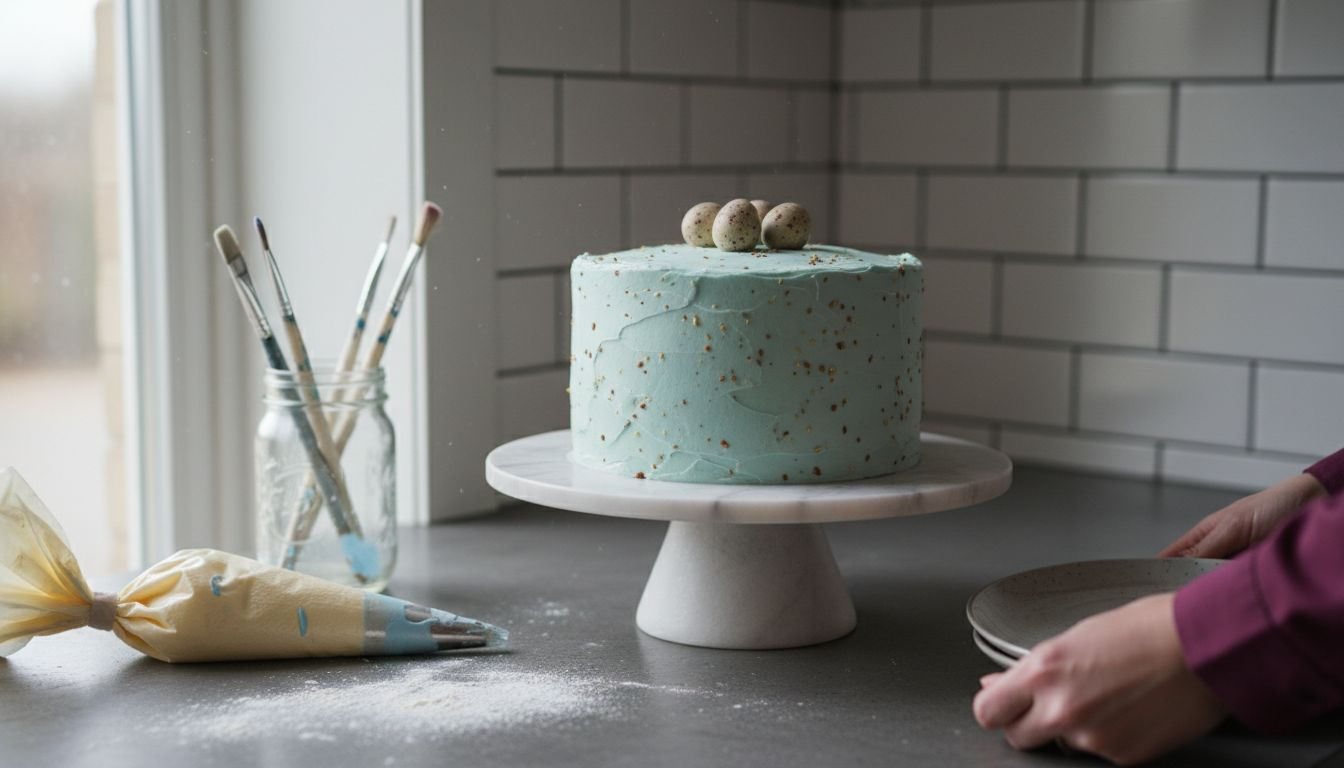
Achieving the signature smooth finish requires proper crumb coating, chilled layers, and patient application using a bench scraper or cake smoother. The speckling technique demands practice on parchment paper first. Flick the toothbrush gently to create fine dots rather than large splatters.
This cake appeals to bakers seeking modern elegance without fussy decorations. The minimalist aesthetic suits adult celebrations, sophisticated brunches, or anyone preferring understated beauty. Success depends on mastering smooth buttercream application, making it ideal for decorators ready to refine their finishing skills.
Deconstructed simnel cake
The deconstructed simnel cake reimagines the traditional with almond sponge layers and marzipan-infused buttercream that honours heritage whilst embracing contemporary presentation. Traditional simnel cake features a layer of marzipan baked inside and eleven marzipan balls representing the apostles. This modern interpretation scatters golden marzipan spheres artfully across tiers, incorporates apricot conserve between layers, and uses almond extract in light buttercream.
The technique involves baking moist almond sponge, preparing smooth marzipan spheres dusted with edible gold, and assembling layers with apricot conserve for authentic flavour. Buttercream infused with almond extract ties flavours together whilst maintaining light texture. Creative sprinkle placement adds contemporary flair.
This design suits advanced bakers comfortable with flavour balancing and multi-element assembly. The deconstructed approach allows creative freedom in placement and presentation whilst respecting traditional Easter symbolism.
| Design | Visual Style | Skill Level | Key Elements | Best For |
|---|---|---|---|---|
| Botanical Garden | Rustic, natural | Intermediate | Edible flowers, rosemary, semi-naked buttercream | Garden parties, spring celebrations |
| Speckled Egg | Modern, minimalist | Intermediate to Advanced | Smooth finish, delicate speckling, muted tones | Sophisticated brunches, adult gatherings |
| Deconstructed Simnel | Traditional reimagined | Advanced | Marzipan spheres, almond sponge, apricot conserve | Family celebrations, heritage appreciation |
Pro Tip: Photograph your finished cake near a window with natural light rather than using flash. Natural lighting reveals true colours and creates appealing shadows that showcase your decorating details, perfect for sharing your Easter creation on social media.
Techniques and tips for perfect Easter cake layers and finishing touches
Achieving distinct cake layers requires precise technique in mixing, dividing, and layering batter that transforms ordinary sponge into professional-looking tiers. These methods apply whether you’re creating pastel layers or traditional single-colour cakes.
Batter preparation determines layer success before baking begins. Use a kitchen scale to divide batter evenly between prepared pans, ensuring each layer bakes to identical height and thickness. Weigh empty pans first, then add equal batter amounts by weight rather than eyeballing portions. This precision prevents lopsided cakes requiring excessive trimming.
Mixing technique impacts final texture significantly. Fold gently when incorporating dry ingredients to avoid overdeveloping gluten, which creates tough, dense layers. Stop mixing immediately when flour streaks disappear. Overmixing produces cakes that dome excessively and tear easily during assembly.
Pan preparation prevents heartbreaking tears when removing baked layers. Line bottoms with parchment circles cut to exact pan size, then grease sides thoroughly. This dual approach ensures clean release without damaging delicate cake surfaces. Cool layers completely in pans for 10 minutes before inverting onto wire racks.
Professional ingredient adjustments impact cake structure and appearance, like room-temperature eggs and stabilised frosting that elevate finished results. Room-temperature eggs incorporate more smoothly into batter, creating finer crumb structure. Remove eggs from refrigeration 30 minutes before mixing.
Water temperature and quantity affect batter consistency. Use precise measurements and lukewarm water to achieve pourable yet stable batter. Too much liquid creates flat, dense layers whilst insufficient moisture produces dry, crumbly texture.
Stabilised whipped frosting maintains height and smooth finish throughout decorating and serving. Add cornflour or instant pudding mix to whipped cream frostings to prevent weeping and maintain structure in warm conditions. This technique proves essential for Easter drip cakes requiring stable frosting bases.
“The difference between home-baked and bakery-quality cakes often comes down to temperature control and patience. Rushing the cooling process or using cold ingredients creates avoidable structural problems that no amount of frosting can hide.”
Pro Tip: Freeze assembled, crumb-coated cakes for 15 minutes before applying final frosting. This firms the surface, preventing crumbs from mixing into your finishing layer and creating that coveted smooth, professional appearance.
Comparing Easter cake decorating options for 2026: visual styles and skill demands
Understanding how featured designs differ helps you select the Easter cake matching your abilities and occasion requirements. Pastel colours and playful themes dominate the Easter 2026 decoration scene, reflected in these featured designs through varied interpretations.
The botanical garden cake embraces rustic aesthetics with visible imperfections celebrated as artful charm. Fresh elements require same-day assembly and careful handling, making this design best suited for events where the cake can be decorated close to serving time. The semi-naked frosting style forgives minor application inconsistencies.
Minimalist speckled egg cakes demand precision in smooth buttercream application but reward decorators with sophisticated elegance requiring minimal additional embellishment. This style travels well and maintains appearance longer than fresh-flower-decorated alternatives. The technique suits bakers ready to invest time perfecting smooth finishes.
Deconstructed simnel cakes balance traditional flavour expectations with contemporary presentation freedom. Marzipan work requires hand-rolling uniform spheres and applying edible gold dust evenly. Almond sponge demands careful moisture balance to avoid dryness whilst maintaining structure. This complexity suits confident bakers comfortable with multiple components.
Occasion suitability varies significantly. Garden parties and outdoor celebrations showcase botanical cakes beautifully, whilst formal indoor gatherings favour minimalist elegance. Family-focused Easter lunches appreciate the heritage connection of deconstructed simnel cakes. Consider your serving environment when choosing.
Flavour profiles range from subtle vanilla and almond to more complex apricot and marzipan combinations. Match intensity to your guests’ preferences. Children typically prefer milder flavours with visual appeal, whilst adult palates appreciate nuanced almond and fruit notes.
Preparation timelines differ substantially. Botanical cakes require last-minute flower placement but simpler base preparation. Speckled egg cakes benefit from advance crumb coating and chilling. Simnel variations demand time for marzipan shaping and multiple component preparation. Plan your baking schedule accordingly.
Discover quality cake decorating supplies at The Vanilla Valley
Bringing your Easter cake vision to life requires quality materials that perform reliably under decorating demands. The Vanilla Valley offers comprehensive ranges of pastel-coloured icings, edible flowers, and creative sprinkles perfect for executing 2026 Easter trends. You’ll find specialist tools for achieving smooth buttercream finishes, precise layer division, and delicate decorative touches that distinguish professional results from home attempts.
Quality ingredients directly impact your finished cake’s appearance and structure. Shop seasonal decorating essentials including food colour gels in trending pastel shades, edible gold dust for marzipan embellishment, and specialty sprinkle mixes designed specifically for spring celebrations. Staying ahead of 2026 trends becomes effortless when you source from suppliers understanding baker needs and current design movements.
FAQ
What are the most popular Easter cake colours in 2026?
Pastel shades like soft pinks, powder blues, mint greens, and buttery yellows dominate Easter cake decoration in 2026. These gentle hues reflect ongoing trends favouring playful yet elegant aesthetics that photograph beautifully on social media. Muted tones create sophisticated appeal whilst maintaining the cheerful spirit essential to Easter celebrations.
How can I achieve distinct layers in an Easter cake?
Use a kitchen scale to divide batter evenly between pans, ensuring identical layer heights. Mix gently to maintain proper batter texture without overdeveloping gluten. Layer carefully in your chosen colour order, allowing each tier to cool completely before assembly to prevent sliding or structural collapse.
What edible decorations are trending for Easter cakes in 2026?
Fresh edible flowers and creative sprinkles are key elements in 2026 Easter cake decoration, adding natural beauty and playful texture. Violas, primroses, and pansies provide elegant botanical touches, whilst themed sprinkle mixes in pastel colours contribute contemporary flair. These elements remain timeless yet perfectly aligned with current aesthetic preferences.
How far in advance can I decorate an Easter cake?
Buttercream-frosted cakes without fresh flowers can be decorated up to two days ahead if stored properly in cool conditions. Cakes featuring fresh edible flowers require same-day decoration to maintain bloom freshness and appearance. Fondant-covered designs tolerate longer advance preparation, up to three days when stored in temperature-controlled environments away from humidity.
What tools do I need for smooth buttercream finishes?
Essential tools include offset spatulas for initial application, bench scrapers or cake smoothers for final finishing, and a turntable enabling smooth, even rotation whilst working. Quality tools make achieving professional results significantly easier, reducing frustration and improving consistency across multiple decorating projects.
Recommended
- How to make an Easter drip cake: step-by-step guide 2026 - The Vanilla Valley
- Kids birthday cake ideas 2026: 3 trendy styles that wow - The Vanilla Valley
- Spring wedding cake trends 2026 UK: standout styles - The Vanilla Valley
- Creative wedding dessert table ideas for spring 2026 - The Vanilla Valley