
Cupcake Cases Explained: Types, Uses, and Pitfalls

Over 80 percent of british home bakers rely on cupcake cases for everything from everyday treats to special celebrations. These simple yet essential containers not only protect your cupcakes but also bring vibrant colour and creative flair to your dessert table. Exploring the materials, sizes, and decorative options available reveals how cupcake cases play a key role in both the baking process and presentation.
Table of Contents
- What Are Cupcake Cases and Their Purpose
- Types of Cupcake Cases and Cups
- Mini Cupcake Cases and Bulk Options
- Choosing the Right Size and Material
- Preventing Cases Pulling Away During Baking
Key Takeaways
| Point | Details |
|---|---|
| Functionality of Cupcake Cases | Cupcake cases provide a protective barrier, enhancing ease of removal while preserving cupcake integrity and moisture. |
| Variety of Materials and Sizes | Available in numerous materials like paper, foil, and silicone, cupcake cases cater to different baking needs and aesthetic preferences. |
| Preventing Case Separation | Proper moisture management, accurate ingredient measurements, and careful baking techniques prevent cases from pulling away from cupcakes. |
| Artistic Presentation | The right cupcake case can transform desserts into visually stunning creations, making selection an important consideration for bakers. |
What Are Cupcake Cases and Their Purpose
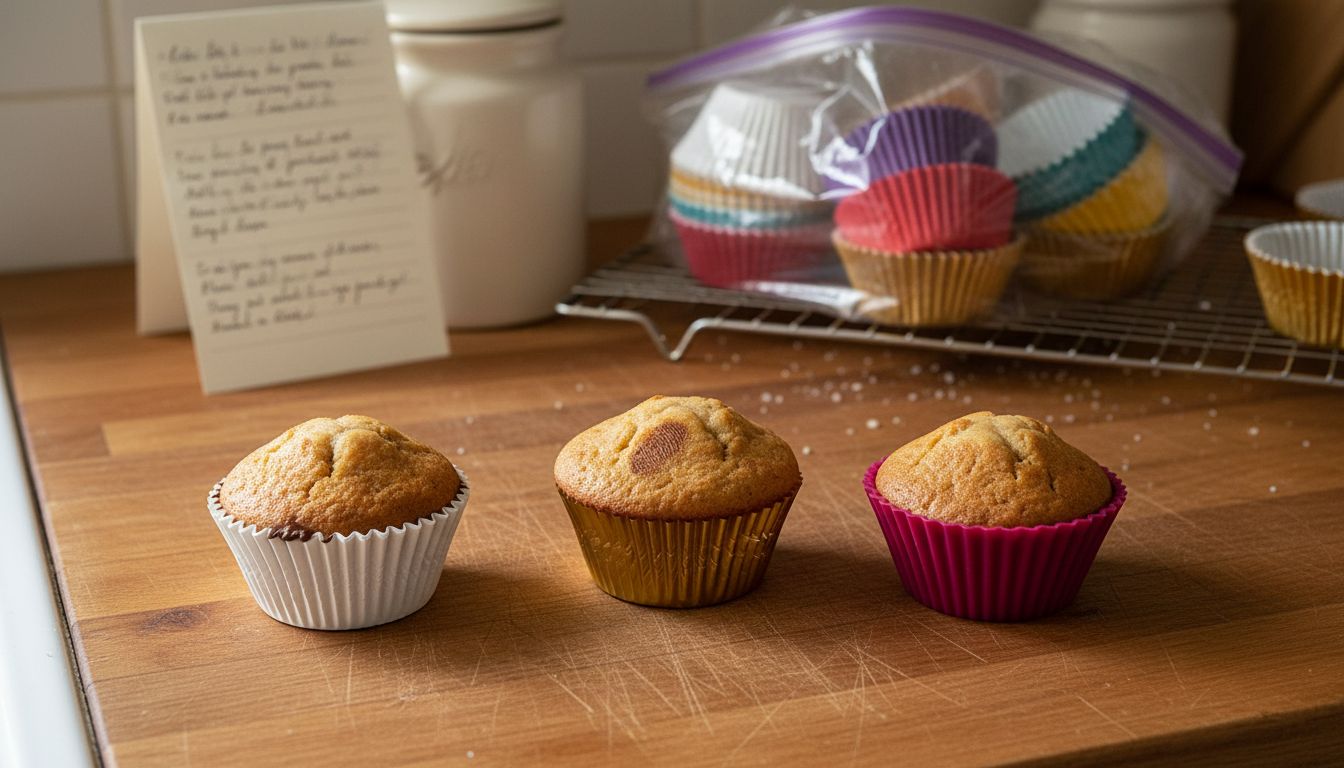
Cupcake cases are delicate paper or foil containers designed specifically for baking and presenting individual cupcakes. These thin, lightweight wrappers serve multiple crucial functions in baking, transforming how we prepare and showcase these beloved sweet treats. When you place a cupcake case in a muffin tin, it provides a protective barrier that helps prevent batter from sticking and makes removal significantly easier after baking.
The primary purpose of cupcake cases extends beyond mere convenience. These specially designed wrappers help maintain the structural integrity of your cupcake while offering aesthetic appeal. They come in various materials including:
- Standard paper cases (most common)
- Greaseproof paper cases
- Aluminium foil cases
- Decorative themed cases
- Metallic finish cases
Beyond their functional role, cupcake cases also play a significant decorative element. Professional bakers and home enthusiasts alike use these cases to complement event themes, match colour schemes, or simply add visual interest to their baked creations. From solid colours to intricate patterns, the right cupcake case can elevate a simple dessert into a stunning presentation piece.
Understanding the nuanced role of cupcake cases means recognising they are more than just disposable containers. They protect your bake, enhance presentation, and contribute to the overall eating experience by keeping cupcakes moist and intact. Whether you’re preparing treats for a children’s birthday party or a sophisticated afternoon tea, selecting the appropriate cupcake case is an art form that combines practicality with aesthetic creativity.
Types of Cupcake Cases and Cups
Cupcake cases come in a fascinating array of materials, sizes, and designs, each serving unique purposes for bakers and cake enthusiasts. Cupcake cases are available in multiple sizes, ranging from miniature bite-sized versions to substantial jumbo cases that can accommodate generous portions of cake batter.
The primary materials used in cupcake cases include:
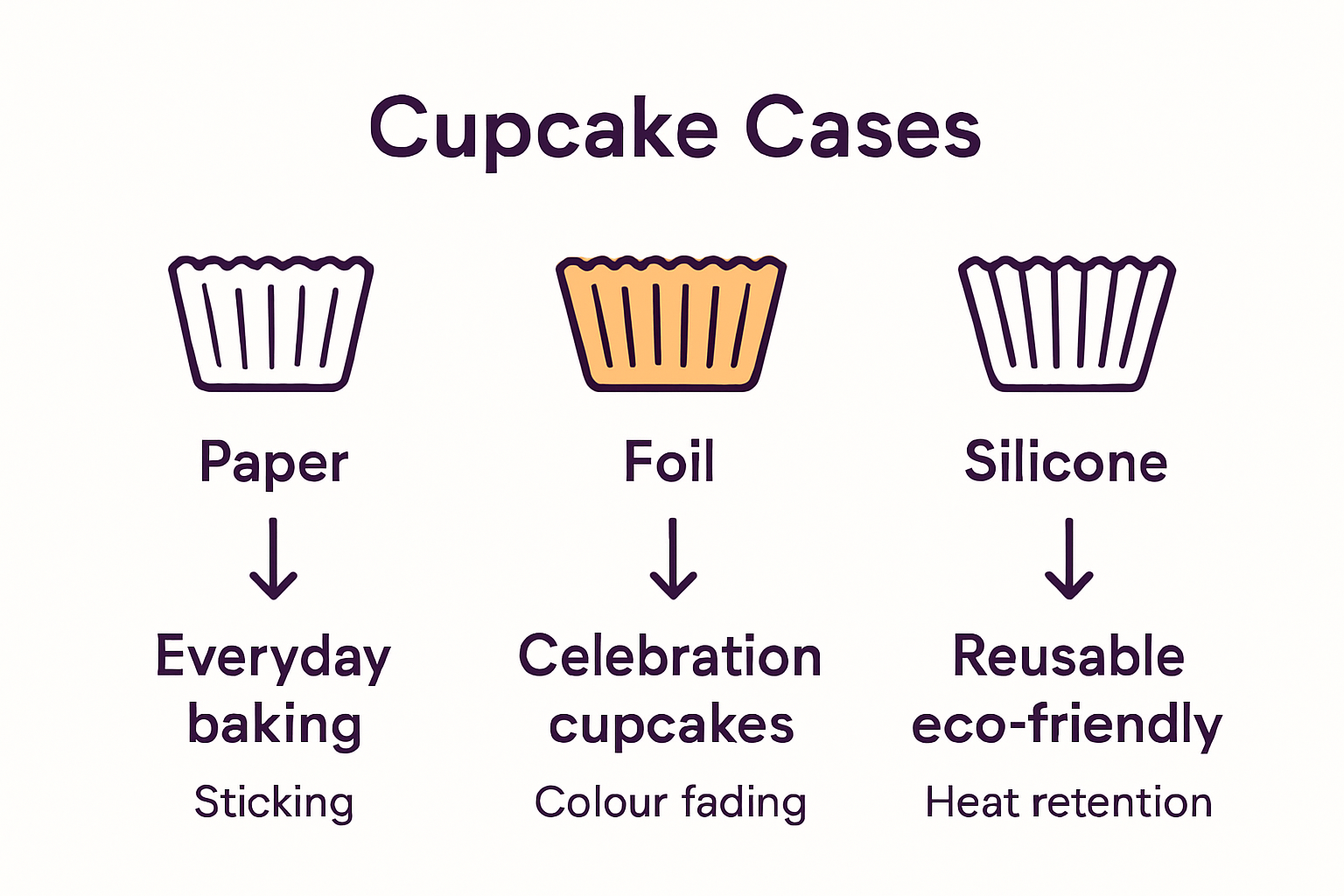
- Paper Cases: The most traditional option, available in standard and greaseproof varieties
- Foil Cases: Metallic and shiny, perfect for elegant presentations
- Silicone Cases: Reusable and heat-resistant, ideal for professional and home bakers
- Decorative Themed Cases: Designed for specific occasions like Christmas, birthdays, or seasonal events
Size classification is crucial in cupcake case selection. Bakers typically work with standard sizing categories:
- Mini Cases: Approximately 1-inch diameter
- Standard Cases: Roughly 2-inch diameter
- Jumbo Cases: Around 3.5-inch diameter
- Midi Cases: Between standard and jumbo sizes
Beyond practical considerations, cupcake cases have become a creative canvas for bakers. Intricate patterns, metallic finishes, and themed designs transform simple cupcakes into visually stunning desserts. From minimalist solid colours to elaborate festive prints, the right cupcake case can elevate a basic recipe into a work of edible art, making them an essential tool for both amateur and professional bakers seeking to impress and delight.
Mini Cupcake Cases and Bulk Options
Mini cupcake cases represent a delightful miniature solution for bakers seeking to create bite-sized treats with maximum visual appeal. Bulk purchasing options for these tiny cases have revolutionised how professional and home bakers approach small-scale dessert production.
The characteristics of mini cupcake cases are quite specific. Typical dimensions range from 35-40mm in diameter, making them perfect for creating delicate, pop-in-your-mouth desserts. These diminutive cases come in an impressive variety of materials and designs:
- Bleached Greaseproof Paper: Standard and reliable
- Glassine Coloured Cases: Translucent and vibrant
- Metallic Foil: Elegant and shiny
- Patterned Options: Including gingham, polka dots, and themed prints
Bulk purchasing offers significant advantages for both professional bakeries and enthusiastic home bakers:
- Cost efficiency per unit
- Consistent supply for large events
- Reduced packaging waste
- Ability to experiment with multiple designs
- Convenient storage and long-term planning
When selecting mini cupcake cases, consider the specific requirements of your baking project. Factors like event theme, portion size, and aesthetic preferences will guide your choice. Whether you’re preparing delicate petit fours for a wedding or creating bite-sized treats for a children’s party, mini cupcake cases provide the perfect canvas for culinary creativity and presentation.
Choosing the Right Size and Material
Cupcake case selection is a nuanced art that directly impacts the success of your baking project. Cupcake cases come in various sizes, ranging from miniature bite-sized options to generous jumbo containers that can accommodate substantial cake portions.
Material considerations are equally critical in determining the perfect cupcake case. The primary materials include:
- Paper Cases: Lightweight and traditional
- Standard greaseproof varieties
- Single and double-lined options
- Foil Cases: Professional-grade and heat-resistant
- Metallic finishes
- Enhanced structural integrity
- Silicone Cases: Reusable and versatile
- Dishwasher safe
- Multiple colour options
Size selection depends on several crucial factors:
- Baking Purpose
- Mini events: 1-inch diameter cases
- Standard celebration cakes: 2-inch diameter
- Large gatherings: 3.5-inch jumbo cases
- Presentation Requirements
- Buffet settings: Smaller cases
- Dessert tables: Mixed size options
- Batter Volume
- Light sponge: Smaller cases
- Dense recipes: Larger cases
Understanding the intricate relationship between case material, size, and baking technique transforms amateur bakers into culinary professionals. Whether you’re crafting delicate petit fours or substantial celebration cupcakes, the right case ensures your baked goods look as spectacular as they taste.
Preventing Cases Pulling Away During Baking
Bakers often encounter the frustrating issue of cupcake cases mysteriously separating from their delicate bakes. Achieving an even bake requires understanding the complex factors that contribute to case separation.
Moisture management plays a critical role in preventing cupcake case peeling. The primary culprits behind case separation include:
- Excessive Humidity: Steamy baking environments
- Temperature Fluctuations: Rapid heating or cooling
- Incorrect Batter Composition: Too much liquid or fat
- Storage Conditions: Improper post-baking handling
Practical strategies to prevent case pulling include:
- Batter Preparation
- Ensure precise ingredient measurements
- Use room temperature ingredients
- Avoid overmixing
- Baking Techniques
- Preheat oven thoroughly
- Use consistent middle-rack positioning
- Maintain steady baking temperature
- Cooling Process
- Allow cupcakes to cool in tin for 20 minutes
- Transfer to cooling rack gently
- Avoid airtight storage containers
Understanding the delicate balance of moisture, temperature, and technique transforms potential baking mishaps into consistently perfect cupcake presentations. Professional bakers know that preventing case pulling is as much about scientific precision as it is about creative passion.
Master Your Baking with the Perfect Cupcake Cases from The Vanilla Valley
Struggling with cupcake cases pulling away from your bakes or unsure which size and material best suits your recipe? Our detailed guide highlights common pitfalls like moisture issues and temperature imbalances that can affect your cupcakes’ presentation. With so many types of cupcake cases available including paper, foil, and reusable silicone options, finding the right match for your baking needs is key to achieving professional results and stunning appearances.
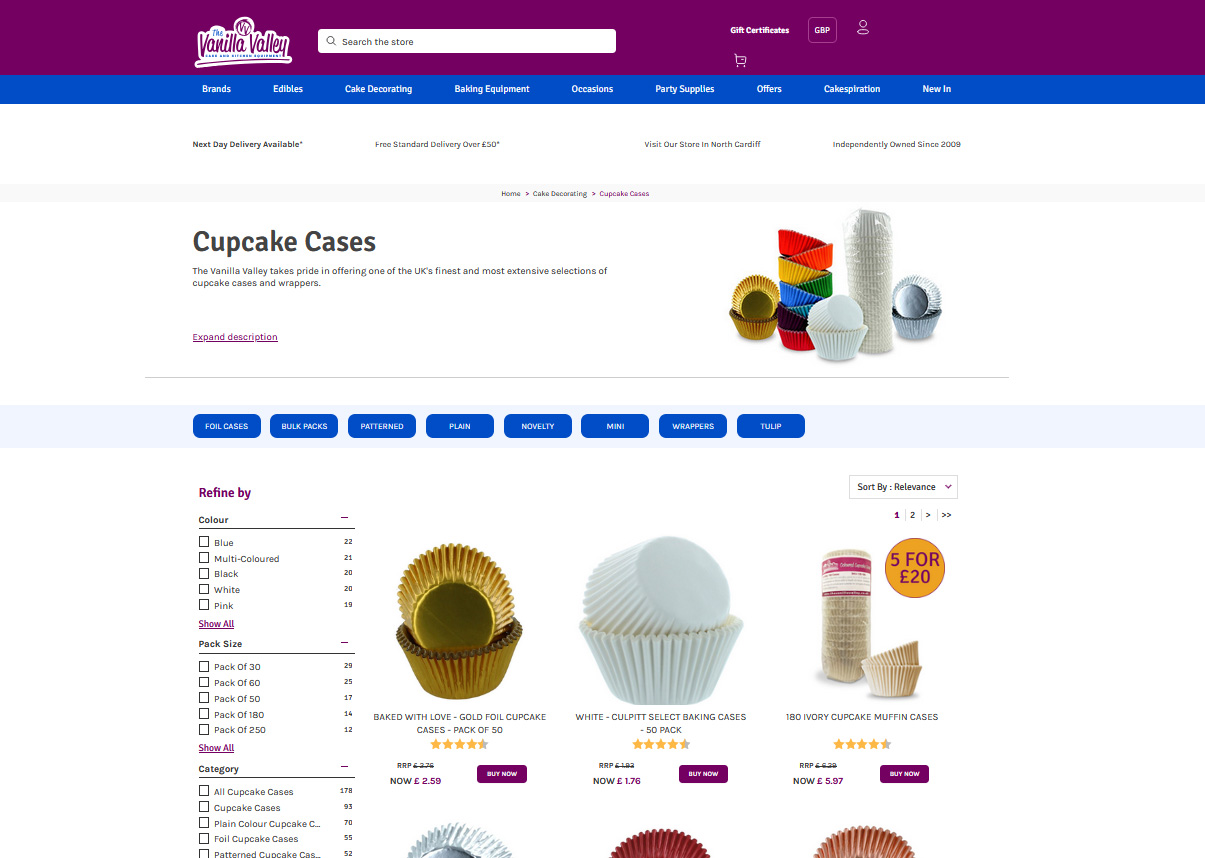
Discover a wide selection of cupcake cases and baking accessories at The Vanilla Valley, your trusted source since 2009. Benefit from our bulk-buy options, special offers, and expert advice to elevate your baking creations today. Don’t let case separation or poor presentation hold you back when you can shop confidently with next day delivery and customer-trusted products. Explore our range and learn more about flawless baking techniques in our cakespiration articles to take your cupcakes from good to unforgettable.
Frequently Asked Questions
What are cupcake cases used for?
Cupcake cases are designed to bake and present individual cupcakes. They provide a protective barrier, preventing batter from sticking to the pan and making it easier to remove the cupcakes post-baking.
What types of materials are used for cupcake cases?
Cupcake cases are typically made from various materials including standard paper, greaseproof paper, aluminium foil, silicone, and decorative themed options. Each material serves different aesthetic and practical purposes.
How do I choose the right size of cupcake cases?
Selecting the right size depends on your baking purpose and the desired portion sizes. Mini cases are ideal for bite-sized treats, while standard cases are suitable for regular-sized cupcakes, and jumbo cases accommodate larger portions.
What are some common pitfalls when using cupcake cases?
Common issues include cupcake cases pulling away from the bake due to excessive humidity, temperature fluctuations, incorrect batter composition, and improper storage. Careful management of these factors can help ensure successful baking.