
Easy baking activities with Easter eggs for kids
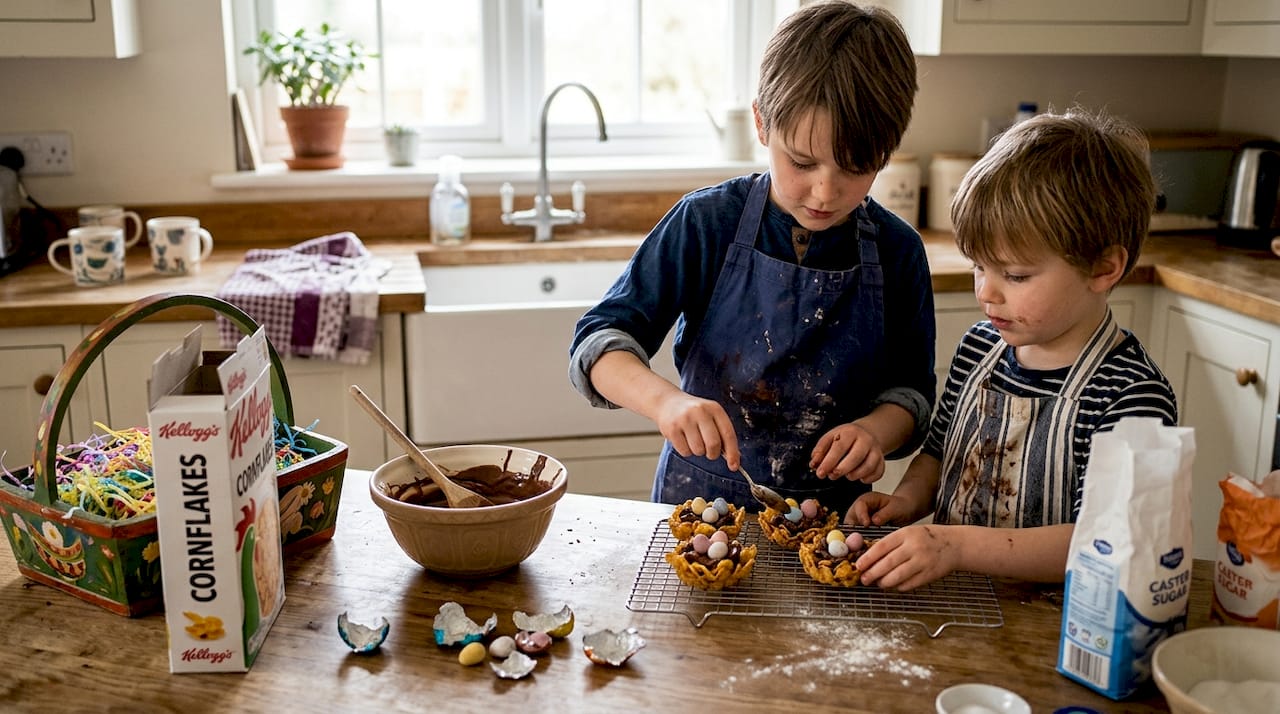
Easter brings chocolate, colour, and the perfect excuse to get messy in the kitchen with your little ones. Finding creative Easter cake decorating ideas 2026 that balance fun with safety can feel overwhelming when you’re juggling attention spans, skill levels, and egg allergies. This guide walks you through simple, engaging Easter egg baking activities designed for young children. You’ll discover no-bake options, quick prep recipes, and essential safety tips that let kids build confidence whilst you maintain control. By the end, you’ll have a clear framework for choosing activities that suit your family’s needs and keep Easter baking stress-free.
Table of Contents
- Key takeaways
- Choosing easy and safe baking activities for kids
- Top easy Easter egg baking activities for kids
- Additional creative activities and safety tips for Easter baking
- Comparing Easter egg baking activities: what suits your family?
- Explore cake decorating supplies for easy Easter baking fun
- Frequently asked questions
Key Takeaways
| Point | Details |
|---|---|
| No bake options | No bake activities reduce oven risk and are safer for younger children. |
| Short prep times | Choose projects with active prep under thirty minutes to match short attention spans. |
| Adult supervision essential | Constant adult supervision is needed for oven work and melting chocolate. |
| Meringue powder safety | Meringue powder eliminates raw egg risk while delivering the same decorating results. |
| Decorative eggs patience | Decorative eggs teach patience and can be enjoyed without any baking activity. |
Choosing easy and safe baking activities for kids
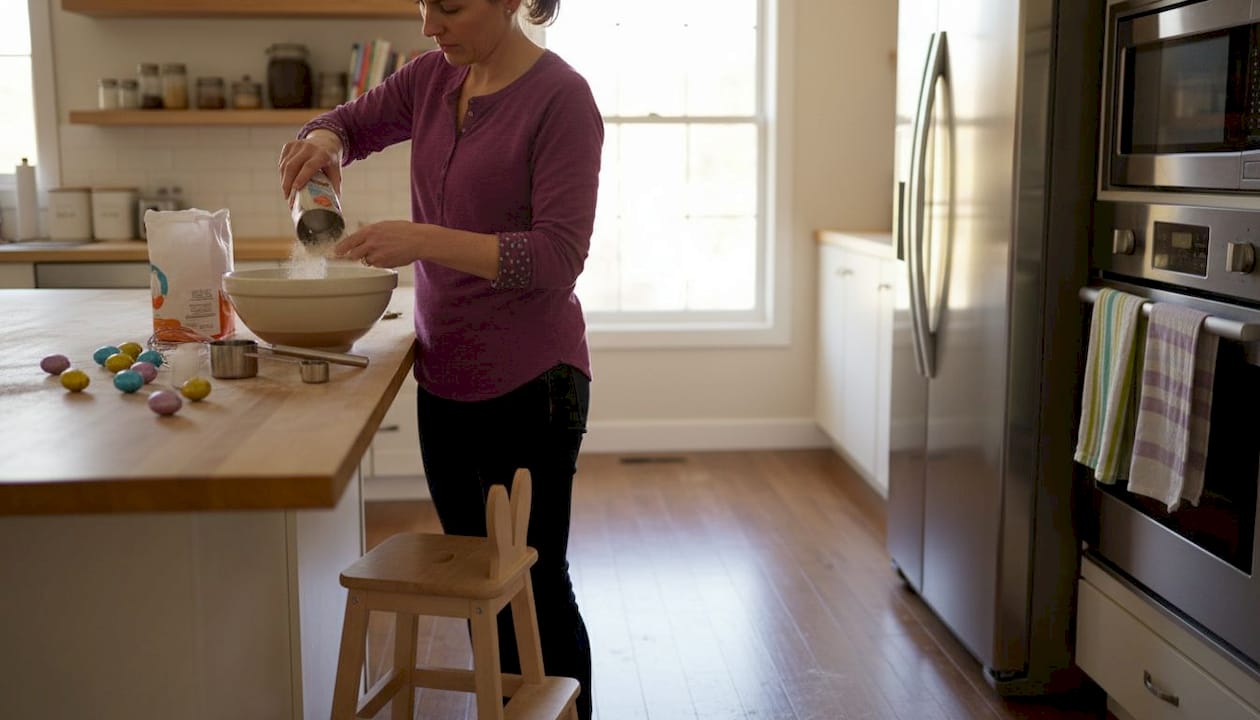
Selecting the right Easter baking activity starts with understanding what makes a recipe genuinely child-friendly. Safety tops the list. Prioritise no-bake or simple bake activities like bark, nests, cookie cups for youngest kids to minimise oven risks. Hot surfaces and melted chocolate require constant adult supervision, so plan activities when you can give full attention rather than juggling multiple tasks.
Time matters enormously with children. Recipes demanding more than 30 minutes of active prep lose young bakers quickly. Choose projects with short ingredient lists and minimal steps. This keeps energy high and frustration low. You’ll finish before meltdowns start, and kids walk away feeling accomplished rather than bored.
Skill development should guide your choices too. Look for recipes that incorporate stirring, colouring, pressing, and decorating. These actions build fine motor skills and hand-eye coordination whilst feeling like play. Measuring ingredients teaches maths concepts. Following sequential steps develops executive function. The best activities disguise learning as fun.
Ingredient accessibility keeps things practical. Stick with common pantry staples and widely available chocolate eggs. Exotic ingredients mean extra shopping trips and wasted money if the recipe flops. Simple substitutions work better than complicated specialty items when cooking with children.
Parental supervision remains non-negotiable, especially with oven work or melting chocolate. Even “easy” recipes need adult oversight to prevent burns, spills, or cross-contamination. Meringue powder offers a safer alternative to raw egg whites in royal icing, eliminating salmonella concerns whilst delivering the same decorating results.
Pro Tip: Set up a dedicated baking station with all ingredients measured and tools laid out before calling kids to help. This preparation prevents chaos and keeps the activity flowing smoothly.
Top easy Easter egg baking activities for kids
Three recipes consistently deliver success with young bakers, each offering different skill-building opportunities. Mini egg cookie cups use refrigerated cookie dough baked in mini muffin tins, topped with chocolate wafers and Cadbury Mini Eggs. Kids press eggs into warm cookies, creating individual treats with minimal mess. The three-ingredient simplicity makes this ideal for first-time bakers aged four and up.
The process involves:
- Press refrigerated cookie dough into greased mini muffin tins
- Bake according to package directions until golden
- Immediately press chocolate wafers into warm cookies
- Top each with Mini Eggs whilst still soft
- Cool completely before removing from tins
Easter mini egg bark eliminates baking entirely, making it perfect for toddlers. Kids stir melted white chocolate, add food colouring, swirl colours with toothpicks, and scatter Mini Eggs and sprinkles on top. The visual reward comes quickly, and the no-heat involvement means less supervision stress. This activity teaches colour mixing and pattern creation whilst producing impressive results.
Key steps include:
- Melt white chocolate in microwave using 30-second intervals
- Divide into bowls and add different food colourings
- Pour onto lined baking sheet and swirl with toothpick
- Press Mini Eggs and sprinkles into surface
- Refrigerate until set, then break into pieces
Chocolate Easter egg nests require melting chocolate and butter, then mixing with cornflakes or shredded wheat. Kids spoon mixture into cupcake cases, create nest shapes with their fingers, and fill centres with candy eggs. The tactile experience engages sensory development, and the finished nests look bakery-quality despite the simple process.
These recipes share common advantages. Ingredients stay familiar and affordable. Steps remain clear and sequential, allowing children to follow along independently with minimal correction. Each activity produces multiple servings, perfect for sharing with siblings or friends. The finished products look impressive enough to gift or display, building pride in young bakers.
For more advanced decorating ideas that complement these simple bakes, explore creative Easter cake decorating ideas 2026 to expand your repertoire.
Additional creative activities and safety tips for Easter baking
Beyond edible treats, decorative sugar eggs offer a hands-on moulding and piping project that builds patience. Mix granulated sugar with water until it holds shape when squeezed, pack into egg moulds, and dry overnight. Children then pipe royal icing designs and create miniature scenes inside hollowed shells. Whilst not edible, these eggs teach precision and artistic expression. The overnight drying time builds anticipation and delayed gratification skills.
Real eggs require careful handling when used in Easter activities. Hard-boil eggs fully and refrigerate immediately after decorating to prevent bacterial growth. Eggs with cracks should be discarded immediately, as bacteria enters easily through damaged shells. Keep decorated eggs refrigerated below 40°F and consume within one week for safety.
Safety guidelines for Easter egg activities:
- Boil eggs for at least 10 minutes to ensure thorough cooking
- Cool eggs in ice bath before handling
- Use food-safe dyes and decorating materials only
- Discard any eggs left at room temperature over two hours
- Label decorated eggs with preparation date
- Never use eggs with visible cracks or unusual odours
Meringue powder in royal icing eliminates raw egg white risks whilst delivering the same decorating consistency. This pasteurised alternative works identically to fresh egg whites but removes salmonella concerns entirely. Mix with water according to package directions to create stable icing for piping and decorating. The powder stores indefinitely in your pantry, ready whenever creativity strikes.
Parental supervision remains crucial even with “safe” activities. Hot chocolate, boiling water, and oven doors pose burn risks. Food allergies require ingredient checking and possible substitutions. Some children need reminders about keeping fingers out of mouths whilst handling raw ingredients. Your presence transforms potential hazards into learning opportunities about kitchen safety.
Pro Tip: Create a safety checklist with your children before starting any baking activity, covering handwashing, tying back hair, and identifying hot surfaces. This ritual builds good habits and makes safety feel collaborative rather than restrictive.
“Teaching children kitchen safety through Easter baking creates lifelong skills and confidence. Start with simple tasks and gradually increase complexity as they demonstrate responsibility.”
| Safety concern | Prevention strategy | Age recommendation |
|---|---|---|
| Burns from oven | Adult-only oven operation | Under 10 years |
| Melted chocolate | Microwave in short bursts, test temperature | 5+ with supervision |
| Raw eggs | Use meringue powder or pasteurised eggs | All ages |
| Food allergies | Read labels, prepare allergen-free alternatives | All ages |
| Cross-contamination | Separate utensils, wash hands frequently | All ages |
For additional decorating techniques that work beautifully with Easter themes, learn how to colour sugarpaste for cake decorating to expand your creative options.
Comparing Easter egg baking activities: what suits your family?
Choosing between Easter activities depends on your child’s age, experience, and interest level. No-bake recipes prove safer for youngest kids whilst building confidence through immediate success. Simple bake options like cookie cups introduce oven awareness under controlled conditions. Decorative sugar eggs appeal to detail-oriented children who enjoy artistic challenges over culinary ones.
Consider these factors when selecting activities:
- Child’s age and developmental stage
- Previous baking experience and confidence level
- Available supervision time and attention
- Kitchen equipment and workspace size
- Dietary restrictions or allergies
- Time constraints and attention span
- Desired outcome (gifts, consumption, display)
| Activity | Prep time | Bake time | Key skills | Safety notes |
|---|---|---|---|---|
| Mini egg cookie cups | 10 minutes | 12 minutes | Pressing, timing | Hot oven, warm cookies |
| Easter mini egg bark | 15 minutes | None | Stirring, swirling, decorating | Hot chocolate initially |
| Chocolate egg nests | 15 minutes | None | Mixing, shaping | Hot chocolate, sticky hands |
| Decorative sugar eggs | 20 minutes | None | Moulding, piping, patience | No heat, not edible |
No-bake options like bark and nests work brilliantly for children under five. The absence of hot ovens reduces stress, and the quick results match short attention spans. These activities still teach measuring, following directions, and creative decoration whilst keeping safety risks minimal.
Simple baking activities suit children aged five to eight who can follow multi-step instructions and understand hot surface dangers. Cookie cups provide that exciting oven experience under close supervision, teaching timing and patience as treats bake. The warm cookie pressing step adds a satisfying tactile element that pure no-bake recipes miss.
Decorative sugar eggs challenge older children who enjoy detailed work and can handle delayed gratification. The overnight drying period requires patience, but the piping and scene-creation stages reward artistic effort. These projects feel more craft than baking, perfect for kids who prefer precision over mixing and measuring.
Pro Tip: Let children choose their activity from two pre-selected options rather than offering unlimited choice. This gives them ownership whilst keeping complexity appropriate for their skill level.
“The best Easter baking activity matches your child’s current abilities whilst introducing one new challenge. Too easy breeds boredom; too difficult creates frustration. Find the sweet spot where learning feels like play.”
For families wanting to extend their Easter creativity beyond simple egg activities, explore creative Easter cake decorating ideas 2026 for inspiration that grows with your children’s developing skills.
Explore cake decorating supplies for easy Easter baking fun
Transforming Easter baking from good to spectacular starts with quality supplies. The Vanilla Valley cake decorating supplies & sugarcraft shop stocks everything needed to elevate your family’s Easter projects, from food colourings and sprinkles to piping bags and moulds. Their independently owned business has supported home bakers since 2009, offering both everyday essentials and specialty items that make creative ideas achievable.

Whether you’re mixing custom colours for sugar eggs or selecting themed decorations for cookie cups, having reliable supplies removes frustration from the creative process. The shop’s range includes meringue powder for safe royal icing, professional-grade food colourings that deliver vibrant results, and bulk options for families planning multiple projects. Browse creative Easter cake decorating ideas 2026 for inspiration that pairs perfectly with their product selection, helping you plan activities that delight children whilst building lasting baking memories.
Frequently asked questions
What ingredients are safest for kids’ Easter baking?
Common pantry staples like flour, sugar, butter, and chocolate minimise allergy risks when you know your child’s sensitivities. Meringue powder replaces raw eggs in royal icing, eliminating salmonella concerns entirely. Always read labels carefully and prepare allergen-free alternatives if dairy or nut allergies exist in your household.
How long can decorated hard-boiled eggs be safely kept?
Refrigerate decorated hard-boiled eggs immediately after finishing and consume within one week. Eggs left at room temperature over two hours should be discarded. Label each batch with the preparation date to track freshness and prevent foodborne illness.
What age is best for different Easter baking activities?
No-bake activities like bark and nests suit toddlers and preschoolers aged three to five, offering immediate results without oven risks. Simple baking with close supervision works well for children aged five to eight who can follow multi-step directions. Decorative crafts like sugar eggs engage older children aged eight and up who enjoy detailed artistic work and can handle overnight waiting periods.
How can I make baking activities fun yet safe for kids?
Recipes emphasise supervision, simple steps, and fun themes to balance safety and enjoyment effectively. Use no-bake options for youngest children, establish clear safety rules before starting, and create dedicated workspaces with all materials prepared in advance. Let children make creative choices within safe boundaries, and celebrate their efforts regardless of how “perfect” the finished product looks.