
History of the Christmas Cake: Traditions and Evolution
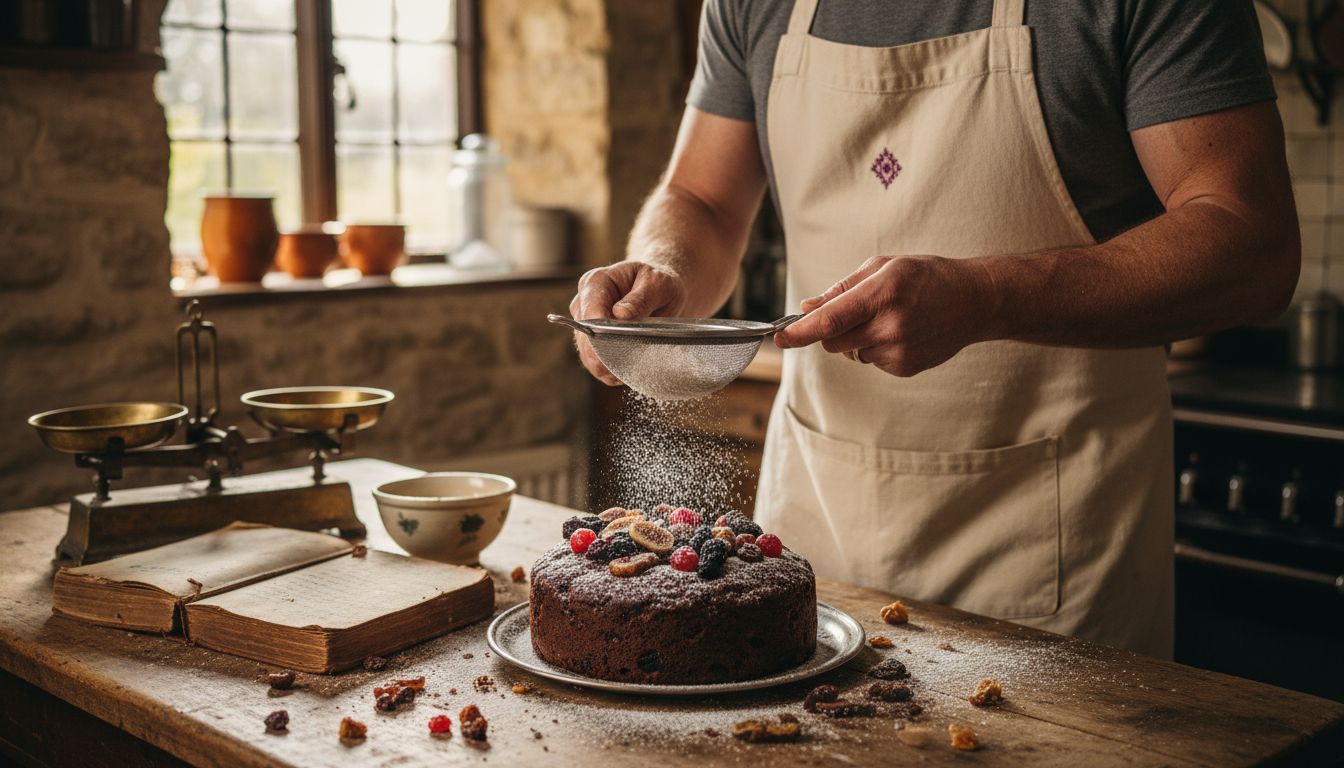
Every British family seems to have its own treasured Christmas cake recipe, passed down like a piece of edible history. More than just dessert, the British Christmas cake tells a story of changing tastes, global trade, and the deep-rooted joy of gathering. Nearly every home in Britain serves this rich, fruit-filled cake during the holidays, making it a symbol of celebration and togetherness. Discover how centuries-old traditions have shaped this festive masterpiece and why it still matters today.
Table of Contents
- Defining The British Christmas Cake Tradition
- Origins And Early Evolution Of Christmas Cakes
- Key Ingredients And Regional Variations Explained
- Influence Of Religion And Social Customs
- Global Christmas Baking Traditions Compared
Key Takeaways
| Point | Details |
|---|---|
| Culinary Heritage | The British Christmas cake is a symbol of rich culinary heritage, evolving from medieval traditions to a complex delicacy. |
| Key Characteristics | Authentic Christmas cakes feature dense fruit mixtures, warming spices, and are traditionally soaked in brandy or rum. |
| Cultural Significance | The cake embodies communal celebrations and spiritual traditions, becoming a marker of abundance and familial bonds. |
| Global Variations | Christmas baking traditions worldwide demonstrate unique local adaptations while sharing the core themes of joy and community. |
Defining the British Christmas Cake Tradition
The British Christmas cake represents far more than a simple dessert - it is a culinary narrative deeply woven into cultural heritage. From a simple plum porridge to an elaborately decorated fruitcake, this traditional treat embodies centuries of gastronomic evolution and global trade influences.
Originating in medieval England, the Christmas cake emerged as a rich, dense fruitcake symbolising prosperity and celebration. Britain’s imperial trade routes dramatically transformed the cake, introducing exotic spices and fruits from across the empire, creating a complex and luxurious delicacy. Typically soaked in brandy and meticulously wrapped in marzipan, the cake became a testament to British culinary creativity and global connections.
Key characteristics define the authentic British Christmas cake:
- Dense, rich fruit mixture incorporating dried fruits like currants, raisins, and candied peels
- Liberal use of warming spices such as cinnamon, nutmeg, and allspice
- Traditional brandy or rum soaking for enhanced flavour
- Decorative marzipan and royal icing covering
Today, the Christmas cake remains a cherished tradition, representing familial bonds, generational recipes, and the enduring spirit of British baking heritage.
Origins and Early Evolution of Christmas Cakes
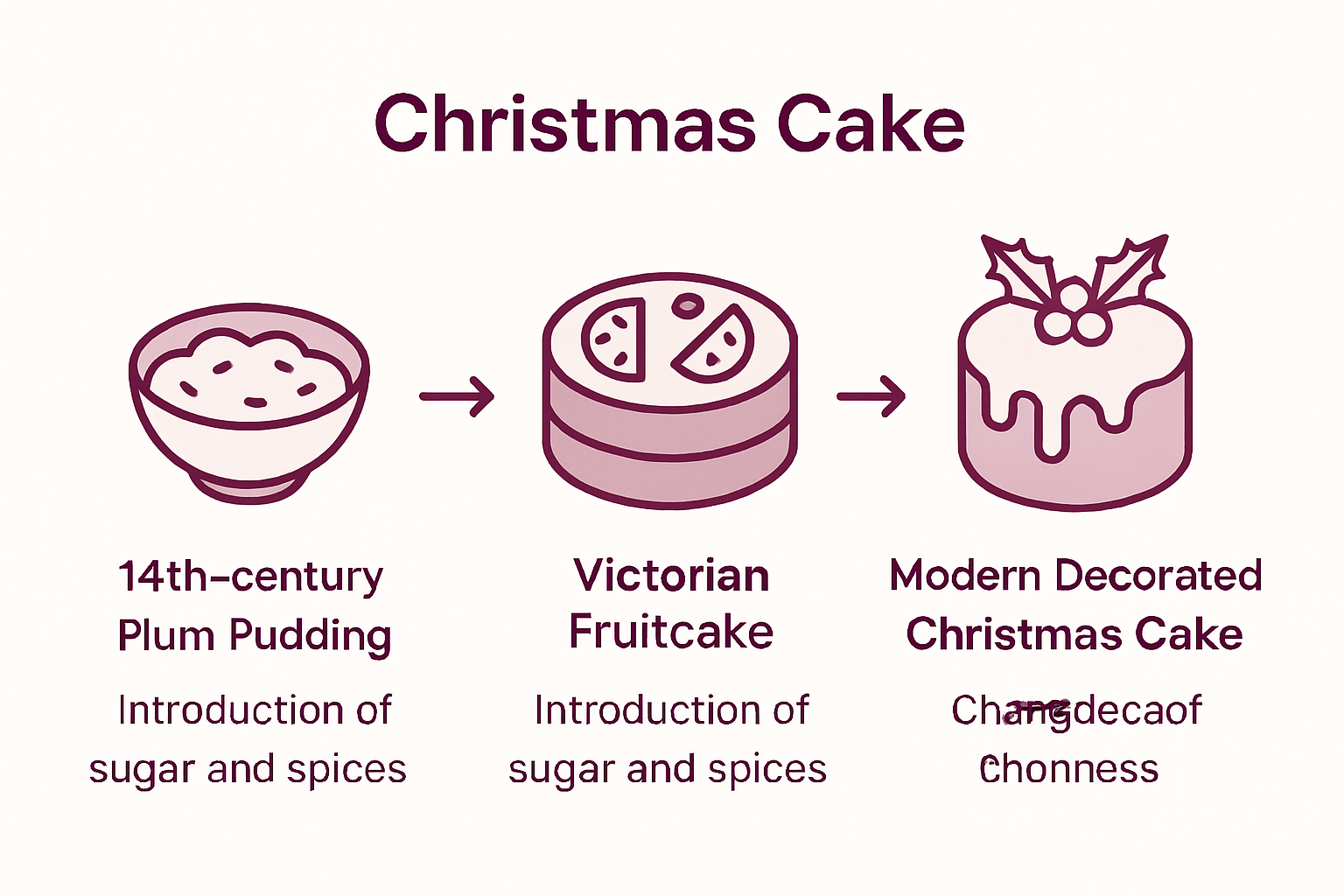
In 14th-century England, Christmas cake emerged from a humble culinary tradition of ‘plum pudding’, a hearty porridge consumed after a month-long Advent fast. This early iteration combined grains, dried fruits, and even meat, serving as a substantial meal that marked the end of religious dietary restrictions and the beginning of festive celebrations.
By the 16th century, significant transformations occurred in the recipe, with the addition of flour, eggs, and warming spices. These modifications gradually shifted the dish from a savoury porridge towards a sweeter, more recognisable fruitcake. The incorporation of these ingredients not only enhanced flavour but also created a more stable, preserved dessert that could be prepared well in advance of the Christmas season.
Key evolutionary stages of the Christmas cake included:
- Initial stage: Meat-based porridge during Advent
- Transitional period: Introduction of dried fruits and grains
- 16th-century development: Addition of flour and eggs
- Final refinement: Incorporation of elaborate spices and preservation techniques
The Christmas cake’s journey reflects broader cultural shifts in British culinary practices, transforming from a simple sustenance food to a rich, symbolic delicacy that represents hospitality, abundance, and festive tradition.
Key Ingredients and Regional Variations Explained
The Victorian Christmas fruit cake represented a stunning culinary map of Britain’s global trade networks, incorporating exotic ingredients from across the empire. Spices from India, citrus from the Mediterranean, and dried fruits from South Africa transformed the humble Christmas cake into a rich, complex delicacy that told the story of British colonial exploration through its remarkable flavour profile.
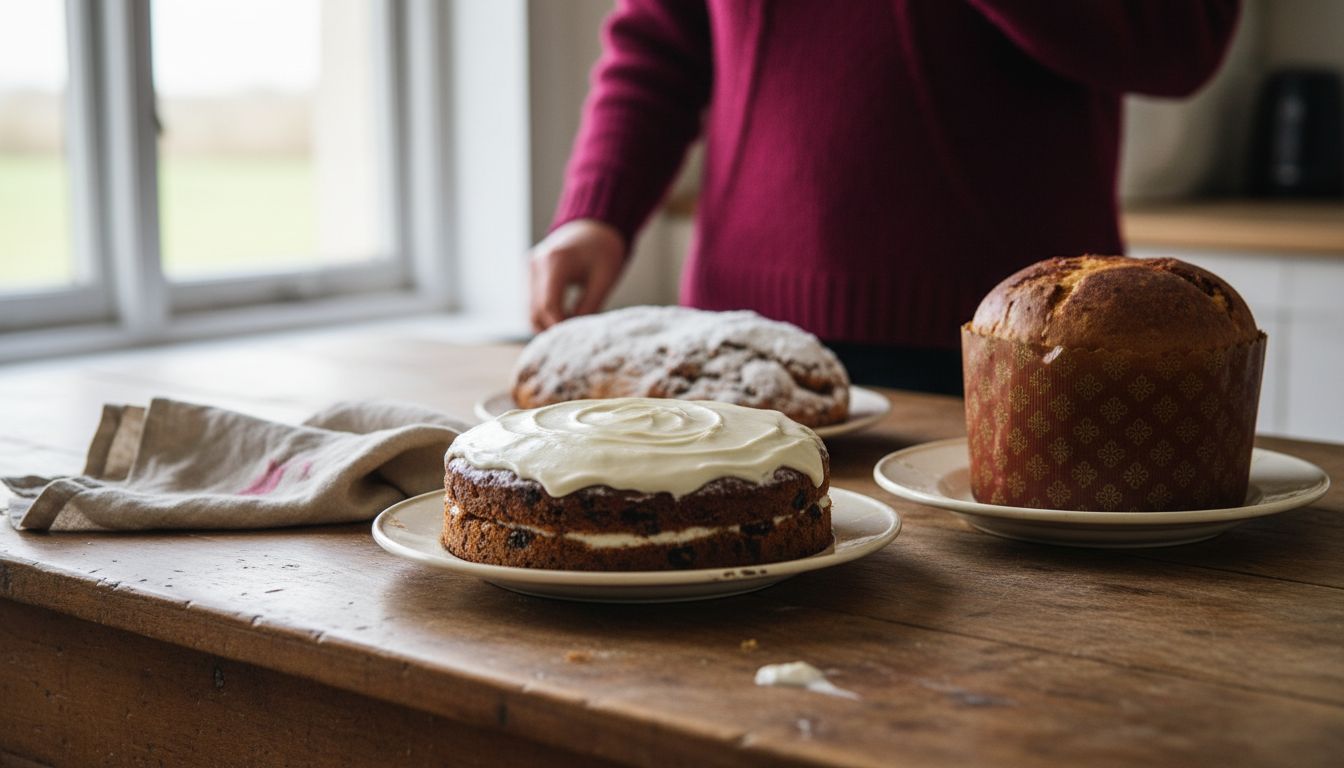
Regional variations emerged, reflecting local tastes and culinary traditions. The Tunis cake, a distinctive regional interpretation, features a Madeira cake base topped with a thick chocolate layer and decorated with intricate marzipan fruits, demonstrating how Christmas cake traditions could dramatically differ across different communities. These variations highlighted the adaptability of the basic fruitcake recipe, allowing bakers to express local creativity while maintaining the core festive spirit.
Key ingredients that defined traditional Christmas cakes included:
- Dried fruits: Currants, raisins, sultanas
- Candied peels: Orange and lemon
- Warming spices: Cinnamon, nutmeg, allspice
- Preserving agents: Brandy or rum
- Binding ingredients: Flour, eggs, butter
Each region developed its unique twist, transforming the Christmas cake from a simple dessert into a rich cultural expression of local identity and culinary heritage.
Influence of Religion and Social Customs
The Christian calendar and its associated religious traditions profoundly shaped the evolution of Christmas cake, deeply intertwining culinary practices with spiritual observances. The cake’s development was intimately connected to liturgical rhythms, particularly the periods of Advent and Christmas, which dictated not just religious practices but also dietary customs and communal celebrations.
Historically, the Christmas cake emerged as a symbolic representation of abundance and communal sharing, reflecting deeper social and religious meanings beyond mere sustenance. Religious fasting periods preceding Christmas created a cultural context where rich, dense foods became markers of celebration and spiritual renewal. The cake transformed from a simple food item into a complex cultural artefact representing familial bonds, spiritual traditions, and collective memory.
Key religious and social influences on Christmas cake traditions included:
- Advent fasting practices
- Communal feast celebrations
- Symbolic representations of prosperity
- Ritual of shared consumption
- Expression of familial and community connections
Ultimately, the Christmas cake transcended its culinary origins, becoming a powerful medium through which communities expressed their collective identity, spiritual beliefs, and cultural continuity.
Global Christmas Baking Traditions Compared
Panettone, the iconic Italian sweet bread studded with candied fruits and raisins, represents one of the most celebrated Christmas culinary traditions beyond the British fruitcake. Each global region developed its unique festive baking style, reflecting local ingredients, cultural practices, and historical influences that transformed simple ingredients into meaningful celebratory foods.
The Allahabadi cake demonstrates the remarkable cultural diversity of Christmas baking, emerging as a traditional rum fruit cake popular among Christian communities in India and Pakistan. These regional variations highlight how Christmas baking transcends geographical boundaries, adapting to local tastes while maintaining core festive symbolism of abundance, sharing, and community connection.
Comparative insights into global Christmas baking traditions reveal fascinating patterns:
- United Kingdom: Dense fruitcake with brandy
- Italy: Light, airy panettone with candied fruits
- India: Rum-infused fruit cake with local spices
- Germany: Stollen with dried fruits and marzipan
- United States: Pecan and bourbon-based variations
Ultimately, these diverse baking traditions demonstrate how food becomes a powerful medium of cultural expression, transforming local ingredients and techniques into universal celebrations of joy and togetherness.
Elevate Your British Christmas Cake Tradition with Essential Baking Supplies
Discover how the rich history of the British Christmas cake, with its dense fruit mixtures and warming spices, can inspire your own festive baking projects. Whether you are recreating a traditional brandy-soaked fruitcake or experimenting with regional variations like the Tunis cake, having the right cake decorating supplies and baking accessories is essential to bring your vision to life. At The Vanilla Valley, we understand the importance of preserving these heartfelt family recipes and turning them into beautifully presented centrepieces for your celebrations.
Start your holiday baking journey today with The Vanilla Valley online store where you will find everything you need, from high-quality fondant and food colours to cake boards and sprinkles. Join our customer loyalty club to benefit from special offers and fast delivery so you never miss a chance to capture the true British baking spirit. Let The Vanilla Valley help you honour the festive tradition with expert tools for stunning Christmas cakes that create lasting memories.
Frequently Asked Questions
What is the origin of the British Christmas cake?
The British Christmas cake originated in medieval England, evolving from a simple ‘plum pudding’ or porridge consumed after a month-long Advent fast, to a rich, dense fruitcake symbolising prosperity and celebration.
What are the key ingredients of a traditional Christmas cake?
Key ingredients include dried fruits such as currants, raisins, and candied peels; warming spices like cinnamon and nutmeg; and preserved with brandy or rum, all bound together by flour, eggs, and butter.
How has the recipe for Christmas cake evolved over time?
The recipe evolved from a meat-based porridge in the 14th century to include flour, eggs, and spices by the 16th century, eventually leading to the sweeter, complex fruitcake enjoyed today, reflecting broader cultural shifts in British culinary practices.
What role does Christmas cake play in social and religious traditions?
Christmas cake is tied to traditions of abundance and communal sharing, marking celebrations around the Advent and Christmas periods, and symbolises familial bonds and spiritual remembrance through shared consumption.
Recommended
- How to Bake and Decorate a Traditional Christmas Cake - The Vanilla Valley
- A Vintage Twist on Christmas Cake - The Vanilla Valley
- Festive Edible Decorations Guide for Christmas Cakes - The Vanilla Valley
- 7 Inspiring Things to Bake at Christmas for Festive Joy - The Vanilla Valley
- Este año celebramos una navidad muy británica - Academia Atenea