Perfect Textured Buttercream: Elevate Your Cake Designs
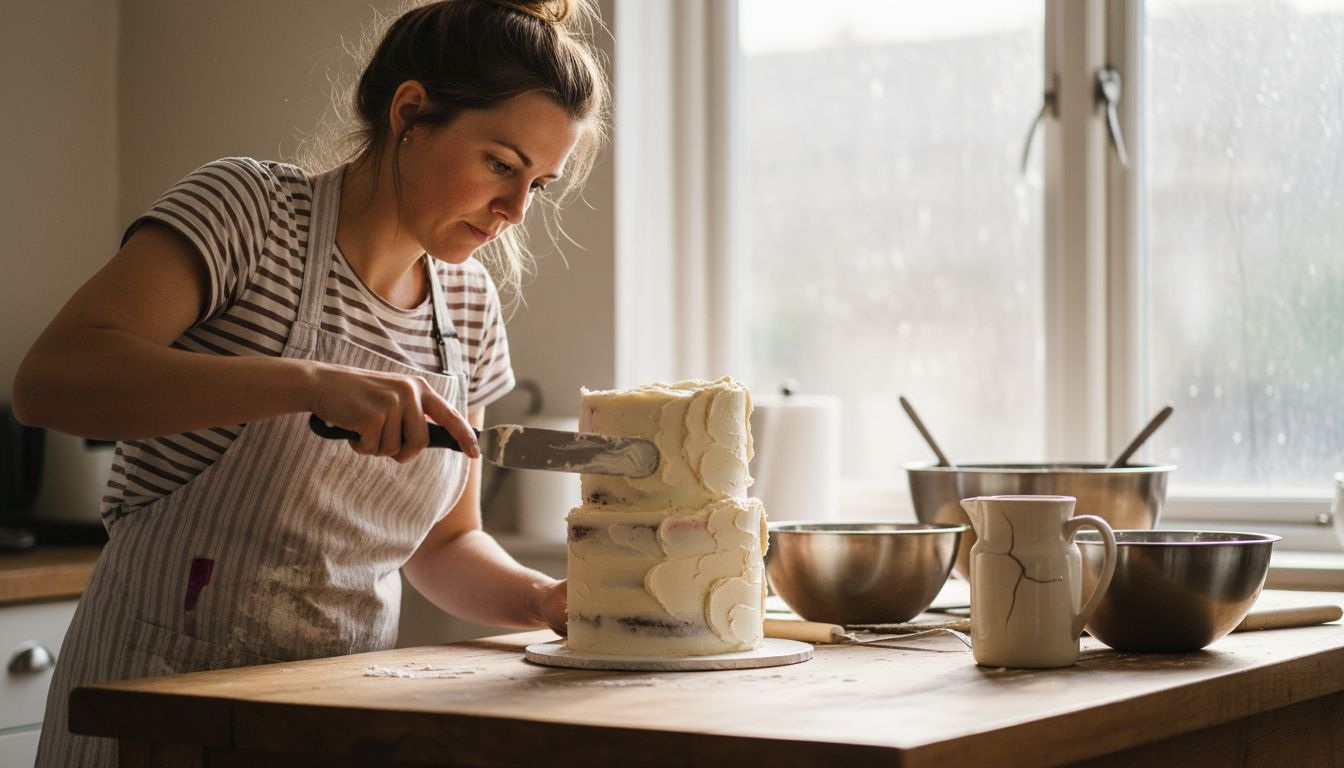
Over 60 percent of british amateur bakers report struggling to achieve consistent buttercream textures for cake decorating. For those looking to set their creations apart, mastering textured buttercream techniques is more than a skill—it is a statement of artistry and professionalism. This guide covers the key methods, tools, and troubleshooting strategies you need for stunning cakes, whether you are decorating for family celebrations or growing your small baking business.
Table of Contents
- Defining Textured Buttercream Techniques
- Comparing Types And Consistencies For Texture
- Essential Tools And Preparation Methods
- Step-By-Step Textured Buttercream Application
- Avoiding Common Mistakes And Achieving Consistency
Key Takeaways
| Point | Details |
|---|---|
| Textured Buttercream | Mastering the consistency and application of buttercream elevates cake design from ordinary to extraordinary. Understanding temperature and ingredient properties is crucial for achieving desired textures. |
| Types of Buttercream | Different buttercream types, such as American, Swiss, Italian, and French, offer unique textures suitable for various decorative styles. Choosing the right type is essential for specific design outcomes. |
| Essential Tools | Investing in high-quality tools, like offset spatulas and piping bags, enhances the precision and quality of your buttercream texturing. Regular maintenance of equipment ensures optimal performance. |
| Common Mistakes | Avoid temperature mismanagement and inconsistent mixing techniques to maintain buttercream quality. Documenting your processes can aid in troubleshooting and replicating successful results. |
Defining Textured Buttercream Techniques
Textured buttercream is an artistic cake decorating approach that transforms simple frosting into a dynamic visual and tactile experience. By manipulating the consistency and application of buttercream, bakers can create intricate surface designs that elevate standard cake presentations from ordinary to extraordinary. The technique involves carefully controlling texture through specific tools, techniques, and buttercream composition.
Understanding buttercream texture requires examining how visual and tactile design elements interact. Professional bakers recognise that texture isn’t just about appearance but also about creating sensory engagement. Different techniques like piping, spatula work, and specialised tools can produce everything from smooth elegant finishes to rustic, intricate patterns that capture visual interest.
The core principles of textured buttercream involve mastering consistency, temperature control, and precise application methods. Bakers must understand how slight variations in buttercream ingredients and mixing techniques dramatically impact the final texture. Some techniques include using bench scrapers for sharp edges, creating ridges with specialised combs, applying textured mats, or using hand movements to generate intentional surface variations.
Mastering textured buttercream requires practice, patience, and a willingness to experiment with different tools and approaches. Professional food preparation techniques emphasise the importance of understanding how ingredient properties and manipulation methods influence final presentation.
Pro Tip: Always ensure your buttercream is at the perfect temperature before attempting complex textural techniques - too warm, and it will slide; too cold, and it will crack.
Comparing Types and Consistencies for Texture
Buttercream textures vary dramatically, with each consistency offering unique decorative possibilities for cake designers. Professional bakers understand that selecting the right buttercream type is crucial for achieving specific design effects. The primary categories include American buttercream, Swiss meringue buttercream, Italian meringue buttercream, and French buttercream, each with distinct characteristics that impact texture and performance.
Professional food preparation techniques reveal that buttercream consistency depends on precise ingredient ratios and preparation methods. American buttercream, the simplest variant, offers a stiff texture perfect for piping intricate designs and maintaining sharp edges. Swiss and Italian meringue buttercreams provide smoother, more stable textures ideal for elegant, refined cake finishes, while French buttercream presents a luxuriously rich and delicate consistency.
Texture variations emerge from subtle changes in butter temperature, sugar incorporation, and mixing techniques. Bakers can manipulate consistency by adjusting butter temperature, incorporating additional liquid, or modifying sugar ratios. Preparation methods significantly influence food texture, making it essential to understand how minor adjustments can transform buttercream’s structural integrity and decorative potential.
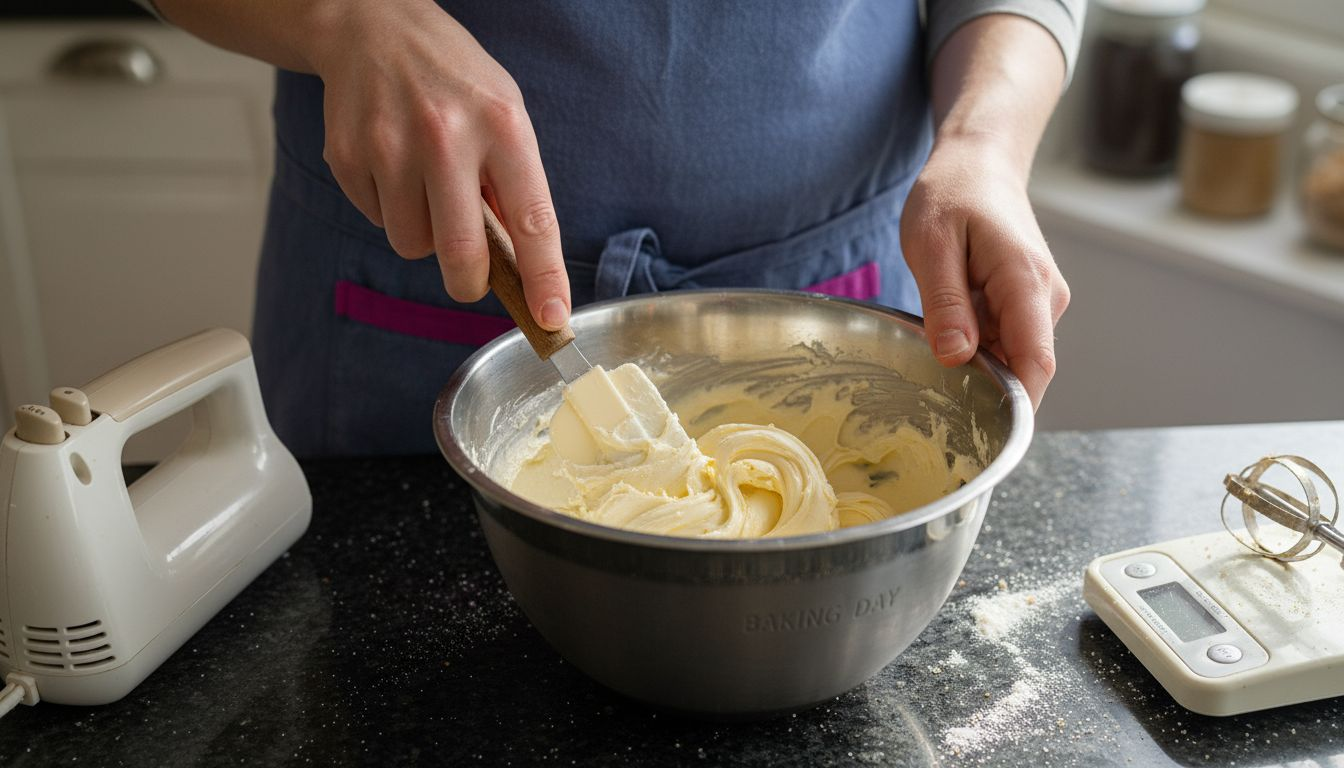
Comparing buttercream types requires careful consideration of factors like stability, temperature resistance, and aesthetic goals. Soft, silky meringue-based buttercreams work beautifully for smooth finishes, while American-style buttercreams excel at maintaining intricate piped details. Temperature sensitivity, sugar content, and fat composition each play critical roles in determining the final textural outcome.
Here’s a concise comparison of buttercream types for textural techniques:
| Buttercream Type | Texture Profile | Best Use Case | Temperature Sensitivity |
|---|---|---|---|
| American | Firm, holds sharp edges | Piped designs, borders | High, softens quickly |
| Swiss Meringue | Smooth, silky | Smooth elegant finish | Moderate, stable |
| Italian Meringue | Light, stable | Layer cakes, detailed work | Low, withstands heat |
| French | Rich, delicate | Decadent, special cakes | High, softens easily |
Pro Tip: Always allow your buttercream to reach room temperature before adjusting consistency, as cold buttercream can create uneven textures and compromise your decorative techniques.
Essential Tools and Preparation Methods
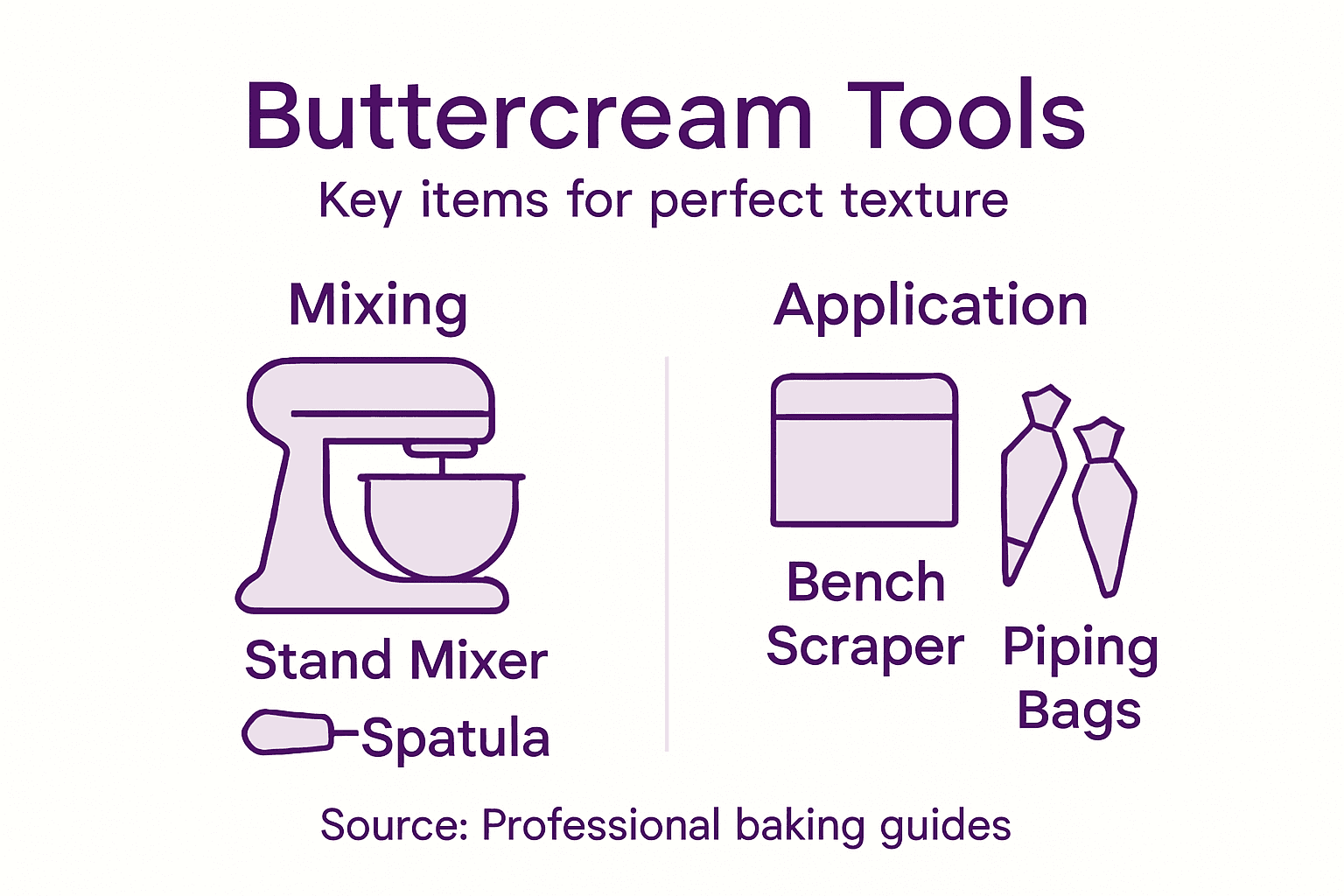
Creating perfect textured buttercream requires a strategic approach to equipment selection and preparation techniques. Professional bakers understand that precise food preparation skills are fundamental to achieving consistent, high-quality results. Essential tools include stand mixers, offset spatulas, bench scrapers, piping bags, various piping tips, and temperature-controlled work surfaces.
The foundation of successful buttercream preparation lies in understanding equipment functionality and maintaining optimal working conditions. Specific tools like bench scrapers enable precise edge smoothing, while different piping tips create intricate texture patterns. Preparation methods significantly influence food texture, making tool selection and technique critical for achieving desired buttercream consistencies.
Professional bakers invest in high-quality equipment that provides consistent performance. Recommended tools include digital kitchen scales for precise ingredient measurements, silicone spatulas for thorough mixing, turntables for smooth cake rotating, and thermometers to monitor butter and ingredient temperatures. Each tool plays a crucial role in creating buttercream with perfect texture, stability, and visual appeal.
Understanding tool maintenance is equally important as selection. Regular cleaning, proper storage, and careful handling ensure equipment remains in top condition, preventing cross-contamination and maintaining performance standards. Professional-grade tools might seem expensive initially, but they represent a long-term investment in creating exceptional cake designs.
For reference, here is a summary of essential buttercream texturing tools:
| Tool | Function | Impact on Texture |
|---|---|---|
| Offset spatula | Smooths and spreads | Even, flat surfaces |
| Piping tips | Creates detailed shapes/patterns | Custom motifs, borders |
| Bench scraper | Sharpens edges, scrapes sides | Professional, tidy finish |
| Cake comb | Generates ridges and waves | Artistic surface patterns |
| Digital thermometer | Monitors ingredient temperature | Ensures ideal consistency |
Pro Tip: Always calibrate your digital scales and invest in high-quality, stainless steel tools that can withstand repeated use and thorough cleaning.
Step-by-Step Textured Buttercream Application
Applying textured buttercream requires a methodical approach that transforms basic frosting into an artistic masterpiece. Detailed food preparation techniques emphasise the importance of precision and technique in creating consistent, visually stunning cake designs. The process begins with ensuring your buttercream reaches the perfect consistency - not too soft, not too firm.
The first critical step involves creating a smooth base layer, which serves as the foundation for your textured design. Use an offset spatula to apply an even crumb coat, chilling the cake between layers to create a stable surface. Different texturing techniques require specific approaches: ridged patterns demand bench scrapers, while more intricate designs call for specialised piping tips and careful hand movements that manipulate texture through systematic application.
Advanced buttercream texturing involves strategic tool selection and precise technique. Techniques like combing, stippling, and raking create distinct visual effects. Combing requires steady hand movement with a dedicated cake comb, creating uniform parallel lines. Stippling involves dabbing the buttercream with a small offset spatula or brush to create a pebbled effect, while raking generates more dramatic, sweeping texture patterns that add depth and visual interest to your cake design.
Temperature control remains crucial throughout the application process. Buttercream that’s too warm will slide and lose definition, while overly cold frosting becomes difficult to manipulate. Professional bakers recommend working in a cool environment and periodically chilling the cake to maintain structural integrity during the texturing process.
Pro Tip: Keep a bowl of hot water and clean cloths nearby to periodically warm your spatulas, ensuring smooth buttercream application and preventing texture interruptions.
Avoiding Common Mistakes and Achieving Consistency
Textured buttercream perfection demands meticulous attention to detail and understanding of potential pitfalls. Food preparation best practices highlight the critical importance of consistency and precision in culinary techniques. The most frequent mistakes bakers encounter include temperature mismanagement, ingredient proportions, and inconsistent mixing techniques that compromise buttercream quality.
Temperature control represents a fundamental challenge in achieving reliable buttercream texture. Butter that’s too cold creates lumpy, uneven frosting, while overly warm butter results in a runny, unstable mixture. Professional bakers recommend allowing ingredients to reach room temperature gradually and using digital thermometers to monitor precise temperatures. Systematic cross-contamination prevention also ensures consistent, high-quality results by maintaining clean workspaces and using sanitised equipment.
Ingredient quality and precise measurements directly impact buttercream consistency. Using unsalted, high-quality butter with consistent fat content prevents textural variations. Sifting icing sugar eliminates lumps, while incorporating liquid ingredients slowly helps maintain structural integrity. Bakers should invest in digital scales, use room-temperature ingredients, and mix at medium speed to prevent air incorporation that can compromise texture.
Recognising and correcting common issues requires technical understanding and practical experience. Signs of problematic buttercream include separation, grainy texture, or excessive softness. Troubleshooting techniques involve adjusting ingredient temperatures, re-mixing separated mixtures, or adding small quantities of liquid or powdered sugar to restore desired consistency.
Pro Tip: Keep a kitchen journal documenting your buttercream experiments, noting ingredient temperatures, mixing times, and environmental conditions to replicate successful batches consistently.
Bring Your Textured Buttercream Skills to Life with The Vanilla Valley
Mastering textured buttercream requires not only technique but also the right tools and quality ingredients. If you have been struggling with temperature control, inconsistent mixing, or finding equipment that supports your creative vision, The Vanilla Valley is here to help. Our trusted, independently owned store has been supporting bakers since 2009 with everything from piping bags and spatulas to premium buttercream ingredients crafted for professional results. When aiming for perfect ridges, pebbled effects, or smooth elegant finishes, having reliable tools and quality supplies can make all the difference.

Discover how you can elevate your cake decorating with our wide range of cake boards, decorations, and baking accessories designed to bring your artistic ideas to life. Don’t let common buttercream challenges hold you back – visit The Vanilla Valley today to shop products that help you achieve consistent texture and stunning finishes. Get inspired and empowered by our customer loyalty club, special offers, and next day delivery so you can start creating flawless textured buttercream cakes now. Explore expert baking supplies and resources by clicking here.
Frequently Asked Questions
What are the different types of buttercream for textured designs?
The main types of buttercream include American buttercream, Swiss meringue buttercream, Italian meringue buttercream, and French buttercream, each offering distinct textural properties suitable for various decorative techniques.
How can I achieve the perfect consistency for textured buttercream?
To achieve the perfect consistency, ensure your buttercream is at room temperature and adjust using slight variations in butter temperature, sugar ratios, or by incorporating liquid ingredients slowly during mixing.
What tools are essential for creating textured buttercream?
Essential tools include an offset spatula for smoothing, piping bags and tips for detailed designs, a bench scraper for sharp edges, and a cake comb for intricate surface patterns.
How do I avoid common mistakes when making textured buttercream?
To avoid common mistakes, monitor ingredient temperatures carefully, use precise measurements, sift sugar to eliminate lumps, and mix at medium speed to prevent air incorporation that can affect texture.
Recommended
- Buttercream Covered Cake - The Vanilla Valley
- Master Textured and Embossed Cake Decorating Techniques - The Vanilla Valley
- Master Sharp Buttercream Edges: Essential Cake Decorating Guide - The Vanilla Valley
- Different Types of Buttercream - The Vanilla Valley
- 7 Examples of Luxury Wedding Trends for UK Planners - Champagne Tower Hire