How to sell cakes at local markets UK: 59% boost in sales
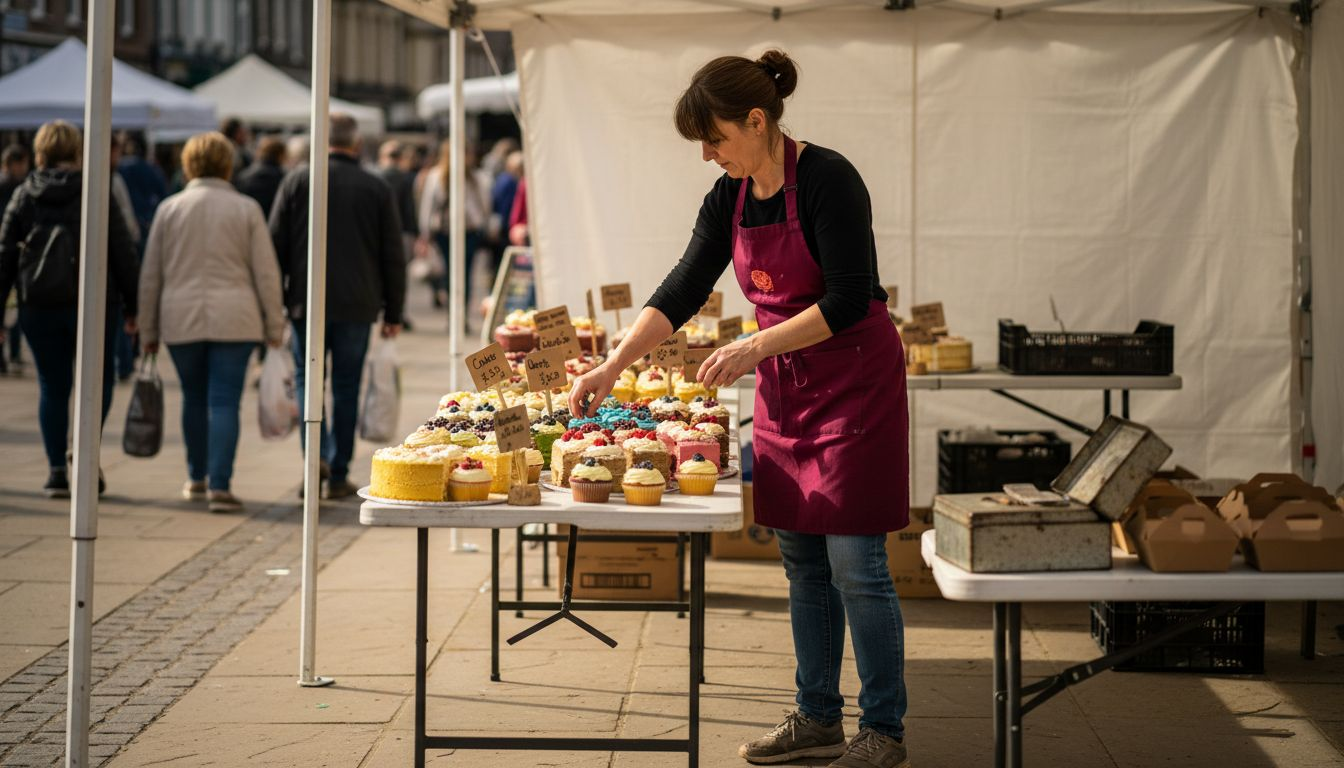
Many bakers believe they can sell cakes at local markets without any registration, but that’s illegal and can cost you dearly. Trading without proper council registration and a market stall licence exposes you to fines, prosecution, and product seizure. This guide clarifies the mandatory legal steps, food safety compliance, and practical tips you need to sell cakes legally and successfully at UK markets while protecting your business.
Table of Contents
- Legal Registration And Licensing Requirements
- Food Safety And Hygiene Compliance
- Product Packaging, Labelling And Presentation
- Insurance And Liability Considerations
- Practical Tips For Market Day Operations
- Common Misconceptions And Legal Risks
- Building A Successful Cake Market Stall Business
- Equip Your Cake Market Stall With Expert Tools From The Vanilla Valley
Key takeaways
| Point | Details |
|---|---|
| Registration with local council required at least 28 days before trading | Free process protects you legally and allows inspections |
| Market stall licence needed to trade legally | Choose temporary or permanent based on frequency |
| Food safety and allergen labelling laws apply equally | Natasha’s Law requires clear allergen information |
| Public liability insurance usually mandatory | Protects against accidents and meets organiser conditions |
| Clear packaging and presentation improve sales | Professional display builds customer trust quickly |
Legal registration and licensing requirements
Before you set up your first market stall, you must register your food business with your local council at least 28 days before trading. This registration is free and legally mandatory for anyone selling food to the public, even homemade cakes from your kitchen. Without registration, you’re operating illegally.
Once registered, you need the right market stall licence. The market stall licence comes in two main types: temporary and permanent. Temporary licences offer no fixed pitch, whilst permanent licences provide a fixed pitch and regular presence. Your choice depends on how often you plan to trade and whether you want pitch security.
Licence comparison:
| Feature | Temporary Licence | Permanent Licence |
|---|---|---|
| Pitch allocation | No fixed pitch, first come basis | Fixed pitch guaranteed |
| Cost | Lower fee per day | Higher annual or monthly fee |
| Commitment | Flexible, trial friendly | Regular trading commitment |
| Ideal for | Occasional sellers, testing markets | Established sellers, brand building |
Operating without registration or the correct licence carries serious legal consequences. You risk fines up to £5,000, prosecution under the Food Safety Act 1990, and immediate seizure of your products and equipment. Council enforcement officers can shut down unregistered stalls on the spot.
Pro Tip: If you’re just testing market demand, start with a temporary licence for two to three events. Once you’re confident about regular sales, upgrade to a permanent licence for better pitch position and customer recognition.
The registration process requires your home address, business details, and a description of your food activities. Most councils offer online registration through their environmental health departments. You’ll also want to explore ways to boost sales with simple Easter cake designs that attract market shoppers quickly.
Food safety and hygiene compliance
The Food Safety Act 1990 applies equally to market bakers, requiring the same hygiene standards as commercial kitchens. Your local council’s environmental health officers will inspect your home kitchen and market stall, often without advance notice. These inspections assess cleanliness, food storage, temperature control, and cross contamination prevention.
You’ll receive a food hygiene rating from zero to five based on inspection findings. Ratings are public and displayed on the Food Standards Agency website. A low rating damages customer trust and can reduce sales significantly. Most successful market sellers maintain ratings of four or five through consistent hygiene practices.
Allergen labelling for pre-packed cakes is mandatory under Natasha’s Law for consumer protection. Every cake you pre-pack and sell must display a full ingredient list with the 14 major allergens emphasised in bold or capital letters. These allergens include milk, eggs, nuts, gluten, and soya.
Essential hygiene practices for market stalls:
- Maintain hand washing facilities with soap and clean water at your stall
- Store cakes at correct temperatures using cool boxes or refrigeration
- Use separate utensils and boards for different allergen categories
- Cover all displayed cakes to protect from contamination
- Dispose of waste properly in sealed bags away from food areas
- Keep your stall surface clean and sanitised throughout trading hours
“Food businesses must demonstrate due diligence in preventing food safety failures. This means documented procedures, training records, and evidence of regular hygiene monitoring at every market event.”
Pro Tip: Create a simple market day hygiene checklist covering hand washing, temperature checks, and surface cleaning. Keep completed checklists for six months as evidence of due diligence if inspectors visit. Consider hygiene tips for cake boards to maintain standards whilst controlling costs.
Whilst a mandatory food hygiene certificate isn’t legally required for all food sellers, completing a Level 2 Food Safety course demonstrates competence and strengthens your inspection outcomes. Many market organisers now require proof of food hygiene training before approving stall applications.
Product packaging, labelling and presentation
Your packaging must satisfy legal requirements whilst also attracting customers in a busy market environment. Every pre-packed cake needs clear allergen labelling and ingredient information to build consumer trust and meet legal standards. This isn’t optional; it’s a legal duty under Natasha’s Law since October 2021.
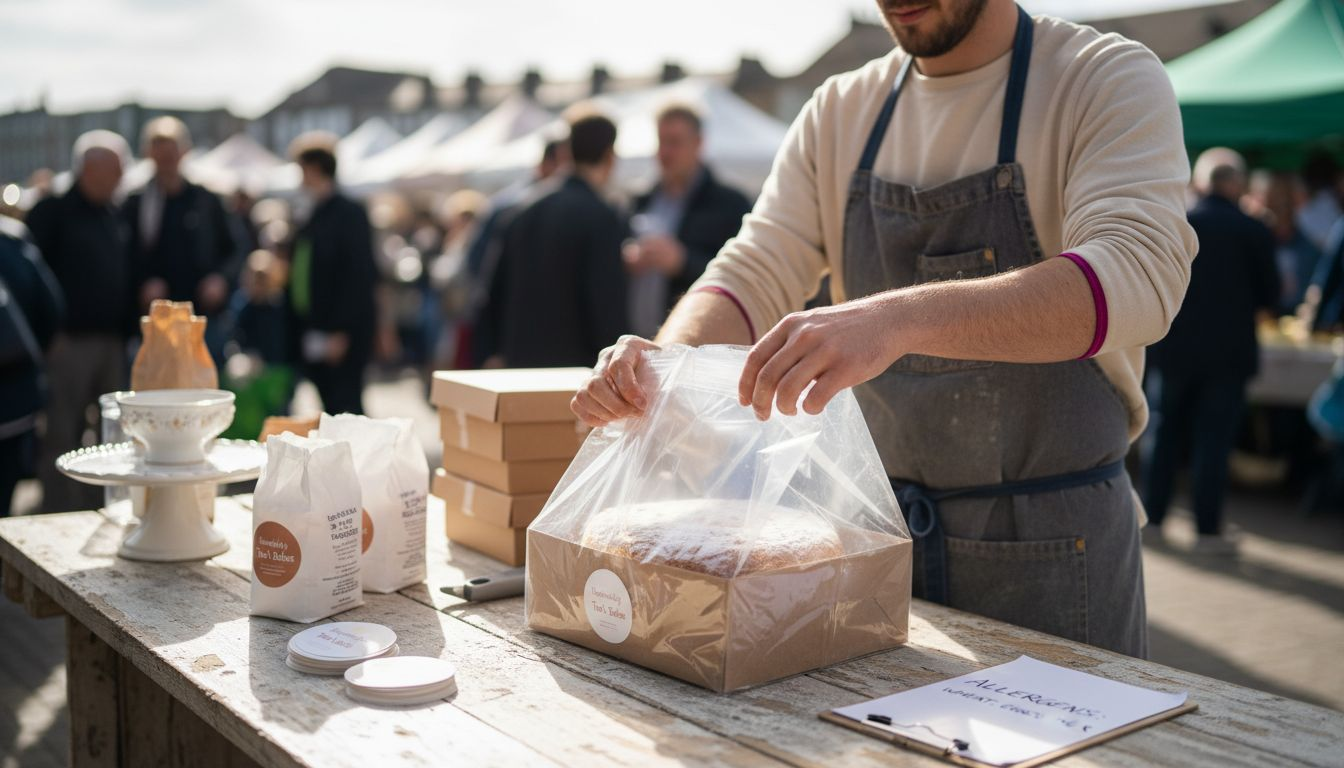
Your label must include your business name and address, a complete ingredient list with allergens highlighted, any allergen warnings, and a best before date. The information must be legible and permanent, not handwritten notes that smudge or fade. Professional printed labels enhance perceived value and demonstrate food business credibility.
Packaging serves dual purposes: legal compliance and marketing tool. Eye-catching boxes and clear windows that showcase your cake’s decoration draw customers to your stall. Branded packaging with your business logo and colours helps customers remember you for repeat purchases and word-of-mouth recommendations.
Legal requirements vs presentation tips:
- Legal: Full ingredient list with 14 major allergens emphasised
- Legal: Business name and contact details clearly visible
- Legal: Best before date and storage instructions included
- Presentation: Transparent windows to show cake decoration and quality
- Presentation: Branded labels with consistent colours and logo design
- Presentation: Sturdy boxes that protect cakes and stack neatly for display
- Presentation: Ribbon or stickers that add premium feel without extra cost
Investing in quality packaging pays dividends through higher prices and increased sales volume. Customers associate professional packaging with better quality and food safety standards. When you choose the right cake boxes, you protect products during transport and create shelf appeal that competitors struggle to match.
Your stall display arrangement influences buying decisions significantly. Position your bestselling designs at eye level, create height variation using cake stands, and ensure clear price tickets for every item. Group similar products together and leave space between items so customers can examine each cake easily.
Insurance and liability considerations
Public liability insurance is usually mandatory and protects against accidents at market stalls. Most market organisers won’t allow you to trade without proof of adequate cover, typically £2 million to £5 million for public events. This insurance covers customer injuries, property damage, and legal costs if someone claims your cake caused illness or allergic reaction.
If you employ anyone, even casually for market day assistance, you need employers’ liability insurance by law. This covers compensation claims from employees injured whilst working for you. The minimum legal cover is £5 million, and you must display your certificate at your business premises and market stall.
Operating without adequate insurance exposes your personal assets to unlimited risk. A serious allergic reaction claim could result in damages exceeding £100,000, plus legal costs. Without insurance, you’d pay from personal savings, potentially losing your home and financial security.
Insurance types and coverage:
- Public liability insurance: Covers third party injury and property damage claims from market customers
- Product liability insurance: Protects against claims from illness or allergic reactions to your cakes
- Employers’ liability insurance: Mandatory if you employ staff, covers workplace injury compensation
- Contents insurance: Covers theft or damage to your equipment, stock, and market stall setup
- Professional indemnity: Protects against claims of negligent advice about allergens or ingredients
Typical annual costs range from £100 to £300 for comprehensive public liability cover, depending on your turnover and claim history. Product liability often bundles with public liability at minimal extra cost. Shop around using specialist food business insurers who understand market trading risks better than general providers.
Pro Tip: Obtain insurance quotes at least four weeks before your first market date. Market organisers often require proof of cover when approving licence applications, and obtaining insurance takes longer than expected due to underwriting assessments.
Some policies exclude specific activities like hot food preparation or alcohol sales. Read policy terms carefully and disclose all your trading activities accurately. Failing to disclose cake delivery services or wedding cake consultations could invalidate claims. Check market selling insurance requirements specific to your council area as minimum cover levels vary.
Practical tips for market day operations
Successful market trading requires careful planning and consistent execution of operational basics. Your preparation starts the night before with packing your vehicle, checking equipment, and reviewing weather forecasts that might affect customer footfall or product stability.
Market day operational steps:
- Arrive at your allocated time, respecting market rules on vehicle access and pitch setup windows
- Set up your stall efficiently with tables, displays, and signage before trading hours commence
- Complete hygiene checks including hand washing facilities, surface sanitisation, and temperature monitoring
- Engage customers warmly, offering samples where permitted and answering allergen questions confidently
- Monitor stock levels and adjust displays to maintain attractive presentation throughout the day
- Break down your stall promptly at close time, disposing of waste properly and leaving your pitch clean
Most market licences require compliance with arrival times, cancellation policies, and waste disposal rules. Missing your setup window might cost you that day’s pitch. Failing to notify organisers about cancellations often triggers penalty fees or licence suspension.
Market organiser do’s and don’ts:
- Do arrive during designated setup times and park only in approved areas
- Do display your licence, insurance certificate, and food hygiene rating clearly
- Do respect neighbouring traders’ space and maintain friendly professional relationships
- Don’t block access routes or create trip hazards with equipment and stock
- Don’t play loud music or create disturbances that affect other traders negatively
- Don’t undercut agreed minimum prices if your market operates pricing guidelines
Maintain food safety vigilance throughout trading hours. Check cake temperatures regularly if you’re displaying chilled products, keep hand sanitiser available for immediate use, and never serve cakes that have fallen or become contaminated. Your reputation depends on zero food safety incidents.
Waste management shows respect for the market community and environment. Bring sufficient bin bags, remove all rubbish from your pitch, and never leave waste for organisers or other traders to handle. Some markets charge waste disposal fees, whilst others provide communal bins.
Pro Tip: Use designs that increase sales by choosing simple, visually striking decorations that appeal to impulse buyers. Complex designs impress but simple, colourful cakes often outsell them at markets where customers make quick purchasing decisions.
Common misconceptions and legal risks
Many home bakers hold dangerous misconceptions about food business regulations that expose them to serious legal consequences. Understanding these myths helps you avoid costly mistakes and operate confidently within the law.
Top misconceptions corrected:
- Myth: Small scale or occasional cake sales don’t require food business registration
- Reality: Any commercial food activity, regardless of frequency or scale, requires registration 28 days before trading
- Myth: Market stall licences are optional if you only attend occasionally or casually
- Reality: Every trader needs appropriate licence approval from market organisers and local councils before selling
- Myth: Food safety laws only apply to commercial kitchens, not home bakers
- Reality: The Food Safety Act 1990 and hygiene regulations apply equally to all food businesses including home operations
Operating without registration or licence risks fines, prosecution, and seizure of goods. Trading Standards officers and environmental health inspectors actively monitor markets, and penalties escalate quickly for repeat offenders. First time offences typically result in warnings and immediate trading bans, but persistent illegal trading can lead to criminal prosecution.
“Food business operators who deliberately ignore registration requirements face unlimited fines and up to two years imprisonment under the Food Safety Act. The courts take consumer protection extremely seriously, particularly regarding undeclared allergens and unregistered food premises.”
Severe penalties reflect the serious health risks unregistered food businesses pose to consumers. Without inspection and oversight, dangerous practices can cause allergic reactions, food poisoning, or worse. Many bakers wrongly believe occasional sales don’t require registration, which is false and potentially life threatening for customers with allergies.
Extra licensing may apply if you’re selling products beyond simple cakes. Chocolate products, alcoholic cake fillings, or imported ingredients might trigger additional import licences or specialist food approvals. Always check with your environmental health department if you’re uncertain about specific ingredients or product types.
Understanding legal risks for home bakers protects both your business investment and your customers’ wellbeing. Compliance isn’t bureaucracy; it’s fundamental consumer protection that maintains public trust in local food markets.
Building a successful cake market stall business
Success at local markets combines legal compliance, operational excellence, and customer focused selling. Your foundation starts with proper registration, appropriate licensing, and adequate insurance that protects your business and satisfies market organiser requirements. These aren’t optional extras; they’re business essentials.
Food safety and clear labelling build customer trust that translates directly into sales and repeat business. When customers see professional allergen labels and clean presentation, they feel confident buying from you instead of competitors. Your hygiene rating becomes a selling point when it’s four or five stars.
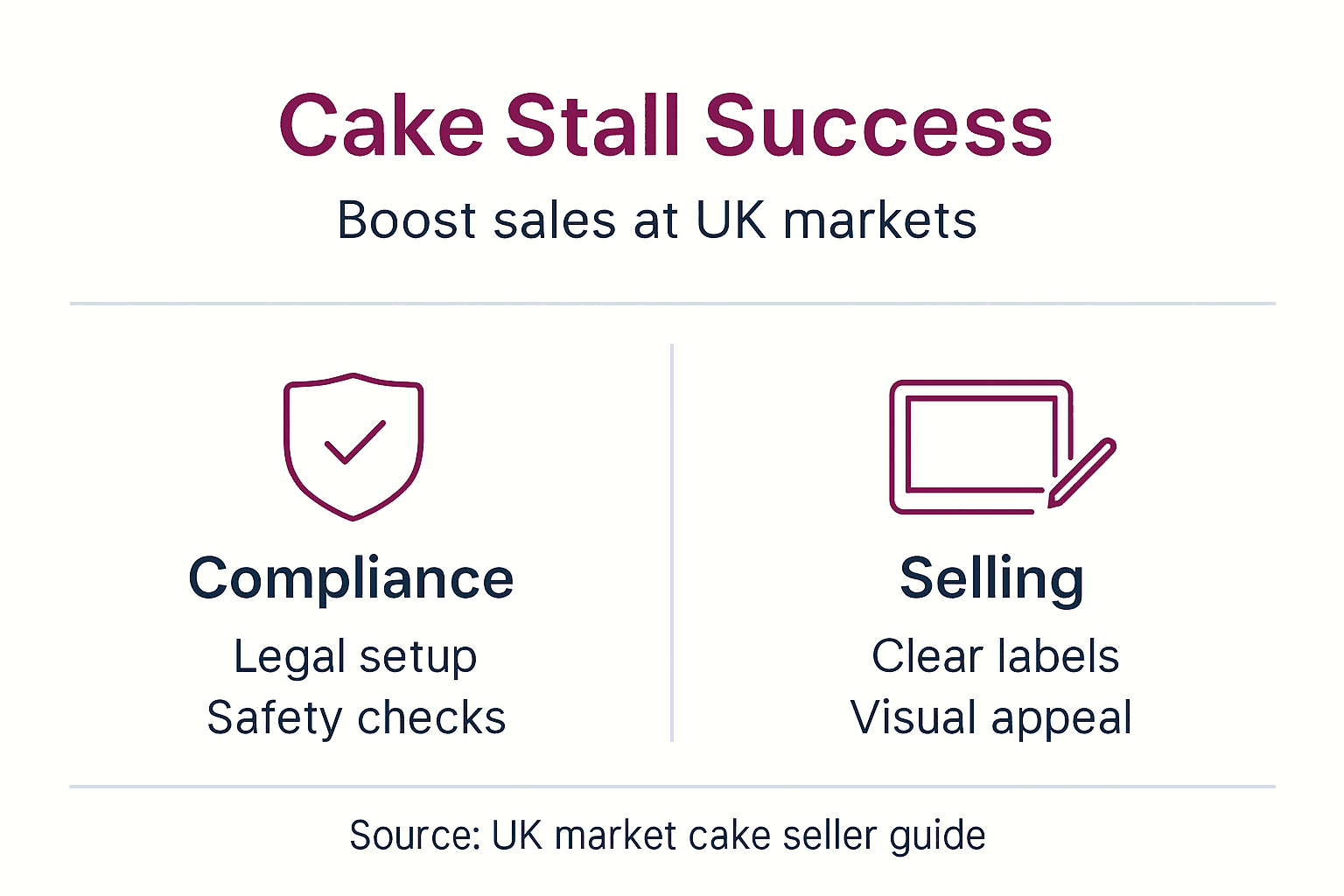
Effective packaging and presentation differentiate your products in crowded market environments where dozens of stalls compete for attention. Invest in quality boxes, clear labelling, and attractive displays that showcase your decoration skills whilst meeting all legal requirements.
Success factors to implement:
- Complete all legal registrations and obtain appropriate licences before your first market date
- Secure adequate public liability insurance and display certificates prominently at your stall
- Develop consistent hygiene procedures and maintain detailed records for inspection readiness
- Create professional packaging with compliant allergen labels that also attract customer attention
- Build relationships with market organisers and neighbouring traders for long term pitch security
- Track sales data by product type, price point, and weather conditions to optimise your range
- Gather customer feedback actively and adapt your designs to local preferences and seasonal trends
Start legally and prepared, and you’ll avoid the stress and penalties that derail unprepared sellers. Your initial investment in compliance and quality pays dividends through sustainable growth, customer loyalty, and peace of mind that you’re protected against legal and financial risks.
Local markets offer genuine opportunities to build profitable cake businesses with relatively low startup costs and direct customer relationships. Take the time to understand and implement proper procedures, and you’ll position yourself for long term success in this rewarding market.
Equip your cake market stall with expert tools from The Vanilla Valley
Now that you understand the legal requirements and operational essentials for market selling, equip yourself with professional supplies that help you stand out and succeed.
The Vanilla Valley offers everything you need to create market ready cakes that comply with regulations whilst attracting customers. From sturdy best cake boxes for tall cakes that protect your creations during transport to comprehensive guides on essential equipment, we support your market selling journey at every stage.
Whether you’re just starting out and need baking essentials for beginners or you’re ready to scale up with market proven cake decorating ideas, our expertly curated supplies and guidance help you build a thriving market stall business with confidence.
Frequently asked questions
How do I register my cake selling business with the local council?
Register online through your local council’s environmental health department website or visit their offices in person. You’ll need your home address, business name, and a description of your food activities including cake types and sales locations. The process is free and typically takes 10 to 15 minutes to complete. Registration must be submitted at least 28 days before you start trading to allow time for inspection scheduling.
What type of market stall licence should I apply for?
Choose a temporary licence if you’re testing market demand or selling occasionally at different locations without pitch commitment. Select a permanent licence when you plan regular weekly or monthly trading and want a fixed pitch for customer recognition. Temporary licences cost £10 to £30 per day depending on your council, whilst permanent licences range from £500 to £2,000 annually. Permanent licences offer better pitch positions and protect your trading spot from competitors.
Are allergen labels mandatory on homemade cakes?
Yes, allergen labelling is mandatory on all pre-packed cakes sold to the public under Natasha’s Law. Your labels must list all ingredients with the 14 major allergens clearly emphasised in bold, capital letters, or contrasting colours. Include your business name and address, best before date, and storage instructions on every package. Penalties for missing or incorrect allergen information include unlimited fines and prosecution if someone suffers an allergic reaction.
Do I need insurance to sell cakes at local markets?
Public liability insurance is usually mandatory before market organisers approve your stall application. Most require minimum cover of £2 million to £5 million for public trading events. If you employ anyone, even casually, you must have employers’ liability insurance covering at least £5 million by law. Trading without adequate insurance exposes you to unlimited personal liability for injury claims, property damage, and legal costs that could exceed £100,000 for serious incidents.
Recommended
- Simple Easter Cake Designs Boost Sales 25%: Market Guide - The Vanilla Valley
- 7 Best Cake Boxes for Tall Cakes and Top Tips for UK Bakers - The Vanilla Valley
- Cake Toppers Explained: Creative Impact for Bakers - The Vanilla Valley
- Bento Boxes: Elevating Cake Presentation and Gifting - The Vanilla Valley