
Silicone Moulds for Cupcakes: Creative Decorating Techniques
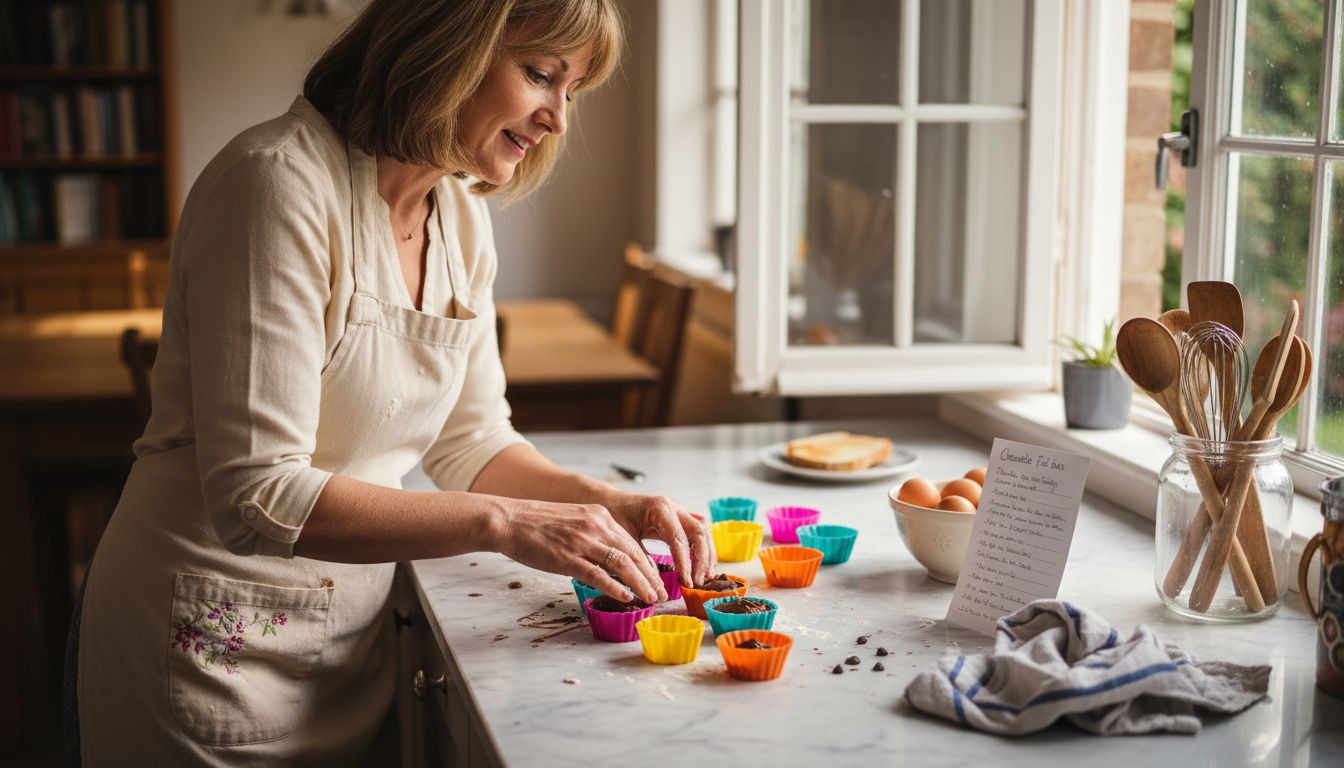
Nearly every british baker has faced the frustration of decorations sticking or breaking when using traditional cupcake moulds. This challenge matters because creating visually stunning, intricate cupcake designs demands both precision and ease of release. With silicone moulds, bakers can enjoy a flexible, non-stick solution that offers remarkable durability and consistent results. Discover what makes these innovative tools a favourite across United Kingdom kitchens and why over 80 percent of professional bakers now prefer them for detailed cupcake artistry.
Table of Contents
- What Are Silicone Moulds for Cupcakes?
- Types of Silicone Moulds for Cupcake Decorating
- How Silicone Moulds Enhance Cupcake Decoration
- Safe Use and Cleaning of Moulds in the UK
- Common Mistakes When Using Silicone Moulds
- Comparing Silicone to Traditional Mould Alternatives
Key Takeaways
| Point | Details |
|---|---|
| Versatile Design Tools | Silicone moulds allow bakers to create intricate designs that enhance the aesthetic appeal of cupcakes. |
| Superior Performance | They offer a non-stick, heat-resistant surface that withstands a range of temperatures, making them suitable for various decorating techniques. |
| Maintenance Importance | Proper cleaning and storage of silicone moulds are essential for longevity and hygiene in baking environments. |
| Avoid Common Mistakes | Understanding temperature management and preparation techniques is crucial for optimal results when using silicone moulds. |
What Are Silicone Moulds for Cupcakes?
Silicone moulds for cupcakes are flexible, versatile baking tools designed to help bakers create intricate and visually stunning cake decorations with precision and ease. Unlike traditional metal or plastic moulds, these innovative culinary accessories offer remarkable flexibility, allowing decorators to release delicate sugar art, fondant details, and intricate cake embellishments without damaging their carefully crafted designs.
These specialised moulds come in an impressive array of shapes, sizes, and patterns, enabling bakers to transform simple cupcakes into artistic masterpieces. From elegant floral patterns to whimsical character designs, silicone moulds provide a creative canvas for expressing culinary imagination. Cupcake design enthusiasts can use these tools to craft everything from delicate lace-like decorations to three-dimensional figures that elevate ordinary baked treats into extraordinary edible art.
The primary advantages of silicone moulds include their non-stick surface, heat resistance, and remarkable durability. Professional and home bakers appreciate these tools because they can withstand temperatures ranging from freezing to high baking temperatures, making them incredibly versatile for various cake decorating techniques. Whether you’re creating chocolate garnishes, sugar paste decorations, or intricate fondant details, silicone moulds offer unparalleled precision and repeatability.
Pro Tip for Decorators: Always thoroughly clean and dry your silicone moulds after each use, and store them flat to maintain their original shape and prevent warping, ensuring consistent results in your cake decorating adventures.
Types of Silicone Moulds for Cupcake Decorating
Silicone moulds for cupcake decorating come in a diverse range of styles, each designed to serve specific creative purposes and skill levels. These versatile tools can be categorised into several primary types, enabling bakers to produce everything from simple elegant decorations to complex three-dimensional sugar art. The most common categories include character moulds, texture moulds, border moulds, and speciality themed designs that cater to various baking and decorating techniques.
Character and figurative moulds represent one of the most popular categories, allowing decorators to create intricate design elements with remarkable detail. Figure modelling enthusiasts can utilise these moulds to craft miniature characters, animals, and themed shapes that transform ordinary cupcakes into storytelling canvases. Some speciality moulds even feature regional or cultural designs, such as the Prince of Wales Feathers mould, which allows bakers to incorporate traditional Welsh heraldic symbols into their cake decorations.
Texture and impression moulds offer another fascinating dimension to cupcake decorating. These intricate tools enable bakers to create sophisticated patterns that mimic delicate lace, architectural elements, botanical designs, and geometric shapes. Border moulds are particularly useful for creating consistent, professional-looking edging and trim details that can elevate the overall aesthetic of cupcake presentations. Professional bakers often invest in modular mould sets that provide multiple design options, allowing for greater creative flexibility and complexity in their decorative techniques.
Pro Tip for Mould Selection: Always purchase high-quality, food-grade silicone moulds from reputable manufacturers to ensure durability, precise detail reproduction, and safe use in food preparation environments.
The following table summarises the main types of silicone cupcake moulds and their creative applications:
| Type of Silicone Mould | Common Shapes & Patterns | Best For |
|---|---|---|
| Character/figurative | Animals, people, themed icons | Children’s parties, themes |
| Texture/impression | Lace, florals, geometry | Elegant adult cupcakes |
| Border | Beading, waves, scallops | Professional cake edges |
| Themed/speciality | Heraldic, regional symbols | Cultural, festive bakes |
How Silicone Moulds Enhance Cupcake Decoration
Silicone moulds are revolutionary tools that transform ordinary cupcake decoration from mundane to extraordinary, offering bakers unprecedented creative possibilities. These versatile accessories enable decorators to achieve precision, consistency, and intricate detail that would be challenging to create through traditional hand-crafting techniques. By providing repeatable design elements and complex structural support, silicone moulds elevate cupcake aesthetics to professional artistic standards.
Professional bakers frequently utilise silicone moulds to create stunning three-dimensional decorative elements that add visual drama to their cupcake designs. Cake popsicle enthusiasts understand how versatile these tools can be, allowing for the creation of delicate sugar flowers, intricate geometric patterns, and miniature sculptural elements that transform simple baked goods into edible works of art. The moulds’ remarkable flexibility enables bakers to release delicate decorations without damaging their intricate structures, a significant advantage over traditional rigid moulding techniques.
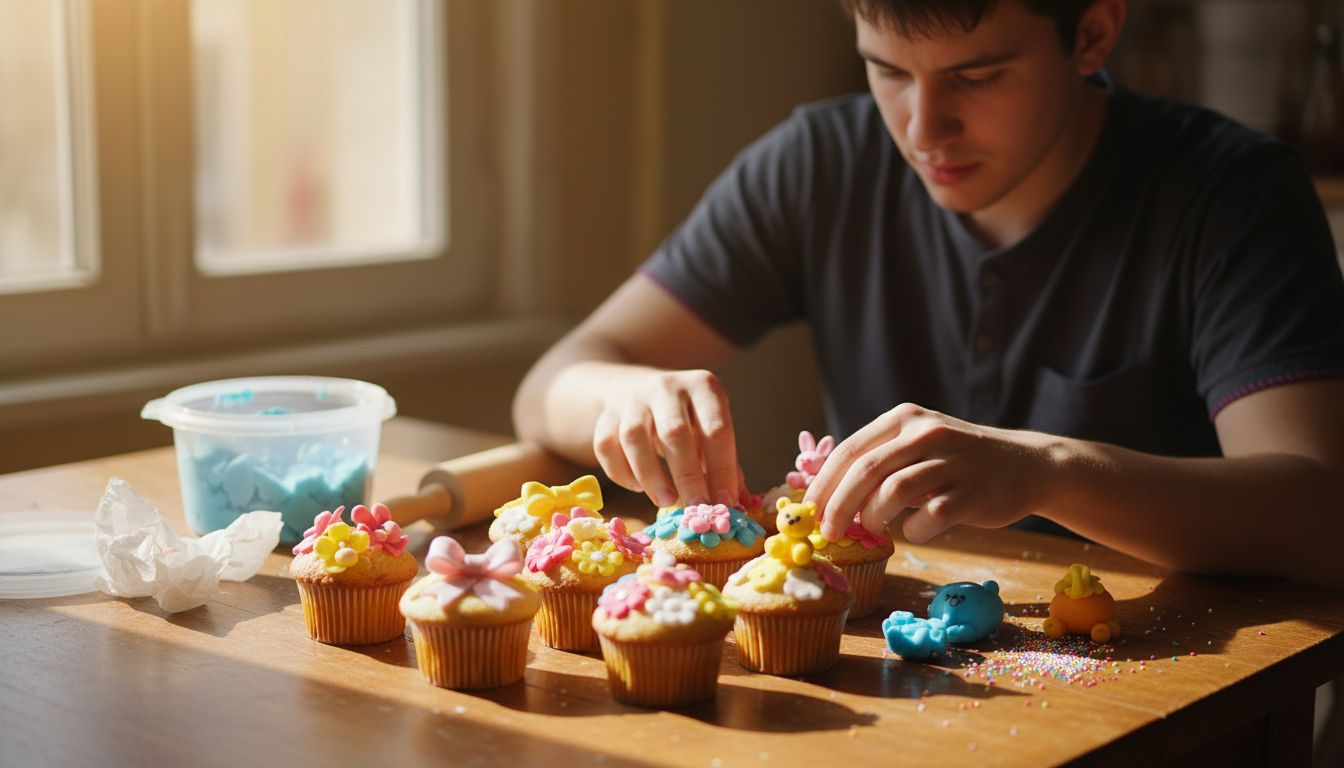
Beyond aesthetic enhancement, silicone moulds contribute to consistent quality and efficiency in cupcake decoration. Their non-stick surface ensures easy release of decorative elements, while their heat-resistant properties make them suitable for various culinary techniques including chocolate work, fondant shaping, and sugar craft. Professional decorators appreciate how these moulds streamline the creative process, allowing them to reproduce complex designs quickly and accurately. Whether crafting delicate wedding cupcakes or playful children’s birthday treats, silicone moulds provide the precision and creative flexibility needed to bring imaginative concepts to life.
Pro Tip for Decoration Mastery: Experiment with different mould types and techniques, combining multiple silicone mould designs to create unique, layered decorative elements that will make your cupcakes stand out from standard bakery offerings.
Safe Use and Cleaning of Moulds in the UK
Maintaining the hygiene and integrity of silicone moulds is crucial for both food safety and long-term performance in professional and home baking environments. Proper cleaning and storage techniques not only prevent bacterial contamination but also extend the lifespan of these valuable decorating tools. British food safety regulations emphasise the importance of thorough cleaning and sanitisation for all food preparation equipment, making meticulous mould maintenance an essential practice for bakers across the United Kingdom.
After each use, bakers should implement a comprehensive cleaning protocol that begins with gentle washing. Warm water and mild, food-safe detergent are recommended for removing sugar residues, fondant remnants, and other decorative material traces. Harsh scrubbing can damage the delicate surface of silicone moulds, so soft cleaning cloths or silicone-safe sponges should be used. Release spray techniques can also help prevent stubborn material adhesion, making subsequent cleaning significantly easier and protecting the mould’s intricate design features.
Proper storage is equally critical in maintaining silicone mould quality. Bakers should ensure moulds are completely dry before storage to prevent potential mould and bacterial growth. Ideally, store silicone moulds flat in a cool, dry environment away from direct sunlight, which can degrade the material’s flexible properties over time. Professional decorators recommend using dedicated storage containers that protect the moulds from dust, potential mechanical damage, and temperature fluctuations. Some bakers use breathable fabric bags or specialised mould storage solutions that maintain the shape and prevent unnecessary stress on the delicate silicone structures.
Pro Tip for Mould Maintenance: Always inspect your silicone moulds for signs of wear, discolouration, or surface degradation before each use, and replace them promptly if any structural integrity issues are detected to maintain the highest standards of food safety and decoration quality.
Common Mistakes When Using Silicone Moulds
Silicone moulds are sophisticated decorating tools that require careful handling and precise technique. Many amateur bakers and even experienced decorators inadvertently make critical errors that can compromise the quality of their cupcake decorations. Understanding these common pitfalls is essential for achieving professional-looking results and maintaining the integrity of both the moulds and the final decorative elements.
One of the most frequent mistakes bakers encounter is improper temperature management when using silicone moulds. Extreme temperature variations can cause structural damage or unexpected deformation, leading to poor decoration quality. Professional bakers avoid common baking mishaps by understanding the precise temperature limitations of their silicone tools. Some decorators mistakenly subject their moulds to thermal shock by transferring them directly from freezing temperatures to hot environments, which can cause micro-fractures or permanent warping that impacts future decoration precision.
Another significant error involves inadequate preparation and release techniques. Many decorators overlook the importance of properly preparing silicone moulds before use, which can result in decorative elements sticking or breaking during removal. Using appropriate release agents, ensuring moulds are completely clean and dry, and understanding the specific requirements of different decorative mediums like chocolate, fondant, or sugar paste are crucial steps. Bakers should also avoid using metal tools or abrasive cleaning materials that can scratch or damage the delicate silicone surface, which compromises the mould’s ability to create precise, intricate designs.
Pro Tip for Mould Mastery: Always test a new silicone mould with a small batch of decorative material to understand its specific release and setting characteristics before committing to a large-scale decorating project.
Comparing Silicone to Traditional Mould Alternatives
Traditional cake decorating moulds have long been the standard in baking, but silicone technology has revolutionised the way bakers approach intricate decoration techniques. Metal, ceramic, and plastic moulds each have distinct limitations that silicone overcomes, making these innovative tools increasingly preferred by professional and amateur decorators alike. Understanding the comparative advantages helps bakers make informed choices about their decorating equipment.
Metal moulds, historically popular among professional bakers, present significant drawbacks compared to silicone alternatives. They conduct heat unevenly, can rust with repeated use, and often require extensive greasing to prevent sticking. Professional baking techniques emphasise the importance of consistent tool performance, which silicone moulds inherently provide. Silicone’s non-stick surface eliminates the need for excessive release agents, reduces preparation time, and ensures more reliable decoration release without damaging delicate sugar work or fondant designs.
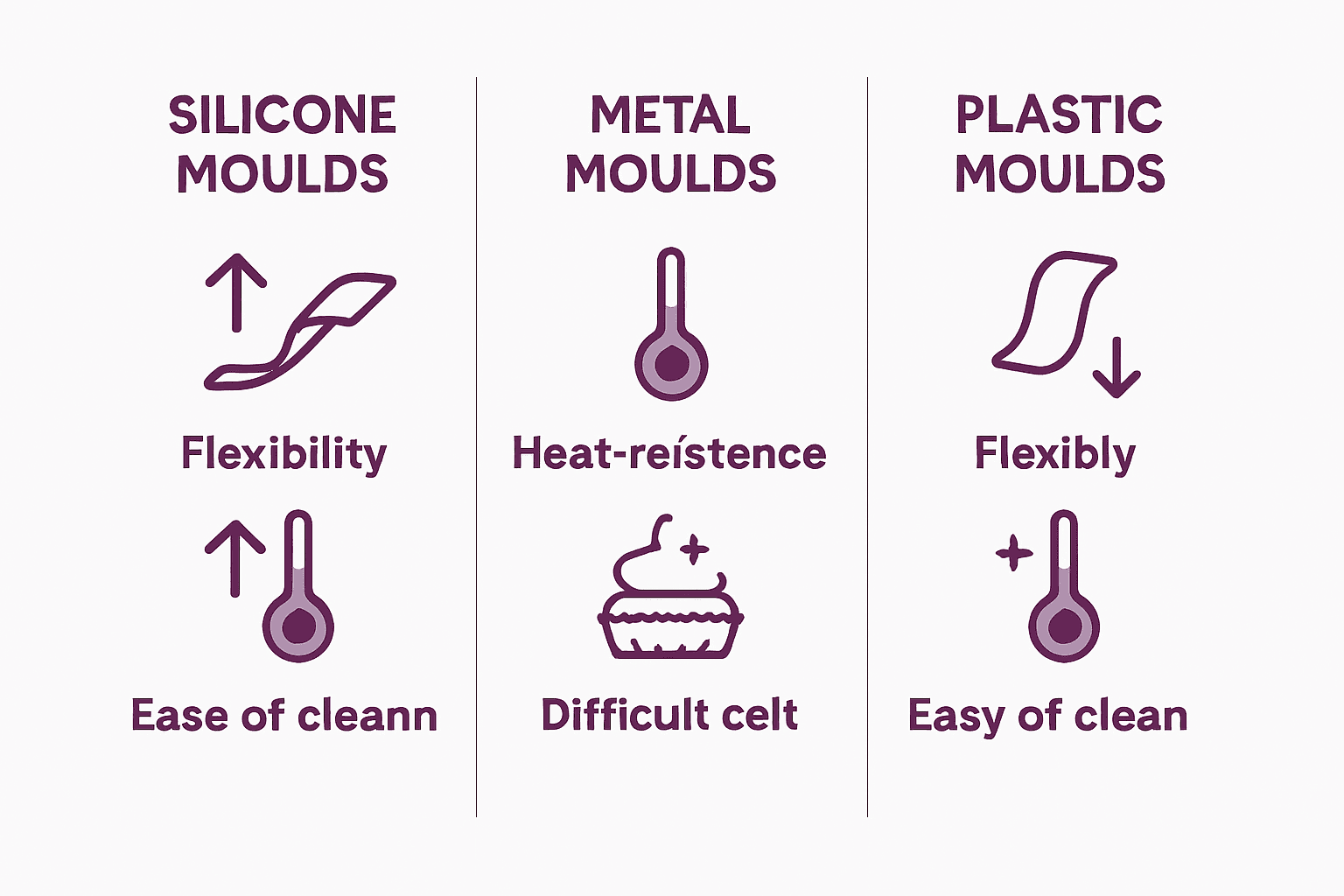
Plastic and ceramic moulds also fall short when compared to silicone’s remarkable versatility. These traditional materials typically have limited temperature tolerance, making them unsuitable for techniques involving freezing or high-temperature applications. Silicone moulds, by contrast, can withstand temperatures ranging from well below freezing to high baking temperatures, enabling decorators to create complex multi-stage decorative elements. Their flexibility allows for easier demolding of intricate designs, while maintaining precise structural details that rigid materials cannot replicate. This adaptability makes silicone moulds particularly valuable for creating three-dimensional decorations, delicate sugar flowers, and complex geometric patterns that would be challenging or impossible with traditional moulding materials.
Here is a comparison of popular cupcake mould materials to help you select the best option:
| Mould Material | Flexibility & Release | Temperature Tolerance | Ideal Uses |
|---|---|---|---|
| Silicone | Highly flexible, easy demoulding | Freezer to oven safe | Fondant, chocolate, sugar art |
| Metal | Rigid, can stick without greasing | High oven heat only | Cake bases, basic shapes |
| Plastic | Moderately flexible, may stick | Cannot withstand high heat | Cold-set sweets, jelly |
| Ceramic | Rigid, prone to breakage | Limited heat resistance | Traditional cake shapes |
Pro Tip for Mould Selection: Invest in high-quality, food-grade silicone moulds from reputable manufacturers, as superior materials ensure better performance, longer lifespan, and more consistent decoration results.
Elevate Your Cupcake Creations with Expert Tools from The Vanilla Valley
The art of cupcake decoration demands precision tools like silicone moulds that deliver intricate detail without compromising delicate designs. Whether you struggle with sticking decorations or miss the flexibility to create complex shapes, The Vanilla Valley offers a curated range of high-quality, food-grade silicone moulds and complementary supplies to overcome these challenges. From character and texture moulds to specialised themed designs, our selection empowers both amateur bakers and professionals to achieve stunning results every time.
Unlock your creative potential today with baking essentials, including fondant, food colours, and reliable release sprays that support your decorating journey. Explore our trusted collection and benefit now from free and next day delivery options, backed by a physical store presence in North Cardiff and years of expert service. Start crafting extraordinary cupcakes by visiting The Vanilla Valley website and discover how easy professional-grade decoration can be with the right tools at your fingertips.
Browse our supportive resources like Figure Modelling for Beginners and discover specialised mould options such as the Prince of Wales Feathers Mould to add distinctive cultural touches to your cakes. Take the first step towards mastering your silicone mould techniques by visiting The Vanilla Valley homepage now.
Frequently Asked Questions
What are silicone moulds for cupcakes?
Silicone moulds for cupcakes are flexible baking tools that allow bakers to create intricate decorations with precision and ease. They offer a non-stick surface and can withstand a range of temperatures, making them versatile for various decorating techniques.
How do I clean and maintain my silicone moulds?
To clean silicone moulds, wash them with warm water and mild, food-safe detergent. Use soft cleaning cloths to avoid damaging the surface. Ensure they are completely dry before storage, and keep them flat in a cool, dry place to prevent warping.
What are the different types of silicone moulds available for cupcake decorating?
Common types of silicone moulds include character moulds for intricate designs, texture moulds for sophisticated patterns, border moulds for professional edges, and themed or speciality designs for specific occasions or cultural representations.
How do silicone moulds compare to traditional moulds for cupcake decorating?
Silicone moulds offer advantages over traditional moulds like metal or plastic, including better heat distribution, flexibility for easier demoulding, and a non-stick surface that eliminates the need for excessive greasing. This makes silicone a preferred choice for creating detailed decorations.