Complete Guide to Tylo Powder and CMC for Cake Decorating
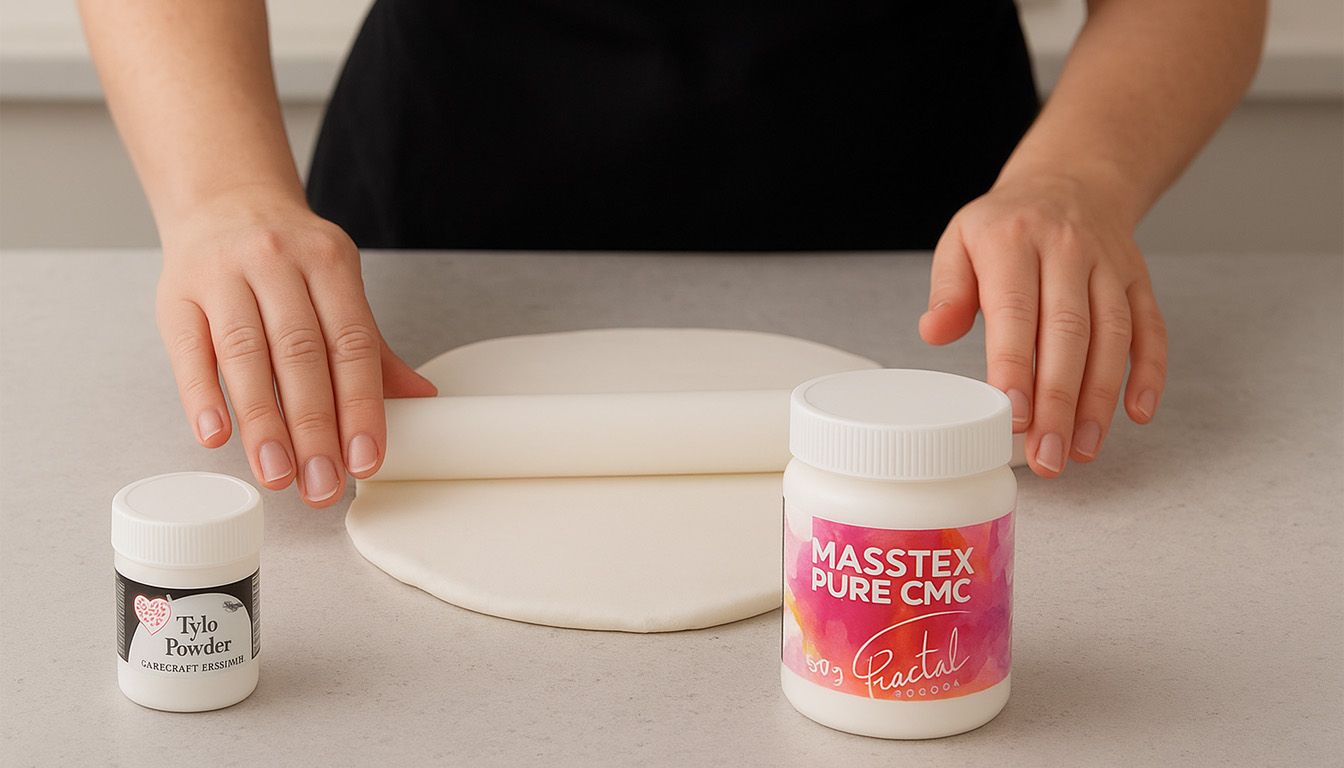
Over 80 percent of british cake artists rely on Tylo powder to give their sugar decorations the perfect structure. Whether you are crafting intricate sugar flowers or adding unique accents to a special cake, finding the right hardening agent can make a world of difference. This guide makes it clear how Tylo powder helps turn ordinary fondant into stunning, professional-quality decorations that stay firm, flexible, and beautiful.
Table of Contents
Key Takeaways
| Point | Details |
| Tylo Powder Functionality | Tylo powder (CMC) significantly enhances the stability and workability of sugarpaste, making it ideal for intricate cake decorations. |
| Dosage Recommendations | A standard ratio of 1 teaspoon of Tylo powder per 250 grams of fondant is recommended, adjustable based on desired rigidity or flexibility. |
| Application Techniques | Proper kneading and even distribution of Tylo powder are crucial for optimal results; allow the fondant to rest for 15-20 minutes after mixing. |
| Choosing the Right Powder | Selecting between Tylo powder and Gum Tragacanth depends on project complexity, desired drying speed, and flexibility requirements. |
What Is Tylo Powder in Sugarcraft?
Tylo powder, also known as CMC (Carboxymethyl Cellulose), is a white, fine, and virtually tasteless food-grade powder used extensively in cake decorating and sugar craft. It functions as a crucial hardening and strengthening agent that transforms soft sugarpaste or fondant into a more stable and workable medium for intricate cake decorations.
Professional cake decorators use Tylo powder to create specific textural changes in sugarpaste, enabling them to craft delicate sugar flowers, fragile figurines, and intricate decorative elements that maintain their structural integrity. Using CMC/Tylo/Tylose to harden up sugarpaste reveals that adding just a small quantity of this powder can transform the elasticity and drying properties of fondant, making it easier to roll, shape, and mould.
When incorporated into sugarpaste, Tylo powder performs several critical functions. It reduces moisture content, accelerates drying time, and increases the rigidity of sugar-based decorations. This means sugar flowers can be created with thinner, more delicate petals that will hold their shape without crumbling or sagging. Cake artists appreciate Tylo powder because it allows them to create three-dimensional decorative elements that appear almost impossibly fragile yet remain structurally sound during transportation and display.
Understanding the nuanced application of Tylo powder requires practice and precision. Typically, decorators add approximately 1 teaspoon of Tylo powder per 250 grams of fondant, kneading it thoroughly to distribute the powder evenly. The amount can be adjusted depending on the specific project requirements, with more powder creating a harder, more brittle result and less powder maintaining more flexibility in the sugarpaste.
How Tylo, CMC, and Gum Tragacanth Differ
While Tylo powder (CMC), Gum Tragacanth, and other hardening agents serve similar purposes in cake decorating, they each possess unique characteristics that make them suitable for different sugar craft techniques. Using CMC/Tylo/Tylose to harden up sugarpaste highlights that these powders fundamentally modify the structural properties of sugarpaste, enabling cake artists to create more intricate designs.
Professional sugar artists recognise that Tylo powder (CMC) activates quickly and provides rapid drying, making it ideal for projects requiring swift preparation. In contrast, professional techniques reveal that Gum Tragacanth offers a longer working time and superior hardness, which makes it preferable for more complex, time-consuming sugar work that demands extended manipulation.
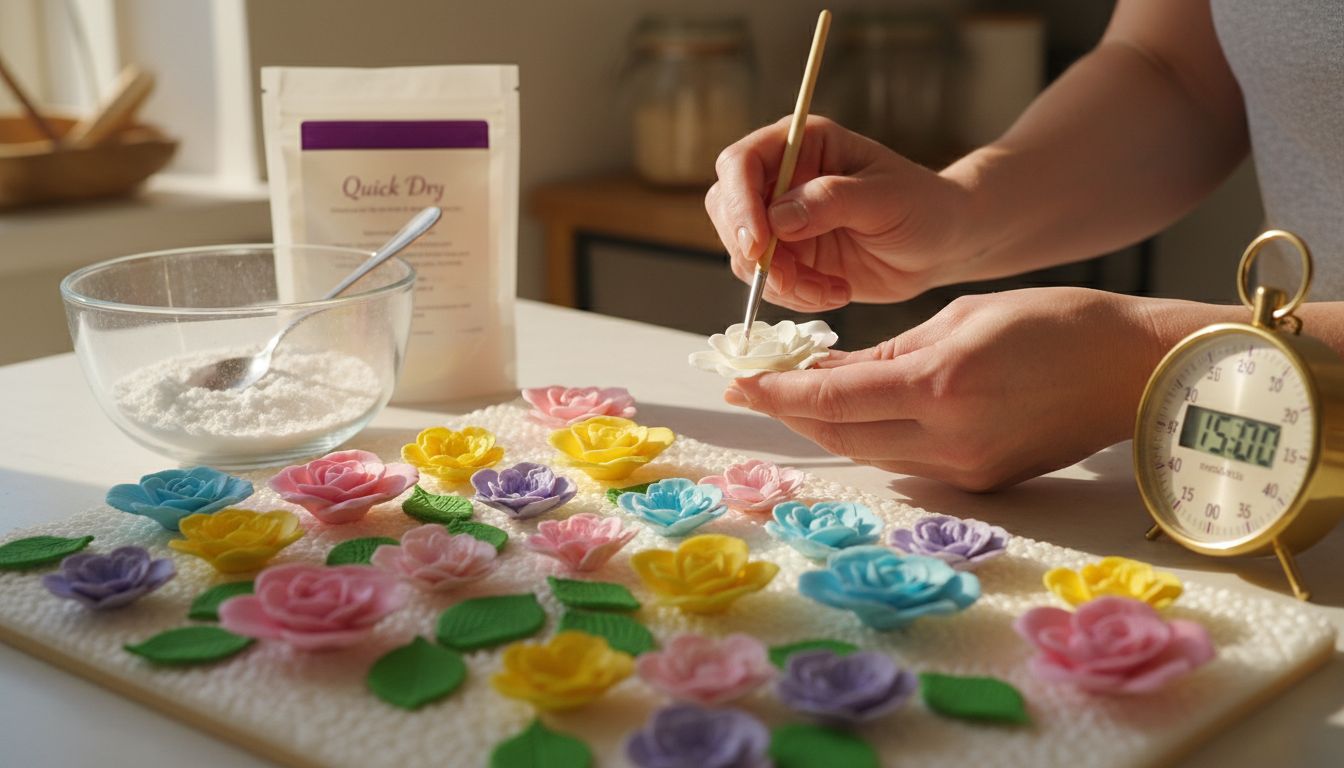
The key differences between these agents become apparent in their application and performance. Tylo powder typically requires less quantity to achieve hardening - usually around 1 teaspoon per 250 grams of fondant - and creates a more brittle result. Gum Tragacanth, however, produces a more flexible paste with extended malleability, allowing sugar artists greater precision during intricate modelling processes. This makes Gum Tragacanth particularly valuable for creating delicate sugar flowers and detailed figurines that demand sustained workability.
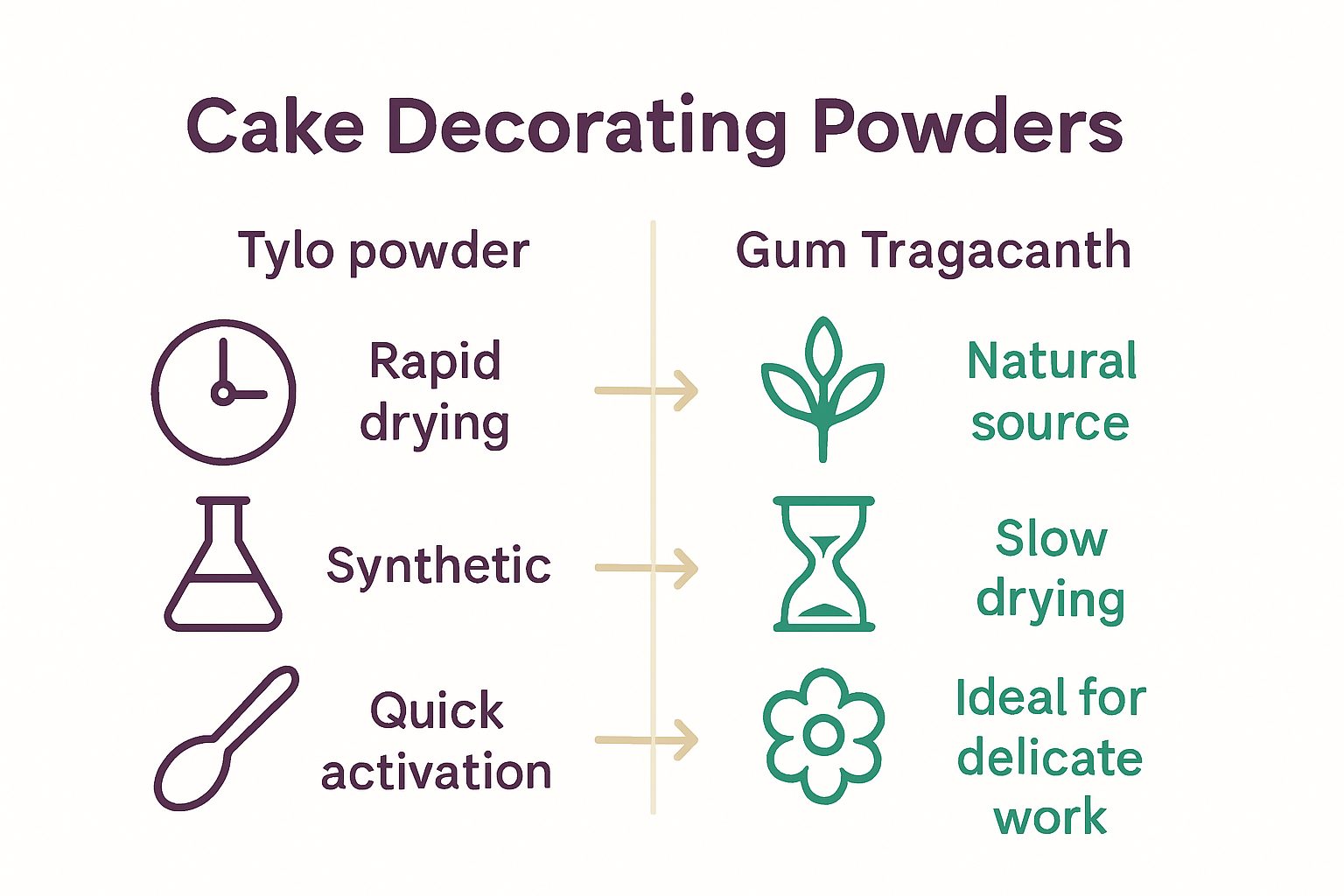
Ultimately, the choice between Tylo powder and Gum Tragacanth depends on the specific requirements of each cake decorating project. Factors such as drying time, structural integrity, level of detail, and desired flexibility will guide cake artists in selecting the most appropriate hardening agent. Experimenting with both substances will help decorators develop a nuanced understanding of their unique properties and determine which works best for different sugar craft techniques.
Using Tylo Powder in Fondant Effectively
Adding Tylo powder to fondant requires precision and careful technique to achieve the optimal structural transformation for cake decorating projects. Fondant covered cake techniques demonstrate that incorporating this powder can dramatically improve the workability and stability of sugarpaste, enabling cake artists to create more intricate and delicate designs.
When working with Tylo powder, professional decorators recommend a systematic approach to incorporation. Begin by measuring precisely 1 teaspoon of Tylo powder per 250 grams of fondant, gradually kneading the powder into the sugarpaste. The powder should be distributed evenly to ensure consistent hardening throughout the mixture. Work the powder into the fondant thoroughly, using a gentle but firm kneading motion that prevents air bubbles from forming and maintains the smooth texture of the paste.
The quantity of Tylo powder can be adjusted based on the specific requirements of your cake decorating project. For delicate sugar flowers or intricate figurines that require maximum rigidity, you might increase the powder slightly. Conversely, for designs needing more flexibility, reduce the quantity. Always allow the treated fondant to rest for approximately 15-20 minutes after mixing, which enables the powder to fully activate and stabilise the sugarpaste’s structure. This resting period is crucial for achieving the optimal consistency and workability.
Cake decorators must also consider environmental factors when using Tylo powder. Humidity and temperature can significantly impact how the powder interacts with fondant. In warmer, more humid environments, you might need to use slightly less powder, as the moisture can affect the hardening process. Store your Tylo-treated fondant in a cool, dry place, preferably in an airtight container, to maintain its optimal texture and prevent premature drying or cracking.
Practical Tips: Mixing, Dosages, and Results
Mastering the application of Tylo powder requires understanding its nuanced interaction with sugarpaste. CMC or Gum Tragacanth techniques reveal that precise measurement and mixing technique are crucial for achieving optimal fondant consistency and structural integrity.
Successful incorporation involves a strategic approach to dosage and mixing. Professional cake decorators recommend starting with a standard ratio of 1 teaspoon of Tylo powder per 250 grams of fondant, but this can be adjusted based on specific project requirements. For intricate sugar work demanding maximum rigidity, slightly increase the powder quantity. Conversely, for more flexible designs, reduce the amount. The key is to knead the powder thoroughly into the fondant, ensuring even distribution without creating air pockets that could compromise the paste’s smooth texture.
The results of Tylo powder application can vary dramatically depending on technique and environmental conditions. Temperature and humidity play significant roles in how the powder activates and transforms the sugarpaste. In warmer environments, you might need to use less powder, as excessive moisture can affect the hardening process. Professional decorators recommend a resting period of 15-20 minutes after mixing, allowing the Tylo powder to fully integrate and stabilise the fondant’s structure. This waiting time is critical for achieving the desired consistency and workability.
To ensure optimal results, develop a systematic approach to Tylo powder usage. Create test batches with varying powder quantities to understand how different ratios affect your specific fondant. Keep detailed notes on your mixtures, including environmental conditions, powder quantity, and resulting texture. Store your treated fondant in airtight containers in cool, dry environments to maintain its ideal working properties. Remember that practice and experimentation are key to mastering the delicate art of incorporating Tylo powder into your sugar craft techniques.
Which Powder to Choose for Cake Decorating
Beginner cake decorating tips reveal that selecting the right powder can dramatically transform your sugar craft project. Professional cake artists understand that different hardening agents offer unique properties that make them suitable for specific decorative techniques and design requirements.
Professional techniques demonstrate that pros choose different powders based on project complexity. Gum Tragacanth is ideal for intricate, time-consuming sugar work requiring longer manipulation time and superior hardness. It excels in creating delicate, realistic decorations with exceptional strength and flexibility. Professional decorators prefer this powder when crafting detailed sugar flowers, elaborate figurines, and complex sculptural elements that demand extended working periods.
In contrast, Tylo powder (CMC) is perfectly suited for projects requiring rapid drying and quick execution. Its fast-activating properties make it an excellent choice for simpler shapes, quick decorative elements, and designs that need to set quickly. Cake artists working on time-sensitive projects or creating more straightforward sugar decorations will find Tylo powder particularly advantageous. The powder’s ability to harden quickly allows for efficient workflow and enables decorators to move through multiple design stages with greater speed.
Ultimately, the choice between Gum Tragacanth and Tylo powder depends on your specific cake decorating goals. Consider factors like project complexity, desired working time, required flexibility, and drying speed. Experienced decorators often keep both powders in their toolkit, selecting the most appropriate option for each unique sugar craft challenge. Experimenting with different powders will help you develop a nuanced understanding of their characteristics and learn to leverage their distinct properties for stunning cake decorations.
Master Tylo Powder Use and Elevate Your Cake Decorating Today
Applying Tylo powder correctly can be a challenge for many passionate cake decorators. The fine balance between achieving rigidity and flexibility in your fondant means you need reliable, high-quality products to perfect your craft. Whether you want to create delicate sugar flowers that hold their shape or quick-setting decorative elements, understanding the right technique and having the right supplies is essential. Our range supports your goals to transform sugarpaste with precision and confidence using trusted ingredients like Tylo powder and complementary cake decorating essentials.
Discover everything you need to bring your sugar craft visions to life at The Vanilla Valley. From fondant and edible powders to essential cake boards and decorating tools, our carefully curated selection has supported bakers since 2009. Bring your cake designs to the next level by exploring our expert cakespiration articles for tips on using Tylo powder and other hardening agents. Start your journey now and benefit from our free and next day delivery options that help you meet deadlines without compromising quality.
Frequently Asked Questions
What is Tylo powder used for in cake decorating?
Tylo powder, also known as CMC, is used in cake decorating to improve the stability and workability of sugarpaste or fondant. It helps to harden and strengthen the mixture, enabling the creation of intricate decorations such as delicate sugar flowers and figurines.
How do you use Tylo powder with fondant?
To use Tylo powder with fondant, mix approximately 1 teaspoon of Tylo powder per 250 grams of fondant. Knead the powder thoroughly into the fondant to ensure even distribution. Allow the mixture to rest for 15-20 minutes to activate the Tylo powder before using it in your designs.
How does Tylo powder differ from Gum Tragacanth?
Tylo powder activates quickly and provides rapid drying, making it suitable for projects that require swift preparation. In contrast, Gum Tragacanth offers longer working time and superior hardness, making it preferable for more complex sugar work that requires extended manipulation and flexibility.
Can you adjust the amount of Tylo powder you use?
Yes, the amount of Tylo powder can be adjusted based on the specific needs of your project. Increasing the dosage will result in a harder, more brittle fondant, while using less will retain more flexibility in the sugarpaste. Experimenting with different quantities can help achieve the desired consistency for your designs.