Cake Decorating Explained: Techniques, Tools, Ideas
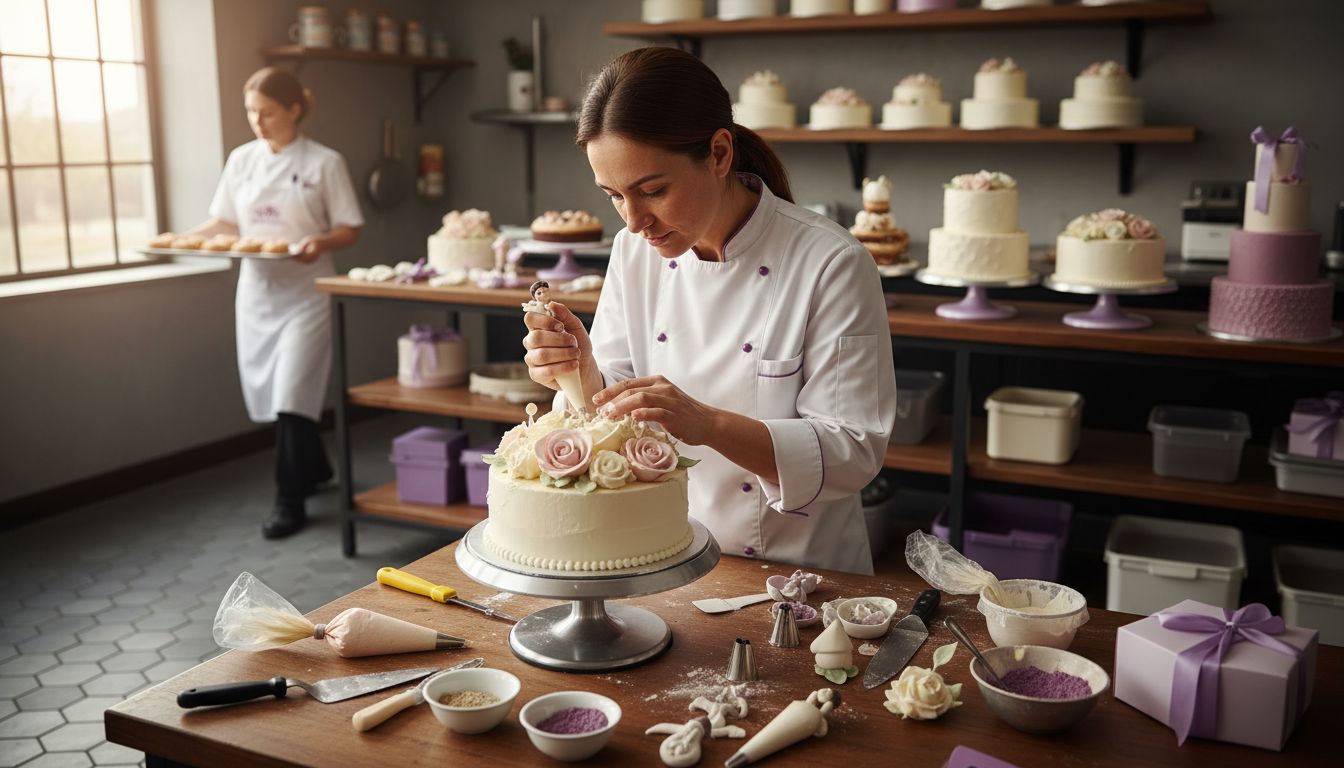
Every celebration in a british home feels more special with a beautifully decorated cake at its centre. Over 80 percent of bakers agree that cake decorating is where creativity meets tradition and turns simple desserts into memorable masterpieces. Whether you dream of piping delicate roses or crafting playful fondant figures, understanding the purpose and techniques of cake decorating opens up a world of delicious artistic expression and joy for every skill level.
Table of Contents
- Defining Cake Decorating And Its Purpose
- Popular Cake Decorating Techniques And Styles
- Essential Tools, Ingredients, And Accessories
- Key Skills And Step-By-Step Decorating Process
- Common Challenges And How To Avoid Them
Key Takeaways
| Point | Details |
|---|---|
| Art and Expression | Cake decorating is a blend of technical skill and creative design, allowing for personal expression and celebration through edible art. |
| Essential Techniques | Mastering techniques such as piping, fondant modelling, and airbrushing is crucial for creating professional-quality cake decorations. |
| Tools and Ingredients | High-quality tools and ingredients, like specialised piping equipment and edible colourings, are essential for achieving intricate and visually appealing designs. |
| Continuous Learning | Cake decorating offers endless opportunities for skill development, encouraging decorators to refine their techniques and explore new styles consistently. |
Defining Cake Decorating and Its Purpose
Cake decorating is an artful culinary practice that transforms simple baked goods into stunning visual masterpieces. According to Wikipedia, it involves “embellishing cakes for special occasions using materials like icing, fondant, and edible decorations to create visually appealing designs”. This creative craft goes far beyond mere appearance, serving as a medium for personal expression, celebration, and gastronomic artistry.
At its core, cake decorating blends technical skill with imaginative design. As highlighted by Stockton University, the practice encompasses multiple techniques like buttercream application, fondant modeling, and creating intricate decorative elements. Professional and amateur bakers alike use these skills to elevate ordinary cakes into extraordinary centrepieces that capture emotions, mark significant life moments, and showcase culinary creativity.
The purpose of cake decorating extends well beyond aesthetic appeal. It represents a unique intersection of culinary art and personal storytelling. Whether crafting a whimsical birthday cake for a child, an elegant wedding creation, or a themed celebration cake, decorators translate emotions and memories into edible art. By carefully selecting colours, textures, and design elements, cake decorators communicate narratives, celebrate traditions, and create memorable experiences that engage multiple senses.
For those passionate about this craft, cake decorating offers an incredible canvas for continuous learning and creativity. From mastering fundamental piping techniques to exploring advanced sculptural designs, bakers can progressively develop their skills and artistic vision. Beginner Cake Decorating Tips for Stunning Results can provide additional guidance for those eager to start their decorative journey.
Popular Cake Decorating Techniques and Styles
Cake decorating is a vibrant world of creative techniques that transform simple desserts into extraordinary edible art. According to Escoffier, key techniques include sugar work, airbrushing, and mirror glaze, each offering unique methods to enhance a cake’s visual appeal. These sophisticated approaches allow bakers to craft stunning designs that captivate both the eyes and the palate.
Contemporary cake decoration draws inspiration from diverse artistic styles and cultural influences. Deadline News highlights current trends featuring fondant artistry, intricate floral designs, hand-painted cakes, and minimalist styles. These techniques showcase the remarkable versatility of cake decorating, enabling artists to translate complex visual narratives through edible mediums.
Professional and amateur decorators alike explore various techniques to create memorable culinary experiences. Some popular methods include piping (using specialised bags and tips to create intricate patterns), fondant sculpting (crafting three-dimensional decorative elements), and royal icing detailing (adding delicate, precise embellishments). Each technique requires practice, patience, and a keen artistic eye to master.
For bakers looking to expand their decorative repertoire, exploring diverse styles can be immensely rewarding. Figure Modelling for Beginners offers an excellent starting point for those interested in creating more complex and personalised cake designs. Whether you’re a hobbyist or aspiring professional, the world of cake decorating offers endless opportunities for creativity and expression.
Essential Tools, Ingredients, and Accessories
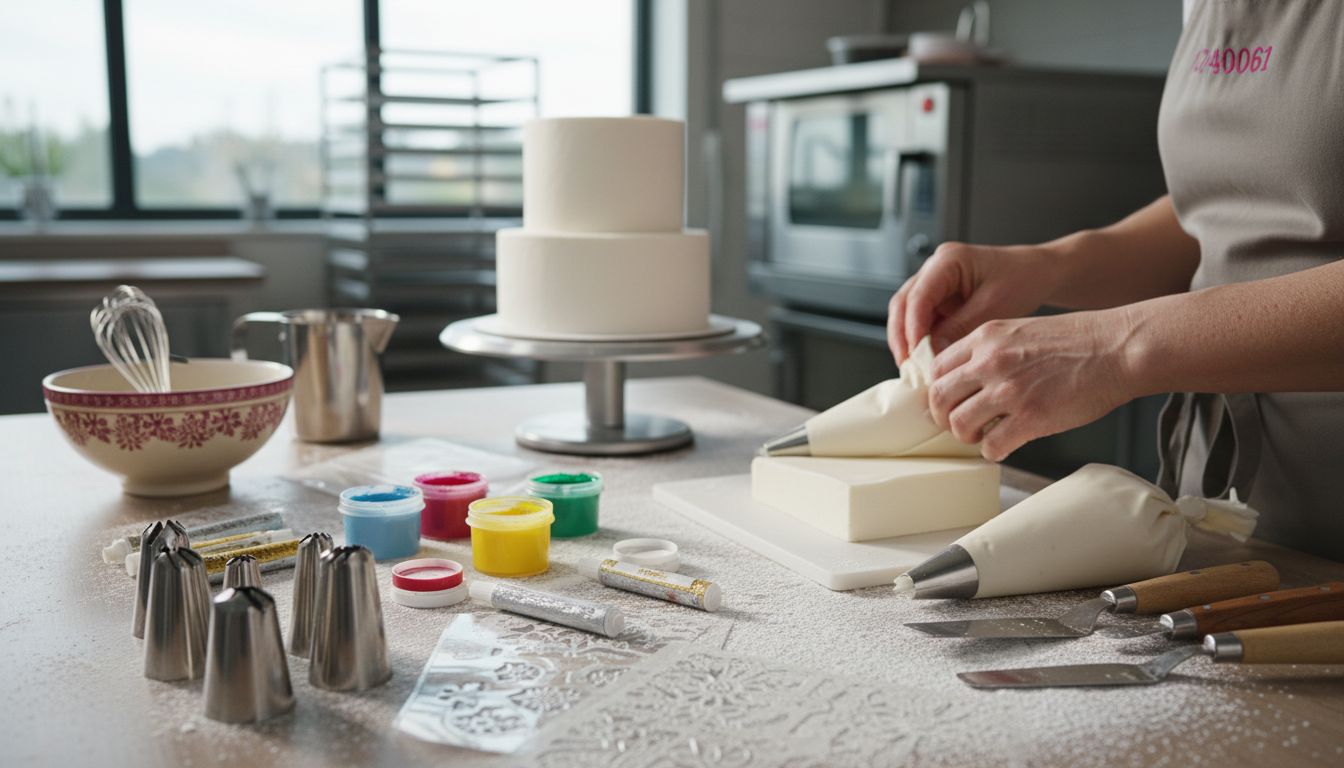
Cake decorating requires a carefully curated collection of specialised tools and high-quality ingredients that transform basic baking into an art form. As highlighted by John Academy, advanced cake decoration involves mastering an array of specialized tools and ingredients designed to create intricate and professional-quality decorations. The right equipment can make the difference between a simple cake and a stunning culinary masterpiece.
Essential tools for cake decorators typically include several key categories. Piping equipment is crucial, featuring various sized bags, tips, and couplers that allow precise design creation. Spatulas and offset spreaders help achieve smooth frosting finishes, while turntables provide professional rotating surfaces for even decorating. Precision tools like palette knives, cake levellers, and rulers enable meticulous detailing and symmetrical designs.
Ingredients play an equally important role in successful cake decoration. Professional decorators rely on high-quality fondant, royal icing, buttercream, and food colourings to bring their creative visions to life. Specialised ingredients like edible glitters, lustre dusts, and food-safe metallic sprays add sophisticated touches that elevate cake designs from ordinary to extraordinary. Understanding the properties and application techniques for these ingredients is key to achieving professional results.
Bulk Baking Supplies Benefits can provide additional insights for those looking to invest in professional-grade decorating supplies. Whether you’re a hobbyist or aspiring professional, investing in quality tools and understanding their proper use will significantly enhance your cake decorating skills and creative potential.
Key Skills and Step-By-Step Decorating Process
Mastering cake decoration requires a systematic approach and deliberate skill development. According to Stockton University, developing skills in buttercream application, fondant modeling, and piping techniques is fundamental for creating professional-quality cakes. These core competencies form the foundation of successful cake decorating, enabling bakers to transform simple cakes into extraordinary culinary artworks.
A typical cake decorating process involves several critical stages. Professionals begin by preparing the base cake, ensuring a level and smooth surface through careful levelling and crumb coating. Next comes frosting application, where decorators create a flawless, even layer using offset spatulas and bench scrapers. John Academy emphasises that advanced courses provide structured lessons on complex decorating processes, teaching techniques for achieving precise and artistic designs.
The actual decoration requires a methodical approach. Decorators typically start with base colour application, then progress to more intricate details. Piping techniques involve selecting appropriate tips and maintaining consistent pressure for uniform designs. Fondant work demands patience and precision, with decorators carefully rolling, smoothing, and shaping the material to create seamless, professional finishes. Colour management, including blending and shading, adds depth and visual interest to the final design.
Stencilling on Cakes can provide additional insights into advanced decorative techniques. Ultimately, successful cake decorating is a blend of technical skill, artistic vision, and continuous practice. Each cake presents an opportunity to refine techniques, experiment with new styles, and express creative potential through edible art.
Common Challenges and How to Avoid Them
Cake decorating presents numerous technical challenges that can frustrate even experienced bakers. According to Cookist, common obstacles include achieving smooth icing, preventing air bubbles, and mastering piping techniques. These technical hurdles require strategic preparation, patience, and a systematic approach to overcome successfully.
One of the most persistent challenges is managing frosting consistency and application. Temperature plays a crucial role in successful cake decorating. Buttercream that is too warm becomes runny and difficult to control, while overly cold frosting can create uneven surfaces and tear delicate cake layers. Professional decorators recommend allowing ingredients to reach room temperature and using a turntable for consistent, smooth application. Techniques like crumb coating help create a stable base layer that prevents loose cake particles from disrupting the final decoration.
Piping and fondant work demand precise technical skills that develop through consistent practice. Air bubbles can ruin smooth fondant finishes, so careful rolling and gentle smoothing techniques are essential. When piping, maintaining consistent pressure and selecting the correct tip size dramatically impacts design quality. Decorators must learn to control hand movements, adjust bag pressure, and practice uniform motion to create clean, professional-looking details. Experimental practice and understanding how different tools and techniques interact are key to developing muscle memory and technical proficiency.
How to Clean Up Your Buttercream Corners offers additional insights for bakers looking to refine their technique. Remember that every challenging decoration is an opportunity to learn, with each mistake providing valuable insights into improving your cake decorating skills.
Elevate Your Cake Decorating Journey with The Vanilla Valley
Mastering cake decorating involves overcoming common challenges like achieving smooth icing, precise piping techniques, and flawless fondant work. If you have ever struggled with frosting consistency or wanted to explore new decorating styles, you are not alone. The right tools and quality ingredients make all the difference when it comes to turning creative ideas into edible masterpieces.

Discover everything you need to bring your cake decorating visions to life at The Vanilla Valley. Whether you are perfecting buttercream finishes or diving into figure modelling, our extensive range of supplies — including premium fondant, food colours, and specialised decorating tools — supports both hobbyists and professional bakers. Start creating with confidence today by exploring helpful guides like Beginner Cake Decorating Tips for Stunning Results and take advantage of our exclusive offers and next day delivery. Visit our online shop now to access trusted products and expert support that transform challenges into beautiful cake artistry.
Frequently Asked Questions
What are the essential techniques for cake decorating?
Some essential techniques for cake decorating include buttercream application, fondant modeling, piping, and creating intricate decorative elements like sugar flowers and royal icing details.
What tools do I need for cake decorating?
Key tools for cake decorating include piping bags and tips, spatulas, cake turntables, palette knives, and cake levellers. These tools help achieve precision and professional-quality results in your decorating efforts.
How can I prevent common issues like air bubbles in fondant?
To prevent air bubbles in fondant, ensure you roll it out gently and smooth it carefully onto your cake. Additionally, starting with a well-crumb-coated cake can help create a stable surface, reducing the risk of bubbles forming beneath the fondant.
What types of icing can I use for decorating cakes?
For cake decorating, common types of icing include buttercream, royal icing, and fondant.
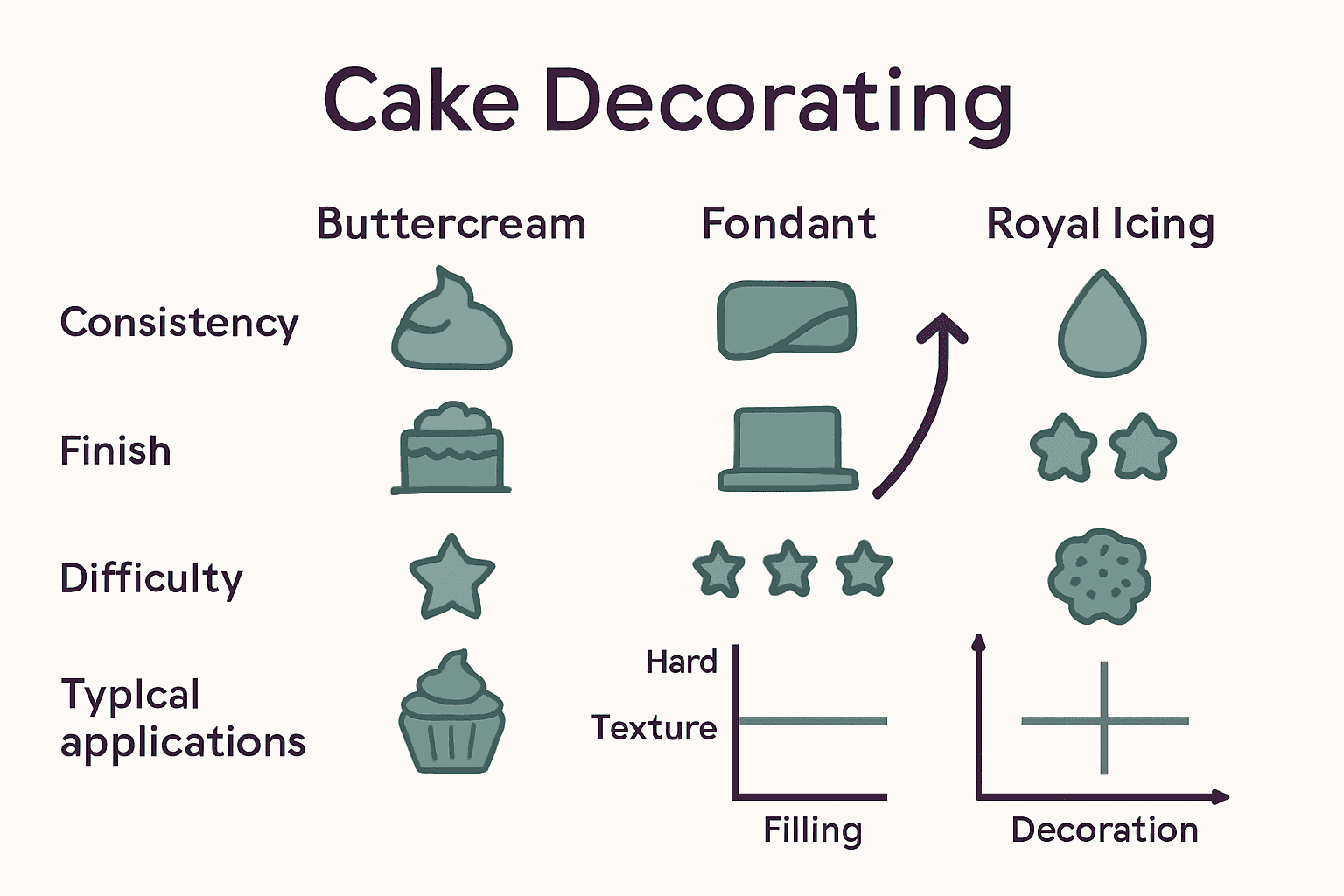 Each type has its own properties: buttercream is flexible and easy to work with, royal icing dries hard for detailed decorations, and fondant provides a smooth finish for sophisticated designs.
Recommended
- Beginner Cake Decorating Tips for Stunning Results - The Vanilla Valley
- Bake like a professional - The Vanilla Valley
- Sugar Cookies - The Vanilla Valley
- Buttercream Covered Cake - The Vanilla Valley
- What Is Balloon Art? Complete Guide for Parties – The Party Hut | Balloons, Fancy Dress & Party Supplies Cheltenham
- Complete Guide to the Role of DIY Party Decor – The Party Hut | Balloons, Fancy Dress & Party Supplies Cheltenham