6 Key Types of Food Colouring and When to Use Each
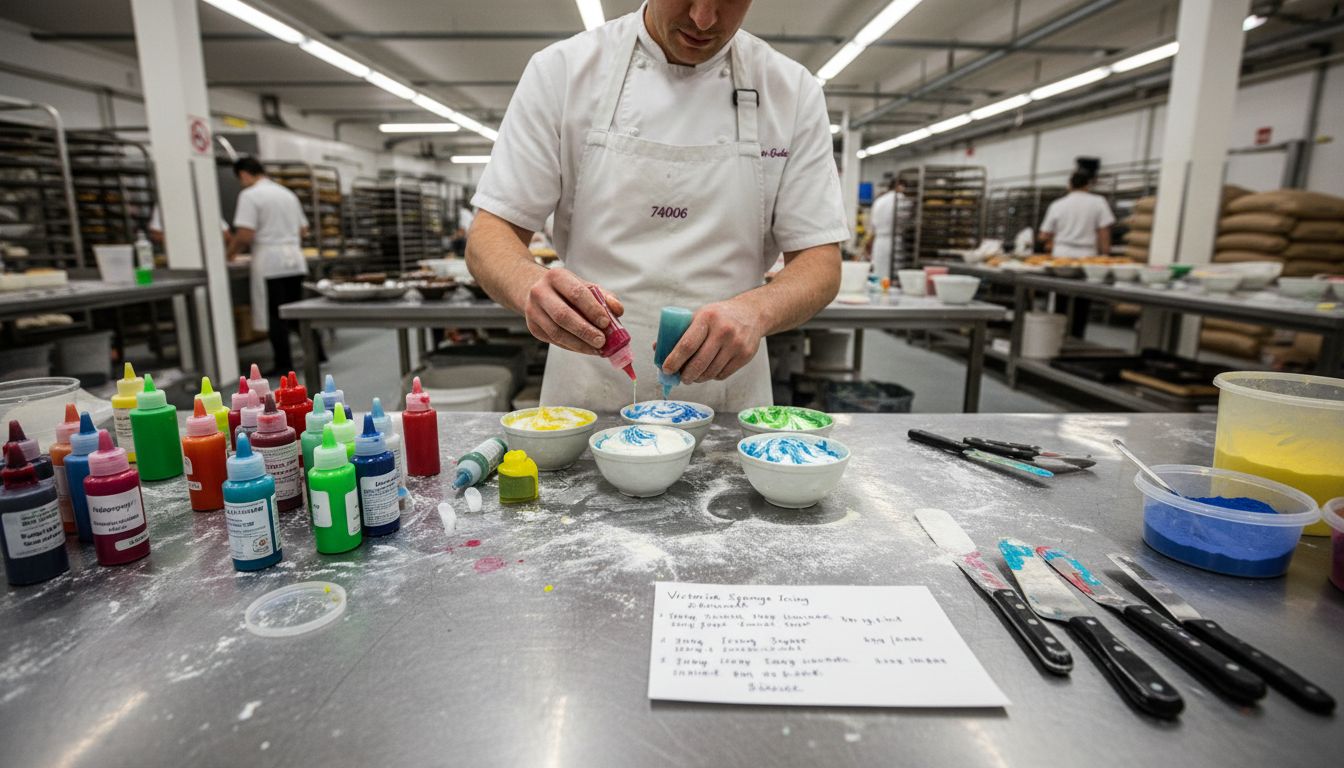
Every British baker knows the secret to showstopping cakes often lies in the perfect splash of colour. With so many food colouring options available, choosing the right type can be surprisingly complex. From delicate pastels for airy meringues to bold hues in chocolate, your choice directly impacts both appearance and texture. Discover how each colouring type brings its own magic, and why over 80 percent of British home bakers reach for more than just one food dye when aiming for flawless results.
Table of Contents
- 1. Liquid Food Colouring: Light Shades for Batters and Pastes
- 2. Gel Food Colouring: Bold Hues for Icing and Sugarcraft
- 3. Paste Food Colouring: Deep Tones for Fondant and Modelling
- 4. Powdered Food Colouring: Versatile Options for Macarons and Dusting
- 5. Oil-Based Food Colouring: Perfect for Chocolate and Ganache
- 6. Key Tips for Matching Food Colouring to Your Recipe
Quick Summary
| Key Insight | Explanation |
|---|---|
| 1. Use Liquid Colouring for Subtle Shades | Ideal for achieving soft pastel hues in batters without altering texture or consistency. |
| 2. Opt for Gel Colouring for Vibrant Hues | Offers intense colour saturation with minimal product, perfect for icing and sugarcraft decorations. |
| 3. Choose Paste Colouring for Deep Tones | Best for creating rich colours in fondant without affecting structural integrity of sugar work. |
| 4. Powdered Colouring Provides Versatility | Can be applied dry or mixed with alcohol, making it excellent for delicate pastry techniques and decorations. |
| 5. Match Colouring Type to Recipe | Selecting the right food colouring based on recipe moisture and ingredients prevents texture issues and ensures visual appeal. |
1. Liquid Food Colouring: Light Shades for Batters and Pastes
Liquid food colouring represents the most versatile and beginner-friendly option for home bakers seeking subtle, delicate colour transformations. These water-soluble dyes offer remarkable precision for achieving soft pastel hues without disrupting the delicate balance of your culinary creations.
Unlike more concentrated colouring methods, liquid food colourings dissolve seamlessly into batters and pastes, ensuring uniform colour distribution with minimal effort. Their lightweight composition makes them ideal for recipes where maintaining precise texture is paramount.
Key Benefits:
- Perfect for light, even colour distribution
- Works exceptionally well in liquid-based mixtures
- Minimal impact on recipe consistency
- Easy to control colour intensity
Professional bakers appreciate liquid food colourings for their predictability. When working with sponge cakes, meringues, or delicate custards, these colourings provide gentle pigmentation without compromising structural integrity. Start with just a few drops and gradually increase until you achieve your desired shade, remembering that colours can deepen slightly during baking.
For best results, add liquid food colourings directly to wet ingredients before combining with dry components. This ensures thorough and even integration throughout your mixture. Whether you’re creating a soft pink birthday cake or pastel macarons, liquid food colourings offer the precision and subtlety needed for stunning visual appeal.
2. Gel Food Colouring: Bold Hues for Icing and Sugarcraft
Gel food colourings represent the pinnacle of precision and intensity for bakers seeking vibrant, saturated colours in their culinary masterpieces. These concentrated pigments offer unparalleled colour depth without compromising the structural integrity of delicate recipes.
Unlike liquid alternatives, gel food colourings provide remarkable colour saturation using minimal product. Their thick consistency ensures exceptional control when creating bold royal icings, fondant decorations, or intricate sugarcraft designs.
Key Characteristics:
- Highly concentrated pigments
- Minimal liquid addition
- Perfect for professional decorating techniques
- Maintain recipe consistency
- Exceptional colour stability
Professional bakers appreciate gel colourings for their versatility across multiple mediums. When crafting wedding cakes or elaborate celebration centrepieces, these colourings allow precise colour matching without altering mixture volumes. A single drop can transform white buttercream into a vivid crimson or deep emerald masterpiece.
Applying gel colourings requires a nuanced approach. Start with a tiny amount on a toothpick or cocktail stick, gradually incorporating colour to achieve your desired shade. Remember that colours will often deepen slightly after resting, so patience is key when working towards that perfect hue. Whether you are creating delicate pastel macarons or dramatic fondant decorations, gel food colourings provide the ultimate creative control for discerning bakers.
3. Paste Food Colouring: Deep Tones for Fondant and Modelling
Paste food colourings represent the ultimate tool for bakers seeking intense, saturated colours with exceptional precision for fondant and intricate cake decorations. These ultra concentrated pigments offer unparalleled colour control with minimal volume disruption to your culinary creations.
Unlike liquid or gel alternatives, paste colourings feature an incredibly thick consistency that allows professional decorators to achieve rich, deep tones without compromising the structural integrity of delicate sugar work. Their remarkable pigment density means you need only a tiny amount to transform white fondant into vibrant, dramatic shades.
Key Advantages:
- Extreme colour concentration
- Minimal moisture addition
- Perfect for detailed modelling work
- Exceptional colour stability
- Ideal for complex sugar sculptures
Mastering paste food colourings requires a nuanced approach. Begin by wearing disposable gloves and using a toothpick to introduce colour gradually. Knead the pigment thoroughly into your fondant or modelling medium, ensuring uniform distribution. Professional cake artists recommend adding colour incrementally and allowing the mixture to rest between additions to achieve truly spectacular results.
Whether you are crafting intricate sugar flowers, creating realistic figurines, or designing elaborate wedding cake decorations, paste food colourings provide the ultimate creative toolkit. Their ability to produce deep, saturated colours with minimal product makes them an indispensable resource for serious bakers and sugar artists seeking professional quality results.
4. Powdered Food Colouring: Versatile Options for Macarons and Dusting
Powdered food colourings represent the most versatile and precise colouring method for bakers seeking delicate, nuanced pigmentation across multiple culinary techniques. These ultrafine pigments offer exceptional control when working with delicate sugar work and cake decorating techniques that demand minimal moisture intervention.
Unlike liquid or gel alternatives, powdered food colourings can be applied dry or mixed with alcohol, providing remarkable flexibility for professional and home bakers. Their lightweight composition makes them ideal for creating ethereal colour effects in meringues, macarons, and intricate sugar decorations without compromising texture or structural integrity.
Key Advantages:
- Zero moisture addition
- Perfect for dry and wet applications
- Exceptional colour precision
- Ideal for delicate pastry techniques
- Minimal risk of altering recipe consistency
Mastering powdered food colourings requires understanding their unique application methods. Professional bakers recommend using a fine brush or sifter for even distribution, whether dusting decorative elements or gently incorporating colour into dry mixtures. When creating macarons, a light touch with powdered colour can transform plain shells into stunning artistic canvases.
For the most professional results, experiment with mixing powdered colours with clear alcohol like vodka. This technique allows for painting intricate designs on fondant, creating watercolour effects on sugar flowers, or achieving subtle ombré gradients in delicate pastry work. Powdered food colourings truly represent the pinnacle of precision and creative potential for discerning bakers.
5. Oil-Based Food Colouring: Perfect for Chocolate and Ganache
Oil-based food colourings represent the pinnacle of precision for bakers working with fat-based culinary creations, offering unparalleled colour intensity without compromising the delicate structure of chocolate and ganache preparations.
Unlike water-soluble alternatives, these specialised pigments are specifically engineered to blend seamlessly with oil and fat-based mixtures. Their unique molecular composition ensures smooth integration without causing separation or affecting the lustrous texture of chocolate work, making them indispensable for professional pastry chefs and serious home bakers.
Key Characteristics:
- Specifically designed for fat-based mixtures
- Intense colour concentration
- No water content
- Preserves mixture integrity
- Ideal for chocolate and ganache work
- Prevents seizing or texture disruption
Mastering oil-based food colourings requires a nuanced approach. Professional chocolatiers recommend adding colour incrementally, using just a few drops to transform white chocolate ganache into vibrant masterpieces. The key is understanding that these pigments behave differently from traditional food colourings, requiring gentle incorporation and careful temperature management.
Whether you are creating intricate chocolate decorations, developing rich ganache fillings, or crafting stunning mirror glazes, oil-based food colourings provide the ultimate tool for precise, professional colour control. Their ability to maintain the structural elegance of delicate chocolate work sets them apart as a truly specialised colouring solution for discerning bakers.
6. Key Tips for Matching Food Colouring to Your Recipe
Choosing the right food colouring is an art form that requires understanding the intricate interactions between pigments and food matrices. Professional bakers know that colour selection goes far beyond aesthetic appeal, directly impacting the texture, stability, and overall quality of their culinary creations.
The golden rule of food colouring is simple: match your pigment to your recipe’s fundamental composition. Water-based colourings work brilliantly in batters and royal icings, while oil-based options are essential for chocolate and ganache work. This strategic approach prevents potential textural disasters and ensures stunning visual results.
Crucial Matching Guidelines:
- Consider recipe moisture content
- Match colouring type to base ingredients
- Start with minimal quantities
- Test colour before full integration
- Allow for subtle colour development
- Understand pigment concentration
Professional bakers recommend a methodical approach to colour integration. Always add pigments gradually, mixing thoroughly and allowing time for colour distribution. Remember that colours can deepen over time, so patience is key. A single drop of concentrated gel or paste can transform an entire batch, making precise application crucial.
Whether you are crafting delicate macarons, rich chocolate decorations, or vibrant birthday cakes, understanding the nuanced world of food colourings will elevate your baking from good to extraordinary. The right colour not only enhances visual appeal but can also contribute to the sensory experience of your culinary masterpiece.
Below is a comprehensive table summarising the various types of food colouring and their applications discussed throughout the article.
| Type of Colouring | Characteristics | Best For |
|---|---|---|
| Liquid | Water-soluble, perfect for subtle colours, minimal recipe impact | Batters and pastes |
| Gel | Highly concentrated, minimal liquid addition, stable | Icing and sugarcraft |
| Paste | Extremely concentrated, thick consistency, minimal moisture | Fondant modelling |
| Powdered | Versatile, zero moisture, precise | Macarons and dusting |
| Oil-Based | No water content, intense colour, preserves mixture integrity | Chocolate and ganache |
Master Food Colouring with Professional Tools from The Vanilla Valley
Choosing the right food colouring can be challenging but is essential for achieving the perfect look and texture in your baking creations. Whether you need delicate liquid shades for batters or intense paste pigments for fondant modelling, the key is matching colour type to your recipe’s needs. Mistakes here can impact your cake’s texture and appearance. That is why having access to the right quality colouring agents and decorating supplies is crucial if you want your cakes and confections to truly stand out.
Unlock your full creative potential with The Vanilla Valley. Here you will find a comprehensive range of specialist food colours, from liquid and gel to paste and powdered options, designed for every baking application. Benefit from our trusted history since 2009, free and next day delivery services, and expert advice for amateur and professional bakers alike. Explore how to pair your colours perfectly by visiting our main site and elevate your cake decorating skills today at https://thevanillavalley.co.uk. Start creating visually stunning bakes that maintain flawless texture and wow your audience every time.
Frequently Asked Questions
What is the best type of food colouring to use for light pastel shades?
Liquid food colouring is ideal for achieving light pastel shades in batters and pastes. To use it effectively, start with a few drops added to wet ingredients before mixing with dry components for even colour distribution.
How do I achieve vibrant colours for icing and decorations?
Gel food colouring is the best choice for vibrant colours in royal icing and fondant decorations. Use a toothpick to add small amounts and mix thoroughly, gradually increasing until you reach the desired hue.
When should I use paste food colouring instead of other types?
Use paste food colouring when you need deep, saturated colours for fondant and intricate decorations. Start by adding a tiny amount with a toothpick, knead it into your fondant, and allow it to rest to see the final shade develop.
How can I effectively use powdered food colouring in my baking?
Powdered food colouring is versatile and can be applied dry or mixed with alcohol. For best results, use a fine brush for dusting or mix it into dry ingredients, ensuring minimal moisture is introduced to the mixture.
What type of food colouring should I use for chocolate and ganache?
Oil-based food colouring is specifically designed for fat-based mixtures such as chocolate and ganache. Incorporate just a few drops gradually, mixing gently to achieve vibrant colour without altering the texture.
How do I match food colouring to my recipe effectively?
To match food colouring to your recipe, consider the moisture content and choose a type that complements your base ingredients. Begin with minimal quantities and allow the colour to deepen as it integrates; this method will help maintain recipe consistency.