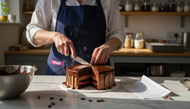
Best Ganache Chocolate: How Goldings Transforms Cakes
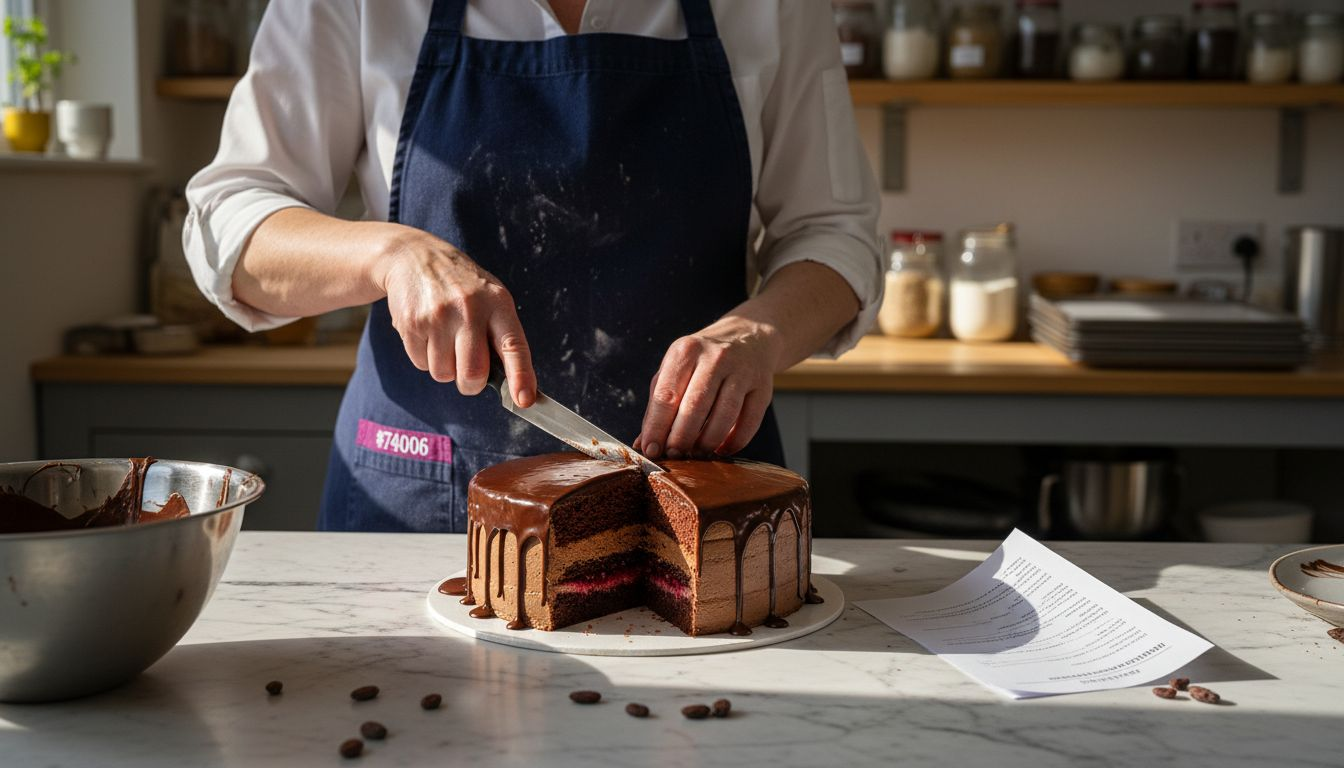
Finding the right ganache chocolate can feel confusing for amateur bakers trying to perfect cake designs in South Wales. Chocolate myths around health, texture, and taste often leave people unsure of what makes a ganache shine. By understanding the balance of cream and chocolate, and focusing on top-quality brands like Goldings, you will discover how to create decorations that both look stunning and taste exceptional. Let’s highlight the key secrets behind luxurious ganache that every baker should know.
Table of Contents
- Ganache Chocolate Defined And Common Myths
- Types Of Chocolate For Ganache Explained
- How Ratios Impact Ganache Texture And Taste
- Goldings Chocolate: Belgian Quality For Ganache
- Common Mistakes And How To Avoid Them
Key Takeaways
| Point | Details |
|---|---|
| Understanding Ganache | Ganache is a balanced blend of chocolate and cream, not just melted chocolate, with its quality significantly impacting texture and flavour. |
| Chocolate Selection | Dark chocolate is the preferred choice for ganache due to its high cocoa content, which provides a rich flavour profile. |
| Ingredient Ratios | Ratios of chocolate to cream, typically between 1:1 and 2:1, crucially affect the ganache’s texture and firmness. |
| Common Mistakes | Key errors include overheating chocolate and using cold cream; these should be avoided for a smooth emulsification. |
Ganache Chocolate Defined and Common Myths
Ganache is a luxurious chocolate mixture that forms the heart of many delectable cake decorations and fillings. This rich emulsion combines chocolate and cream, creating a smooth substance that transforms ordinary baking into extraordinary culinary experiences. The quality of chocolate, particularly from brands like Goldings, significantly impacts the final texture and flavour.
Contrary to popular belief, ganache is not simply melted chocolate, but a carefully balanced blend that requires precision. Chocolate health myths persist about its nutritional properties, with many consumers misunderstanding its composition. While dark chocolate contains beneficial flavanols, the processing method dramatically affects its potential health characteristics. Flavanol content varies significantly between different chocolate types, which impacts both taste and potential nutritional benefits.
Understanding ganache requires dispelling several common misconceptions. Many amateur bakers believe ganache must always be dark and rich, but it can actually range from light and milky to intensely bittersweet. The chocolate’s cocoa percentage, cream ratio, and preparation technique all contribute to its final character. Professional bakers know that temperature control and chocolate quality are paramount in creating the perfect ganache.
Pro tip: When preparing ganache, always use room temperature cream and chop your chocolate into small, uniform pieces to ensure smooth, even melting.
Types of Chocolate for Ganache Explained
Chocolate selection is crucial when creating the perfect ganache, with each variety offering unique characteristics that dramatically influence the final result. Chocolate varieties differ significantly in their cocoa solid content, which directly impacts flavour, texture, and overall quality of the ganache.
Dark chocolate remains the professional baker’s preferred choice for ganache, typically containing 55-70% cocoa solids. These higher cocoa percentages provide a rich, intense flavour profile that holds up beautifully in cake decorations. Milk chocolate offers a sweeter, more mellow alternative, with lower cocoa content and higher sugar levels that create a smoother, creamier ganache ideal for lighter desserts. White chocolate, while technically not true chocolate due to its lack of cocoa solids, can create a delicate, vanilla-infused ganache perfect for more subtle cake designs.
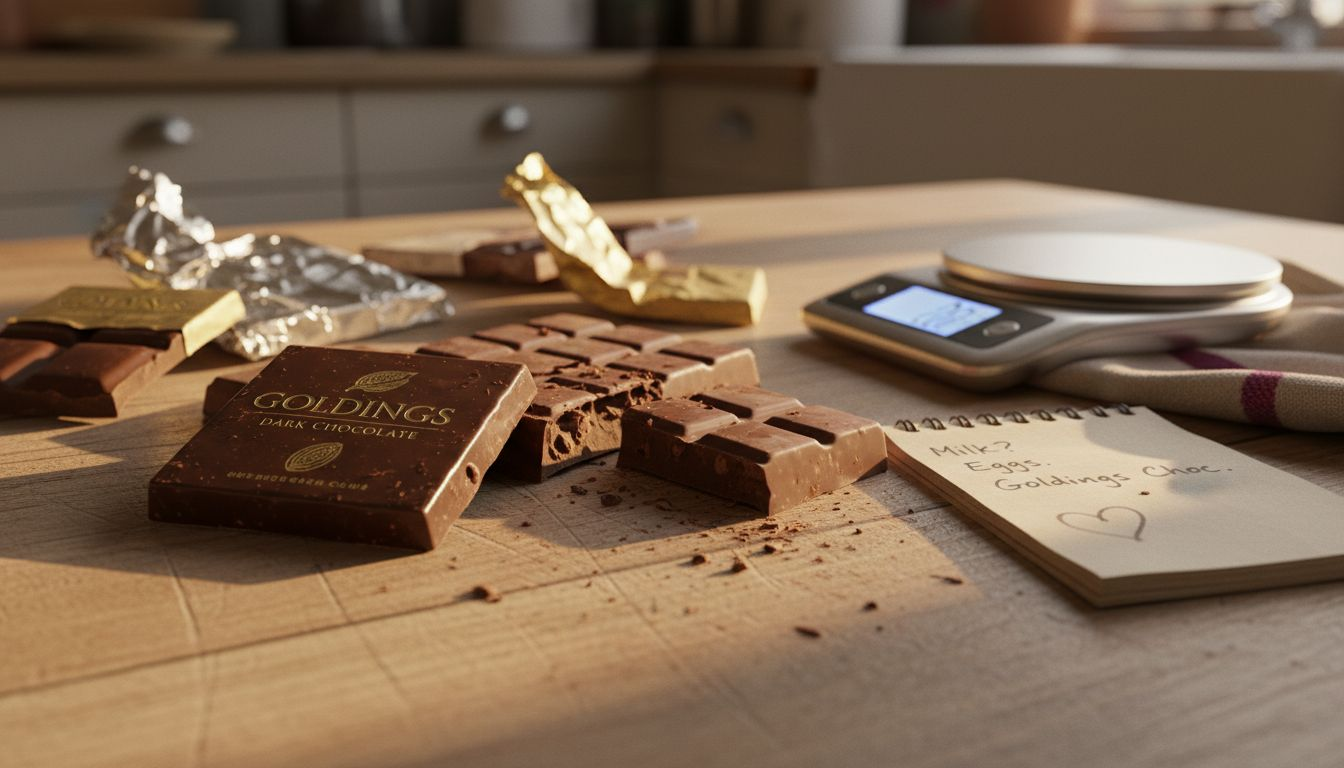
Chocolate production methods play a critical role in determining ganache quality. Artisan brands like Goldings understand that bean origin, roasting technique, and processing significantly influence the chocolate’s final character. Professional bakers often select single-origin chocolates that offer more complex flavour notes, allowing them to create ganaches with remarkable depth and nuance.
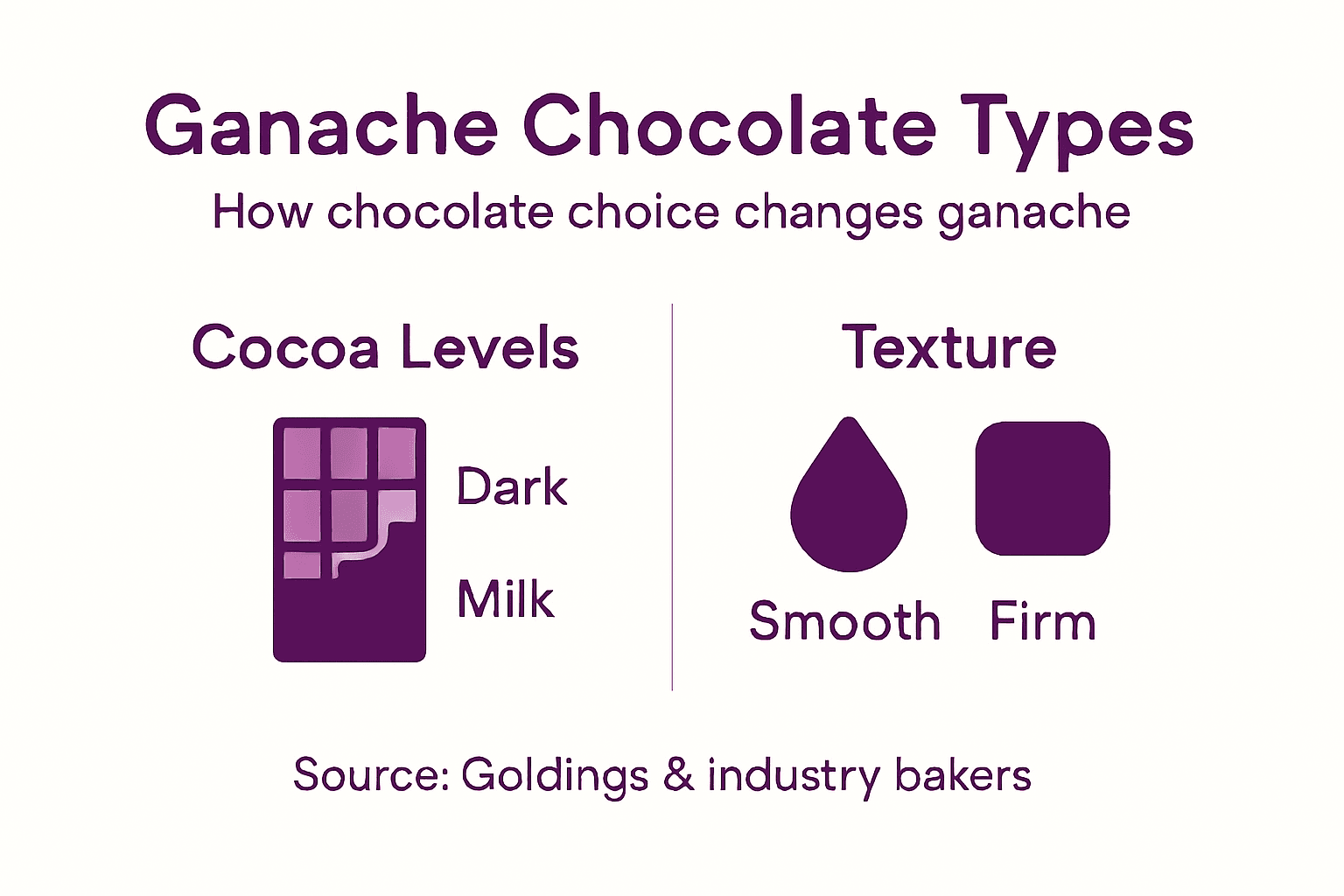
Here’s a quick comparison of chocolate types used for ganache and their typical baking impact:
| Chocolate Type | Cocoa Content Range | Typical Ganache Texture | Ideal Usage |
|---|---|---|---|
| Dark Chocolate | 55-70% | Rich and firm | Structured decorations, truffles |
| Milk Chocolate | 30-40% | Smooth and creamy | Fillings, lighter cake coatings |
| White Chocolate | 0% (no cocoa solids) | Delicate and soft | Subtle designs, vanilla-infused |
Pro tip: Always taste your chocolate before using it in ganache, as each variety will contribute its own unique flavour profile to your final cake creation.
How Ratios Impact Ganache Texture and Taste
Ganache is a delicate culinary creation where precise ingredient proportions transform chocolate and cream into a magical confectionery marvel. Understanding ingredient ratios is fundamental to achieving the perfect ganache consistency, with even slight variations dramatically altering the final texture and flavour profile.
The classic ganache ratio typically ranges from 1:1 to 2:1 of chocolate to cream, each proportion creating distinctly different results. A 1:1 ratio produces a soft, spreadable ganache ideal for cake fillings and smooth frosting, while a 2:1 ratio yields a firmer, more structured ganache perfect for creating intricate cake decorations and chocolate truffles. Professional bakers like those at Goldings understand that temperature and chocolate quality also play crucial roles in achieving the desired consistency.
Oral health guidelines highlight how ingredient composition affects perceived texture, a principle that rings true in ganache preparation. Darker chocolates with higher cocoa percentages create more robust, intense ganaches, whereas milk and white chocolates produce lighter, creamier textures. Experienced cake decorators experiment with these ratios, understanding that each adjustment brings a unique sensory experience to their culinary creations.
Pro tip: Always use a kitchen scale for precise measurements when preparing ganache, as volume can be misleading when working with chocolate and cream.
Goldings Chocolate: Belgian Quality for Ganache
Belgian chocolate represents the pinnacle of confectionery craftsmanship, and Goldings exemplifies this tradition with exceptional ganache-making potential. Premium Belgian chocolate techniques focus on creating smooth, rich chocolate with extraordinary depth of flavour, making it the preferred choice for professional cake decorators across the United Kingdom.
The distinctive characteristics of Goldings chocolate stem from meticulous bean selection and traditional Belgian processing methods. Unlike mass-produced alternatives, this brand emphasises careful roasting techniques that preserve the nuanced flavour profiles of cocoa beans. These subtle differences translate directly into ganache quality, with each batch offering consistent smoothness and a balanced taste that elevates cake decorations from ordinary to extraordinary.
Goldings brand chocolates capture the essence of Belgian chocolate-making traditions, prioritising cocoa content and texture. Professional bakers appreciate how these chocolates melt uniformly, creating ganache with an impeccably smooth consistency. The chocolate’s high-quality cocoa solids ensure robust flavour without overwhelming bitterness, making it ideal for delicate cake designs that require precision and elegance.
Pro tip: When working with premium Belgian chocolate like Goldings, always allow it to reach room temperature before melting to ensure the most consistent ganache texture.
Common Mistakes and How to Avoid Them
Ganache preparation demands precision, and even experienced bakers can fall prey to common errors that compromise the final product’s quality. Chocolate processing mistakes can transform a potentially sublime ganache into a grainy, unappetising mixture. The most critical errors typically involve temperature control, ingredient ratios, and mixing techniques.
Temperature represents the most frequent culprit in ganache failures. Overheating chocolate destroys its delicate molecular structure, leading to separation and an unpleasant, grainy texture. Professional bakers recommend using a double boiler or creating a bain marie to gently melt chocolate, ensuring temperatures never exceed 45 degrees Celsius. Similarly, cream temperature matters immensely – adding cold cream to melted chocolate can cause immediate seizing and ruin the entire batch.
Chocolate consumption insights reveal that understanding ingredient behaviour is crucial. Common mistakes include using low-quality chocolate, rushing the mixing process, and failing to create a smooth emulsion. Bakers should incorporate cream slowly, stirring consistently from the centre outwards, allowing the ganache to form a perfect, glossy mixture. Using high-quality Belgian chocolate like Goldings can mitigate many potential errors, as premium chocolate provides more consistent melting characteristics.
Common ganache preparation mistakes and their recommended solutions:
| Mistake | Impact on Ganache | Prevention Tip |
|---|---|---|
| Overheating chocolate | Grainy, separated texture | Melt gently, never above 45°C |
| Adding cold cream | Chocolate may seize | Use room-temperature cream |
| Using low-quality chocolate | Uneven melting, poor taste | Choose premium brands |
Pro tip: Always strain your ganache through a fine mesh sieve to remove any potential lumps and ensure an absolutely smooth final texture.
Elevate Your Ganache Creations with Premium Baking Supplies from The Vanilla Valley
Mastering ganache, especially using exquisite chocolates like Goldings, requires not only skill but also the right tools and ingredients. This article highlights key challenges such as precise temperature control and ingredient ratios that impact ganache texture and flavour. If you want to avoid common pitfalls like grainy texture or uneven melting and create that perfect smooth and glossy ganache every time, you need trusted supplies designed specifically for professional and amateur bakers alike.
Discover everything you need to complement your Goldings chocolate ganache at The Vanilla Valley. From accurate kitchen scales to quality cake boards, decorating tools, and a wide range of cake decoration supplies, you can craft stunning desserts with confidence. Explore our collection and benefit from free and next day delivery options. With over a decade of experience serving passionate bakers, we provide not only premium products but also expert service tailored to help you achieve flawless ganache and elevate your cake decorating skills. Start shopping today to transform your cake creations and enjoy professional results every time.
Frequently Asked Questions
What is ganache and how is it made?
Ganache is a rich chocolate mixture created by combining chocolate and cream. The typical preparation involves heating cream to a gentle simmer and pouring it over chopped chocolate, ensuring a smooth emulsion. The proportions of cream to chocolate can vary for different textures and uses.
How does the choice of chocolate affect ganache?
The type of chocolate you choose significantly impacts ganache’s flavour and texture. Dark chocolate provides a rich and intense flavour, while milk chocolate yields a sweeter, creamier ganache. Even white chocolate can be used for a delicate, vanilla-infused outcome, although it has no cocoa solids.
What ratio of chocolate to cream is best for different types of ganache?
A common ganache ratio ranges from 1:1 to 2:1 chocolate to cream. A 1:1 ratio creates a soft, spreadable ganache perfect for fillings and frostings, while a 2:1 ratio yields a firmer ganache suitable for cake decorations and truffles.
Why is Goldings chocolate recommended for ganache?
Goldings chocolate is highly regarded for its superior quality derived from meticulous bean selection and traditional Belgian processing methods. This ensures a smooth texture and rich flavour profile, making it the preferred choice for professional bakers crafting ganache.
Recommended
- How to Flavour Ganache Naturally With Goldings Chocolate - The Vanilla Valley
- Types of Ganache: Choosing the Right Chocolate - The Vanilla Valley
- How to Make Tempered Chocolate with Goldings Chocolate - The Vanilla Valley
- What Is Ganache? Complete Cake Decorating Guide - The Vanilla Valley
- The Perfect Blend: Chocolate Brown Wig with Caramel Highlights (100% Human Hair) – Gaurash Beauty Supply