
Creative mini egg cake ideas to elevate Easter baking
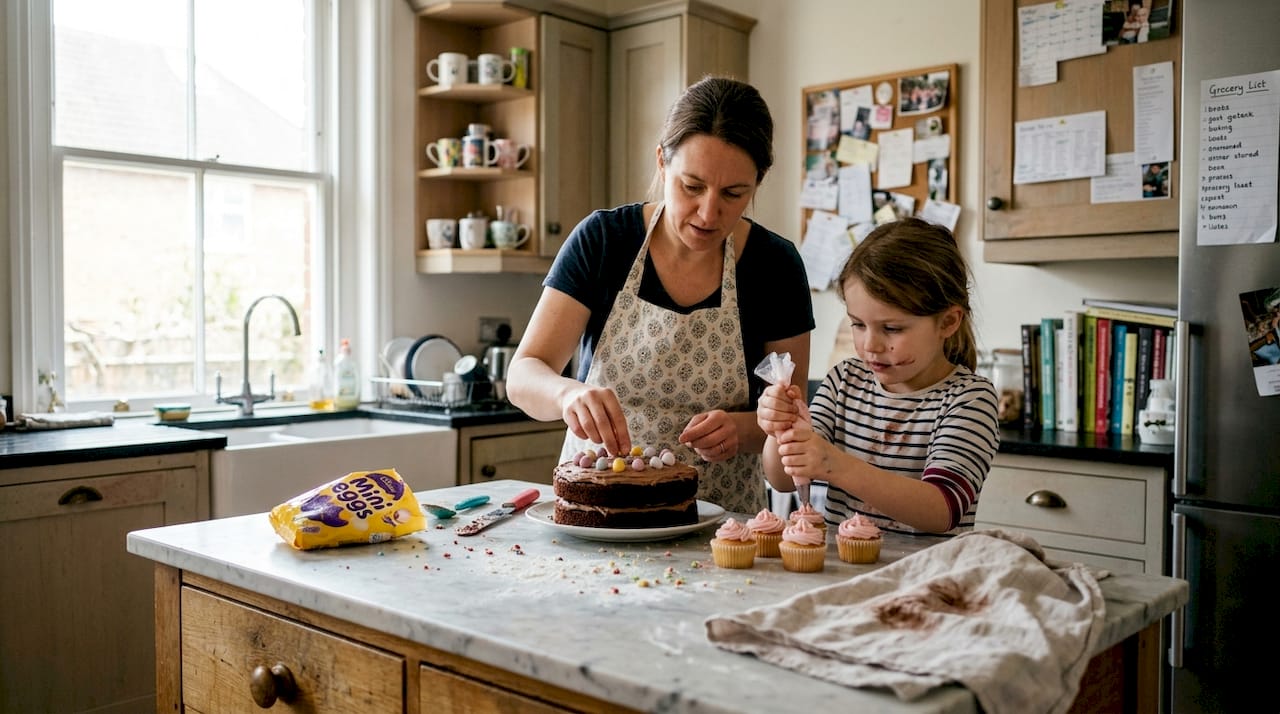
Easter baking offers the perfect opportunity to showcase vibrant mini egg decorations across multiple cake styles. Whether you’re an amateur baker exploring festive treats or a professional seeking fresh decoration inspiration, choosing the right mini egg cake design requires balancing batter composition, decoration potential, and practical baking considerations. This guide explores five distinct cake types, from classic traybakes to sculpted mini creations, each offering unique ways to incorporate those beloved chocolate eggs. You’ll discover techniques for preventing colour bleed, achieving pastel buttercream effects, and creating show stopping Easter centrepieces that delight both eye and palate.
Table of Contents
- Key takeaways
- Criteria for a perfect mini egg Easter cake
- Traybake and loaf cake mini egg ideas
- Bundt cakes and Swiss rolls with mini egg twists
- Mini Easter sculpted cakes and decorating techniques
- Comparing mini egg cake options for Easter baking
- Find your perfect cake decorating supplies at The Vanilla Valley
- Frequently asked questions
Key Takeaways
| Point | Details |
|---|---|
| Colour bleed prevention | Prevent colour bleed by adding whole or chopped mini eggs during the final mixing stage and folding gently to keep their coating intact. |
| Crushed eggs in batter | Finely crush mini eggs and mix them into the batter to prevent sinking and distribute chocolate flavour evenly. |
| Temperature guidelines | Adhere to cake type specific temperatures and times such as 180C for traybakes 30 to 35 minutes 160C for loaves around 45 minutes and up to 60 minutes for bundt cakes. |
| Decoration techniques | Experiment with pastel buttercream swirls and piping and subtle speckling to evoke mini egg colours and textures. |
Criteria for a perfect mini egg Easter cake
Selecting the ideal mini egg cake starts with understanding how different recipes handle these colourful additions. Finely crushed mini eggs in batter prevent sinking whilst distributing chocolate flavour evenly throughout your sponge. Room temperature ingredients create optimal texture, allowing butter and eggs to emulsify properly for a tender crumb that supports decoration weight without collapsing.
Baking parameters vary significantly across cake types. Traybakes typically require 180C for 30 to 35 minutes, whilst loaf cakes need lower temperatures around 160C fan for 45 minutes to prevent over browning on smaller surface areas. Bundt cakes demand even longer, up to 60 minutes, due to their dense batter and intricate moulds.
Decoration potential depends heavily on surface characteristics. Consider these factors when choosing your style:
- Smooth flat surfaces like traybakes suit buttercream piping and swirl patterns
- Carved sculpted shapes require firmer sponges that hold structure during shaping
- Bundt cakes offer natural ridges that complement drizzled glazes
- Swiss rolls need flexible sponges that roll without cracking
Timing your mini egg addition prevents the dreaded colour bleed. Add whole or chopped eggs during the final mixing stage, folding gently to maintain their coating integrity. Test doneness with a skewer inserted into the centre, it should emerge with just a few moist crumbs, not wet batter. Overbaking creates dry sponges that crack under buttercream application.
Traybake and loaf cake mini egg ideas
Traybake cakes represent the most accessible entry point for mini egg baking. These recipes integrate crushed mini eggs into vanilla or chocolate sponge baked in 20x30cm tins at 180C for 30 to 35 minutes. The large surface area provides an ideal canvas for pastel buttercream swirls topped with whole mini eggs, creating instant Easter appeal with minimal effort.
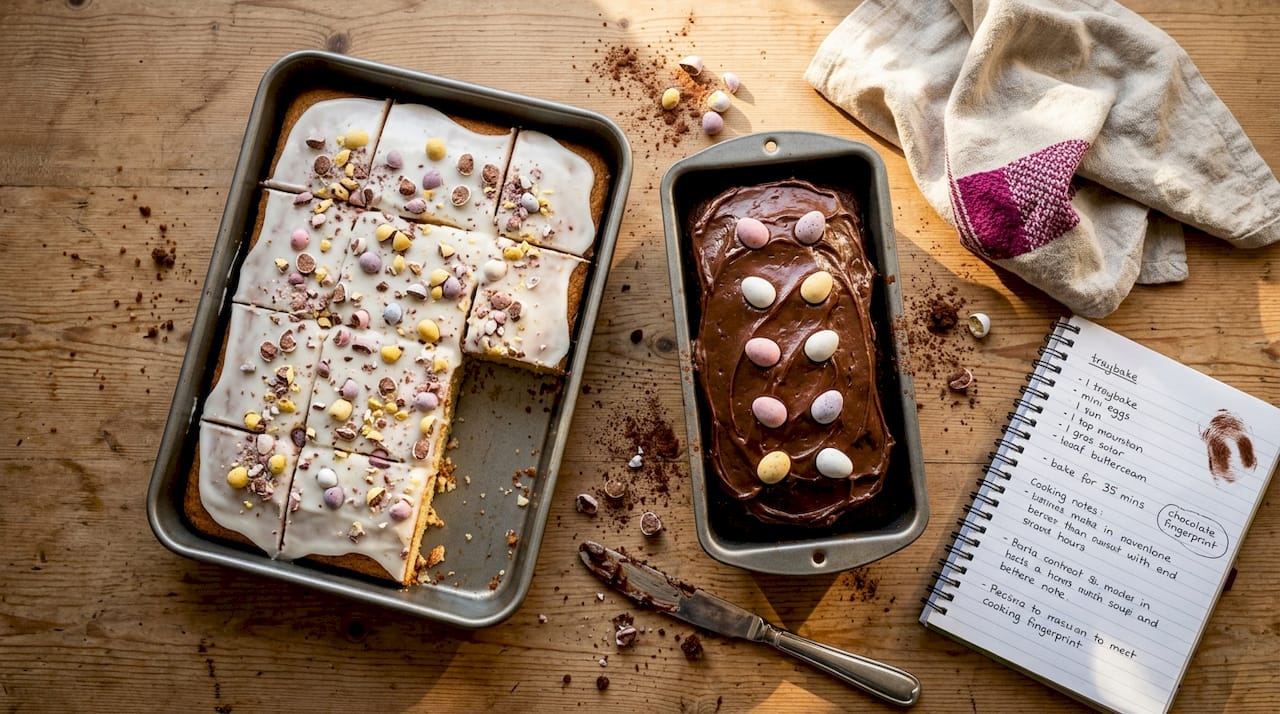
Loaf cakes offer a more refined presentation. Chocolate sponge baked at 160C fan for 45 minutes develops deep cocoa flavour that complements mini egg sweetness beautifully. Decoration mimics authentic mini egg colours through pink, yellow, and purple swirled white chocolate buttercream piped in generous rosettes along the loaf’s length. This vertical presentation suits afternoon tea settings where slices showcase internal texture.
| Feature | Traybake | Loaf cake |
|---|---|---|
| Prep time | 15 minutes | 20 minutes |
| Cook time | 30-35 minutes | 45 minutes |
| Servings | 12-15 squares | 8-10 slices |
| Decoration difficulty | Easy | Moderate |
| Calories per serving | 285 | 320 |
Both styles benefit from strategic mini egg placement. Whole eggs pressed gently into buttercream before it sets create dimension, whilst crushed pieces sprinkled over wet icing provide textural contrast. For creative Easter cake decorating ideas that extend beyond basic placement, consider colour blocking with different buttercream shades or creating ombre effects that transition from pale pastels to deeper tones.
Pro tip: Add mini eggs to your batter during the final 10 seconds of mixing to prevent colour bleeding into the sponge whilst ensuring even distribution throughout.
The traybake’s generous yield makes it ideal for family gatherings, whilst loaf cakes suit gifting or smaller celebrations. Both freeze exceptionally well unfrosted, allowing you to bake ahead and decorate fresh on the day.
Bundt cakes and Swiss rolls with mini egg twists
Bundt cakes elevate mini egg baking through architectural drama. Lemon buttermilk batter containing chopped mini eggs bakes for 60 minutes, developing a tender crumb with citrus brightness that cuts through chocolate sweetness. Glazing with lemon icing creates flavour contrast whilst the glaze settles into decorative ridges, highlighting the bundt’s sculptural qualities. Whole mini eggs arranged around the base or clustered at the crown add festive colour without overwhelming the cake’s elegant silhouette.
Swiss rolls demand different techniques entirely. Rolling hot sponge immediately after baking prevents the cracking that plagues cooled cakes, creating that signature spiral without structural failure. Fill with whipped cream lightened with crushed mini eggs for subtle crunch and chocolate flavour throughout each slice. Chocolate drizzle decoration mimics mini egg shells, tying the exterior presentation to the interior filling.
Key considerations for these advanced styles include:
- Bundt pans require thorough greasing with butter and flour to prevent sticking
- Swiss roll tins need parchment paper extending beyond edges for easy lifting
- Rolling whilst warm requires confidence but prevents most cracking issues
- Filling quantities must balance flavour without making rolls too thick to slice
Pro tip: Chill crumb coated mini cakes for 15 to 20 minutes before final decoration to set the shape and prevent buttercream from sliding during detailed piping work.
These styles suit simple Easter cake designs that rely on form rather than excessive decoration. The bundt’s natural beauty needs minimal embellishment, whilst Swiss rolls create visual impact through their spiral cross section. Both offer texture variety, the bundt’s dense crumb contrasts with the Swiss roll’s delicate sponge and cream filling.
Temperature control proves critical. Bundt cakes baked too hot develop crusty exteriors before centres cook through. Swiss roll sponges overbaked even slightly become brittle and crack regardless of rolling technique. Invest in an oven thermometer to verify accuracy, many home ovens run 10 to 15 degrees hotter than displayed settings.
Mini Easter sculpted cakes and decorating techniques
Sculpted mini cakes unlock maximum creative potential for Easter celebrations. Stack three cupcakes, apply crumb coating, then carve into Easter shapes like eggs, chicks, or bunnies for personalised mini creations. This technique transforms standard cupcakes into themed centrepieces suitable for individual place settings or children’s party favours. Each mini cake becomes a canvas for detailed decoration that larger cakes cannot accommodate.
Structural integrity requires proper preparation. Apply buttercream dams around cupcake edges if using runny fillings to prevent leaks during stacking. Chill after crumb coating for 15 to 20 minutes, firming the shape before final decoration begins. This prevents carved edges from crumbling under piping pressure or spatula work.
Decorating techniques specific to mini egg themes include:
- Piping pastel dots in pink, yellow, and purple to replicate authentic mini egg patterns
- Texturing fur with small spatula arcs for bunny paws or chick feathers
- Creating robin’s egg effects by smoothing buttercream, speckling with tools, then piping chocolate swirls for nest illusions
- Using grass tips to pipe green buttercream bases resembling Easter grass
Follow this step by step process for professional results:
- Level cupcakes to create flat stacking surfaces
- Secure first layer to cake board with buttercream dot
- Apply thin filling layer, staying within buttercream dam boundaries
- Stack second and third cupcakes, offsetting slightly for carving flexibility
- Carve basic shape using serrated knife in gentle sawing motions
- Apply crumb coat, sealing all carved surfaces
- Chill 15 minutes until firm to touch
- Apply final buttercream layer, smoothing or texturing as design requires
- Add piped details, edible decorations, or mini egg embellishments
- Refrigerate finished cakes until 30 minutes before serving
Pro tip: Use pastel coloured buttercream piped in dots and swirls to replicate mini egg colours authentically, matching the exact pink, yellow, purple, and blue shades found on commercial mini eggs.
Advanced techniques like buttercream hearts piping adapt beautifully to mini egg themes. Pipe hearts in pastel shades around cake bases or create heart clusters mimicking egg groupings. Colouring buttercream without ruining texture becomes essential when achieving those signature pastel tones, gel colours work best for maintaining proper consistency.
Mini sculpted cakes allow individual customisation impossible with larger formats. Create different characters for each guest or theme variations within a single batch. Chicks, bunnies, lambs, and decorated eggs all use identical base construction, only final decoration differs.
Comparing mini egg cake options for Easter baking
Choosing between mini egg cake styles depends on your specific needs, skill level, and occasion requirements. Each option offers distinct advantages suited to different baking scenarios and decoration preferences.
| Cake type | Prep time | Cook time | Servings | Decoration difficulty | Flavour profile | Best for |
|---|---|---|---|---|---|---|
| Traybake | 15 min | 30-35 min | 12-15 | Easy | Vanilla or chocolate with mini egg pieces | Large gatherings, casual celebrations |
| Loaf | 20 min | 45 min | 8-10 | Moderate | Rich chocolate with pastel buttercream | Gifting, afternoon tea, smaller groups |
| Bundt | 25 min | 60 min | 10-12 | Moderate | Lemon buttermilk with chocolate eggs | Elegant presentations, dinner parties |
| Swiss roll | 30 min | 12-15 min | 8-10 | Advanced | Light sponge with cream and crushed eggs | Tea parties, impressive presentations |
| Mini sculpted | 40 min | 18-20 min | 3-6 | Advanced | Customisable with detailed decoration | Individual servings, children’s parties |
Key advantages and limitations for each style:
- Traybakes excel at feeding crowds efficiently with minimal decoration skill required but lack visual sophistication
- Loaf cakes balance ease and elegance, suitable for gifting but limited in creative decoration scope
- Bundt cakes provide architectural beauty and unique citrus chocolate contrast but demand longer baking and careful unmoulding
- Swiss rolls impress through delicate presentation and cream filling experience but require confident rolling technique
- Mini sculpted cakes maximise decoration creativity and personalisation but need carving skills and extended prep time
For Easter cake decorating ideas that suit your timeline, consider prep windows carefully. Traybakes and loaf cakes forgive timing variations, whilst Swiss rolls and sculpted minis demand immediate attention at critical stages. Bundt cakes offer middle ground, baking slowly but requiring minimal hands on time during the process.
Skill progression naturally flows from traybakes through loaf and bundt cakes towards Swiss rolls and sculpted designs. Master basic techniques before attempting advanced styles to avoid frustration and wasted ingredients.
Find your perfect cake decorating supplies at The Vanilla Valley
Bringing these mini egg cake ideas to life requires quality tools and materials that deliver professional results. The Vanilla Valley stocks everything you need, from pastel gel colours for achieving authentic mini egg buttercream shades to piping bags, tips, and spatulas for detailed decoration work. Whether you’re creating simple traybakes or intricate sculpted designs, having the right supplies makes the difference between adequate and exceptional outcomes.
Our independently owned shop has supported Cardiff bakers since 2009, offering expert advice alongside quality products. Browse cake decorating supplies in Cardiff for everything from cake boards and boxes to fondant, sprinkles, and specialist tools. Stock up conveniently with next day delivery options or visit our North Cardiff storefront for personalised recommendations. Explore our blog for additional Easter inspiration and techniques that elevate your seasonal baking projects.
Frequently asked questions
How do I prevent mini eggs from sinking in cake batter?
Crush mini eggs finely and fold them into batter during the final 10 seconds of mixing to prevent sinking and colour bleeding. Ensure all ingredients reach room temperature before combining, as cold butter or eggs create dense batter that cannot suspend chocolate pieces effectively.
What are effective ways to mimic mini egg colours in cake decoration?
Pipe pastel buttercream in pink, yellow, purple, and blue swirls or dots matching authentic mini egg tones for immediate recognition. Apply speckling tools with diluted food colour or cocoa powder for robin’s egg effects, then add chocolate swirls mimicking nest textures. Smooth buttercream bases allow better colour saturation and piping techniques to shine.
Can I make mini egg cakes suitable for dietary restrictions?
Substitute regular flour with gluten free blends formulated for cakes, typically containing xanthan gum for structure. Use egg replacers like flax eggs or commercial substitutes, and dairy free buttercream alternatives made with plant based butter and milk. Adjust baking time by checking doneness 5 minutes earlier than standard recipes, as gluten free batters often cook faster.
How long do decorated mini egg cakes stay fresh?
Unfrosted cakes wrapped tightly keep 3 days at room temperature or freeze for 3 months. Buttercream decorated cakes refrigerate for 5 days, though bring to room temperature 30 minutes before serving for best texture. Mini eggs may weep colour in humid conditions, so add whole egg decorations within 24 hours of serving.
What piping tips work best for mini egg cake decoration?
Wilton 1M or 2D tips create rosettes and swirls reminiscent of mini egg shapes and colours. Small round tips like number 3 or 5 pipe dots and details, whilst grass tips numbered 233 or 234 create textured effects for nests or Easter grass bases. Invest in a basic set covering these essentials rather than specialised tips for occasional use.
Recommended
- Creative Easter cake decorating ideas for 2026 - The Vanilla Valley
- Simple Easter Cake Designs Boost Sales 25%: Market Guide - The Vanilla Valley
- How to make an Easter drip cake: step-by-step guide 2026 - The Vanilla Valley
- 7 Inspiring Things to Bake at Christmas for Festive Joy - The Vanilla Valley