Ganache vs Buttercream vs Fondant: Choosing Wisely
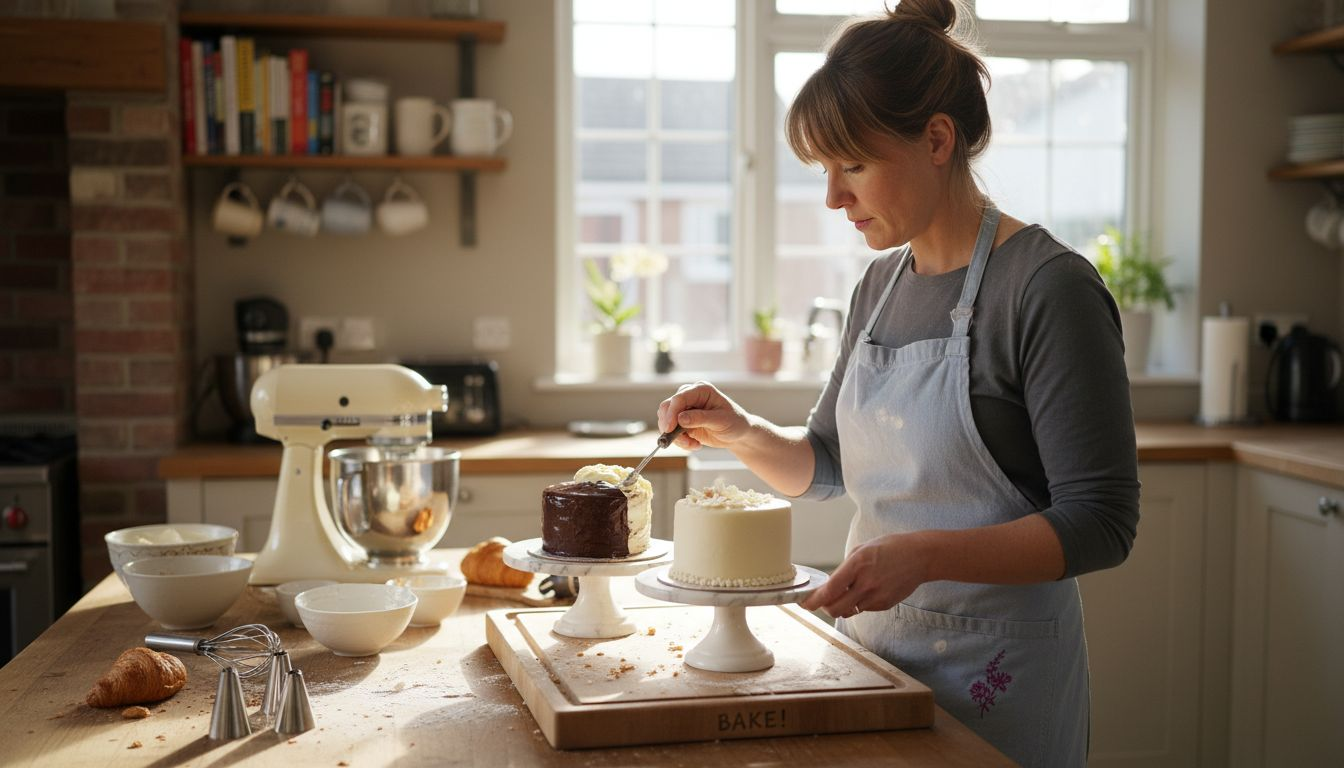
Choosing between ganache, buttercream, and fondant can feel like a real puzzle for British home bakers and small bakery owners. Each coating delivers a completely different look, taste, and decorating experience, making your selection more important than you might think. Understanding the differences in ingredients, application methods, and skills required helps you create cakes that are not only beautiful but also suit your style. If you want a truly impressive finish, getting familiar with each of these cake decoration techniques is key.
Table of Contents
- Defining Ganache, Buttercream, And Fondant
- How Each Works In Cake Decorating
- Taste, Texture, And Appearance In Practice
- Cost, Weather, And Skill Considerations
- Common Mistakes When Choosing Or Using
Key Takeaways
| Point | Details |
|---|---|
| Coating Types Matter | Ganache, Buttercream, and Fondant each provide distinct flavours, textures, and appearances that suit different occasions. |
| Skill Levels Vary | Choose a coating that matches your baking skills; Buttercream is beginner-friendly, while Fondant requires advanced techniques. |
| Environmental Considerations | Be mindful of weather conditions. Buttercream melts in warmth, while Fondant withstands heat better, making it suitable for outdoor events. |
| Common Mistakes | Avoid selecting coatings based on looks alone; consider skill level, preparation time, and guest preferences to prevent costly errors. |
Defining Ganache, Buttercream, and Fondant
When you’re deciding how to finish a cake, understanding what each coating actually is makes the choice much clearer. The three main options—ganache, buttercream, and fondant—use completely different ingredients and techniques, each creating a distinct look and feel.
Ganache is a luxurious blend of chocolate and cream. When you heat the two together, the cream softens the chocolate into a silky, pourable mixture. Once it cools, it firms up into a glossy coating or can be whipped into a rich frosting. The science of ganache and buttercream shows how these coatings differ fundamentally in their chemical composition and behaviour.
Buttercream is a staple in UK home baking for good reason. It’s essentially butter beaten with icing sugar until it becomes light and spreadable. You can flavour it with vanilla, chocolate, or whatever suits your cake. It’s soft, creamy, and works beautifully for piping decorations or creating smooth, rustic finishes.
Fondant feels quite different from the other two. It’s a sugar paste that you roll out like dough, then drape over the cake for a perfectly smooth, polished finish. Some bakers love this look; others find it too formal or prefer the taste of buttercream.
Each coating has distinct characteristics:
- Ganache: Rich, glossy, professional-looking; melts on the tongue
- Buttercream: Soft, creamy, easy to work with; familiar flavour
- Fondant: Smooth, elegant, dramatic presentation; firmer texture
They’re not interchangeable. Your choice affects not just appearance but also taste, texture, and how long preparation takes.
Here’s a concise comparison of cake coatings to help you determine the best fit for your baking needs:
| Coating Type | Ideal Occasion | Skill Level Required | Equipment Needed |
|---|---|---|---|
| Buttercream | Birthdays, casual gatherings | Beginner-friendly | Palette knife, piping bags |
| Ganache | Weddings, elegant events | Intermediate | Pouring jug, whisk |
| Fondant | Formal, intricate designs | Advanced | Rolling pin, smoother, cutters |
The coating you choose should match your skill level, the cake’s occasion, and honestly, what you enjoy eating most.
Pro tip: Start with buttercream if you’re new to cake decoration—it’s forgiving, delicious, and requires minimal special equipment from your baking supplies.
How Each Works in Cake Decorating
Each coating behaves differently once you start decorating, which is why understanding their practical applications matters. The way you apply them, how they set, and what you can do with them varies significantly.
Ganache application starts with heating and pouring. You warm the mixture until it’s pourable, then pour it over the cake and let gravity do the work. It sets into a smooth, glossy finish as it cools. You can also whip cooled ganache into a frosting for piping or spreading. Professional decorators value ganache for creating modern, luxurious bases that look polished without fussy decoration.
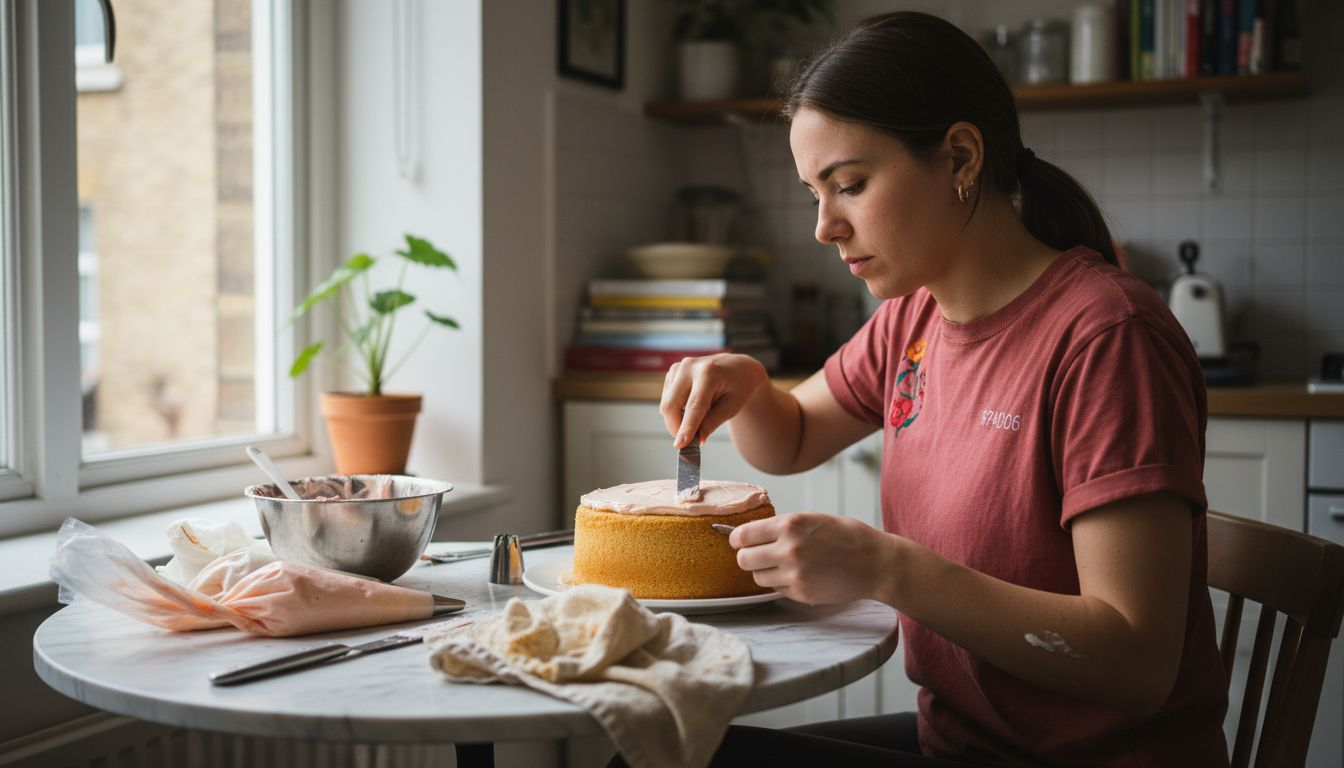
Buttercream is hands-on and forgiving. You spread it directly onto the cake with a palette knife, creating texture as you work. It’s soft enough to pipe intricate borders, flowers, and lettering. You can create rustic finishes or smooth, refined looks depending on your technique. Buttercream also works beautifully for filling layers between cake sponges.
Fondant requires a different approach entirely. You roll it out flat, then drape it over the cake like fabric. It smooths down to create that signature flawless finish. Fondant is brilliant for geometric shapes, sharp edges, and creating a blank canvas for painting or decorating.
Here’s how each performs in practical situations:
- Ganache: Sets quickly; needs a steady hand when pouring; creates a professional appearance immediately
- Buttercream: Works at room temperature; offers flexibility for changes; ideal for flavour variations
- Fondant: Requires patience with rolling and smoothing; best in cool conditions; allows precise detail work
Timing matters too. Ganache sets within hours. Buttercream stays workable for hours and holds decorations well. Fondant can be applied days ahead if stored properly.
The coating you choose shapes not just how the cake looks, but how you’ll spend your decorating time.
Pro tip: Keep your tools appropriate to each coating—use an offset spatula for buttercream, a bench scraper for fondant, and a pouring jug for ganache—and your technique improves immediately.
Taste, Texture, and Appearance in Practice
When you bite into a cake, the coating should make you happy. That’s where taste and texture become crucial—and each coating delivers a completely different experience.
Buttercream tastes like what it is: butter and sugar. It melts on your tongue, delivering rich flavour immediately. People expect this familiar, creamy taste on celebration cakes. The texture is soft and spreads easily, which is why it works beautifully for layer cakes where you want every bite to feel indulgent.
Ganache offers luxury. It’s silky and melts instantly, with deep chocolate flavour. The glossy finish looks professional without any decoration needed. Because it sets firmer than buttercream, it provides structure that holds up well for tiered cakes or those transported to venues.
Fondant presents a different proposition. It has a slightly chewy, dough-like texture that some love and others find odd. The flavour is primarily sweetness—it’s not meant to taste like much. Fondant provides a polished surface suitable for intricate cake designs that would be difficult with softer coatings.
Visually, each coating tells a different story:
- Buttercream: Textured, rustic, or smooth depending on technique; warm and approachable
- Ganache: Glossy, elegant, modern; professional appearance without decoration
- Fondant: Flawless, polished, formal; blank canvas for creativity
Consider your guests’ preferences. Some reject fondant entirely—they find it plastic-like. Others adore the visual impact it creates. Buttercream satisfies nearly everyone because they recognise and enjoy the taste.
The best coating matches both what you want to achieve visually and what your guests expect to taste.
Pro tip: Combine coatings strategically: use ganache as a base layer for structure, then add buttercream for piping details and better flavour—you get the best of both worlds.
Cost, Weather, and Skill Considerations
Your budget, the season, and your confidence level all influence which coating makes sense for your cake. These practical factors matter as much as taste and appearance.
Cost varies considerably across the three options. Buttercream is the cheapest—you likely have butter and icing sugar at home already. Ganache requires quality chocolate and cream, raising the expense slightly. Fondant is the priciest option, especially if you buy ready-made. You’ll need a rolling pin, smoother, and cutter tools too.
Weather creates real challenges. Buttercream melts in warm conditions and becomes impossible to work with above 22°C. Ganache holds up better in heat but still needs cool storage. Fondant is more durable in warm or outdoor settings, making it ideal for summer weddings or garden parties where buttercream would slide off.
Humidity matters too. High moisture in the air affects buttercream’s stability and makes fondant sticky. Ganache remains relatively stable but benefits from cool conditions.
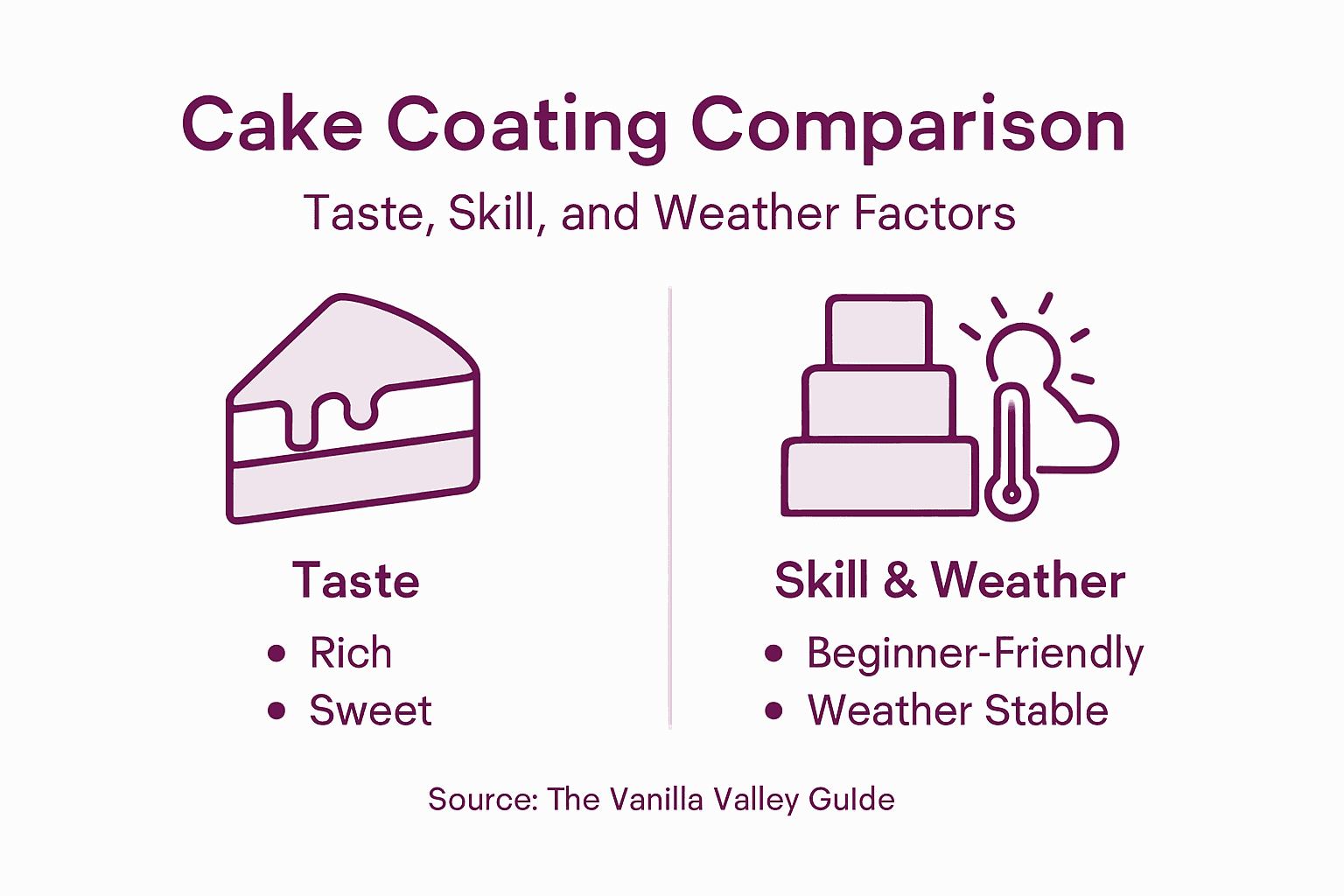
For quick reference, here’s how each coating responds to typical UK baking conditions:
| Coating | Heat Stability | Humidity Impact | Preparation Time |
|---|---|---|---|
| Buttercream | Melts easily above 22°C | Becomes soft and sticky | Minimal, quick mixing |
| Ganache | Holds better, still needs cool | Moderately stable | Requires cooling time |
| Fondant | Excellent in heat, less melting | Can become sticky | Most time-consuming |
Skill level determines what’s realistic for you:
- Buttercream: Easiest to learn; forgiving if you make mistakes; can create beautiful results quickly
- Ganache: Moderate difficulty; requires steady pouring hand; looks impressive immediately
- Fondant: Steepest learning curve; needs patience and practice; rewards effort with flawless finish
Buttercream lets you fix problems easily—just add more, smooth it over, start again. Fondant mistakes are harder to hide. Ganache is unforgiving when pouring but rewarding once mastered.
For home bakers, buttercream offers the lowest barrier to entry. You can practise piping without expensive supplies. You can bake and decorate on the day without advance preparation.
Choose the coating that matches your confidence, your kitchen temperature, and your budget—not the one you think you should use.
Pro tip: If you’re tackling an outdoor summer celebration, use fondant or ganache instead of buttercream—you’ll avoid a melted disaster and actually enjoy the event.
Common Mistakes When Choosing or Using
Even experienced bakers make blunders with these coatings. Knowing what goes wrong helps you avoid expensive disasters.
The biggest mistake: choosing without planning. Many bakers pick a coating based on Pinterest inspiration without considering their kitchen temperature, skill level, or the cake’s structure. You end up with buttercream melting at a summer garden party or fondant cracking because you rushed the process.
Buttercream errors typically involve technique. Overfilling layers creates bulging, unstable cakes. Skipping the crumb coat leaves crumbs visible in your final finish. Poor piping technique frustrates beginners who expect restaurant-quality results immediately. The fix: start with thin layers, always crumb coat, and accept that piping improves with practice.
Ganache mistakes happen during application. Pouring at the wrong temperature creates a lumpy, separated mess. Not letting it cool properly means it runs everywhere. Using ganache as a crumb coat creates a smooth silhouette that prevents crumbs from showing through your final layer.
Fondant failures are often preparation-related. Inadequate crumb coating, kneading fondant too little or too much, and rolling too thin lead to tears, cracks, and saggy surfaces. Not allowing fondant to set before stacking creates disaster. Skipping bubble-smoothing during application shows every imperfection.
Common pitfalls across all coatings:
- Underestimating preparation time and rushing the process
- Not accounting for humidity and temperature in your workspace
- Choosing based on looks alone, ignoring taste and texture preferences
- Applying cold coating to warm cakes, causing condensation and sliding
- Not investing in proper tools, then struggling with basic technique
The right coating choice depends on answering three questions first: What’s my skill level? What’s the weather forecast? Will my guests enjoy this?
Mistakes teach you more than successes do—but learn from others’ errors, not just your own.
Pro tip: Always do a small test cake first when trying a new coating technique; you’ll catch problems before decorating your celebration cake.
Master Your Cake Decorating with The Vanilla Valley
Choosing between ganache, buttercream, and fondant can feel overwhelming when every coating demands different skills, tools, and techniques. The article highlights the crucial pain points you face such as finding the right equipment, managing temperature challenges, and achieving that perfect taste and texture your guests will love. Whether you are a beginner struggling with buttercream or an advanced baker aiming for a flawless fondant finish, having access to quality supplies and expert guidance makes all the difference.
Unlock your decorating potential today with The Vanilla Valley where you will find everything you need to succeed. From essential tools like palette knives and rolling pins to premium fondant and rich chocolate for ganache, our store supports bakers at every level. Explore our trusted cake decorating accessories and benefit from next day delivery, special offers, and a community that shares your passion. Don’t wait until your next event to be disappointed — start crafting cakes that look and taste amazing now.
Frequently Asked Questions
What is the difference between ganache, buttercream, and fondant?
Ganache is a rich chocolate and cream mixture that sets into a glossy finish or can be whipped into frosting. Buttercream is a creamy blend of butter and icing sugar, known for its versatility and ease of use. Fondant is a smooth sugar paste that creates a polished finish by being draped over cakes.
Which cake coating is best for beginners?
Buttercream is the most beginner-friendly option due to its forgiving nature and minimal equipment requirements. It allows for easy decorating and adjustments.
How do temperature and humidity affect cake coatings?
Buttercream melts easily in warm conditions and can become sticky in humidity. Ganache holds up reasonably well but still requires cool storage. Fondant is the most stable in heat but can become sticky in humid environments.
Can I combine different coatings on a cake?
Yes, combining coatings is a great strategy. For example, you can use ganache as a base layer for structure, topped with buttercream for flavour and detail, creating a delicious and visually appealing cake.