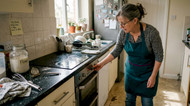
How to preheat an oven properly for perfect cakes
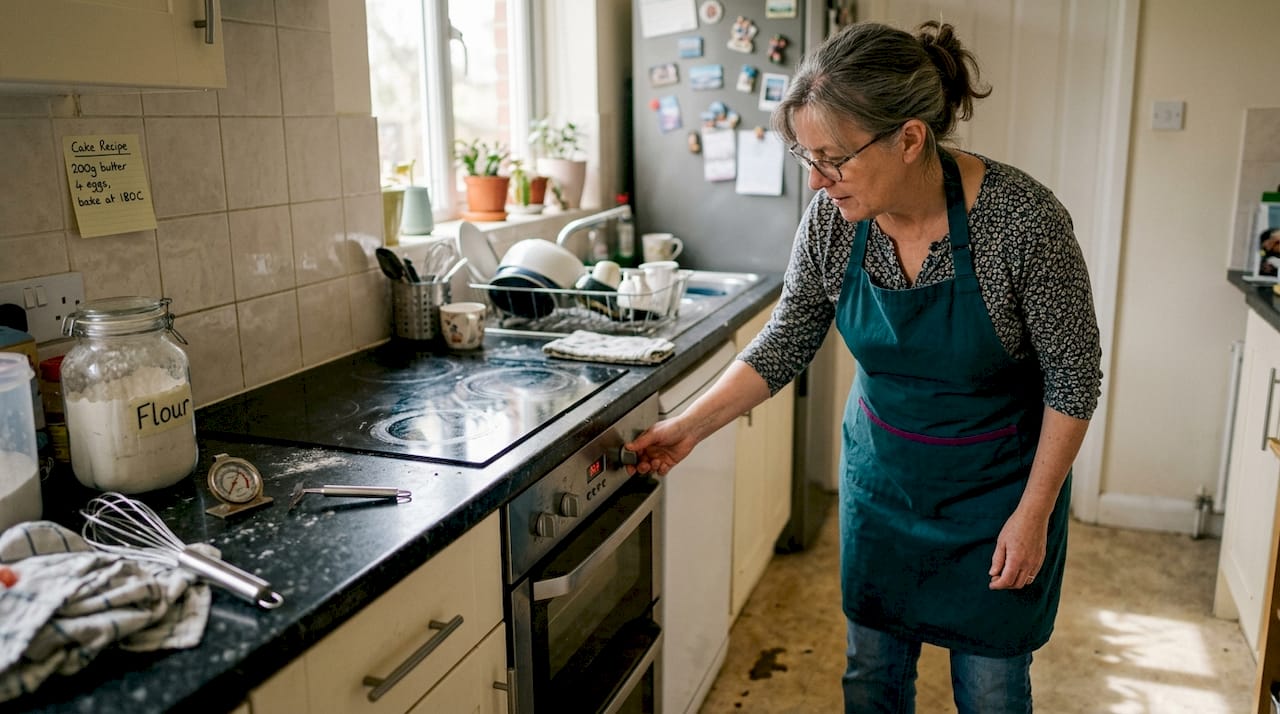
Baking the perfect cake starts before you even mix your ingredients. Many home bakers face disappointing results because they skip or rush oven preheating, leading to sunken centres, uneven textures, and cakes that refuse to rise properly. Understanding how to preheat your oven correctly transforms your baking from hit-and-miss to consistently successful. This guide walks you through the essential steps, tools, and techniques needed to master oven preheating, ensuring every cake you bake achieves the light, fluffy texture and even rise you’re aiming for.
Table of Contents
- Key takeaways
- What you need to preheat your oven properly
- Step-by-step guide to preheating your oven correctly
- Common mistakes to avoid when preheating your oven
- How to check your oven is properly preheated
- Discover top cake decorating supplies at The Vanilla Valley
- How to preheat an oven properly frequently asked questions
Key Takeaways
| Point | Details |
|---|---|
| Accurate oven temperature | Ensuring the oven is at the correct temperature before baking gives an even rise and uniform texture. |
| Wait for target temperature | Do not bake until the oven indicator shows it has reached the target temperature, and verify with a thermometer for accuracy. |
| Standalone oven thermometer | Use a standalone thermometer rather than the built inside dial to check accuracy before baking. |
| Keep door closed | Keeping the oven door closed during preheating and baking prevents temperature drops that can ruin the rise. |
| Oven type matters | Fan ovens heat faster and more evenly, so adjust preheating time and temperature according to your oven type. |
What you need to preheat your oven properly
Before you begin preheating, gathering the right tools makes all the difference. Accurate oven temperature measurement is crucial for baking success, so investing in quality equipment pays off with every bake. You’ll need these essentials:
- Oven thermometer (standalone, not built-in dial)
- Kitchen timer or smartphone timer app
- Clean baking trays positioned at correct rack height
- Notebook for tracking preheat times and results
Your oven’s interior condition directly affects temperature accuracy. Burnt residue and grease buildup absorb heat unevenly, creating hot spots that ruin cakes. Wipe down oven walls and racks before preheating to ensure consistent heat distribution. Many baking basics people get wrong stem from neglecting this simple maintenance step.
Oven type significantly impacts preheating duration and temperature stability. Fan ovens circulate hot air, reaching target temperatures faster and maintaining more even heat. Conventional ovens rely on radiant heat from top and bottom elements, requiring longer preheat times but offering gentler heat for delicate cakes.
| Oven type | Typical preheat time | Temperature adjustment needed |
|---|---|---|
| Fan (convection) | 10-15 minutes | Reduce recipe temp by 20°C |
| Conventional | 15-20 minutes | Use recipe temperature as stated |
| Gas | 12-18 minutes | Monitor with thermometer closely |
| Range cooker (Aga-style) | Always hot | No preheat, adjust cooking time |
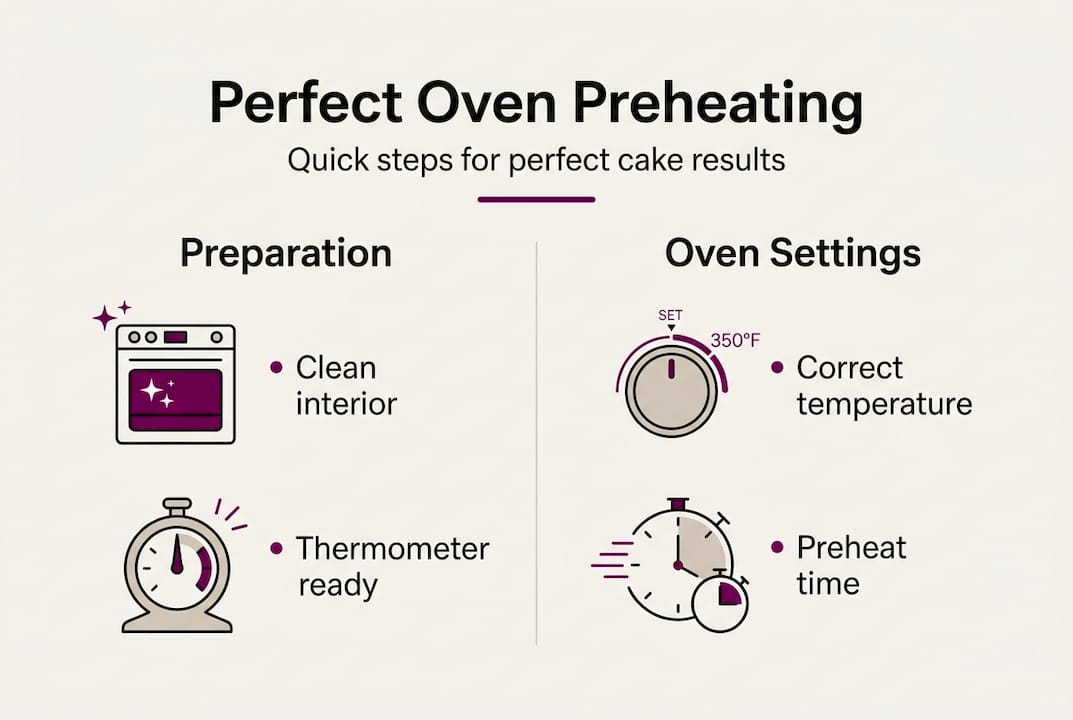
Pro Tip: Test your oven thermometer’s accuracy by placing it in boiling water. It should read 100°C at sea level. If it’s off by more than 2°C, replace it before relying on it for baking.
Keeping your baking supplies well organised means you’ll always have your thermometer and tools ready when you need them. Consider organising your baking supplies at home to streamline your preparation process and avoid rushing through crucial steps like preheating.
Step-by-step guide to preheating your oven correctly
Following a consistent preheating routine eliminates guesswork and builds reliable baking habits. Waiting until the oven reaches the correct temperature before baking improves the cake’s texture and rise, so patience here rewards you with superior results. Here’s your foolproof process:
-
Select the correct oven mode. Choose fan or conventional based on your recipe instructions. Fan mode works brilliantly for even browning, whilst conventional suits recipes requiring gentler heat on delicate batters.
-
Set your target temperature. Turn the dial or digital controls to the exact temperature specified in your recipe. Don’t round up or down, precision matters for chemical reactions in cake batter.
-
Position racks before heating begins. Place your baking rack at the height recommended in your recipe, typically centre position for cakes. Moving racks in a hot oven risks burns and temperature drops.
-
Start your timer immediately. Note the time you switch on the oven. This helps you track how long your specific oven takes to preheat, building knowledge for future bakes.
-
Place oven thermometer on the rack. Position it where your cake tin will sit, ensuring you measure temperature at the actual baking location, not near heating elements.
-
Wait for the indicator light. Most ovens signal when they’ve reached temperature, but this isn’t always accurate. The light indicates the heating cycle has completed, not that the entire oven cavity has stabilised.
-
Verify with your thermometer. Check the standalone thermometer reads within 5°C of your target. If it’s lower, wait another 5 minutes and check again.
-
Keep the door firmly closed. Resist the urge to peek. Each door opening drops oven temperature by 10-15°C, extending preheat time and affecting your cake’s rise.
Pro Tip: Set a reminder on your phone for 5 minutes before your typical preheat time finishes. This gives you time to prepare your cake batter for immediate oven entry once preheating completes, ensuring ingredients stay at optimal temperature.
Mastering these steps helps you avoid fail cake essential steps that separate disappointing bakes from show-stopping creations. Consistency in preheating creates consistency in results.
Common mistakes to avoid when preheating your oven
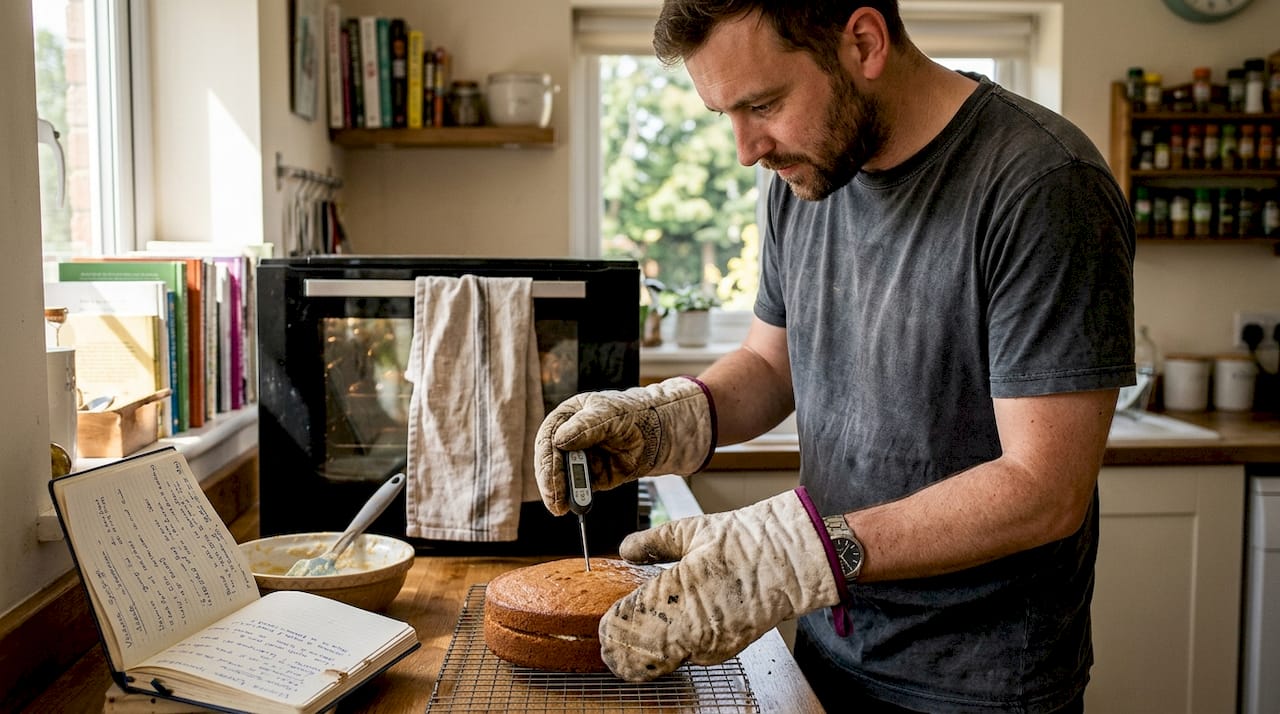
Even experienced bakers fall into preheating traps that sabotage their cakes. Frequent preheating mistakes include starting to bake too soon and neglecting oven calibration, leading to structural failures and texture problems. Watch out for these pitfalls:
-
Starting to bake when the indicator light switches off. Built-in signals show heating elements have cycled off, not that the oven cavity has reached stable temperature. Always verify with a thermometer.
-
Trusting the oven dial without verification. Factory calibration drifts over time. Ovens can run 15-30°C hotter or cooler than displayed, ruining carefully measured recipes.
-
Opening the door to check temperature. Each peek releases a massive heat blast, forcing the oven to work harder and extending preheat time by several minutes.
-
Ignoring oven type when following recipes. Fan ovens concentrate heat differently than conventional models. Using the wrong mode or failing to adjust temperature creates uneven baking.
-
Placing cold baking tins in during preheat. Metal absorbs significant heat. Adding tins partway through preheating alters the temperature curve and delays full heat stabilisation.
-
Skipping preheat for “quick” bakes. Even simple cakes need proper oven temperature from the start. Chemical leaveners like baking powder activate at specific temperatures, requiring immediate correct heat.
-
Forgetting altitude adjustments. Bakers above 900 metres elevation need higher temperatures and longer preheat times due to lower air pressure affecting heat transfer.
“Temperature consistency is key to cake success. A properly preheated oven creates the stable environment your cake needs to rise beautifully and bake evenly throughout.”
Understanding these errors helps you avoid the broader category of baking mistakes fixes and tips that plague home bakers. Small adjustments in your preheating routine prevent major disappointments when you unmould your finished cake.
How to check your oven is properly preheated
Verifying oven readiness goes beyond watching indicator lights. Multiple testing methods confirm your oven has reached stable baking temperature, protecting your cake from premature or uneven cooking. Using an oven thermometer and simple tests can confirm correct preheating and oven performance.
| Verification method | Accuracy level | Best for |
|---|---|---|
| Standalone oven thermometer | High (±2°C) | All baking, essential for precision |
| Built-in oven indicator | Low (±15-25°C) | Quick reference only, not reliable |
| Sugar melting test | Medium | Checking approximate temperature range |
| Baking time observation | Medium | Detecting consistent preheat issues |
Quick readiness tests you can perform:
-
Thermometer stability check. Watch your oven thermometer for 3-5 minutes after the indicator light switches off. Temperature should hold steady within 3°C, not fluctuate wildly.
-
Sugar melting test. Place a teaspoon of granulated sugar on a baking tray in the preheated oven. It should begin melting within 2-3 minutes at 180°C, confirming adequate heat.
-
Visual heat wave test. Carefully observe through the oven window (without opening the door). You should see slight heat distortion in the air, indicating hot air circulation.
-
Multi-point temperature check. If you own multiple thermometers, place them at different rack positions. Temperature variance exceeding 10°C between positions indicates uneven heating requiring longer preheat time.
Pro Tip: Keep a baking journal noting your oven’s actual preheat time, thermometer readings, and cake results. After 5-10 bakes, you’ll identify your oven’s pattern and can preheat with confidence, knowing exactly when it’s truly ready.
Observing your cake’s baking behaviour reveals preheat inconsistencies. Cakes taking significantly longer than recipe times suggest your oven wasn’t fully preheated. Conversely, cakes browning too quickly on top whilst remaining raw inside indicate temperature spikes from inadequate preheat stabilisation.
Applying these verification techniques helps you make your cake bake evenly by ensuring the oven environment matches your recipe’s requirements from the moment your batter enters the heat.
Discover top cake decorating supplies at The Vanilla Valley
Now that you’ve mastered oven preheating, take your baking to the next level with professional-quality tools and supplies. The Vanilla Valley offers everything you need to create stunning cakes, from precision baking equipment to beautiful decorating accessories.

Whether you’re perfecting your technique or exploring new cake decorating styles, our extensive range supports bakers at every skill level. Browse our carefully curated selection of cake boards, fondant, food colours, and specialist tools designed to make your baking journey more enjoyable and successful. Visit our cake decorating supplies & sugarcraft shop in Cardiff to discover how quality equipment transforms your creations from homemade to professional standard.
How to preheat an oven properly frequently asked questions
What is the ideal preheat time for a standard domestic oven?
Most domestic ovens require 15-20 minutes to reach full temperature and stabilise. Fan ovens typically preheat faster at 10-15 minutes, whilst conventional ovens need the full 20 minutes. Always verify with an oven thermometer rather than relying on indicator lights, as actual preheat time varies based on oven age, insulation quality, and ambient room temperature.
Can I bake without preheating the oven?
Baking without preheating produces poor results for most cakes. Chemical leaveners need immediate correct temperature to activate properly, creating the rise and texture you expect. Starting in a cold oven causes dense, heavy cakes with sunken centres because the batter sets before leavening completes. Only specific recipes designed for cold oven starts should skip preheating.
How do I know if my oven temperature is inaccurate?
Place a standalone oven thermometer in the centre of your oven and preheat to 180°C. After 20 minutes, check the thermometer reading. Differences exceeding 10°C indicate calibration problems requiring professional adjustment or compensation in your baking. Consistent underbaking or overbaking despite following recipes precisely also signals temperature inaccuracy.
Does the oven type affect preheating time?
Yes, significantly. Fan ovens circulate air actively, reaching temperature 5-10 minutes faster than conventional models. Gas ovens heat quickly but can have temperature fluctuations requiring longer stabilisation time. Range cookers like Agas remain constantly hot, eliminating preheat time entirely but requiring different baking techniques and timing adjustments.
Is it necessary to adjust preheating for different cake recipes?
Whilst preheating duration stays consistent for your specific oven, target temperature varies by recipe. Dense fruit cakes need lower temperatures (150-160°C) requiring the same preheat time as higher temperatures. Delicate sponges at 180°C and robust chocolate cakes at 170°C all benefit from full preheating, but you must set the correct temperature for each recipe type.
Should I preheat with baking trays already inside?
For most cakes, preheat with empty racks at the correct position, adding your filled tin only when temperature stabilises. However, some recipes specifically require preheated baking stones or heavy trays for crispy bases. Follow individual recipe instructions, but generally keep the oven empty during preheat to achieve fastest, most even heating throughout the cavity.