How to store cakes for lasting freshness and flavour
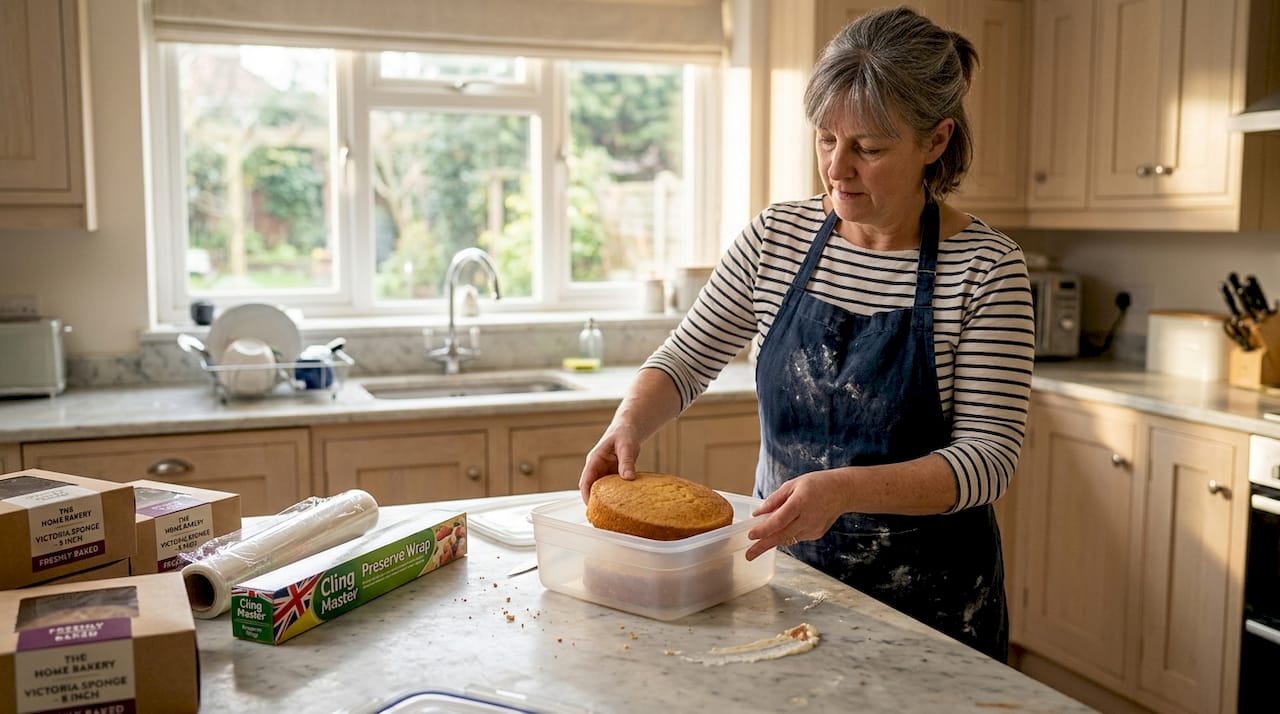
TL;DR:
- Proper cake storage involves using airtight containers and appropriate wrapping materials for different cake types. Freezing layers and properly wrapping them preserves freshness for up to three months. Fondant cakes should be stored at room temperature in a cardboard box to prevent moisture damage and sweating.
You bake a beautiful cake, spend hours getting it just right, and then watch it go dry, stale, or oddly soggy within a day. It’s one of the most frustrating things in baking. The good news? Proper storage is simpler than most people think, and it makes an enormous difference. Whether you’re baking for a weekend celebration, a client order, or just a treat to enjoy through the week, knowing how to store each type of cake correctly means every slice tastes as good as the first. We’ve pulled together practical, expert-backed advice to help you do exactly that.
Table of Contents
- Getting started: What you’ll need for proper cake storage
- Step-by-step: Storing unfrosted, frosted, and cut cakes
- Freezing cakes for long-term freshness: What really works
- Special cases: Fondant, highly perishable and decorated cakes
- What expert bakers wish everyone knew about cake storage
- Get everything you need for flawless cake storage
- Frequently asked questions
Key Takeaways
| Point | Details |
|---|---|
| Cool before wrapping | Always allow cake layers to cool fully before wrapping to avoid sogginess. |
| Room temperature is ideal | Store most cakes airtight at room temperature and out of sunlight for best texture. |
| Proper wrapping prevents drying | Use well-sealed clingfilm or containers to protect against moisture loss. |
| Freezing maintains freshness | Cakes freeze well for up to 3 months if wrapped tightly and thawed slowly. |
| Special cakes need care | Fondant and dairy-rich cakes require unique handling to avoid condensation and spoilage. |
Getting started: What you’ll need for proper cake storage
Before you can store a cake well, you need the right kit. This isn’t about spending a fortune. It’s about choosing materials that actually protect your bake from the two biggest enemies: air and moisture imbalance. Get this wrong and you’ll end up with a dry, crumbly sponge or a soggy, sticky mess.
The essentials vary slightly depending on what kind of cake you’re storing. An unfrosted sponge has different needs to a fondant-covered showpiece. Here’s a quick breakdown:
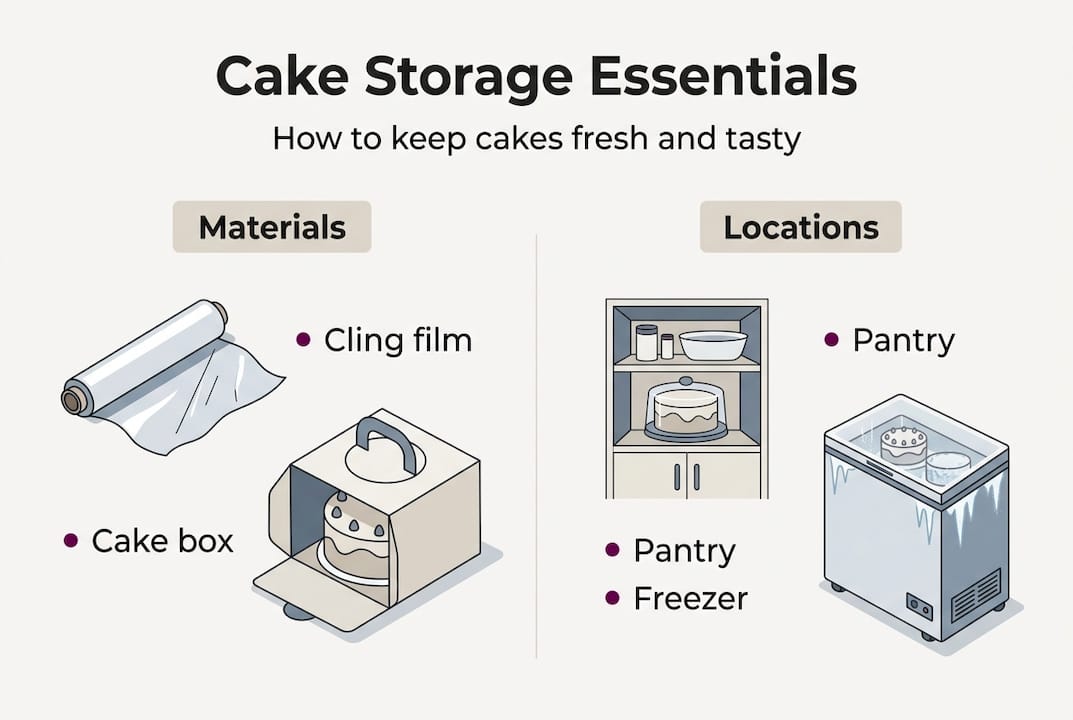
| Cake type | Wrapping material | Container | Storage location |
|---|---|---|---|
| Unfrosted layers | Cling film (double layer) | Airtight plastic container | Room temp or freezer |
| Frosted (buttercream) | Loose cling film or cake dome | Airtight box or cake carrier | Room temp or fridge |
| Fondant-covered | No cling film on fondant | Cardboard cake box | Cool room temperature |
| Cut cake | Cling film pressed to cut edge | Airtight container | Room temp or fridge |
A key point many bakers miss: unfrosted layers must cool completely before wrapping, otherwise trapped steam creates condensation and makes the sponge soggy from the inside out. Patience here genuinely pays off.
For everyday baking goods storage, having a small collection of reliable materials on hand saves a lot of last-minute stress. Here’s what we’d recommend keeping in your baking cupboard:
- Cling film (the good, clingy kind, not the flimsy supermarket own-brand)
- Aluminium foil for an extra protective layer during freezing
- Airtight plastic containers in a range of sizes
- Cardboard cake boxes for fondant and decorated cakes
- Resealable freezer bags for individual portions or layers
- Labels and a marker so you always know what’s in the freezer and when it went in
These basics cover almost every storage scenario you’ll encounter. Invest in quality versions and they’ll serve you well for years.
Step-by-step: Storing unfrosted, frosted, and cut cakes
Once your materials are ready, it’s time to put them to work. Each cake state needs a slightly different approach, but none of it is complicated once you know the logic behind it.
Storing unfrosted cakes
- Allow the cake to cool completely on a wire rack. No shortcuts here.
- Wrap tightly in cling film, making sure there are no gaps.
- For short-term room temperature storage of one to two days, place the wrapped cake in an airtight container in a cool, dry spot.
- For longer storage, move to the fridge or freezer (see the next section for freezing detail).
Storing frosted cakes
- If the frosting is set, you can use a cake dome or loosely draped cling film to protect the surface without squashing the decoration.
- Buttercream-frosted cakes are generally fine at room temperature for up to two days in a cool kitchen.
- If your kitchen is warm or the frosting contains fresh cream or cream cheese, refrigerate immediately.
- When refrigerating, place in an airtight cake carrier to prevent the sponge from absorbing fridge odours.
Storing cut cakes
This is where most bakers lose moisture fastest. The exposed crumb dries out quickly if left uncovered. The fix is simple: press cling film directly against the cut surface to create a seal, then store in an airtight container. It sounds fussy but it genuinely works.
Important: Any cake containing dairy fillings, fresh cream, eggs, or custard must not be left at room temperature for more than two hours. Bacterial growth accelerates rapidly above 4°C. When in doubt, refrigerate.
Pro Tip: If you’re baking layers in advance for a big event, wrap each cooled layer individually and stack them flat in the freezer with a small piece of baking paper between each one. This saves huge amounts of time on the day and keeps every layer in perfect condition. For ideas on presenting your finished bake beautifully, take a look at our guide to packaging cake for gifting.
Freezing cakes for long-term freshness: What really works
Short-term storage is important, but what if you need to keep cakes for longer? Freezing is genuinely one of the best tools a baker has, and it’s underused because people worry it will ruin the texture. Done properly, it doesn’t.
Freezing unfrosted layers is the gold standard for advance preparation. Cool the layers completely, wrap each one tightly in cling film, then wrap again in foil, and place inside a freezer bag or airtight container. Properly wrapped, they keep their texture for up to three months.
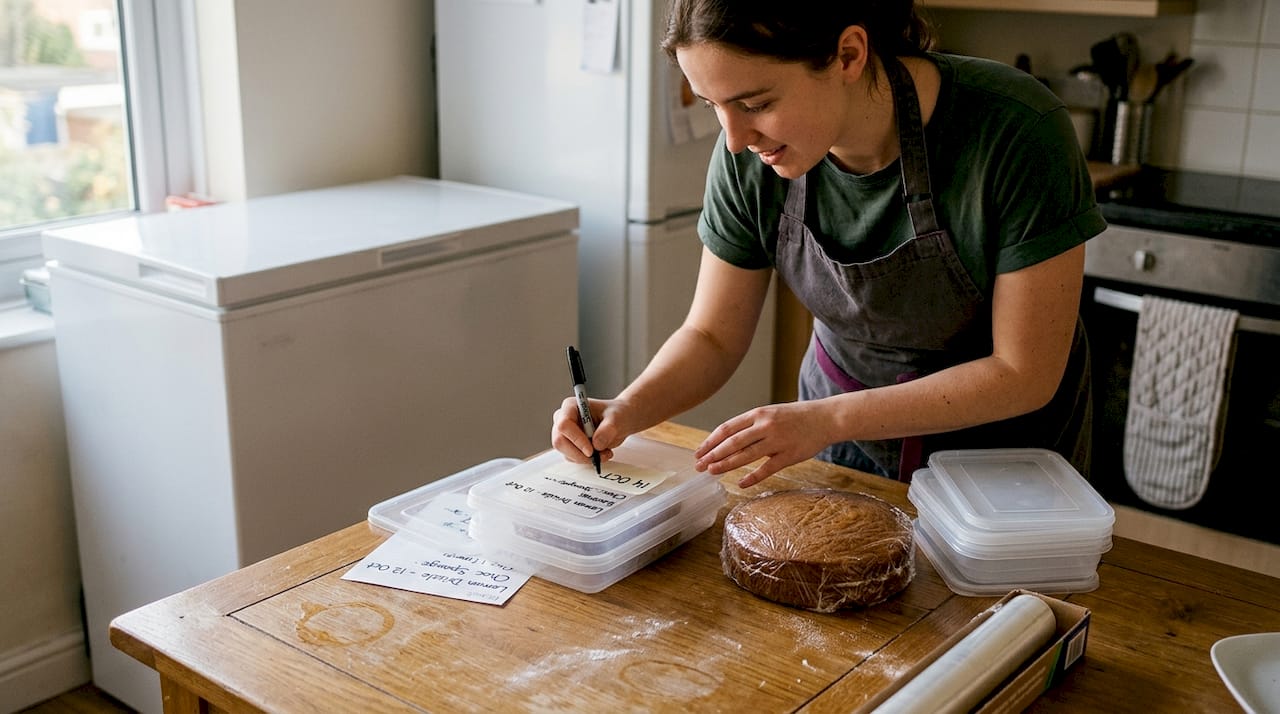
Frosted cakes need a slightly different approach. Flash-freeze first by placing the uncovered cake in the freezer for one to two hours until the frosting is firm. Then double-wrap and freeze, and when you’re ready to serve, thaw the cake still wrapped in the fridge overnight. This prevents condensation from forming on the surface and keeps the frosting looking tidy.
| Cake state | Maximum freezer time | Thawing method |
|---|---|---|
| Unfrosted layers | Up to 3 months | Unwrap, thaw at room temp |
| Buttercream-frosted | Up to 2 months | Thaw wrapped in fridge overnight |
| Fondant-covered | Not recommended | N/A |
| Cut portions | Up to 1 month | Thaw wrapped at room temp |
As a benchmark, cakes taste best within 2 to 3 days of baking, but freezing correctly maintains that just-baked quality for up to three months. That’s a brilliant result for busy bakers planning ahead.
Pro Tip: Label every frozen cake with the date and type before it goes in. It takes ten seconds and saves a lot of guesswork three weeks later. If you’re storing buttercream separately, our guide to buttercream storage tips covers everything you need to know.
Avoid freezing cakes with fresh fruit fillings, gelatine-based decorations, or custard, as these don’t survive the freeze-thaw process well and can become watery or grainy.
Special cases: Fondant, highly perishable and decorated cakes
Standard cakes have their routines, but certain cakes need extra care. Fondant-covered cakes are a perfect example. Many bakers instinctively reach for the fridge, assuming it’s the safest option. With fondant, it’s actually the worst thing you can do.
Fondant is hygroscopic, meaning it draws moisture from the air. In a fridge, the temperature change causes condensation to form on the surface, which makes the fondant sweat and become sticky. Fondant cakes store best in a cardboard box at a cool room temperature, away from direct sunlight and humidity. The cardboard allows a small amount of airflow while protecting the surface.
For more detail on this, our dedicated guide to storing fondant cakes is well worth a read, and if you’re newer to working with fondant, our fondant cake guide covers the basics brilliantly.
It’s also worth knowing that fridge storage accelerates staling through a process called starch retrogradation, where starch molecules firm up in the cold. Room temperature or freezing actually preserves moisture and texture better for cakes that don’t contain perishable fillings.
Here’s a quick dos and don’ts list for decorated and perishable cakes:
- Do store fondant cakes in a cardboard box at room temperature
- Do refrigerate cakes with fresh cream, cream cheese, or custard fillings
- Do use a cake box that gives the decoration room to breathe
- Don’t wrap fondant directly in cling film as it sticks and ruins the surface
- Don’t store decorated cakes near strong-smelling foods in the fridge
- Don’t leave perishable cakes out for more than two hours
Professional note: Cakes containing dairy or egg-based fillings must be kept below 4°C to prevent bacterial growth. This is a food safety requirement, not just a quality tip. If you’re baking for others, take this seriously.
For tips on keeping your fondant work looking its best, our article on preventing fondant cracking is packed with practical advice.
What expert bakers wish everyone knew about cake storage
Here’s something that surprises a lot of bakers: the fridge is not the safest place for most cakes. It feels like the responsible choice, but for a plain sponge or a buttercream layer cake without perishable fillings, the fridge actually speeds up the drying process and dulls the flavour. We’ve seen beautifully moist sponges turn dry and dense overnight simply because they went into the fridge unnecessarily.
Freezing, on the other hand, gets an unfair reputation. Bakers worry it will ruin texture or taste. But when layers are wrapped properly and thawed slowly, the results are genuinely impressive. Many professional bakers freeze their layers as standard practice, not as a last resort. It locks in freshness myths and keeps the crumb tender.
Another thing professionals know well: never rush to decorate a warm cake. The warmth creates steam under the frosting, which leads to sliding, cracking, and a soggy layer between sponge and icing. Cool completely, wrap, rest, then decorate. It feels slower but the results are so much better. Flat-freezing individual layers and building cakes to order is a game-changer for anyone with a busy baking calendar.
Get everything you need for flawless cake storage
With the know-how in hand, having the right products makes all the difference. Technique only gets you so far if your containers are letting in air or your cake boxes aren’t the right size.
At The Vanilla Valley, we stock a brilliant range of cake boxes, boards, and baking accessories to help you store, protect, and present your cakes beautifully. Whether you need sturdy cardboard boxes for fondant cakes or airtight carriers for frosted creations, we’ve got you covered. We’ve been supporting bakers across the UK since 2009, and we genuinely love helping people get the best from their bakes. Browse our full range of cake decorating supplies and find everything you need in one place, with free delivery options and next day dispatch available.
Frequently asked questions
How long will cake stay fresh at room temperature?
Most cakes remain fresh for 2 to 3 days when wrapped and stored in a cool, dry place away from direct sunlight. Cakes with perishable fillings are the exception and should be refrigerated.
Is it safe to store buttercream cakes at room temperature?
Buttercream cakes made with a standard butter and icing sugar frosting are generally fine at room temperature for up to two days, but cakes with fresh cream or cream cheese fillings should be refrigerated because fridge storage is essential for perishable ingredients.
Does refrigerating cake always keep it fresh?
Not always. Fridge storage accelerates staling in plain sponges by causing starch to firm up, so room temperature or freezing is often the better choice for non-perishable cakes.
How do I prevent fondant from sweating when storing cake?
Keep your fondant cake in a cardboard box at a cool room temperature and avoid the fridge entirely, as the temperature change causes condensation that makes fondant sticky and discoloured.
What is the best way to freeze a decorated cake?
Flash-freeze the cake uncovered until the decorations are firm, then double-wrap and freeze. Thaw overnight in the fridge while still wrapped to avoid condensation ruining the surface.
Recommended
- How to store fondant for lasting freshness and usability - The Vanilla Valley
- How long does buttercream last? Keep it fresh with proven tips - The Vanilla Valley
- How to Store Sugarpaste for Freshness and Easy Use - The Vanilla Valley
- Baking Goods Storage: Maximising Freshness & Shelf Life - The Vanilla Valley