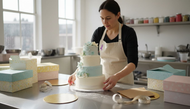
7 Mistakes to Avoid with Cake Boards and Boxes for Bakers

Most british cake mishaps start with overlooked basics like board thickness or mismatched box sizes. Surprisingly, over half of ruined cake deliveries trace back to poor foundation choices rather than the baking itself. Whether you are an amateur baker or a seasoned professional in South Wales, getting the details right with boards and boxes protects your cake’s appearance and keeps clients delighted. This guide highlights the crucial steps to prevent costly presentation blunders and ensure your cakes look impressive from kitchen to delivery.
Table of Contents
- Choosing The Wrong Board Thickness For Cake Type
- Using Weak Cake Cards For Heavy Cakes
- Selecting Incompatible Box Sizes For Cake Dimensions
- Neglecting Board And Box Colour For Themed Presentation
- Forgetting To Cover Boards With Icing Or Ribbon
- Overlooking Sturdiness For Delivery And Transport
- Ignoring Professional Appearance For Client Satisfaction
Quick Summary
| Takeaway | Explanation |
|---|---|
| 1. Choose the right board thickness | Match the board thickness to your cake type to ensure stability and avoid structural failure during transportation and display. |
| 2. Use strong cake cards for heavier cakes | For dense or multi-tiered cakes, select robust cards to prevent collapsing and ensure proper weight distribution. |
| 3. Select the correct box size | Measure your cake carefully to choose a box that accommodates its dimensions without crushing or allowing movement during transport. |
| 4. Cover boards for professional presentation | Use fondant or ribbon to cover cake boards, enhancing aesthetic appeal and providing a polished look that complements your cake design. |
| 5. Prioritise sturdy transportation options | Invest in strong boards and non-slip boxes to maintain cake integrity during transport and prevent damage or collapse. |
1. Choosing the Wrong Board Thickness for Cake Type
Selecting an inappropriate cake board thickness can transform your carefully crafted masterpiece into a structural disaster. When it comes to cake support, thickness matters significantly more than most amateur bakers realise.
Cake boards are not a one size fits all solution. Different cake types require specific board thicknesses to maintain stability and presentation. A delicate sponge cake demands a different support structure compared to a dense, multi tiered wedding cake. Light fairy cakes will collapse on thick, heavyweight boards, while intricate celebration cakes require robust foundations.
Understanding board thickness involves matching the board’s structural integrity to your cake’s weight and design complexity. Thin 3mm boards work perfectly for lightweight sponges and cupcake towers, whereas 12mm drum boards provide essential support for heavy fruit cakes or elaborate multi tier designs. Professional bakers often recommend selecting cake boards strategically based on their specific project requirements.
Weight distribution is crucial. A board too thin will bend under the cake’s mass, causing uneven surfaces and potential structural failure. Conversely, an overly thick board can make delicate cakes appear clumsy and disproportionate.
When choosing your cake board, consider these key factors:
Board Selection Checklist:
- Evaluate cake weight
- Consider decoration complexity
- Match board thickness to cake density
- Check board diameter relative to cake size
- Ensure board can support entire cake structure
Pro tip: Always purchase cake boards slightly larger than your cake diameter to provide secure handling and elegant presentation.
2. Using Weak Cake Cards for Heavy Cakes
Using thin or flimsy cake cards with substantial cakes is a recipe for disaster that can transform your baking masterpiece into a crumbling catastrophe. Weak cake cards might seem like a minor detail, but they represent the critical foundation supporting your entire culinary creation.
Cake cards are not simply decorative accessories. They are structural elements that bear the entire weight of your cake layers, providing essential support during transportation and display. Professional bakers understand that cake board selection requires strategic planning to prevent structural failures.
Heavier cakes like dense fruit cakes, multi tiered wedding cakes, or elaborate celebration designs demand robust cake cards with significant structural integrity. A weak card will buckle under pressure, causing layers to slide, crack, or completely collapse. The weight distribution becomes critically important when considering elaborate cake designs that might include multiple tiers, heavy fondant decorations, or intricate sugar work.
Critical Considerations for Cake Card Strength:
- Match card thickness to cake weight
- Choose boards with minimum 3mm thickness for heavier cakes
- Select rigid materials that prevent warping
- Consider additional reinforcement for complex designs
- Test card strength before final cake assembly
Warning Signs of Inadequate Cake Cards:
- Noticeable bending under cake weight
- Visible warping around cake edges
- Difficulty maintaining cake structural integrity
- Potential cake layer displacement during movement
Pro tip: Always purchase cake cards slightly thicker than you initially think necessary and perform a strength test by supporting the card with weight before adding your precious cake creation.
3. Selecting Incompatible Box Sizes for Cake Dimensions
Choosing the wrong cake box size is like trying to fit a square peg in a round hole a guaranteed recipe for disaster. Your carefully crafted cake deserves precise protection during transport and storage.
Box dimensions are not a mere afterthought but a critical component of cake presentation and preservation. An ill fitting box can transform your culinary masterpiece into a crumpled mess of frosting and disappointment. Professional bakers understand that cake box selection requires meticulous measurement to maintain cake integrity.
Custom cake box manufacturers emphasise that precise measurements matter tremendously. Boxes that are too small will crush delicate decorations and compress your cake layers, destroying intricate designs. Conversely, oversized boxes allow cakes to shift and slide, potentially damaging delicate frosting work and structural integrity.
Critical Measurement Considerations:
- Measure cake height including decorations
- Account for any additional piping or sugar work
- Consider cake shape not just standard dimensions
- Allow minimal extra space for safe transport
- Verify box internal dimensions carefully
Box Sizing Warning Signs:
- Decorations touching box sides
- Cake moving inside box during transport
- Compression of cake layers
- Visible stress on cake structure
Pro tip: Always carry a flexible measuring tape and measure your completed cake immediately after decoration to ensure perfect box selection.
4. Neglecting Board and Box Colour for Themed Presentation
The colour of your cake board and box is far more than a trivial aesthetic choice. It represents the first visual impression of your culinary artwork and can dramatically enhance or undermine your entire presentation.
Colour plays a profound psychological role in perception and emotional response. Colour selection significantly impacts presentation and transforms how customers perceive your baked creation. A mismatched board or box colour can distract from your cake design or appear unprofessional, potentially diminishing the perceived value of your work.
Themed events require particularly strategic colour considerations. A child’s superhero birthday cake demands a different colour palette compared to an elegant wedding celebration. Imagine presenting a sophisticated white wedding cake on a bright primary coloured board or inside a garish box. The result would be jarring and detract from the cake’s elegant design.
Strategic Colour Matching Guidelines:
- Align board colour with cake theme
- Consider event type and audience
- Select complementary background colours
- Avoid colours that clash with cake design
- Think about visual balance and harmony
Psychological Colour Impact:
- Soft pastels suggest delicacy
- Metallic tones convey luxury
- Neutral colours provide elegant backdrop
- Vibrant colours signal celebration
Pro tip: Invest in a colour wheel and spend time experimenting with subtle colour combinations that enhance rather than compete with your cake design.
5. Forgetting to Cover Boards with Icing or Ribbon
A naked cake board is like wearing a beautiful designer dress with mismatched shoes a visual distraction that undermines your entire presentation. Professional bakers understand that the foundation of their cake presentation matters just as much as the cake itself.
Leaving cake boards exposed reveals an unfinished aesthetic that screams amateur. Covering cake boards professionally transforms your cake display from ordinary to extraordinary, creating a seamless and polished look that elevates your entire creation.
Ribbons and icing provide multiple benefits beyond simple aesthetics. They create a clean finish that conceals the board’s original surface while offering an opportunity to coordinate with your cake design. A white fondant covered board provides elegance for wedding cakes, while a colourful ribbon can complement a child’s birthday cake theme.
Board Covering Techniques:
- Use ready to roll fondant
- Select colour matching cake design
- Apply smooth even layer
- Trim edges neatly
- Consider coordinating ribbons
Material Options:
- Sugarpaste fondant
- Coloured ribbons
- Edible metallic colours
- Textured icing overlays
- Themed decorative coverings
Pro tip: Keep a selection of neutral coloured fondant and decorative ribbons in your baking kit to ensure you can always create a professional board finish.
6. Overlooking Sturdiness for Delivery and Transport
A beautifully decorated cake can transform into a catastrophic mess if its transportation foundation lacks proper structural integrity. Bakers who neglect the critical aspects of board and box sturdiness risk turning their culinary masterpieces into crumbled disappointments.
Transport challenges demand more than aesthetic considerations. Cake board selection requires strategic planning to ensure your creation survives its journey intact. Professional bakers understand that the right board and box combination acts as a protective exoskeleton for delicate cake designs.
Sturdiness involves multiple considerations beyond simple weight support. You need boards thick enough to prevent warping yet lightweight enough to maintain cake mobility. Multi tiered cakes require even more robust support structures that can withstand slight movements during transit without compromising the cake’s structural integrity.
Transport Stability Checklist:
- Select boards minimum 12mm thick for heavy cakes
- Use non slip surfaces underneath boards
- Choose rigid box materials
- Create internal stabilisation mechanisms
- Test board strength before final decoration
Potential Transportation Risks:
- Cake layer displacement
- Structural collapse
- Decoration damage
- Uneven weight distribution
- Surface scratching and marking
Pro tip: Invest in specialised cake transportation boards with built in grip mechanisms and consider purchasing stackable storage containers designed specifically for cake preservation.
7. Ignoring Professional Appearance for Client Satisfaction
Your cake packaging speaks volumes before the first bite is even tasted. Professional presentation transforms a simple baked creation into a memorable experience that clients will treasure and recommend.
Clients do not just purchase a cake they invest in an entire sensory and visual experience. Professional packaging demonstrates baker expertise and communicates your commitment to quality. Every detail from board selection to box design tells a story about your craftsmanship and attention to professional standards.
The visual journey begins the moment your cake is presented. A pristine board with carefully coordinated ribbons or fondant covering creates an immediate impression of skill and dedication. Professionally finished packaging suggests reliability precision and an understanding of client expectations that goes far beyond mere baking.
Professional Presentation Essentials:
- Coordinate board colours with cake design
- Use clean crisp packaging materials
- Select sturdy boxes that protect cake integrity
- Include subtle branded elements
- Ensure seamless board and box integration
Client Perception Factors:
- First visual impact
- Packaging quality
- Attention to detail
- Perceived value
- Overall presentation sophistication
Pro tip: Invest in neutral coloured professional packaging supplies that can be easily customised to match different cake themes and client preferences.
Below is a comprehensive table summarising the main considerations and strategies for selecting and preparing cake boards, cards, and boxes, as well as their impact on presentation and transport outcomes, as discussed in the article.
| Aspect | Recommendations | Benefits |
|---|---|---|
| Choosing Cake Board Thickness | Match thickness to cake type and weight (e.g., 3mm for sponges, 12mm for heavy fruit cakes). | Prevents structural failures and supports overall stability during cake assembly and movement. |
| Using Appropriate Cake Cards | Use sturdy cards proportional to cake weight and design complexity. | Offers essential support, avoiding collapse or distortion under the cake’s weight. |
| Selecting Correct Box Sizes | Choose sized boxes slightly larger than the cake dimensions, considering decorations. | Prevents compression of decorations and maintains structural integrity during transport. |
| Coordinating Colours | Align board and box colours with the cake theme and occasion. | Enhances visual appeal, creating a harmonious and professional presentation. |
| Covering Boards Effectively | Apply fondant, ribbons, or similar materials to board surfaces. | Creates a polished and cohesive aesthetic, enhancing the overall cake presentation. |
| Ensuring Transport Stability | Use sturdy materials and test structural integrity before transport. | Protects the cake from damage, ensuring successful and intact delivery to its destination. |
| Maintaining Professionalism | Focus on clean and coordinated packaging to reflect professionalism. | Builds client satisfaction and perceived value, fostering trust and repeat business. |
Enhance Your Cake Presentations with the Right Boards and Boxes
Avoiding common mistakes with cake boards and boxes is essential to ensure your baking creations stay flawless from kitchen to celebration. Challenges like choosing the wrong board thickness or selecting incompatible box sizes can cause disappointment through structural failure or damaged decorations. These issues affect both amateur and professional bakers who want dependable, elegant support to showcase their skills.
At The Vanilla Valley, we offer a comprehensive selection designed to solve these exact problems. Whether you need sturdy cake boards tailored to heavy multi-tier cakes, perfectly sized boxes that protect delicate designs, or vibrant ribbons and fondant coverings that elevate presentation, you can find all your essentials in one trusted place. Explore our expert resources including cake board types and uses guide so you can match the perfect support to your cake type. Benefit from our heritage of support since 2009 and discover how the right products improve your client satisfaction and final results.
Ready to transform your cake packaging and avoid costly mistakes? Visit The Vanilla Valley online store now to browse our exclusive range of cake boards, boxes, and decorating accessories. Elevate your cakes with confidence and deliver professional quality every time.
Frequently Asked Questions
What thickness should I choose for my cake board based on the type of cake?
Selecting the right thickness for your cake board is essential to support the cake’s weight and design complexity. Use thin 3mm boards for lightweight sponges and 12mm boards for heavier cakes like fruit or multi-tiered designs. Evaluate your cake’s weight and decoration complexity to match the board thickness accurately.
How can I ensure my cake card can support a heavy cake during transport?
To support a heavy cake, choose a sturdy cake card with a minimum thickness of 3mm and made from rigid materials to prevent bending. Test the card’s strength by placing weight on it before final assembly to avoid any structural failure during transport.
What are the risks of using an ill-fitting cake box for my cake?
An ill-fitting cake box can crush decorations or allow the cake to shift during transport, leading to damage. Always measure your cake’s height and width, including decorations, then select a box that provides minimal extra space for safe transport.
Why is the colour of my cake board and box important for presentation?
The colour of your cake board and box significantly impacts visual presentation and client perception. Align the colour with the cake theme to create harmony; mismatched colours can distract from your cake design and reduce its perceived value. Experiment with colour combinations to enhance your cake’s appeal.
What techniques can I use to cover my cake board for a professional appearance?
Cover your cake board with a smooth layer of fondant or decorate it with ribbons to create a polished look. Trim edges neatly and ensure that the covering complements your cake design, enhancing overall presentation and appeal.
How can I ensure my cake remains intact during delivery?
To ensure your cake remains intact during delivery, use a cake board with minimum 12mm thickness and a rigid box. Implement non-slip surfaces underneath the board and consider internal stabilisation methods to prevent movement and damage during transport.