What Is Ganache? Complete Cake Decorating Guide
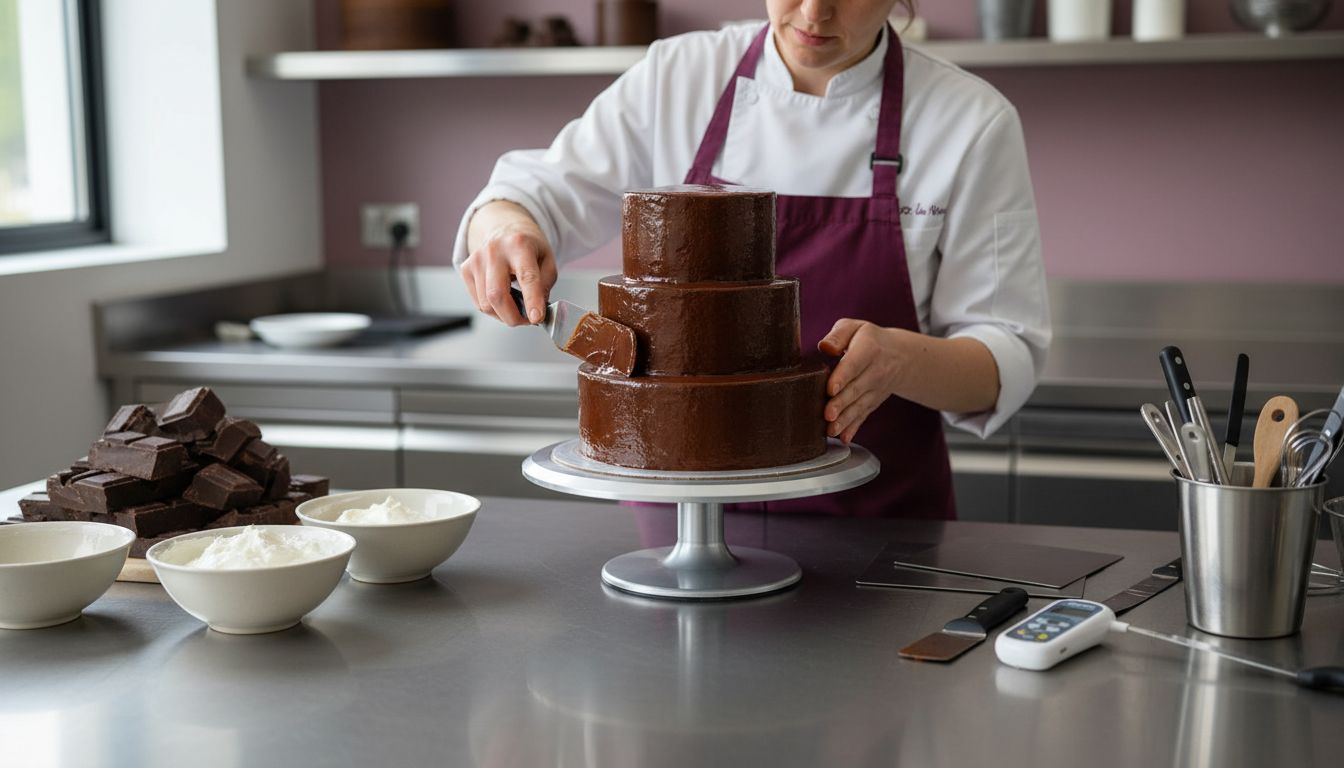
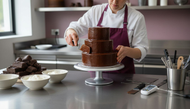
Most british bakers know the secret behind a glossy, show-stopping cake often lies in the ganache. This simple blend of chocolate and cream creates a fat-in-water emulsion, giving cakes their signature smooth finish and decadent taste. With over 90 percent of professional cake decorators relying on ganache for flawless results, learning its techniques is a must for serious home bakers. Discover how the right ingredients and precise tools turn this classic into a true culinary standout.
Table of Contents
- Defining Ganache And Its Core Ingredients
- How To Make Ganache With Quality Chocolate
- Essential Tools For Perfect Ganache Cakes
- Professional Techniques Using Ganaching Plates
- Decorating, Colouring, And Finishing Ganache
Key Takeaways
| Point | Details |
|---|---|
| Quality Ingredients Matter | The key to exceptional ganache lies in using high-quality chocolate and fresh cream to enhance flavour and texture. |
| Technique is Crucial | Employing precise techniques, such as the correct chocolate-to-cream ratio and maintaining optimal temperatures, significantly affects the ganache’s final outcome. |
| Essential Tools Enhance Results | Investing in professional tools like rotating turntables and ganaching plates can elevate the quality of ganache applications in cake decorating. |
| Creativity in Decoration | Use food colourings and various techniques to transform ganache into vibrant, personalised cake designs that impress visually. |
Defining Ganache And Its Core Ingredients
Ganache is a luxurious chocolate mixture that transforms ordinary bakes into extraordinary culinary creations. According to psscive, ganache is technically a stable, fat-in-water emulsion crafted by combining chocolate with cream, requiring sufficient water-based ingredients to form its distinctive continuous phase.
At its core, ganache consists of two primary ingredients: high-quality chocolate and fresh cream. Wikipedia defines it as a versatile culinary preparation that can function as a glaze, icing, sauce, or filling for pastries. The magic happens when melted chocolate meets cream, creating a smooth, shiny emulsion that can be adapted for multiple cake decorating techniques.
To create the perfect ganache, bakers should focus on ingredient quality and precise technique. A hand blender is recommended to achieve a smooth, well-emulsified result with a glossy finish. The chocolate-to-cream ratio determines the ganache’s final consistency – less cream creates a firmer ganache suitable for truffles, while more cream produces a softer mixture ideal for cake fillings and glazes. Professional cake decorators often experiment with different chocolate types, from rich dark chocolate to creamy milk varieties, to create unique flavour profiles and textures.
The versatility of ganache makes it a fundamental technique in cake decorating. Whether you’re creating a sleek mirror glaze, a rich filling, or a luxurious frosting, understanding the basic principles of ganache preparation will elevate your baking skills. Ganaching a cake requires practice, patience, and a willingness to experiment with different techniques and ingredient combinations.
How To Make Ganache With Quality Chocolate
Mastering the art of ganache requires precision, quality ingredients, and a gentle touch. According to BBC Good Food, the process begins by roughly chopping dark chocolate into a heatproof bowl, then preparing a cream mixture that will transform those chocolate pieces into a silky, luxurious ganache.
The fundamental technique involves heating cream and carefully integrating it with chocolate. Good Housekeeping recommends gently heating heavy cream and pouring it over finely chopped bittersweet chocolate, allowing the mixture to sit for approximately 10 minutes before stirring until it reaches a smooth, glossy consistency. Professional bakers suggest using high-quality chocolate with at least 60% cocoa solids to achieve the most robust flavour and ideal texture.
Choosing the right chocolate is crucial for exceptional ganache. Different chocolate types produce varied results: dark chocolate creates a rich, intense ganache perfect for deep, sophisticated cake designs, while milk chocolate offers a softer, sweeter profile ideal for lighter desserts. White chocolate ganache requires extra care, as its lower cocoa butter content means it can separate more easily if overheated.
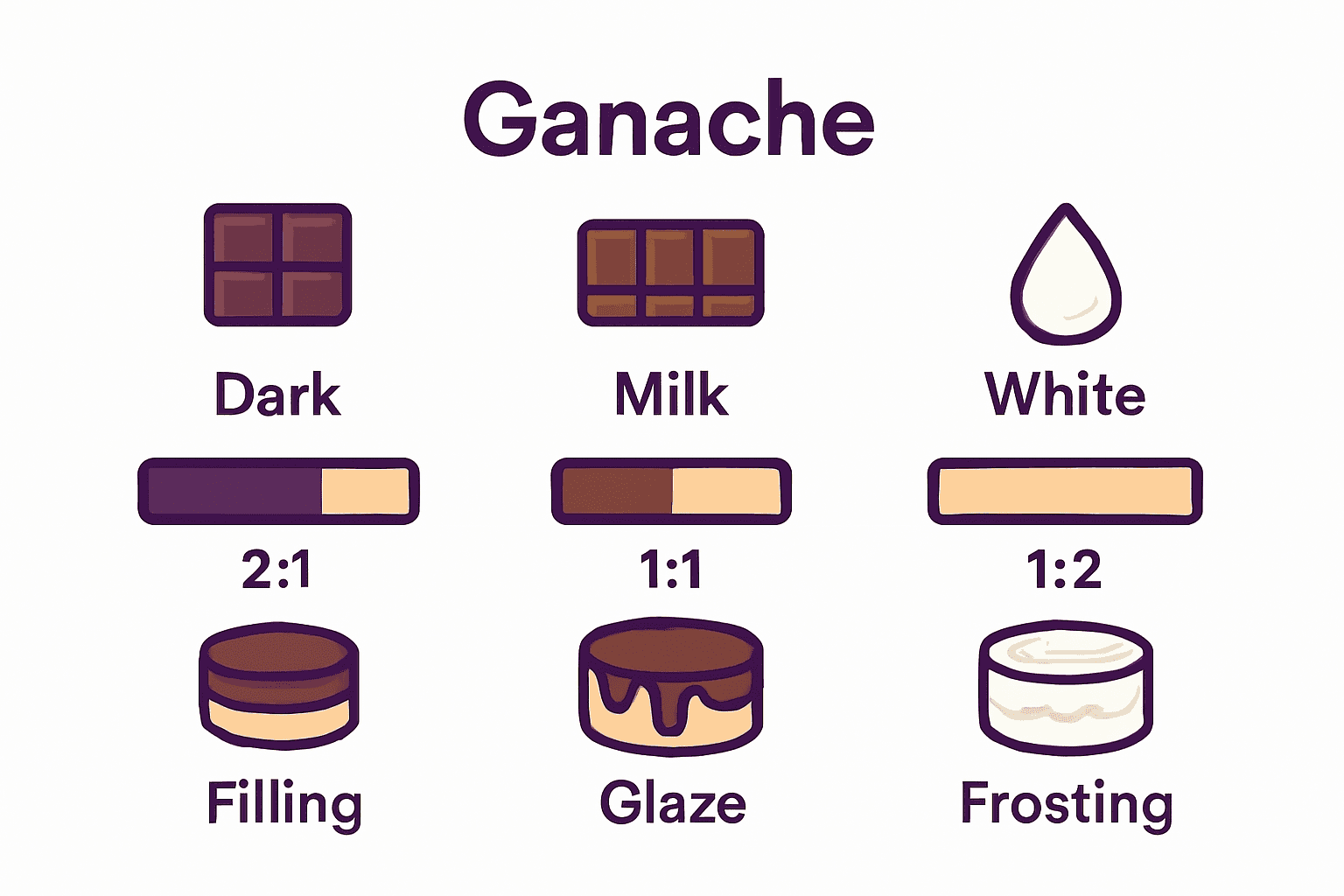
Precision in temperature and technique separates amateur attempts from professional-quality ganache. When baking with chocolate, maintaining a consistent, gentle heat prevents chocolate from burning or becoming grainy. A reliable kitchen thermometer can help ensure your cream reaches the optimal temperature between 55-65°C, creating a smooth emulsion that will elevate your cake decorating from good to extraordinary.
Essential Tools For Perfect Ganache Cakes
Creating professional-quality ganache requires a carefully curated collection of specialised tools. According to Bakes and Blunders, the fundamental equipment includes a heatproof bowl, saucepan, whisk, and spatula, which form the basic arsenal for preparing smooth, luxurious ganache.
Precision tools elevate ganache cake decoration from amateur to professional. A rotating turntable allows seamless application of ganache, enabling bakers to achieve perfectly smooth sides and sharp edges. An offset spatula becomes critical for spreading ganache evenly, while a bench scraper helps create those immaculate, clean finishes that distinguish professional cake decorators. Acrylic ganaching plates from Vanilla Valley, available in multiple shapes and sizes from 3 to 12.5 inches, provide additional support in creating flawless cake surfaces.
Beyond basic equipment, professional cake decorators invest in high-quality supplementary tools. A digital thermometer ensures precise cream and chocolate temperatures, preventing separation or graininess. Palette knives of varying sizes help manipulate ganache with surgical precision, while side scrapers enable razor-sharp edges. Professional decorators often recommend having multiple tools in different sizes to accommodate various cake designs and techniques.
For bakers looking to bake like a professional, understanding tool selection is as crucial as mastering technique. Each implement plays a specific role in transforming simple ingredients into stunning, professionally finished ganache cakes.
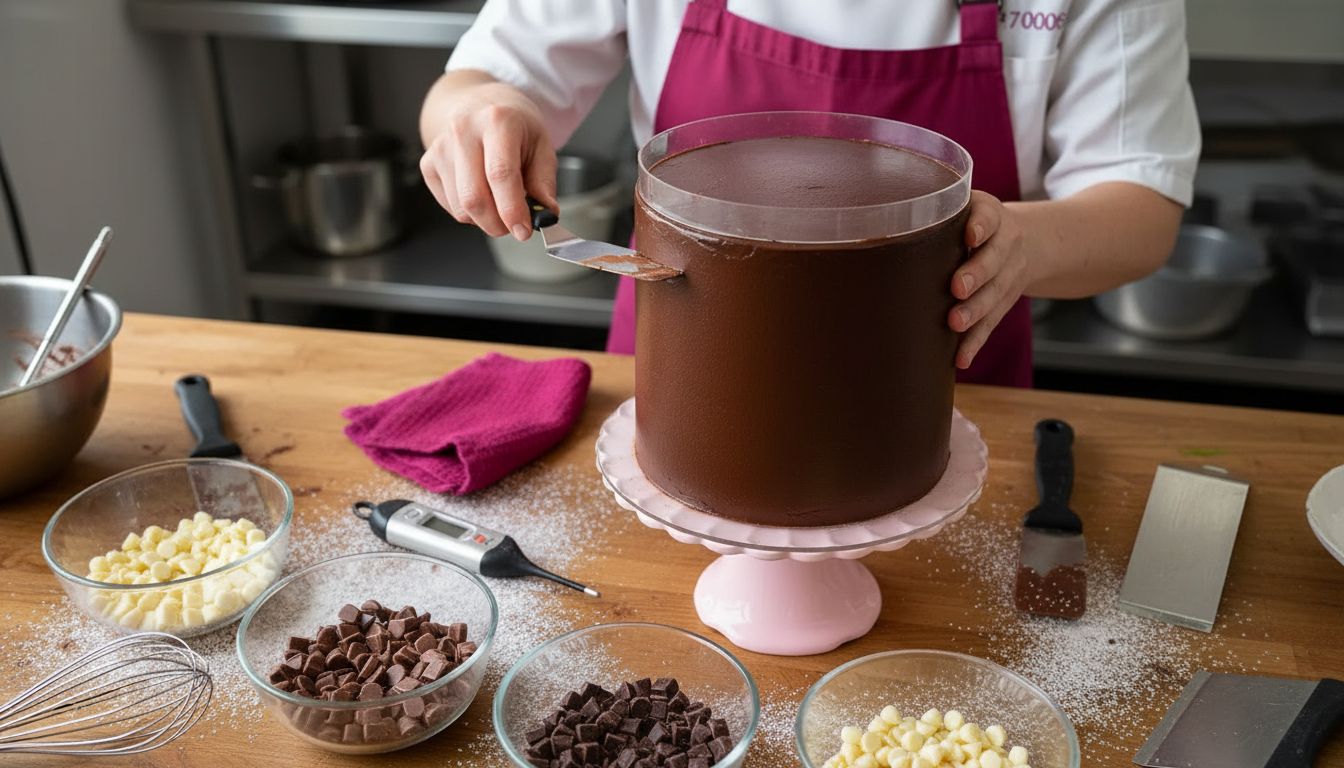 Investing in quality tools not only improves technical execution but also enhances the overall creative potential of your cake decorating journey.
Professional Techniques Using Ganaching Plates
Mastering ganache decoration requires precision and the right equipment. According to Bakes and Blunders, ganaching plates are essential tools that help bakers achieve sharp edges and consistently smooth cake surfaces, providing crucial guidance during the ganache application process.
Jessie Bakes Cakes explains that professional techniques involve strategically placing ganaching plates on the top and bottom of the cake to create perfectly straight sides. The Vanilla Valley range offers acrylic plates in multiple configurations - round, square, hexagon, and heart shapes - ranging from compact 3-inch plates ideal for small celebration cakes to expansive 12.5-inch plates perfect for elaborate wedding designs. These precision tools enable bakers to maintain uniform ganache thickness and create immaculately smooth finishes.
Successful ganaching requires more than just plates; it demands a systematic approach. Professionals recommend cleaning plates between uses, using a gentle touch when applying ganache, and allowing sufficient cooling time to achieve optimal results. Turntables complement ganaching plates beautifully, enabling smooth rotation and precise application. Side scrapers and palette knives further enhance the technique, helping create those razor-sharp edges that distinguish professional-grade cake decorations.
For bakers seeking to elevate their craft, understanding the nuanced techniques of drip cakes can transform ordinary desserts into extraordinary culinary masterpieces. Ganaching plates are not just tools, but precision instruments that bridge the gap between amateur enthusiasm and professional excellence, enabling even home bakers to achieve salon-worthy cake finishes.
Decorating, Colouring, And Finishing Ganache
Transforming plain ganache into a stunning cake decoration requires creativity and precision. According to Bakes and Blunders, coloration techniques are crucial in elevating ganache from simple chocolate coating to a vibrant, personalised cake design. Oil-based or powdered food colouring can dramatically change ganache’s appearance, allowing bakers to match any colour scheme or theme.
Jessie Bakes Cakes recommends using gel or oil-based food colourings for the most consistent and intense results. Colour Mill offers an exceptional range of oil-based colours specifically designed for chocolate and ganache work, enabling decorators to achieve rich, saturated hues without compromising the ganache’s texture. Professional techniques include adding colour gradually, mixing thoroughly to ensure even distribution, and testing small batches to achieve the perfect shade.
Decorating ganache opens up a world of artistic possibilities. Bakers can pipe intricate designs, create smooth drip effects, or use textured application techniques to add visual interest. Edible sprinkles, metallic paints, and delicate sugar decorations can transform a simple ganache finish into a show-stopping centerpiece. Palette knives and offset spatulas become essential tools for creating smooth, professional finishes, while turntables allow for precise rotation and application.
For bakers looking to take their skills to the next level, beginner cake decorating tips can provide additional guidance on achieving professional-looking results. The key is experimentation, practice, and understanding how different techniques can dramatically transform a simple ganache coating into an edible work of art.
Elevate Your Ganache Cake Decorating Skills with the Right Tools and Supplies
Mastering ganache requires more than understanding ingredients and techniques. Achieving smooth, glossy finishes and sharp edges depends on using quality tools like ganaching plates, palette knives and turntables mentioned in the article. Don’t let inconsistency or difficulty hold back your creativity when decorating cakes. At The Vanilla Valley we understand the challenges you face when preparing and decorating ganache with precision, texture and colour control.
Discover a wide selection of professional-grade cake decorating essentials including acrylic ganaching plates in various sizes and shapes, spatulas, premium food colours, and sprinkles designed to help you achieve flawless ganache finishes every time. Join countless bakers who rely on our trusted supplies and enjoy free and next day delivery by shopping now at The Vanilla Valley. Start turning your ganache cake visions into reality today with expert tools and expert advice all in one place.
Explore how to bake like a professional or get inspired with luscious drip cakes techniques to complement your ganache skills.
Frequently Asked Questions
What is ganache made of?
Ganache is primarily composed of high-quality chocolate and fresh cream. This combination creates a stable emulsion that can be used for glazes, fillings, or frostings in cake decoration.
How do I achieve the perfect ganache consistency?
The consistency of ganache depends on the chocolate-to-cream ratio. Using less cream results in a firmer ganache, ideal for truffles, while more cream makes a softer mixture suitable for cake fillings and glazes.
What types of chocolate can be used for ganache?
Different types of chocolate, such as dark, milk, and white chocolate, yield varying flavours and textures. Dark chocolate creates a more intense ganache, while milk chocolate offers a sweeter profile. White chocolate requires careful heating due to its lower cocoa butter content.
What tools are essential for working with ganache?
Essential tools for making ganache include a heatproof bowl, whisk, and spatula. For decorating, a rotating turntable, offset spatula, and side scraper are crucial for achieving smooth finishes and sharp edges in your cake designs.