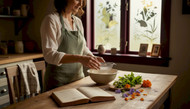
Your guide to edible plants for better home baking
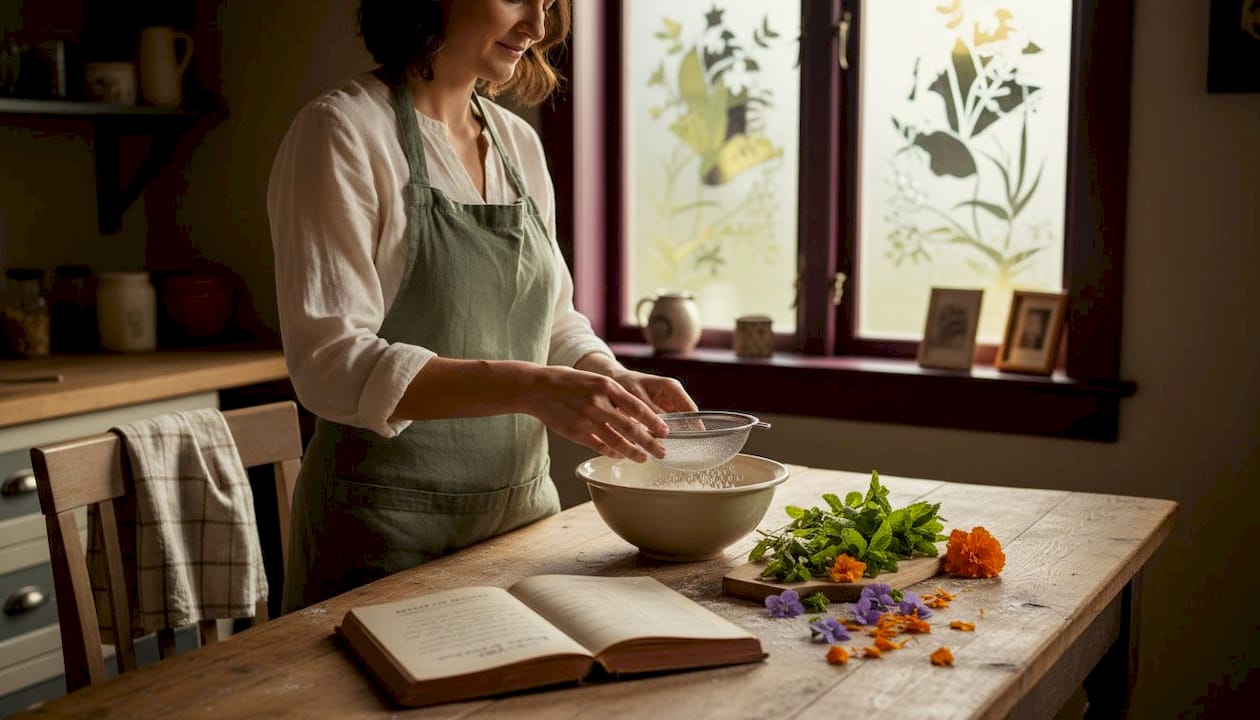
TL;DR:
- Edible plants are safe for consumption only when correctly identified and sourced from trusted suppliers. Misidentification and chemical treatment pose serious risks, making proper sourcing and handling essential. Building confidence with known, food-grade ingredients ensures both safety and the best culinary results.
Walk into any farmers’ market or specialist food shop and you’ll find bunches of flowers labelled “edible” sitting right next to ingredients you’d never dream of putting in a cake. It sounds simple, doesn’t it? If it says edible, it must be fine. But the reality is a little more nuanced than that, and getting it wrong can range from a disappointing mouthful to something much more serious. Whether you’re pressing violas into sugar biscuits, infusing lavender into buttercream, or experimenting with wild greens in savoury bakes, understanding exactly what “edible” means will genuinely transform your baking and keep everyone at the table safe.
Table of Contents
- What makes a plant edible (and why it matters)
- Essential edible plants for bakers and cooks
- Safe sourcing and preparation practices
- Creative ways to incorporate edible plants into baking
- Common pitfalls and safety reminders
- Our perspective: why ‘edible’ is only the beginning for bakers
- Take your baking further with trusted edible decorating supplies
- Frequently asked questions
Key Takeaways
| Point | Details |
|---|---|
| Identification is essential | Only use edible plants you can positively identify to avoid health risks in baking. |
| Start with easy options | Begin with well-known herbs and labelled edible flowers before moving to wild varieties. |
| Safety in preparation | Always use food-grade plants, wash thoroughly, and store properly to ensure best flavour and safety. |
| Creative baking uses | Infuse, garnish, or press edible plants into cakes and biscuits for beautiful, unique bakes. |
| If in doubt, don’t eat | Avoid tasting unidentified or mislabelled plants and seek guidance if poisoning is suspected. |
What makes a plant edible (and why it matters)
The word “edible” simply means non-toxic and suitable for human consumption. But that definition hides a lot of detail that matters enormously in the kitchen. A plant can be technically edible in one form and harmful in another. Elderflowers, for instance, are wonderful in syrups, but the raw berries of the same plant can cause stomach upset. Rhubarb stalks are a baking staple, yet the leaves are toxic. So “edible” is always context-dependent.
For home cooks and bakers, the most important distinction is this: edible means safe, not necessarily pleasant or flavourful. A plant might be non-toxic but taste utterly bitter, woody, or unpleasant in a bake. This is why we’d always encourage you to treat edible plants as a sourcing and identity problem, not simply a taste experiment. Starting with well-known culinary herbs and ornamentals grown specifically for eating is the smartest move you can make.
The main categories of edible plants you’ll encounter as a baker include:
- Culinary herbs: basil, mint, rosemary, thyme, lavender
- Edible flowers: nasturtiums, violas, pansies, calendula, rose petals
- Wild greens: dandelion leaves, sorrel, young nettles, hawthorn leaves
- Edible stems and shoots: young elderflower stems, chive flowers, borage
“If you are uncertain about the identity of a wild plant, do not consume it. In cases of accidental ingestion, contact poison control immediately and seek emergency assistance.”
Misidentification is the central hazard with wild plants, full stop. It is not a risk you can hedge against with a quick internet search and a blurry photo. This matters especially when you want to ensure your decorations are genuinely food safe, which you can read more about in our guide to making edible decorations last. For anyone integrating plants into weekly meal planning, a resource like meal planning with edible plants can also help build a structured, safe routine.
Essential edible plants for bakers and cooks
Understanding the concept of edibility, here are some top choices to start growing or sourcing for your kitchen adventures. The table below summarises the most beginner-friendly options, covering their flavour profiles, how easy they are to grow, and where they shine in baking.
| Plant | Flavour profile | Ease of growing | Best baking use |
|---|---|---|---|
| Basil | Sweet, slightly peppery | Easy in pots | Infused oils, herb breads |
| Lavender | Floral, aromatic | Moderate, needs sun | Shortbread, infused sugars, syrups |
| Nasturtium | Peppery, vibrant | Very easy outdoors | Garnish, infused vinegars |
| Viola/pansy | Mild, slightly grassy | Easy in cool weather | Pressed flower decoration, garnish |
| Calendula | Subtly tangy, saffron-like | Very easy | Cake decoration, infused cream |
| Mint | Cool, refreshing | Easy but spreads fast | Syrups, biscuit flavouring |
| Chive flowers | Mild onion | Easy in pots | Savoury bakes, garnish |
A mainstream gardening guide highlights that beginner-friendly edible plants like basil thrive with consistent watering and full sun, and frames their value very much in terms of how they perform in the kitchen, not just the garden. That culinary-first mindset is exactly the right one for bakers.
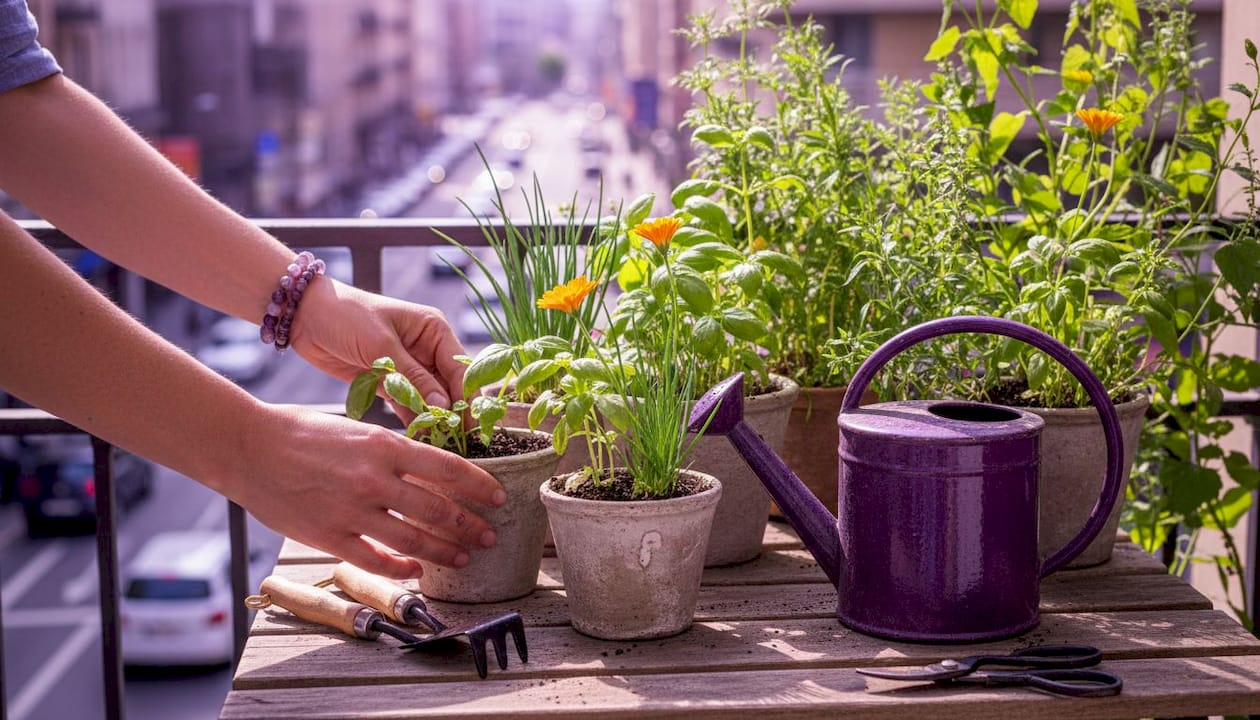
The golden rule here is to begin with labelled varieties specifically grown and sold for culinary use. These are produced under conditions designed to keep pesticide residues and contaminants out of the picture. Wild foraging comes later, once you’ve built real identification confidence.
Pro Tip: Always buy edible flowers and herbs from a supplier who specifically states they are food grade and grown without pesticides. A beautiful flower from a florist or garden centre may have been treated with chemicals that are absolutely not intended for consumption.
When you’re ready to move beyond herbs into edible flowers on cakes, our guide to birthday cakes with edible flowers is full of creative, practical ideas that work brilliantly for home bakers.
Safe sourcing and preparation practices
With your plant list in hand, let’s make sure your choices reach the kitchen safely and successfully. Sourcing is just as important as identification. A viola from a specialist edible flower supplier is a completely different product from one bought in a supermarket floral section or a garden centre. The latter are almost certainly treated with pesticides not intended for consumption, regardless of whether the plant itself is technically edible.
Here is a simple step-by-step process we’d recommend every time you work with fresh edible flowers or herbs:
- Source from verified food-grade suppliers. Always confirm the plants are grown specifically for culinary use and are pesticide free.
- Inspect carefully. Remove any wilted, discoloured, or damaged petals before use.
- Rinse gently. Use cool running water and handle delicately to avoid bruising.
- Pat dry or air dry. Excess moisture causes wilting and, in some cases, mould.
- Store correctly. Refrigerate between lightly damp paper towels and use within two days.
- Introduce new plants gradually. Try a small amount before using a new plant variety in a bake for guests.
On verified edibility, food safety guidance is clear: safe use of edible flowers in baking depends on both confirmed edibility and pesticide-free sourcing. Many sources also recommend using petals rather than the entire flower, since central parts like stamens and pistils are often bitter or at least unpleasant.
“Refrigerate washed flowers between damp paper towels and use them quickly. Delaying use risks both quality deterioration and possible spoilage.” Colorado State University Extension
Even with commonly eaten plants, individual sensitivities can occur. This is especially worth considering when baking for others. If you are introducing a new flower or herb to a recipe you’re serving at a party or event, it is good practice to inform guests and start with small quantities. Allergic reactions to commonly eaten plants are uncommon but not impossible.
The storage question also connects neatly to decorative elements beyond fresh botanicals. Our guide to storing sugar flowers covers the equivalent question for handmade sugar flower decorations, and our guide to making edible decorations last covers a wider range of techniques.
Pro Tip: If you’re making a celebration cake days ahead, consider using sugar flower alternatives for decoration and adding fresh edible flowers only on the day of serving. This avoids wilting and any storage complications with fresh botanicals on a completed cake.
Creative ways to incorporate edible plants into baking
Safe sourcing sorted, here’s how to make your baking both beautiful and delicious using edible plants. This is where things get genuinely exciting, because edible plants offer a range of techniques far beyond simply plopping a flower on top of a cupcake.
| Technique | Best plants to use | What it adds to your bake |
|---|---|---|
| Pressed flower decoration | Violas, pansies, calendula | Visual beauty, delicate flavour |
| Infused sugar | Lavender, rose, lemon verbena | Aromatic flavour in sponges |
| Infused syrup | Elderflower, mint, basil | Moisture and flavour in cakes |
| Garnish (fresh petals) | Nasturtium, calendula, borage | Colour, texture, mild flavour |
| Blanched greens in batter | Young nettles, dandelion, sorrel | Earthy, savoury depth |
| Candied flowers | Violets, rose petals | Texture, sweetness, visual drama |
One of the most popular methods in baking right now is pressing flowers into sugar biscuits and infusing sugars and syrups to carry botanical flavour directly into your frostings and batters. Lavender sugar, made by layering dried culinary lavender with caster sugar and leaving it sealed for a week, produces a wonderfully aromatic ingredient that works in shortbread, Victoria sponge, and buttercream alike.
Calendula petals, with their gentle saffron-like warmth, are brilliant scattered over a lemon drizzle cake or stirred into cream cheese frosting. They look stunning and add just enough flavour to be interesting without overwhelming.
For wild plants, expert guidance is clear: you need absolute certainty about identity before using anything in a recipe. Beyond identification, what part of the plant you use and at what stage matters enormously. Young dandelion leaves are far less bitter than mature ones. Nettles need blanching to neutralise the sting and mellow the flavour. Some greens are only good in spring. These are not small details.
Here are some brilliant ways to include botanical elements across different bakes:
- Lavender sugar biscuits with pressed viola petals
- Lemon and elderflower sponge with elderflower syrup drizzle
- Calendula and honey loaf cake
- Nettle and cheddar scones (using blanched young nettles)
- Rose petal jam for filling Victoria sponge
- Mint infused ganache for chocolate tarts
Our guide to making sugar flowers for cakes is a brilliant companion if you want the visual drama of flowers without working with fresh botanicals every time. And for the full picture on using floral decoration across seasonal bakes, our cupcake decorating ideas article is packed with inspiration. If you want to create an entire aesthetic around botanical elegance, we’d also recommend our guide to achieving a natural floral cake look.
Common pitfalls and safety reminders
Before you start experimenting, here are the essential safety rules every home baker needs to know. These are non-negotiable, and they apply whether you are using shop-bought herbs or plants from your garden.
- Never trust a label blindly. The FDA has issued warnings about products substituted with toxic plants despite being labelled as safe. Adulteration is rare but real. Buy from reputable, well-reviewed suppliers.
- Do not use ornamental flowers from garden centres. These are grown with chemicals unsuitable for food use, even if the species is technically edible.
- Never experiment with unknown wild plants. Misidentification is the central hazard in wild plant consumption and is responsible for the vast majority of plant-related poisoning cases.
- If in doubt, leave it out. This rule is simple and effective. No recipe is worth a trip to A&E.
- If accidental ingestion occurs, save a sample of the plant if at all possible, and call poison control immediately. Do not wait for symptoms to worsen.
For those interested in outdoor foraging as part of your sourcing routine, understanding wild foraging safety protocols is a genuinely worthwhile investment of time before you head outdoors.
“If identification is uncertain, do not consume. Use emergency and poison-control channels if exposure occurs.”
The safest and most consistent bakers we know are not the ones who take the most risks. They are the ones who have built reliable, trusted sources and stick to plants they know deeply.
Our perspective: why ‘edible’ is only the beginning for bakers
We get asked a lot about edible plants here at The Vanilla Valley. And the question is almost always framed around flowers on cakes. “Can I use these petals?” or “Is this safe to eat?” What we rarely hear is “How do I get the most out of this ingredient?” And that’s the gap we think is worth bridging.
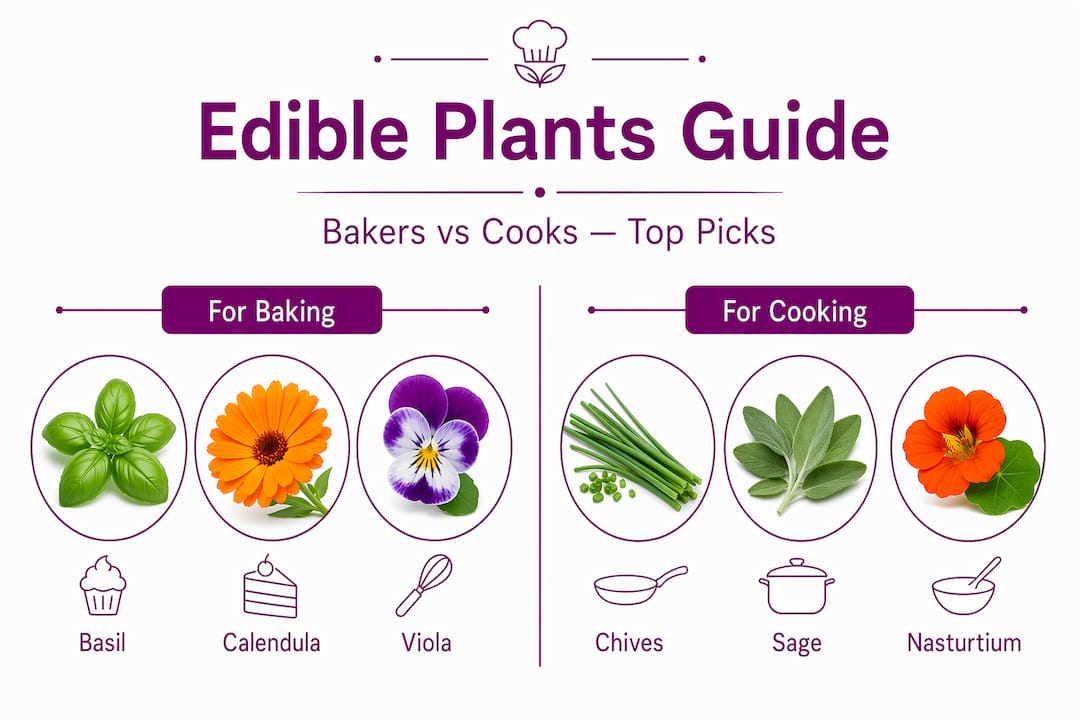
Technical edibility is just the entry requirement. What really makes a botanical ingredient special in a bake is how it’s handled, prepared, and paired. A poorly stored viola petal placed on a cake two days early looks sad and tastes of nothing. The same petal, sourced food-grade, stored properly, and placed on the day of serving, is genuinely beautiful.
We’d also gently push back on the idea that wild or unusual automatically means better. There’s a real temptation in creative baking to chase novelty, and that temptation can lead bakers towards risky territory with unfamiliar plants when the reliable options are actually more flavourful and more consistent. Culinary lavender, food-grade rose petals, and nasturtiums bought from a trusted supplier will outperform a tentatively foraged flower almost every time.
Start with what you know is safe. Build your confidence. Then expand your repertoire from a place of genuine knowledge, not excitement alone. The most show-stopping cakes we see at events and in our community are built on basics done brilliantly. Beautiful pressed flowers, perfectly candied petals, and elegant botanical infusions. You can transform cakes with edible flowers without ever setting foot in a hedgerow.
The creative potential here is enormous. But it starts with respect for the ingredient, an understanding of what you’re working with, and the patience to do it properly.
Take your baking further with trusted edible decorating supplies
Whether you’re just starting out with botanical baking or looking to take your edible flower cakes to a new level, having the right tools and trusted supplies makes all the difference. At The Vanilla Valley, we’ve been helping bakers create stunning, safe, and delicious results since 2009, and we know exactly what you need to get there.
From food-grade decorations and edible colours to specialist cake decorating accessories, our shop is stocked with everything that complements your botanical baking journey. If you want to pair fresh edible flowers with show-stopping professional finishes, our range of cake decorating supplies is the perfect place to browse. We’re based in North Cardiff but support bakers right across the UK, with free delivery options and next-day dispatch available. Come and explore what’s possible.
Frequently asked questions
What are the safest edible plants for beginners?
Basil, chives, nasturtiums, pansies, and calendula are reliable and easy-to-use edible plants for home cooks, as beginner-friendly guides confirm. They are widely available in food-grade form and straightforward to grow at home.
How do I store fresh edible flowers for cake decoration?
Gently rinse, then keep between damp paper towels in the fridge and use within two days for the best appearance and taste.
Is it safe to forage wild plants for recipes?
Only if you are 100% certain of identification. Expert guidance stresses absolute certainty about identity before using any wild plant in a recipe; if unsure, do not eat it.
Do edible flowers taste good in cakes?
Yes, but flavours vary considerably. As edible flower guides note, petals from viola, pansy, and nasturtium are popular for their mild, pleasant notes, while central parts can be bitter.
What should I do if I suspect I’ve eaten a poisonous plant?
Contact poison control immediately and save a sample of the plant for identification if at all possible. Public health guidance is clear that you should not delay in seeking emergency help.
Recommended
- Transform birthday cakes with stunning edible flower designs - The Vanilla Valley
- Baking beads explained: achieve perfect pastry every time - The Vanilla Valley
- Edible vs Non-Edible Cake Decorations: A Baker’s Safe Choice - The Vanilla Valley
- Festive Edible Decorations Guide for Christmas Cakes - The Vanilla Valley