
Buttercream vs fondant wedding cakes: pros and cons
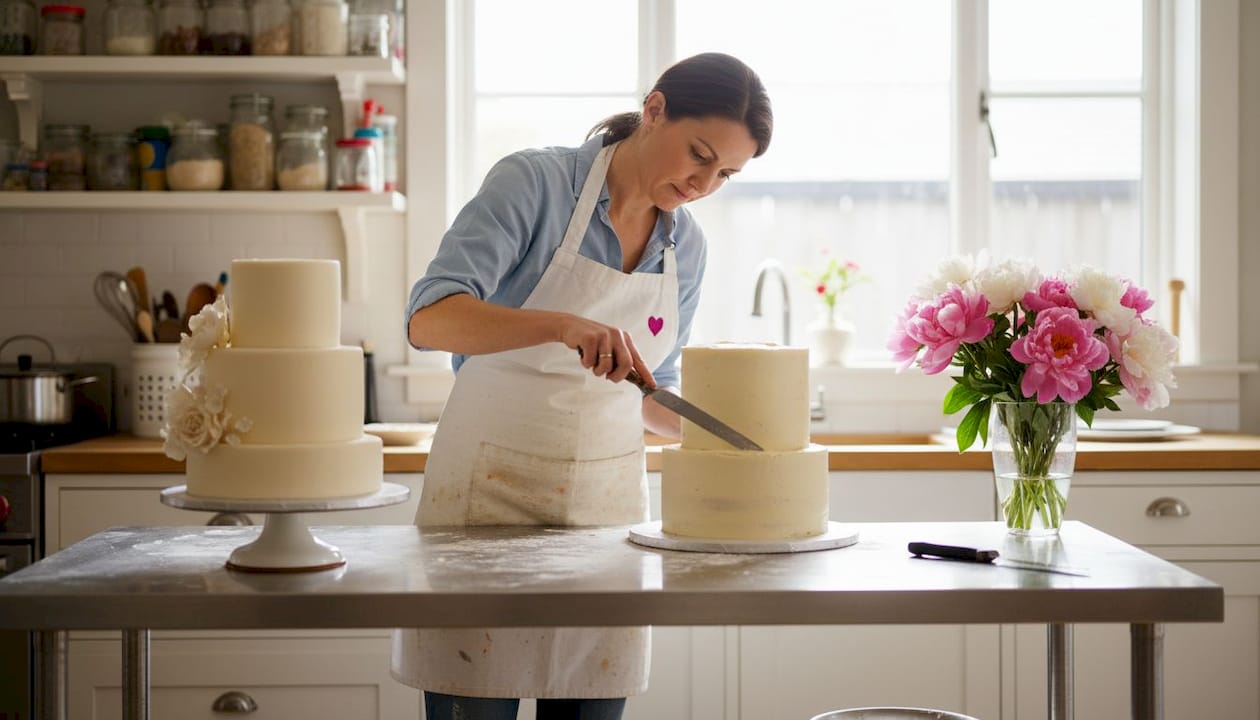
Choosing between buttercream and fondant for your wedding cake is one of the most important decisions you’ll make during planning. Both icings offer distinct advantages, but they also come with trade-offs that affect flavour, appearance, durability, and budget. Understanding these differences helps you select the option that aligns with your vision, venue conditions, and guest preferences. This guide breaks down the key pros and cons of each icing type so you can make an informed choice with confidence.
Table of Contents
- Key takeaways
- Key criteria for choosing your wedding cake icing
- Buttercream wedding cakes: advantages and considerations
- Fondant wedding cakes: benefits and drawbacks
- Buttercream vs fondant wedding cakes: detailed comparison
- Explore cake decorating supplies at The Vanilla Valley
- Frequently asked questions
Key Takeaways
| Point | Details |
|---|---|
| Buttercream flavour strength | Buttercream offers a rich flavour and a creamy texture that many guests favour. |
| Heat stability gap | Buttercream is less stable in warm conditions and may soften or melt at events held in heat. |
| Fondant durability advantage | Fondant provides a smooth polished finish and greater durability in warm conditions. |
| Budget considerations | Buttercream is generally more affordable due to simpler ingredients and faster application. |
Key criteria for choosing your wedding cake icing
Before diving into the specifics of buttercream and fondant, it’s essential to understand the main factors that should guide your decision. Your choice will impact not only how your cake looks but also how it tastes, holds up during your event, and fits within your budget.
Taste and texture preferences are often the most personal considerations. Some couples prioritise rich, creamy flavour, whilst others focus on visual impact. Guest satisfaction matters too, so think about what your attendees might enjoy most.
Aesthetic style plays a significant role in your decision. Buttercream suits rustic, romantic, or textured designs beautifully. Fondant excels at creating sleek, modern, or elaborately sculpted cakes. Your wedding theme and personal style should inform which finish appeals to you.
Durability and climate conditions cannot be overlooked. Climate and serving conditions impact icing choice, with buttercream less stable in heat. If your venue lacks air conditioning or you’re planning an outdoor summer wedding, this becomes crucial.
Budget influences which icing type is practical for most couples. Buttercream generally costs less because it requires fewer specialised ingredients and less labour. Fondant demands more skill and time to achieve that signature smooth finish, which increases the price.
Presentation requirements may favour fondant if you want a polished, magazine-worthy appearance. Buttercream offers a softer, more homemade charm that feels warm and inviting.
Pro tip: If you love buttercream but worry about warm weather, ask your baker about Swiss or Italian meringue buttercream. These varieties hold up better than American buttercream in heat whilst maintaining excellent flavour.
Buttercream wedding cakes: advantages and considerations
Buttercream is beloved for its delicious taste and versatility. It’s the go-to choice for couples who value flavour above all else and appreciate a more relaxed, natural aesthetic.
The most significant advantage of buttercream is its rich, creamy flavour. Unlike fondant, which can taste overly sweet or artificial, buttercream delivers a pleasant mouthfeel that guests genuinely enjoy. It pairs beautifully with various cake flavours and fillings, enhancing rather than masking them.
Buttercream allows for vibrant colouring and creative decoration techniques. You can colour buttercream without ruining texture easily, making it perfect for achieving specific wedding colour schemes. Piping, rosettes, ruffles, and textured finishes all work brilliantly with buttercream.
Cost is another major benefit. Buttercream is generally more affordable than fondant because the ingredients are simpler and the application process is faster. This makes it an excellent choice for couples working with tighter budgets who still want a beautiful, delicious cake.
However, buttercream has limitations. It’s less stable in heat, which means it can soften, melt, or lose its shape in warm venues. Careful storage and handling become essential, and you may need to keep the cake refrigerated until the last possible moment.
Buttercream also doesn’t provide the ultra-smooth, flawless finish that fondant offers. If you want sharp edges and a perfectly polished surface, buttercream may not meet your expectations. It’s better suited to rustic, romantic, or textured designs.
Pro tip: Swiss meringue buttercream and Italian meringue buttercream are more stable and less sweet than American buttercream. They’re excellent choices if you want superior flavour and better heat resistance. Explore creative buttercream techniques to maximise visual impact.
Fondant wedding cakes: benefits and drawbacks
Fondant is the icing of choice for couples who prioritise a flawless, elegant appearance. It offers unique advantages in terms of aesthetics and durability but comes with trade-offs in flavour and cost.
The most striking benefit of fondant is its immaculate, smooth exterior. It creates a pristine canvas that looks stunning in photographs and suits formal, modern, or elaborate wedding themes. Fondant allows for sharp edges, perfectly smooth surfaces, and intricate structural detailing that buttercream simply cannot achieve.
Durability is another key advantage. Fondant gives a polished surface and improved durability but is sweeter and less flavourful than buttercream. It withstands various climates better, making it ideal for outdoor weddings, warm venues, or situations where the cake needs to sit out for extended periods.
Fondant supports complex decorations and structural detailing. Bakers can create three-dimensional flowers, sculpted figures, lace patterns, and other elaborate designs that would be impossible with buttercream alone. This makes fondant perfect for couples wanting a truly show-stopping centrepiece.
However, fondant tends to be sweeter and less natural tasting. Many guests find it overly sugary or prefer to peel it off before eating the cake. This can be disappointing if flavour is important to you and your attendees.
Cost is typically higher with fondant. The ingredients are more expensive, and the application process requires significant skill and time. Bakers often charge premium prices for fondant cakes, especially those with intricate designs.
Fondant also requires specific storage conditions. It can become sticky in humidity or dry out if exposed to air for too long. Proper handling is essential to maintain quality.
To keep fondant fresh after application:
- Store the cake in a cool, dry environment away from direct sunlight
- Avoid refrigeration unless absolutely necessary, as condensation can damage the finish
- Cover the cake loosely with a clean cloth if storing overnight
- Keep humidity levels low to prevent stickiness
- Transport carefully to avoid dents or damage to the smooth surface
For more detailed guidance, review tips on storing fondant for freshness to ensure your cake looks perfect on the big day.
Buttercream vs fondant wedding cakes: detailed comparison
Now that you understand the individual characteristics of each icing type, let’s compare them directly across the factors that matter most to couples planning their weddings.
| Comparison factor | Buttercream | Fondant |
|---|---|---|
| Flavour intensity | Rich, creamy, natural | Sweet, less flavourful |
| Visual appeal | Rustic, textured, romantic | Sleek, polished, modern |
| Cost range | Lower, budget-friendly | Higher, premium pricing |
| Heat durability | Poor, softens in warmth | Excellent, stable in heat |
| Decoration flexibility | Piping, ruffles, rosettes | Sculpting, structural details |
| Guest preference | Generally more popular | Often removed before eating |
Flavour intensity differences significantly affect guest satisfaction. Buttercream delivers a taste that most people genuinely enjoy, whilst fondant often gets left on plates. If you want your guests to rave about how delicious your cake was, buttercream is usually the safer bet.
Visual appeal varies dramatically between the two options. Buttercream suits rustic barn weddings, garden ceremonies, and romantic vintage themes beautifully. Fondant excels at formal ballroom receptions, modern minimalist weddings, and events where the cake serves as a dramatic focal point.
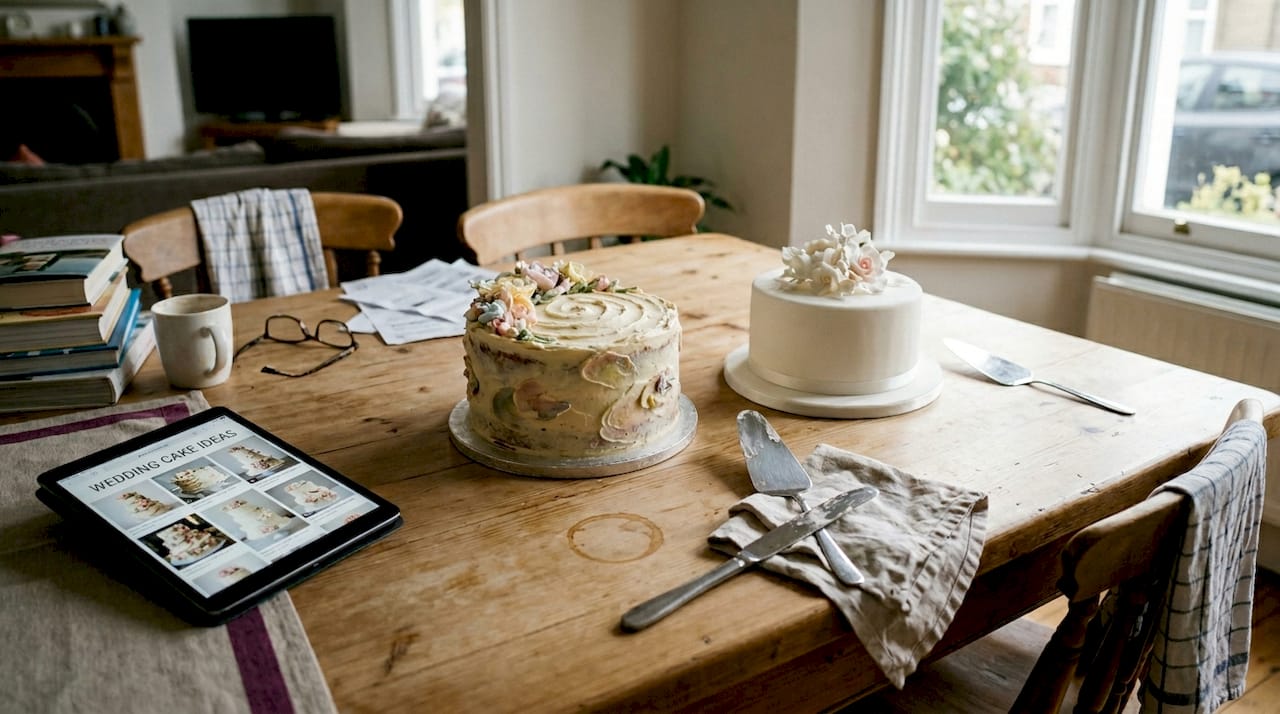
Cost ranges reflect the complexity of each icing type. Buttercream cakes typically cost 20 to 30 percent less than comparable fondant designs. This price difference can be significant when you’re managing a wedding budget with multiple competing priorities.
Durability in various venues and climates is where fondant truly shines. Outdoor summer weddings, venues without climate control, and situations requiring long display times all favour fondant’s stability. Buttercream requires careful temperature management to avoid melting or losing shape.
Decoration flexibility depends on your design vision. Simple to moderately detailed designs work beautifully with buttercream. Elaborate sculpted elements, gravity-defying structures, and intricate lace patterns require fondant’s structural capabilities.
Choice between buttercream and fondant often comes down to priority of taste versus appearance and event conditions. Consider these final tips when making your decision:
- Prioritise buttercream if flavour and guest enjoyment matter most to you
- Choose fondant if you want a flawless, photograph-ready appearance
- Consider venue temperature and climate conditions carefully
- Budget constraints may naturally guide you toward buttercream
- Hybrid options exist, using fondant over buttercream for best of both worlds
- Sample both types with your baker before making a final decision
- Think about your wedding theme and which finish complements it better
Explore cake decorating supplies at The Vanilla Valley
Whether you’ve decided on buttercream, fondant, or a combination of both, having access to quality ingredients and expert guidance makes all the difference. The Vanilla Valley offers everything you need to create or commission your perfect wedding cake.
As a trusted cake decorating supplies and sugarcraft shop since 2009, The Vanilla Valley provides professional-grade fondant, food colours, decorating tools, and accessories for both amateur and professional bakers. Their blog features practical advice on choosing cake icings wisely and mastering creative buttercream techniques for beginners, helping you achieve bakery-quality results. Whether you’re working with a professional baker or creating your own masterpiece, The Vanilla Valley supports your vision with quality products and expert knowledge.
Frequently asked questions
Which is better for taste: buttercream or fondant?
Buttercream is usually preferred for its rich, creamy flavour that enhances rather than masks the cake itself. Fondant tastes sweeter and less natural, which some guests find overly sugary. Taste preference varies by individual, so sampling both options with your baker helps you decide what works best for your wedding.
Can fondant be used in warm wedding venues?
Fondant is more durable and better suited to warm venues than buttercream. It holds up well in heat and humidity when properly applied and stored. Proper handling, such as avoiding direct sunlight and maintaining moderate temperatures, further improves stability throughout your event.
How can I fix buttercream if it becomes too soft?
Chilling the buttercream in the refrigerator for 15 to 30 minutes can firm it up quickly and restore workability. Adding more powdered sugar or stabilisers like meringue powder helps restore the proper consistency. Several easy methods fix common buttercream problems like softness or runniness, ensuring your cake looks its best.
Is fondant more expensive than buttercream?
Fondant is generally pricier due to more expensive ingredients and the labour required to achieve a smooth, flawless finish. The application process demands significant skill and time, which increases baker fees. Buttercream tends to be a more budget-friendly option whilst still delivering beautiful results, making it ideal for couples managing wedding expenses carefully.